
TL;DR:
- The best campgrounds in Arizona range from high elevation pine forests along the Mogollon Rim to red rock camps near Sedona and remote desert sites around the Grand Canyon National Park.
- For summer cooling, head up to Woods Canyon Lake and other Mogollon Rim locations, and for spring and fall, target Sedona and lower desert areas for dramatic scenery and comfortable nights.
- Know your rules for Arizona dispersed camping, pack gear for wide temperature swings, and check permits with the Bureau of Land Management, Arizona State Parks, or National Park services before you go.
Arizona is famous for its desert heat and iconic red rocks, but the real magic happens once you get away from the tourist traps and into the backcountry. If you are craving a night under the stars without the hum of RV generators, these hand picked spots offer the true Arizona experience. This guide highlights the best campgrounds in Arizona where solitude, scenery, and stars come together.
Whether you prefer towering pines, sandstone cathedrals, or rim top viewpoints, I will walk you through where to go, how to pick a site, and what to pack so your next trip feels effortless. Think of this as tips from a friend who has set up more than one midnight campfire in the high country and learned what matters most for comfort and safety.
Table of Contents
- High-Elevation Escapes in the Mogollon Rim
- Desert Landscapes and Red Rock Vistas, best campgrounds in Arizona
- Quick Comparison of Top Arizona Camping Regions
- Frequently Asked Questions
- Final Thoughts
High-Elevation Escapes in the Mogollon Rim
The Mogollon Rim is Arizona at a different scale. Instead of heat and scrub, you get cooler nights, dense stands of ponderosa pine, and lakes that mirror the sky. For campers who want to escape summer heat, the Rim is a top pick. Expect campsites tucked in trees, fragrant pine needles underfoot, and early mornings with mist over the water.
Finding solitude near Woods Canyon Lake
Woods Canyon Lake sits on the Rim and is a great base for both tent campers and small trailer setups. The developed campground has shaded sites close to the water, but the real rewards are on the lesser used Forest Service roads and small pullouts where you can find primitive spots. If you prefer a little more structure, choose a site near the loop road and walk to quieter coves at dusk for private views.
If solitude is the goal, arrive on a weekday and explore the nearby trails after setting up camp. The drive up to the Rim is part of the experience. Elevation means cooler evenings and often a breeze that blows the heat of the valley away. Remember to check with Arizona State Parks or the local Forest Service office for any seasonal restrictions and fire conditions.
Best practices for forest service site selection
When looking for a Forest Service site near the Mogollon Rim, pick a spot that shows signs of existing use. That keeps your impact low and avoids fragile ground. Turn in a loop so your vehicle does not crush vegetation, and set up your tent on durable surfaces like gravel or bare soil rather than on plant cover. Keep food stored in sealed containers and away from sleeping areas because wildlife are used to campers and will investigate easy snacks.
Many of the dispersed camping areas are managed by the Forest Service and not the Bureau of Land Management, so always verify the land manager before you set up. If you are newer to primitive camping, reading a short guide on solo camping in the mountains can help you plan and stay safe. For a focused primer, check this solo camping in the mountains guide https://www.camprambler.com/mastering-solo-camping-in-the-mountains-a-guide-to-self-reliance/ which covers site selection and self reliance skills.
Desert Landscapes and Red Rock Vistas, best campgrounds in Arizona
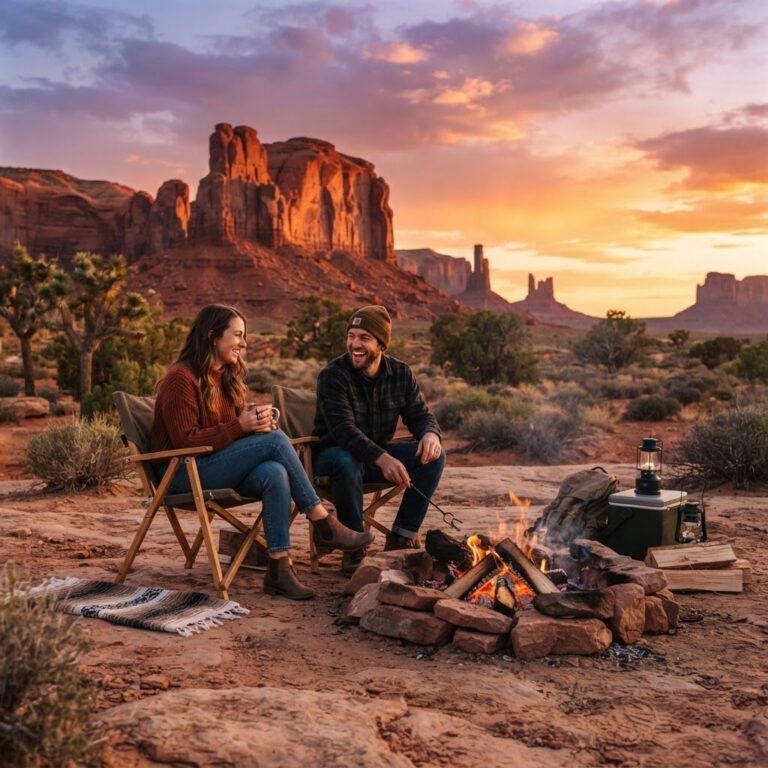
There is nothing quite like waking to a sunlit wall of sandstone, or falling asleep under a canopy of stars with red spires outlined against the night. Areas around Sedona and certain public lands near the Grand Canyon National Park deliver those postcard views, and well chosen campgrounds put you close to iconic trails and quiet overlooks.
Camping beneath the stars in Sedona
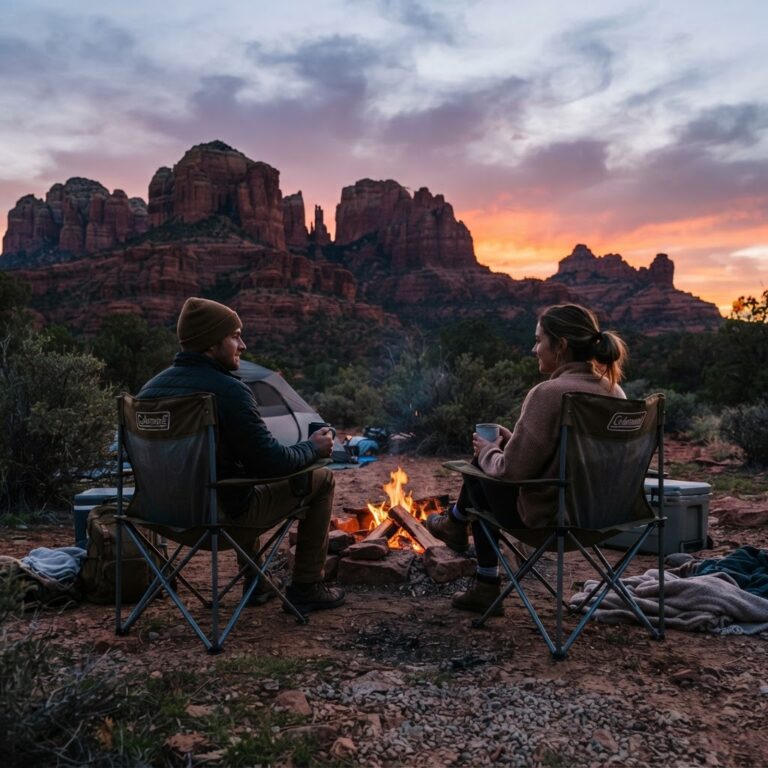
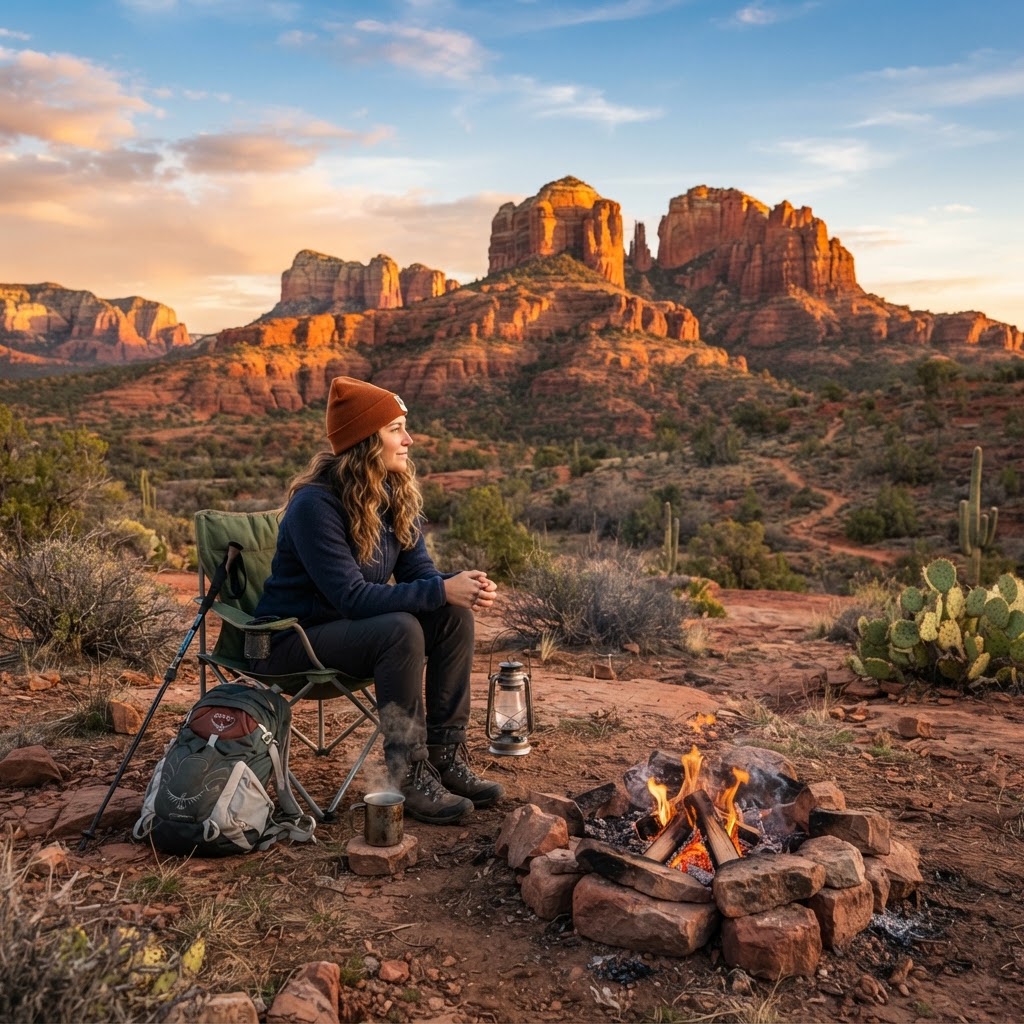
Sedona is famous for its red rock formations and dramatic sunsets. Campgrounds that hug the edges of the red rock country give you easy access to trailheads that start before sunrise. Some state parks and private campgrounds offer well maintained sites with amenities, and nearby dispersed spots are available on public lands, though rules differ. For true scenic camping Arizona style, plan to hike a short trail into a ridge line and stake your claim on a flat, durable spot for the night.
Packing light helps. Trails around Sedona can be steep and rocky and carrying only what you need makes for better hikes and faster camp setup. For setup tips and shelter ideas, this tent camping tips guide https://www.camprambler.com/mastering-the-outdoors-expert-tent-camping-tips-and-tricks-guide/ is full of practical suggestions that will save you time and stress.
Essential gear for desert climate fluctuations
Desert camping is a lesson in extremes. Day temperatures can be warm even in spring, while nights near the canyon can drop significantly. Gear choices matter more here than people expect. Bring a sleeping system rated for cooler nights, layered clothing, and a sun shelter for midday rest. Insulation under your sleeping pad makes a huge difference when the ground cools quickly.
Water is the top priority. Carry more than you think you will need and have a plan for resupply. Sunscreen and a wide brim hat are essential, and quick drying, breathable fabrics will make both hiking and relaxing at camp more comfortable. If you plan to explore backcountry areas in Grand Canyon National Park, research specific permit rules and water sources before you go.
Quick Comparison of Top Arizona Camping Regions
Choosing where to camp in Arizona depends on what you value most. Do you want towering trees and cool nights, sandstone walls and sunrise views, or wide desert skies and quiet backcountry? Below is a quick look to help you decide where to base your next trip.
How to book your site in advance
Developed campgrounds at places managed by Arizona State Parks and national parks often require reservations, especially on holiday weekends. For Grand Canyon National Park, rim side campgrounds are competitive and often fill early in the season. Use the official reservation systems for state parks and federal lands, and plan at least a few weeks in advance for peak seasons.
For dispersed camping on Bureau of Land Management land or in National Forests, reservations are rarely required but specific areas can have special rules or quota systems. If you are headed to a popular recreation area, check the local BLM or Forest Service page before you go and have a backup plan for nearby sites. If you want to sharpen basic field skills before a longer trip, this guide to essential camping skills will get you camera ready and comfortable in the outdoors https://www.camprambler.com/how-to-master-essential-camping-skills-for-your-next-outdoor-adventure-2/.
When to visit for the best weather
Timing depends on elevation. High country sites on the Mogollon Rim are best in summer and early fall when lower elevations are hot. Sedona and red rock country are ideal in spring and fall when daytime temperatures are comfortable and nights are cool. For desert lowlands and the Grand Canyon rim, aim for fall through spring to avoid extreme summer heat. Always check local weather forecasts and seasonal fire restrictions before you go.
Pro tip, pick campsites that face east in the desert if you want cool mornings with shade, and choose sites that slope slightly away from your tent for storm runoff if there is any chance of rain.
Frequently Asked Questions
Do I need a permit for dispersed camping in Arizona?
For most dispersed camping on Bureau of Land Management land and many National Forest areas, no permit is required, but there are exceptions. Some popular or sensitive areas use permit systems or quotas. Grand Canyon National Park requires backcountry permits for overnight trips below the rim and for some remote rim side zones. Always check the managing agency website before you go, and follow Leave No Trace principles to avoid restrictions in the future.
What is the best time of year to go camping in the Arizona desert?
For camping in the lower desert, the best time is generally fall to spring. Spring brings wildflowers and mild days, while fall offers cooling temperatures that make hiking and evenings comfortable. Summer can be dangerous due to high heat. If you plan a summer trip, consider high elevation destinations like the Mogollon Rim where nights are cooler and storms are less extreme.
Are campgrounds in Arizona pet friendly?
Many campgrounds in Arizona welcome pets but have leash rules and designated areas where animals are allowed. National parks such as Grand Canyon National Park have strict rules about where pets can go, often limiting them to developed areas and roads. State parks and private campgrounds typically allow pets but require that they be supervised and not left unattended. Always check campground policies before booking and pack for your pet with food, water, shade, and waste disposal supplies.
Final Thoughts
Arizona rewards campers who leave the crowds and seek varied landscapes. From the cool pines of the Mogollon Rim to the red rock camps around Sedona and the wide desert around Grand Canyon National Park, you can find a perfect night under the stars with a little planning. Pack smart, follow local rules, and enjoy the silence that makes Arizona wilderness so special.