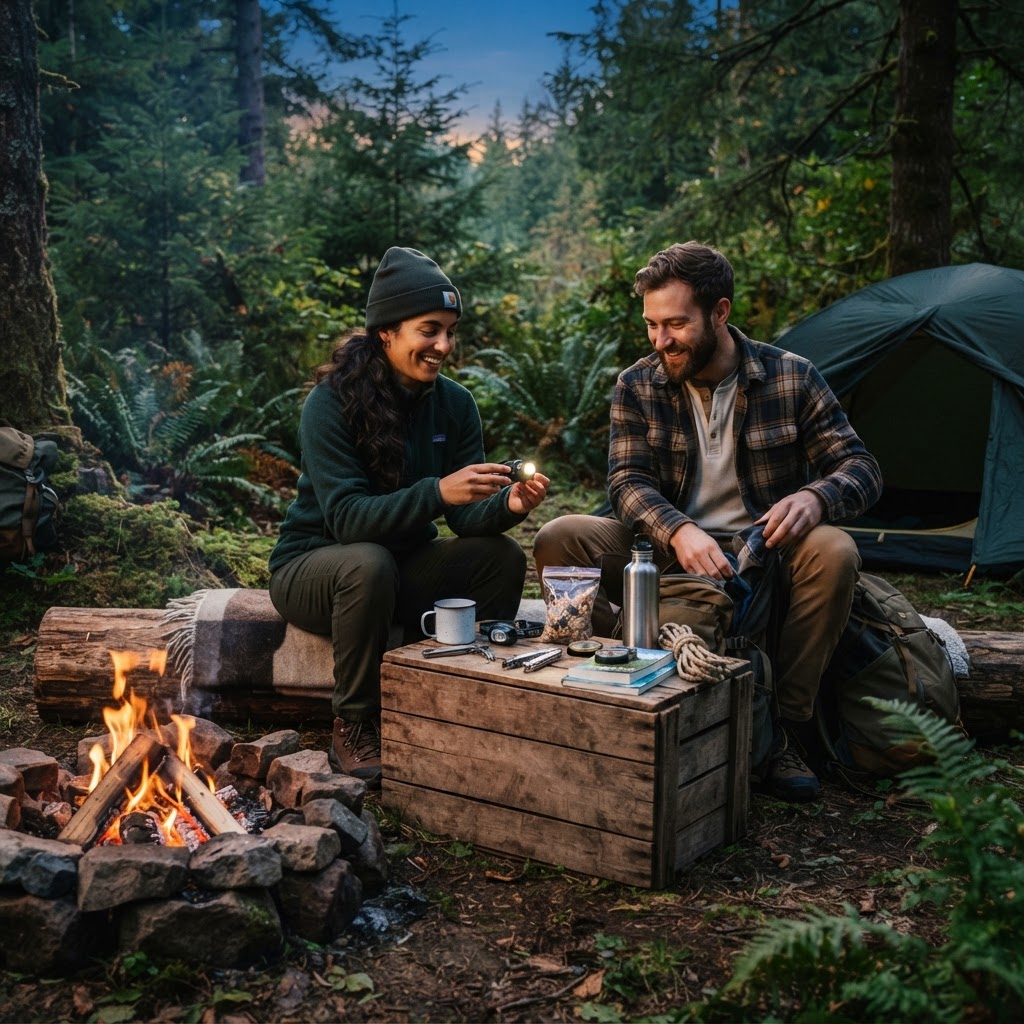

TL;DR:
- Focus on the basics first: reliable outdoor gear, a properly pitched tent, and practiced fire safety.
- Choose your site with Leave No Trace principles and weather readiness in mind to stay safe and comfortable.
- Match your camping style to your goals, whether ultralight backpacking, traditional base camping, or car camping for convenience.
Imagine waking up to the sound of birds in a crisp forest rather than a blaring alarm clock. You can trade the stress of the city for the serenity of the woods, and learning how to master essential camping skills is the fastest way to make that trade feel effortless. Whether you are a weekend escape planner or someone building outdoor trips into your small business marketing calendar, these are the fundamentals that will keep your trips safe, efficient, and enjoyable.
In this guide I walk you through the core equipment and site selection strategies, practical campcraft like tent pitching and fire safety, and a clear comparison of camping styles so you can pick the right setup for your next trip. Think of camping skills like conversion funnels in marketing, the basics matter most and when you get them right everything else scales smoothly.
Table of Contents
- Essential Gear and Site Selection
- Mastering Campcraft and Safety
- Comparing Camping Styles and Equipment
- Frequently Asked Questions
- Final Thoughts
Essential Gear and Site Selection: How to Master Essential Camping Skills
Start with the essentials and you cut the risk on day one. Good planning begins with an honest assessment of where you are going, for how long, and what conditions you are likely to face. This opening section covers the core outdoor gear every beginner and busy professional should have, and practical advice for choosing a safe, comfortable campsite that respects Leave No Trace principles. By the time you finish reading this section you should feel confident deciding what gear to invest effort in, and how to identify a campsite that sets the rest of your trip up for success.
Choosing the Right Tent for Your Trip
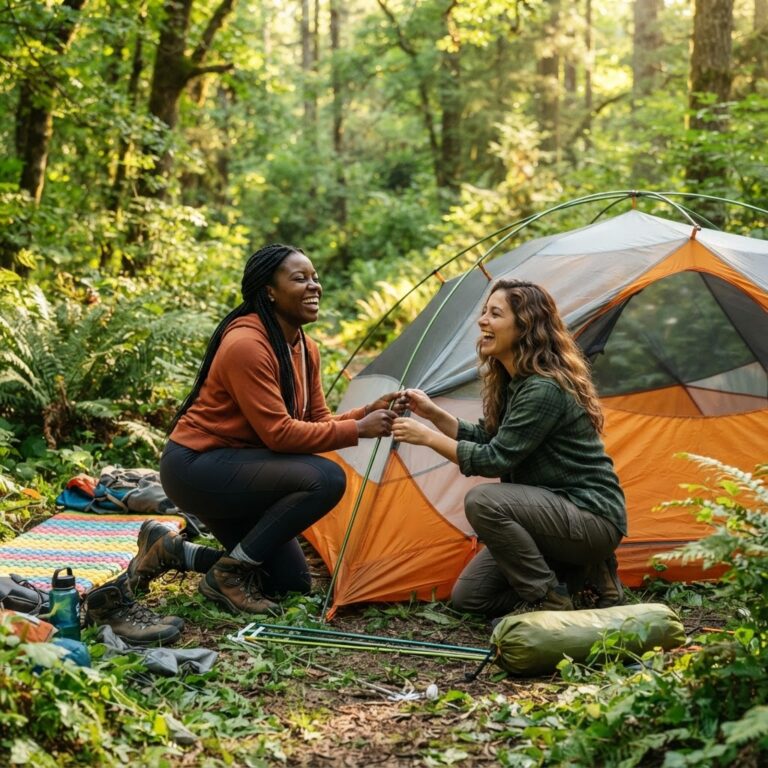
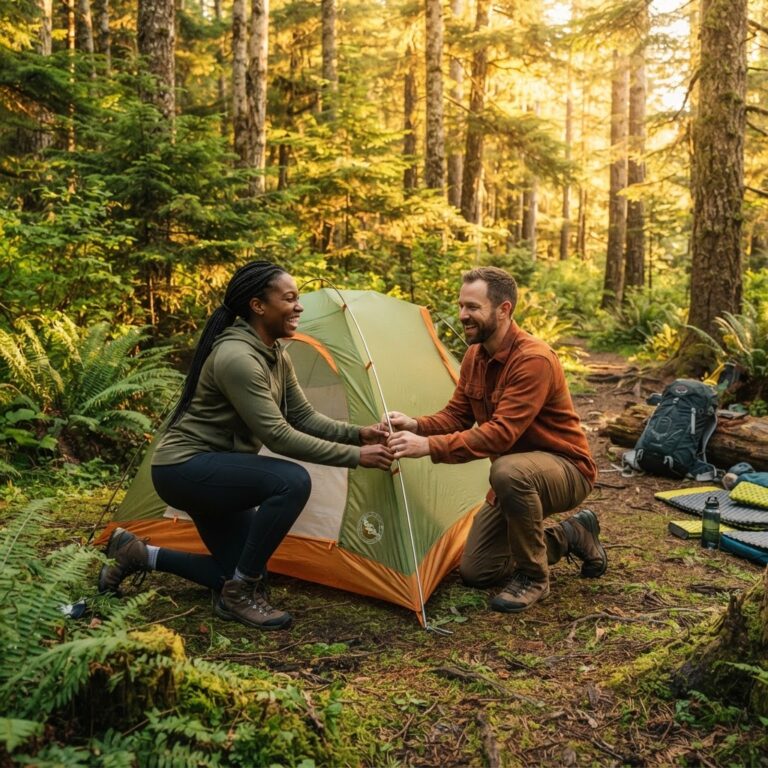
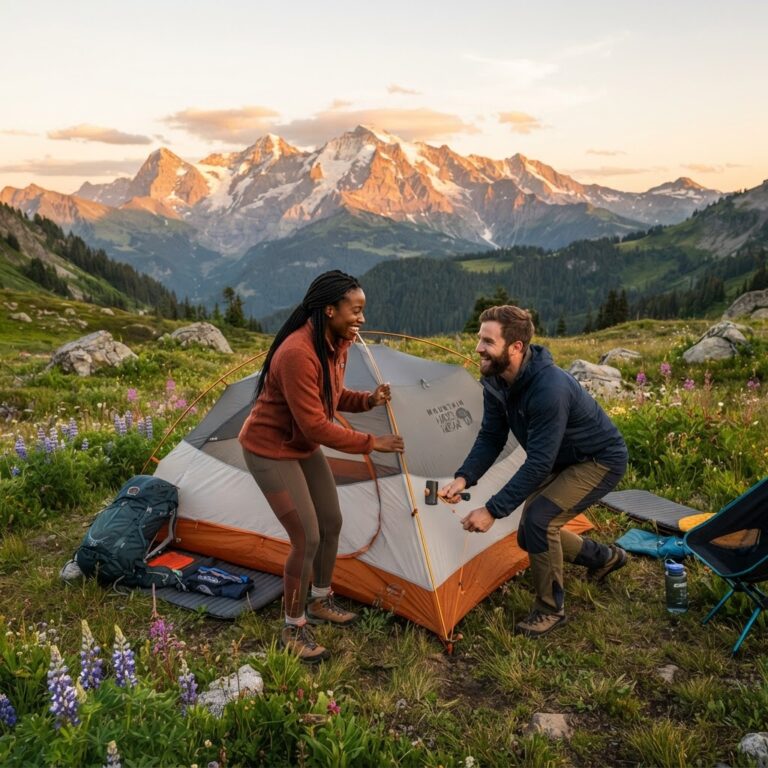
Choosing a tent is less about the fanciest features and more about matching capacity, season rating, and ease of use to your trip length and comfort needs. For two people sharing gear, a three person tent often gives useful space for packs and shoes. For solo trips consider a tent that balances weight and interior space. Season ratings matter, so if you plan shoulder season trips aim for a tent that can handle wind and a moderate amount of precipitation. Tent pitching practice matters as much as the tent itself. Set your tent up once at home to check for missing parts and to practice staking and tensioning, because the first time you pitch in a lashing rain is not the time for surprises.
When selecting your site, look for level ground, a slight incline for drainage, and a surface that is free of roots and rocks for comfortable sleeping. If you are unfamiliar with tent setup basics, these tips pair well with practical tent camping techniques found in guides focused on tent camping. If you plan long hikes into remote areas, consider reading focused advice about backpacking gear and packing strategies to match your tent choice, for example this guide to backpacking essentials offers helpful ideas for prioritizing weight and comfort https://www.camprambler.com/10-best-tips-for-enjoying-your-next-backpacking-adventure-trips-9/.
Understanding the Leave No Trace Principles
Leave No Trace is not just a slogan, it is an operating system for outdoor ethics. The core ideas are simple, and when you apply them consistently you reduce impact while improving your experience and the experience of others. These principles include choosing durable surfaces to camp, packing out all waste, minimizing campfire impacts, respecting wildlife, and leaving natural objects where you find them. Practicing these behaviors protects the areas you love, and they are especially important for entrepreneurs and content creators who may bring clients or followers into natural settings.
Practically speaking, identify established campsites where possible, avoid trampling vegetation when setting up tents or walking, and use a stove rather than an open fire when regulations limit burning. Preparing for waste management before you leave home, such as bringing resealable bags for trash and planning for human waste protocols in backcountry situations, saves time and stress. For more on ethical camping and remote site selection consider examples from state specific guides that include Leave No Trace friendly suggestions, like remote location write ups that highlight respectful camping areas https://www.camprambler.com/hidden-gems-best-off-the-beaten-path-camping-in-arkansas-locations/.
Mastering Campcraft and Safety
Campcraft is the set of hands on skills that turn gear into a functional camp. This section focuses on building a safe, efficient camp with strong emphasis on fire safety, gear organization, and weatherproofing. You will learn practical tricks for starting and sustaining a fire responsibly, organizing your supplies so meals and emergencies are easy to manage, and prepping the camp to handle sudden weather shifts. These are the skills that keep your trip relaxing rather than reactive.
Fire Starting Techniques for Beginners
Fire is a core camping skill, but it comes with responsibility. Start by choosing a legal and appropriate location, typically a designated fire ring or a cleared area. Gather fuel in three sizes, tinder for ignition, small kindling to grow the flame, and larger fuel for sustained heat, and keep dry materials protected from dew and rain. Learn one reliable method for starting a fire, practice it at home, and always have backup ignition sources stored in dry containers. Lighting a small cooking fire and learning to control air flow by arranging fuel thoughtfully will keep flames efficient and reduce smoke.
Fire safety also includes managing embers and fully extinguishing the fire before leaving camp. Douse with water until all hissing stops, stir the ash, and douse again until cool to the touch. If a fire ban is in effect, use a camp stove. Stoves are standard for low impact cooking and are often required in sensitive areas. These approaches are part of a broader wilderness survival toolkit that includes shelter, water treatment, and signaling, topics that intersect with longer survival guides for tougher environments like cold weather trips https://www.camprambler.com/camping-in-alaska-survival-tips-and-wilderness-preparation-strategies/.
Weatherproofing Your Campsite
Bad weather is one of the most common trip killers, and you can avoid most of it with smart site selection and a few prep steps. Position your tent perpendicular to prevailing winds when possible, and choose a sheltered spot behind a natural windbreak if conditions are rough. Use a footprint or tarp under your tent to protect the floor and stop rising ground water. Guy lines and proper stake placement add tension so rain sheds cleanly rather than pooling. For heavy rain, create a simple diversion trench uphill from your tent to redirect water if the ground slopes toward your site.
Clothing layers and a dry bag system for electronics and sensitive gear will keep you comfortable and operational when storms pass through. Organize your camp with zones, a cooking area downwind from the tent entrance, and a clearly defined storage area for food to reduce wildlife encounters. Combining basic weather planning, an understanding of local forecast patterns, and practical site adjustments will keep your group focused on enjoying the trip and not chasing comfort problems.
Comparing Camping Styles and Equipment
Choosing the right style of camping is like choosing the right marketing channel. Each style has strengths and tradeoffs, and the smart choice matches your goals and constraints. This section compares ultralight approaches to traditional setups and clarifies how car camping differs from backpacking in terms of gear essentials and priorities. The goal is to help you select the setup that fits your schedule, fitness level, budget, and the kind of experience you want to deliver to clients, colleagues, or yourself.
Ultralight vs. Traditional Camping Gear
Ultralight camping focuses on shedding unnecessary weight so you move faster and farther. That means lighter fabrics, multi use items, and tight gear lists. The pay off is mobility, the cost is less creature comfort and often higher initial investment for premium lightweight materials. Traditional gear prioritizes durability and comfort, with larger tents, heavier sleeping pads, and more robust cooking setups. It is more forgiving for mixed skill groups and people who value an easy evening after a day of activity.
To decide which approach is appropriate, ask how many miles you plan to hike each day, how important sleeping comfort is for your recovery, and whether you will be carrying shared gear in a group. Entrepreneurs and busy professionals often benefit from a hybrid approach. Bringing a compact, comfortable sleeping system paired with pared down cooking gear gives a better night of sleep without taxing your energy during transit or set up.
Car Camping vs. Backpacking Needs
Car camping is logistic friendly. You pack the vehicle and set up camp close to your car which lets you bring more food, a larger tent, coolers, and extra gear for client events or photo shoots. Backpacking requires compact, efficient packing and prioritizes multi use items, water treatment systems, and clothing layered for variable conditions. Your decision should reflect how much you want to carry and how mobile the trip needs to be.
For those who regularly host marketing retreats or client outings, car camping lets you bring equipment to support presentations, warm meals, and group comfort. For solo reflection or team building that emphasizes challenge and simplicity, a backpacking trip teaches focus, planning, and resilience. If you want a targeted checklist for tent based camping techniques, there are practical guides that lay out the best tips for tent camping specifically, which can help when planning base camp setups https://www.camprambler.com/10-best-tips-and-tricks-to-follow-when-tent-camping-10/.
Pro tip: Practice pitching your tent, boiling water, and lighting a stove at home in the backyard. The fewer surprises in the field, the more you can focus on the experience and the connections that brought you outside.
Frequently Asked Questions
What is the most important piece of camping gear for beginners?
The most important piece of camping gear for beginners is a reliable shelter. A tent that is easy to pitch, has solid weather protection, and fits your group size will protect you from the elements and set the tone for every other part of the trip. Pair the tent with a comfortable sleeping pad and an appropriate sleeping bag or quilt for your expected temperatures, because good sleep is the single biggest multiplier for an enjoyable outdoor experience.
How do I choose a safe location to set up my tent?
Choose a level area that is not in a drainage path, clear of loose rocks and roots, and ideally slightly elevated so water runs away from your tent. Look for natural windbreaks like a stand of trees, but avoid camping directly under dead limbs or in areas with signs of recent animal activity. Respect Leave No Trace by using established sites when possible and by avoiding fragile vegetation. Finally, check local regulations and fire restrictions, and consider proximity to water for access without camping too close to the shoreline.
What should I do if it rains while camping?
If it rains while camping, first ensure your tent fly and seams are secure and the vestibule is closed to keep your gear dry. Move cooking and electronics into waterproof bags, and use a tarp or canopy to create a dry cooking area if needed. For heavy rain consider diverting runoff away from your tent using shallow trenches uphill from the site. Stay warm and dry by layering clothing, change into dry layers before sleeping, and if conditions become unsafe consider relocating or cutting the trip short. Practicing wet weather setups at home reduces stress when storms arrive on the trail.
Final Thoughts
Mastering essential camping skills is about preparing smart, practicing key techniques like tent pitching and fire safety, and choosing the right gear and style for your goals. With these foundations you can turn occasional escapes into reliable, restorative trips that recharge your creativity and focus.