
TL;DR:
- Prepare a detailed itinerary, carry reliable navigation and a Personal Locator Beacon, and practice Leave No Trace Principles to minimize risk and impact.
- Choose gear that balances Ultralight Backpacking principles with protection for high winds and cold, including a four season shelter and layered sleep system.
- Match your gear configuration to terrain and season by weighing weight versus durability, and rehearse emergency scenarios before you leave.
There is a profound sense of accomplishment in navigating the Mountain Wilderness entirely on your own terms, away from the noise of the digital world. If you are moving from group trips to solo expeditions, mastering solo camping in the mountains requires practical planning, targeted skills, and equipment choices that support self reliance and safety.
This guide delivers the tactical foundation you need to plan, equip, and execute a solo mountain camping trip with confidence. It draws on Ultralight Backpacking concepts where appropriate, while respecting the realities of high altitude and volatile weather common to High Altitude Mountaineering style routes.
Table of Contents
- Strategic Wilderness Preparation and Safety Protocols
- Optimizing Gear for Solo Alpine Environments
- Comparative Analysis of Solo Camping Gear Configurations
- Frequently Asked Questions
- Final Thoughts
Strategic Wilderness Preparation and Safety Protocols for Solo Camping in the Mountains
The non negotiable planning steps for solo camping in the mountains begin long before you shoulder your pack. Mountains change faster than planned itineraries, and small mistakes can escalate when you are alone. This section lays out the essential planning checklist, how to build redundancy into communication and navigation, and key safety protocols to reduce risk while maximizing your independence.
Developing a Comprehensive Trip Itinerary
A clear itinerary is your first line of defense. Outline daily mileage, expected campsites, bailout routes, and weather windows. Share this plan with a trusted contact and set explicit check in times. Your plan should include contingency days and clear exit points, not just optimistic push days. Use realistic pace estimates based on elevation gain, terrain type, and pack weight, then trim objectives until they feel conservative rather than aspirational.
Include these elements in every itinerary, even for short trips. First, a route description with waypoints and estimated times. Second, emergency exit options so a single injury or sudden storm does not leave you stranded. Third, supply notes that list resupply points if applicable, fuel and food calculations, and water sources with seasonal reliability. Finally, prepare and rehearse your plan by doing day checks or shorter overnight trips that simulate the conditions you expect to face. For a refresher on essential skills that support solo trips, reviewing a general skills primer can close knowledge gaps. See this primer on essential camping skills for practical drills and checklists at How To Master Essential Camping Skills For Your Next Outdoor Adventure.
Essential Navigation and Communication Tools
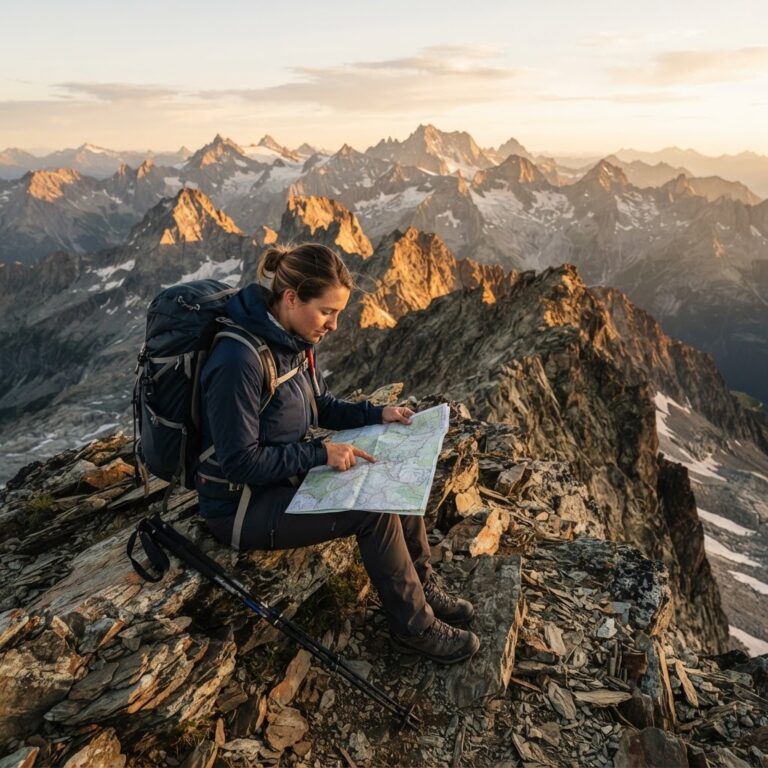
Your navigation system should be redundant. Combine a paper map and compass, a GPS device with topographic maps, and a knowledge of map reading. Batteries fail and devices break. Practicing navigation without electronics is not optional. When you are alone, simple mistakes compound, so rehearse route finding, pace counting, and backtracking before committing to remote terrain.
For communication, a Personal Locator Beacon is a core piece of solo camping kit in the mountains. It provides a direct emergency line when cell coverage is absent. Pair this device with a satellite messaging device for non emergency check ins. Make sure whichever device you carry is registered and that you understand the activation protocol. Also plan for a communication redundancy by leaving a written itinerary with someone who knows local emergency contacts and terrain context.
In high country, weather can become a safety issue rapidly. Monitor forecasts, but plan for surprises by identifying sheltered campsites and bailout routes. Train to recognize signs of hypothermia and acute mountain sickness and practice simple response drills. For deeper wilderness survival techniques that apply to remote and cold environments, consult region specific guides such as survival advice used for camping in remote northern ranges at Camping in Alaska: Survival Tips and Wilderness Preparation Strategies.
Optimizing Gear for Solo Alpine Environments
Equipment decisions for solo camping in the mountains revolve around three priorities. First, protection from cold, wind, and precipitation. Second, weight, because every ounce affects your mobility. Third, reliability, because you will not have immediate help if critical gear fails. This section covers choosing shelters built for high wind and cold and systems for efficient cooking and water treatment that reduce time and energy spent at camp.
Selecting Shelter for High Winds and Cold
When you choose a shelter, think in terms of expected worst case conditions rather than temperate comfort. Shelters designed for high wind and snow load are typically heavier, but they provide a margin of safety. Evaluate shelter geometry that sheds wind and offers solid anchoring options. Practice pitching in a variety of settings so you can set up quickly in a wind protected location or on exposed terrain.
If Ultralight Backpacking is a goal, choose shelter components that allow modular upgrades. For example use a lighter tent or tarp for fair weather trips and swap to a four season shelter when conditions demand it. Maintain a small repair kit and learn quick repair techniques so minor damage does not become a trip ender. Packing a shelter footprint and learning about snow anchoring techniques are also part of a good shelter strategy.
Energy Efficient Cooking and Water Systems
Cooking and water are two areas where weight savings must be balanced against reliability. A compact cooking system that boils water fast reduces fuel consumption, and stoves or methods that perform well at altitude are essential. High altitude decreases boiling efficiency, so test your cooking setup in comparable elevation or adjust fuel loads accordingly. Consider freeze dried meals or dry mixes that rehydrate with minimal fuel use, and practice portion control to avoid excess weight.
Water planning is equally important. Identify reliable water sources in your itinerary and carry a primary treatment method with a backup. If you plan to melt snow or ice in winter, confirm that your fuel is sufficient for the energy heavy task of melting. In all conditions, use simple water management strategies, such as filtering before treating and filtering at camp to avoid exhausting yourself with unnecessary trips to water sources.
Comparative Analysis of Solo Camping Gear Configurations
Choosing between a fast and light configuration and a robust high altitude setup is often the most consequential decision you will make before a solo mountain trip. This section helps you compare trade offs using real world examples and offers a framework to choose the right setup for your terrain, season, and personal tolerance for risk.
Weight versus Durability Trade offs
Ultralight Backpacking principles prioritize mobility and reduced fatigue. When advancing on technical approaches or long ridge traverses, lighter packs increase speed and reduce exposure time. However, sacrifices in durability can leave you exposed if weather intensifies. For example, a light shelter that performs well in fair weather can fail under sustained wind. Think about how long you would be exposed if a component fails, and whether you can comfortably tolerate the consequences.
One useful way to decide is to score your route on three axes, then choose gear that matches the highest scoring axis. Those axes are weather severity probability, rescue difficulty, and remoteness. If any axis scores high, bias toward durability and redundancy. If all three are low and you are moving fast on established trails, light setups can deliver better experience and safety through faster passages.
Environmental Suitability for Alpine Zones
Terrain imposes constraints. Technical alpine approaches with exposure and objective hazard require gear that supports secure anchors and quick shelter setup. Snow and glacier travel require extra equipment and knowledge, and your sleep system must account for conductive heat loss when camping on snow. Conversely, late season summer routes with stable weather allow more Ultralight Backpacking techniques, but always have a contingency plan for sudden storms.
Respect Leave No Trace Principles when selecting and using gear. For example select stove and fuel combinations that minimize ground impact and use established campsites to reduce vegetation damage. Your ethic has a practical side. Lighter gear that requires more site modification may conflict with Leave No Trace Principles, so choose setups that align with both your environmental ethic and safety needs.
Pro tip: Run a full kit shakedown trip close to home. Carry everything you plan for the main trip, then sleep in the same setup. Practice pitching, cooking, and emergency procedures until they are routine. This rehearsal reveals missing items and builds the confident decision making you need solo.
Frequently Asked Questions
What is the most important safety device to carry when camping solo in the mountains?
The most important safety device is a registered Personal Locator Beacon. It provides a direct emergency signal to search and rescue when cell coverage is unavailable. Carry it along with a secondary communication method for non emergency contact, and always have a paper map and compass as the navigation backup. Devices are only effective if you know how to use them, so practice before you leave.
How can I manage psychological loneliness during a solo mountain trip?
Loneliness is a real factor. Structure your days with achievable objectives such as breaking the route into manageable segments, rotating tasks, and maintaining a routine for meals and rest. Use journaling or voice memos to process thoughts, and establish scheduled check ins via a satellite messaging device to maintain emotional contact. Training and short solo trips build emotional resilience, and a rehearsal trip can reveal what helps you stay focused and connected.
What should I do if the weather conditions change unexpectedly while I am alone?
First, stop and assess. Move to shelter if wind or lightning makes travel dangerous. Reduce exposure by staying low in wind protected terrain and avoid ridgelines during storms. If you must travel, use conservative navigation and leave a note at your last known waypoint if you can do so safely. Monitor conditions, conserve energy, and execute your contingency plan from the itinerary. If conditions become life threatening, activate your Personal Locator Beacon immediately.
Final Thoughts
Solo camping in the mountains rewards careful preparation and measured risk taking. Use the planning and gear strategies in this guide to build self reliance, practice critical skills, and enjoy the deep satisfaction of a successful solo expedition.