
TL;DR:
- For true solitude, explore dispersed camping in the Ozark National Forest and along lesser used Buffalo National River tributaries.
- Pack gear suited for humid summers and variable springs, including a breathable tent, reliable water filtration, and layered clothing.
- Know the rules, follow Leave No Trace Principles, and choose the right camping style for your skill level, whether a developed state park site or a backcountry pack in.
If you are tired of campgrounds where you can hear your neighbor snoring through their tent wall, you are in luck. Arkansas is filled with hidden nooks and crannies that offer true solitude for those willing to drive just a little bit further off the paved road.
This guide is for people who love to camp while traveling and want to find the best off the beaten path camping in Arkansas spots. I will walk you through how to find remote sites, what gear to bring for the state s humid forests and mountains, and how to choose between state parks, forest dispersed sites, and river side backcountry camps.
Table of Contents
- Seeking Solitude: Finding Your Remote Campsite
- Essential Gear for camping in Arkansas Wilderness Trips
- Compare Your Arkansas Camping Options
- Frequently Asked Questions
- Final Thoughts
Seeking Solitude: Finding Your Remote Campsite
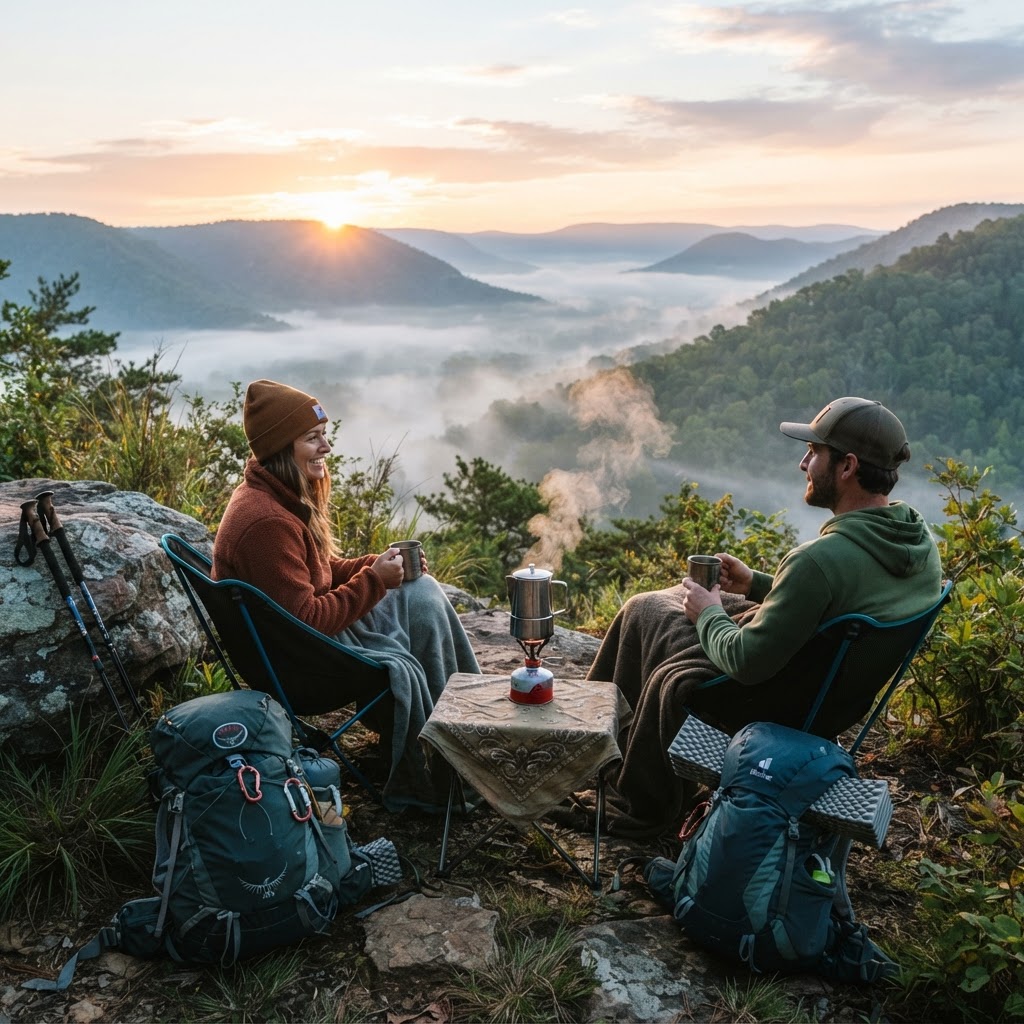
If you want quiet nights and a sky full of stars, aim for places most day trippers bypass. The Natural State gives you mountains, rivers, and dense forest that soak up sound. With a little planning you can move beyond busy campsites and into the small pockets where wildlife is the only background noise.
Benefits of dispersed camping in the Ozarks
Dispersed camping, legally allowed in many parts of the Ozark National Forest and other public lands, means you pick a site away from established campgrounds. The top benefit is space, plain and simple. You are not boxed into numbered pads, you choose a spot with a view, and you often have privacy that developed campgrounds cannot match. In spring and fall you will find years old pines and sandstone bluffs that feel like your own private park.
Beyond solitude, dispersed camping lets you wake to bird song instead of generators. It also gives you flexibility. Want to stay near a creek one night and move into higher country the next, you can. That flexibility comes with responsibility. You must follow Leave No Trace Principles, pack out your trash, and use existing fire rings if fires are allowed. Popular dispersed zones near the Buffalo National River and remote drainages in the Ouachita Mountains reward campers who plan responsibly.
Reading topographical maps to find secluded spots
Topographical maps are your best friend for finding quiet campsites. Look for subtle clues. Contour lines that spread apart mean flatter ground for tents. Little dashed lines or faint roads often mark two track access. Creeks and springs give water and a soothing soundtrack, and saddles between ridges offer sheltered, wind protected spots. Avoid steep draw bottoms that flood.
Spend time layering a paper topo with satellite views. Satellite images show clearings and meadows that might not be obvious from contour lines. Also check trail maps for official use and look at recent trip reports online to confirm access. A slow approach down a gravel road can take you into places where there will be only one or two other people for miles, especially off the beaten path near the Buffalo National River or tucked into remote pockets of the Ozark National Forest.
Essential Gear for camping in Arkansas Wilderness Trips
Arkansas throws everything at you. You can climb in morning fog in the Ouachita Mountains and sweat in the lowlands by afternoon. Humidity, ticks, sudden storms, and varied terrain all matter when you pack. The right gear keeps you comfortable and safe, and helps you leave the land as you found it.
Choosing the right tent for humid climates
In humid conditions the most important tent features are ventilation and waterproof seams. Pick a shelter with large mesh panels you can open for airflow on warm nights, and a rainfly you can tension away from the body of the tent to promote cross breeze and reduce condensation. A footprint helps keep the tent floor dry and reduces wear on wet ground.
Set your tent on well drained ground, ideally a small rise or a spot under a canopy that sheds water. Never camp in obvious drainage channels, even if they look dry. In Arkansas storms can swell creek beds fast. Finally, pitch with short guy lines to secure the fly in sudden winds, and tarp your cooking area to keep gear dry without leaving a permanent mark on the landscape.
Water filtration and supply strategies for the backcountry
Water is abundant in many Arkansas wild places, but raw stream water carries bacteria and parasites. Bring a reliable filter system for backcountry travel. Know the flow patterns of the watershed you camp in. Springs near rock outcrops tend to be cleaner than shallow pools near beaver activity. Carry a spare purification method, such as chemical treatment, and always store filtered water in sturdy containers that are easy to hang or stash back at camp.
Plan water resupply points before you set out. If you are dispersed camping in the Ozark National Forest you might be able to refill at designated springs, but bring extra capacity when traveling long distances or when drought reduces flows. Treat and taste, and filter on demand rather than hauling unnecessary weight when flows are reliable.
Compare Your Arkansas Camping Options
Picking the right type of camping depends on your comfort level and how far you want to go from services. Arkansas offers a spectrum from well managed state park campgrounds with flush toilets to remote spots along the Buffalo National River where you carry everything in and out.
When to choose a developed state park
Choose a developed Arkansas state parks campground when you want a predictable experience. State parks are great for families, for people scouting a longer trip, or when severe weather is in the forecast. Parking areas, established fire rings, and restrooms make logistics easier. If you want a mix of convenience and access to trails, look at lesser known state parks around the Ouachita Mountains rather than the busiest lakeside parks.
Developed campgrounds can still feel quiet if you book midweek or visit shoulder seasons. They are a good training ground if you are building skills for dispersed camping. For more planning and tips about camping in Arkansas generally, check this comprehensive Camping in Arkansas: The Ultimate Guide to the Natural State, which covers seasons, permit basics, and top parks to start from.
How to prepare for primitive forest service land
Primitive forest land means limited signage and no services. If you plan dispersed camping in the Ozark National Forest or remote pockets of the Ouachita Mountains, carry map and compass skills, a lightweight water filtration system, and bear proof food storage options when necessary. Make a plan for emergency exit and leave a trip itinerary with someone you trust.
Practice small skills before you go, like pitching a tent in high humidity, filtering water from a flowing creek, and reading a map under overcast conditions. If you want to develop those skills, the article on how to master core camping skills is a good supplement to hands on practice. See this practical guide to improving camp craft at How To Master Essential Camping Skills For Your Next Adventure.
Pro tip: When scouting a dispersed site, look for the smallest foot print near an existing fire ring, and set up on durable surfaces like rock, gravel, or dry grass to leave the site looking natural for the next visitor.
Frequently Asked Questions
Do I need a permit for dispersed camping in Arkansas National Forests?
In most places dispersed camping on national forest land in Arkansas does not require a permit for short stays, but rules vary by district and by season. Some areas impose limits on the number of consecutive nights at a single site, or on group size. Check with the local forest service district before you go. For river corridors like the Buffalo National River there can be specific regulations about camping distances from water, campsites per use area, and fire restrictions. Always contact the managing office for the most current rules.
What is the best time of year to go camping in Arkansas to avoid ticks and humidity?
Late October through early April tends to be drier and cooler, which reduces tick activity and humidity related discomfort. Spring is beautiful, but it brings spores and ticks out earlier and higher humidity. Summer is lush but can be hot and humid, which increases insect activity and the chance of afternoon storms. Travel in shoulder seasons when possible for cooler nights and fewer insects, and always wear treated clothing or permethrin treated gear to reduce tick risk.
Are there bears in Arkansas and how should I store my food while camping?
Yes, black bears live in parts of Arkansas, particularly in remote areas of the Ozark National Forest and the Ouachita Mountains. Bears are generally timid, but they will investigate food smells. Use bear resistant containers where required, hang food high and away from camp when there is no container, and store coolers in your vehicle when possible. Cook and store food at least 100 feet away from your sleeping area, and never leave food unattended. Following these precautions reduces unwanted wildlife encounters and protects animals from becoming habituated to human food.
Final Thoughts
Hidden camping spots in Arkansas reward curiosity and careful planning. Respect the land, pack the right gear, and apply Leave No Trace Principles to keep these places peaceful for everyone who follows.
