
TL;DR:
- Pick a campsite with good drainage, natural wind protection, and minimal impact, then pitch your tent on level ground for comfort and safety.
- Organize inside your tent with zones, choose sleeping systems by Sleeping pad R-value, and use a properly tensioned rainfly for weatherproofing.
- Match gear to your camping style, learn basic outdoor wilderness safety skills, and follow Leave No Trace principles to protect the places you love.
Imagine waking up to the smell of fresh pine and birdsong instead of your alarm clock; that is the magic of a perfectly executed camping trip. By mastering a few key tent camping tips and tricks, you can trade the chaos of daily life for seamless outdoor relaxation.
Whether you are headed out for a weekend recharge or planning a longer expedition, combining smart campsite selection, efficient gear management, and reliable outdoor survival skills will keep you comfortable and safe. This guide is written like a knowledgeable friend walking you through practical methods and real world analogies so you can act with confidence on your next trip.
Table of Contents
- Foundational Skills for a Seamless Setup
- Optimizing Comfort and Gear Management
- Comparing Camping Styles and Equipment Essentials
- Frequently Asked Questions
- Final Thoughts
Foundational Skills for a Seamless Setup, tent camping tips and tricks
Start strong and the rest of the trip follows. When it comes to tent camping tips and tricks, the single biggest multiplier for comfort and safety is your choice of campsite and the quality of your pitch. Think of the campsite like the foundation of a house. A good foundation makes everything else easier to manage and prevents costly mistakes later.
Strategic campsite selection criteria
Choose a campsite by evaluating five practical factors: drainage, exposure, ground surface, proximity to resources, and impact. Prioritize campsites with visible natural drainage routes and avoid low lying spots where water pools. Also look for natural wind breaks such as stands of trees or rock formations, but avoid camping directly under large dead branches.
Campsite drainage is crucial. Even light rain can turn a flat low spot into a swampy tent pad overnight. If you cannot find perfectly level ground, pick slightly elevated ground where water will flow away. Consider the microclimate, too. A patch of pine needles can be warmer and softer than exposed rock. Keep the Leave No Trace principles in mind by using established sites when possible, and minimizing your footprint by avoiding fragile vegetation.
For those new to outdoor planning, a useful analogy is scouting a studio for a shoot. You look at light, power, and noise. For camping, substitute those with sunlight and warmth, access to water if needed, and distance from trails to balance privacy with safety.
The art of the perfect pitch
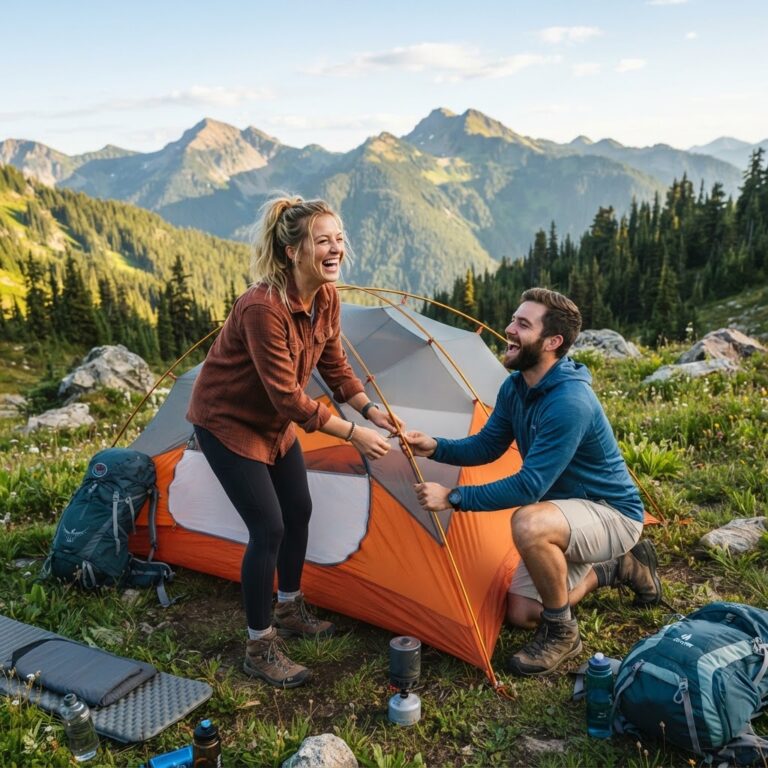
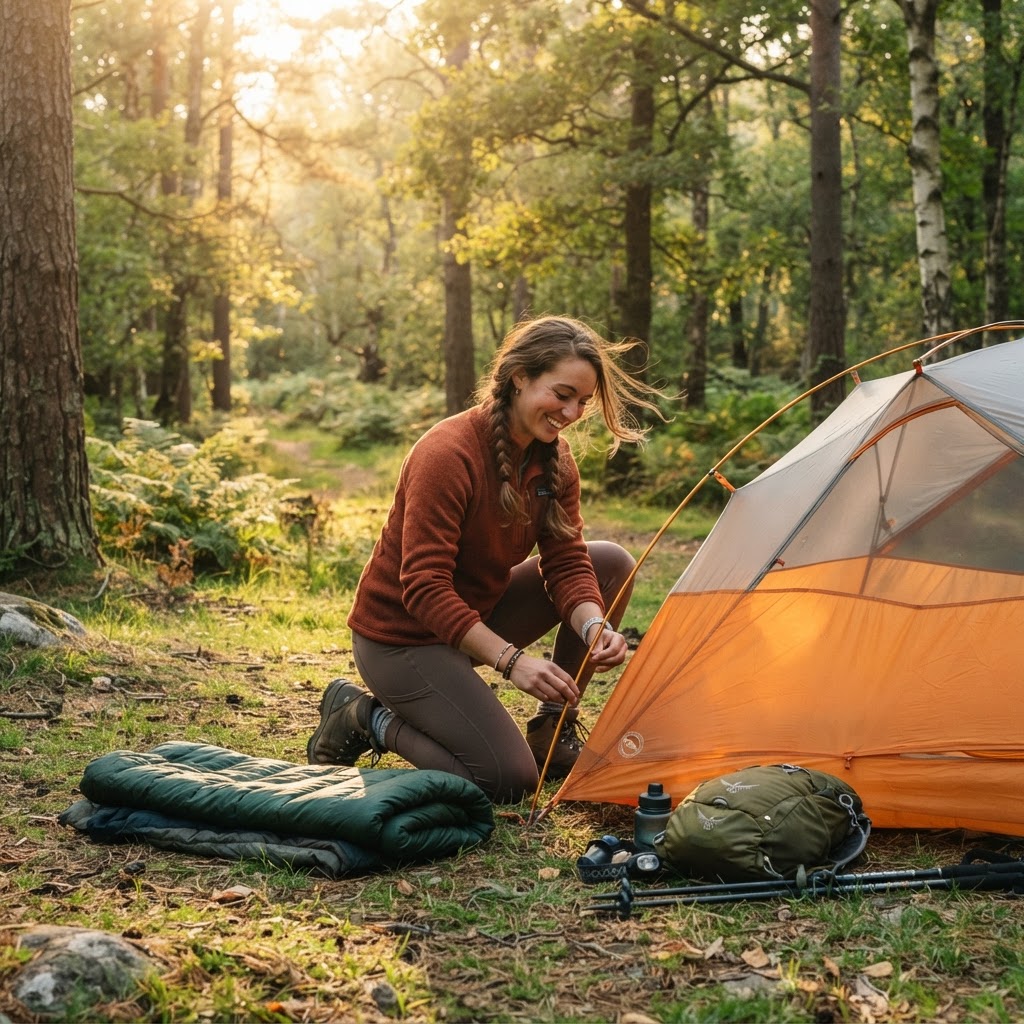
Pitching your tent well is both technical and tactile. Start by leveling your area and clearing sharp objects. Lay a groundsheet that is slightly smaller than your tent floor to prevent water from collecting between the tarp and the tent base. Stake the tent corners first, then tension the rainfly, and finally guy out lines to create a stable aerodynamic shape.
Rainfly functionality is more than coverage. A properly tensioned rainfly creates an air gap between the tent canopy and the fly, which improves ventilation and reduces condensation inside. In windy conditions, face the narrowest side of your tent into the wind and lower the profile by tightening guylines. Practice pitching at home once, and you will save time and stress at camp.
If you want to deepen your skills beyond the basics, consider reading a practical guide on how to master essential camping skills to expand your competence in navigation and shelter techniques. For solo-focused strategies and the mindset of self reliance, check out a deep dive on solo mountain camping for more advanced preparation and safety practices.
How To Master Essential Camping Skills For Your Next Outdoor Adventure
Mastering Solo Camping in the Mountains: A Guide to Self-Reliance
Optimizing Comfort and Gear Management
Comfort is a strategy not a luxury. With intentional organization and the right sleeping system, you can sleep better, move faster, and enjoy more productive days outside. This section covers internal tent organization, sleeping system choices, and weatherproofing tactics you can deploy in minutes.
Internal organization and sleeping systems
Inside your tent, create functional zones. Reserve a dry zone for your sleeping system, a gear zone for packs and shoes, and a utilities zone for items you use at night such as a headlamp, water bottle, and first aid kit. Use small stuff sacks or mesh organizers to keep items visible and accessible. Treat the interior like a tiny office where everything has a place.
Sleeping systems are where science meets comfort. The Sleeping pad R-value tells you how much thermal resistance a pad provides. For three season camping aim for a pad with an R-value that matches expected nighttime temperatures. Add an insulated sleeping pad or a closed cell foam layer in colder conditions to reduce heat loss to the ground. Match your sleeping bag rating to the expected lows while allowing for some margin for comfort.
Weatherproofing your tent environment
Weatherproofing combines prevention and adaptation. A solid rainfly application and properly sealed seams keep rain out. Set up a small vestibule or tarp for wet gear and cooking if allowed. Know how to ventilate your tent to minimize condensation. In cool wet weather open vents or unzip a small section of the rainfly while keeping the sleeping area covered.
In heavy rain, raise stakes slightly and increase tension on the rainfly to shed water quickly. If wind is expected, orient the tent and tension lines for aerodynamic stability. Backup tarp solutions can be useful to create a shaded communal space or to deflect splash off nearby slopes. All these methods also align with Leave No Trace principles when you avoid altering the site and instead rely on portable, reversible protection.
Comparing Camping Styles and Equipment Essentials
Not every trip requires the same approach. Choosing gear and mindset depends on whether you are car camping, backpacking, or planning a lightweight basecamp. Think of camping styles as project scopes. A weekend promotional event needs a different kit than a full product launch. Match your gear to the scale of the operation for efficiency and enjoyment.
Choosing between car camping and backpacking gear
Car camping lets you bring bulk and creature comforts because transport is easy. You can prioritize comfort items such as thicker sleeping pads, larger cook systems, and a larger shelter. Backpacking demands weight discipline. Equipment needs to be compact, multifunctional, and durable. Evaluate each item by the utility per ounce to trim unnecessary weight. The decision is often a tradeoff between convenience and mobility.
When comparing these styles, consider outdoor wilderness safety. In remote backpacking, redundancies and lightweight emergency gear become essential. For car camping, you can carry more redundancy but also should plan for unexpected weather by securing a robust rainfly and shelter system. If you want specific tips tailored to tent camping alone, this set of practical tactics provides a concentrated checklist of proven methods and tricks for many situations.
Essential multi-purpose tools for any trip
Multi purpose tools and simple systems reduce load and complexity. A single compact tool that functions as a knife, light, and repair kit will be used more than a full toolbox. Bring reliable methods to repair tent fabric, patch sleeping pads, and secure guylines. Learn basic knots and quick repair techniques that keep a trip on track.
Finally, invest time in learning basic outdoor wilderness safety skills such as route finding, identifying safe water sources, and treating minor injuries. These skills often have a bigger return on comfort and safety than a high end piece of gear. If you enjoy exploring different terrain, consider a focused resource on tent camping tips and tricks to strengthen your baseline knowledge for a variety of environments.
Essential multi-purpose tools for any trip
Because redundancy can be heavy, pick items that serve multiple roles. A lightweight tarp can become a dining fly, a rain shelter, or an emergency stretcher. Sewing kits, duct tape, and cordage support many unplanned fixes. Practice using these tools in your backyard so you are confident when a repair is needed at camp.
Pro tip: Treat packing like composing an ad. Every item should earn its place by driving a clear outcome. If it does not support shelter, warmth, food, or safety, consider leaving it behind.
Frequently Asked Questions
What is the most important factor when choosing a campsite?
The most important factor is safe, dry ground, which comes down to campsite drainage and exposure. Prioritize sites with visible natural drainage, slightly elevated ground, and natural wind protection. Also follow Leave No Trace principles by using established sites and avoiding fragile vegetation. Balancing drainage with proximity to water and privacy will give you comfort and reduce the chance of weather related problems.
How can I keep my tent dry during a rainstorm?
Keep your tent dry by pitching on higher ground, using a correctly sized groundsheet, and tensioning the rainfly properly to promote runoff. Guy out corners and vents to ensure airflow and reduce condensation. Store wet gear in the vestibule rather than inside the sleeping area. If heavy rain is expected, create a small diversion with rocks or a shallow trench outside the tent edge where permitted, but avoid altering the landscape when practicing Leave No Trace.
What are the must-have items for first-time tent campers?
Must-have items include a shelter with a rainfly, a sleeping system matched to conditions including a pad with the right Sleeping pad R-value, a reliable light source, a basic first aid kit, weather appropriate clothing, and tools for shelter repair. Also bring navigation basics and knowledge of outdoor wilderness safety. A small set of multi purpose gear will reduce complexity and help you adapt to changing conditions.
Final Thoughts
Tent camping can be as simple or sophisticated as you like. Focus on smart campsite selection, efficient comfort systems, and matching gear to your style, and you will unlock more restful nights and joyful days outdoors. Use these tent camping tips and tricks on your next trip to feel prepared and present in nature.