

TL;DR:
- Pack thoughtfully for solo camping in the mountains, prioritizing shelter, navigation, and a Personal Locator Beacon for emergency signaling.
- Build a robust trip plan, monitor high-altitude weather patterns, and practice Leave No Trace principles to protect yourself and the environment.
- Choose a setup that matches your goals, skill level, and terrain, balancing weight, comfort, and backcountry safety.
The mountains offer a unique brand of silence that you can only truly appreciate when you are on your own. If you are planning solo camping in the mountains, that silence becomes the backdrop for clarity and focus, but it also requires preparation that is practical and precise.
This guide translates field tested backcountry safety practices into actionable steps you can use to plan, pack, and execute a solo mountain trip. Think of it as a campaign brief for an important launch, where planning prevents waste and increases returns. Read on to learn the gear, safety protocols, and setup comparisons that will keep you safe and help you gain confidence for your next solitary trip.
Table of Contents
- Essential Gear for Solo Mountain Expeditions
- Prioritizing Safety When Camping Solo
- Comparison of Solo Camping Setups
- Frequently Asked Questions
- Final Thoughts
Essential Gear for Solo Mountain Expeditions, solo camping in the mountains
The most important investment for solo camping in the mountains is reliable, well thought out gear that supports self reliance. In high terrain, one decision can compound into a major problem, so this section starts with the items that reduce risk and increase independence. Early emphasis goes to shelter, sleep systems, navigation, and communication. These items deliver the largest safety return on weight and cost.
Lightweight Shelter and Sleep Systems
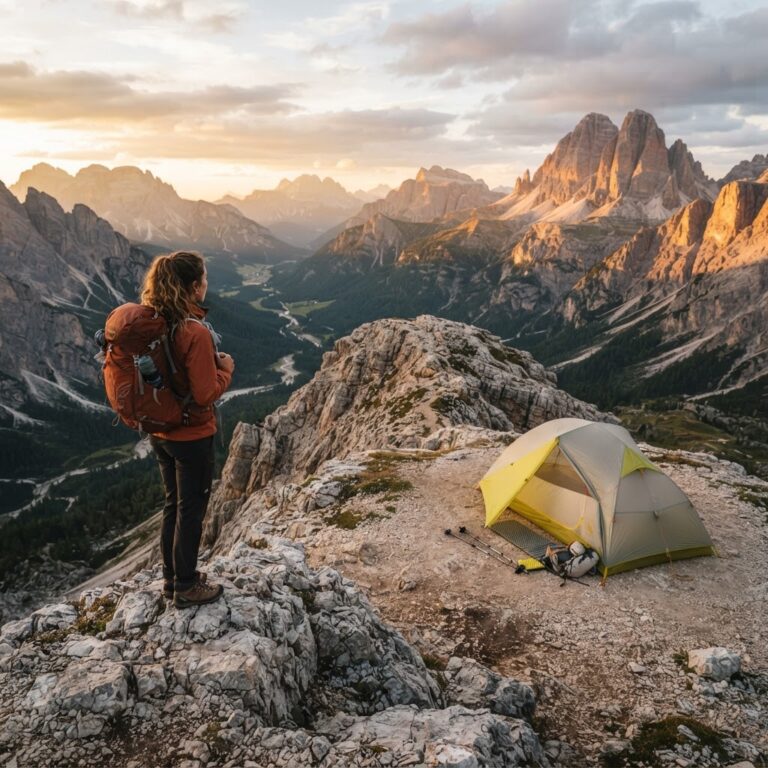
Choose a shelter and sleep system that balance weight, protection, and durability. At altitude you will face colder nights and stronger winds, so a shelter that sheds wind, allows ventilation, and packs small is ideal. A tent with a solid footprint and reliable stakes helps you sleep through strong gusts. Pair the shelter with an insulated sleeping pad and a sleeping bag rated to conditions you plan to encounter. Pay attention to insulation value more than advertised temperature numbers, especially at higher elevations where rapid temperature swings are common.
Think about redundancy. A ground cloth or lightweight bivy can add protection if stakes fail. For comfort and safety, prioritize a sleeping pad that insulates from the cold ground, and a sleep system that compresses to a manageable volume for solo transport. Treat these items as mission critical, much like a primary server for a digital product. Cut weight elsewhere before compromising the system that keeps you warm and dry.
Reliable Navigation and Communication Tools
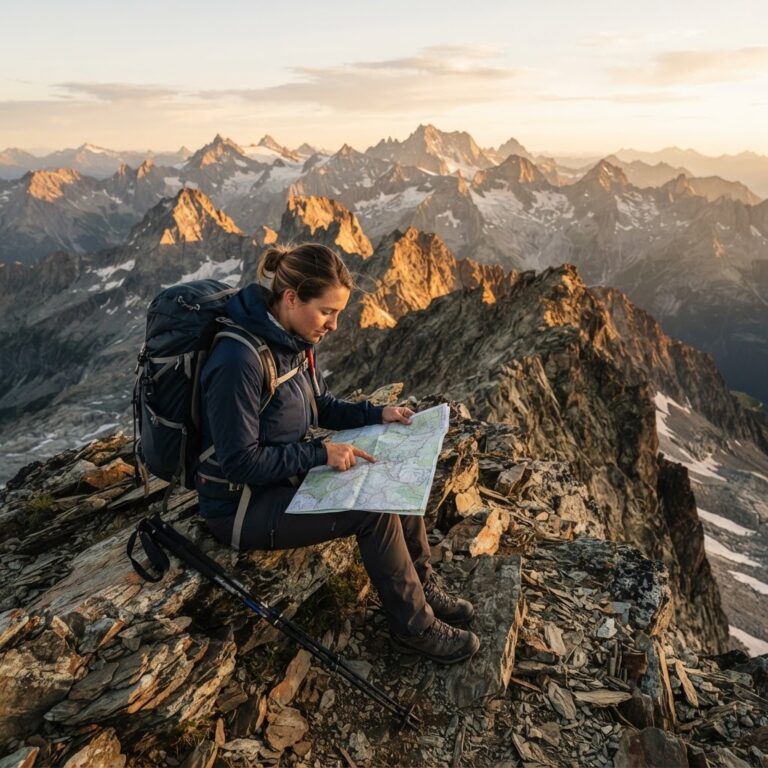
When you are alone, navigation and communication tools are your lifeline. Bring topographic maps of the region, and learn to read contours, water sources, and approach routes. A compass and the skills to use it remain vital. Electronic navigation devices add convenience, but they should not replace paper maps and a compass. Batteries fail. Electronics can get wet. Topographic maps and a practiced route plan will keep you oriented when devices do not.
For communication, carry a Personal Locator Beacon that can summon help when cell coverage is absent. Consider satellite messaging capability for check ins and non emergency communication. Practice using these devices before you go. Also include a reliable headlamp with spare batteries, a multi tool, and fire starting materials stored in waterproof containers. These are simple layers of redundancy that elevate backcountry safety and give you options when the unexpected happens.
Prioritizing Safety When Camping Solo
Safety is a mindset. When camping alone you must evaluate risk, build contingency plans, and practice decision making that errs on the side of turning back. This section covers trip planning, risk assessment, wildlife management, and how to interpret high altitude weather patterns so you can make sound choices in the field.
Developing a Robust Trip Plan
Start with a clear itinerary, including route, daily mileage goals, and planned campsites. Share this plan with a trusted contact and set specific check in times. Include contingencies for early exits, delays, and route changes. A detailed trip plan is the single best prevention for extended unplanned exposure and helps searchers if something goes wrong. Add emergency exit routes and note reliable water sources on your topographic maps.
Practice skills before you go. Navigation drills, knot tying, simple first aid, and efficient campsite setup should feel routine. Establish decision rules for common scenarios. For example, if weather reduces visibility below a set threshold, pivot to a conservative route. Treat these rules like playbooks for crisis management. They reduce hesitation and improve response speed when you are alone and conditions change.
Managing Wildlife and Weather Challenges
Wildlife and weather are two common causes of incidents in the mountains. For wildlife, store food away from camp using bear aware techniques where required, and follow Leave No Trace principles to minimize attractants. Keep a clean camp, cook away from your sleeping area, and pack out food waste. Understand the species in the region and their behavior to reduce surprise encounters.
High-altitude weather patterns can change quickly. Learn to read clouds, wind shifts, and temperature trends. Afternoon thunderstorms are common in many ranges, and temperature can fall sharply at night. Monitor weather forecasts before you go, and have a plan for sheltering in place or descending early if conditions deteriorate. Backcountry safety depends on recognizing dangerous trends early, not on improvising a solution at the last minute.
Comparison of Solo Camping Setups
Choosing the right camping setup affects weight, comfort, and your ability to respond to emergencies. This comparison helps you pick a configuration that matches your goals, whether you want to move fast, learn extended skills, or focus on comfort and photography. Below I compare common styles and provide a short guide for selecting the best basecamp approach for your objective.
Ultralight vs. Traditional Gear
Ultralight solo setups reduce carry weight, allowing longer approaches and faster movement. They often rely on multi use items and minimal redundancy. Ultralight approaches demand experience because every omitted item removes a margin of safety. If you are building a small business, think of ultralight as an early stage lean model. It is efficient, but fragile if market conditions change.
Traditional gear favors comfort and redundancy. Larger tents, more food, and spare clothing add weight, but increase resilience in bad weather and extend endurance. For a long learning trip or a backcountry workday, traditional gear feels like a well capitalized venture. You trade speed for buffer and reduced risk.
Choosing Your Mountain Basecamp Style
Select a basecamp style that aligns with your objectives. If your goal is to summit multiple peaks from a single camp, choose stability and comfort. If you prioritize mileage and agility, choose a leaner setup. Consider your tolerance for cold, the expected duration, and the remoteness of your route. For entrepreneurs who value scalable systems, a modular kit that can be stripped down or augmented is often the best compromise.
Pro tip: Treat your first solo mountain trip like a pilot project. Start close to help, test your systems, and iterate based on field feedback. Practice emergency procedures until they are routine.
Frequently Asked Questions
What is the most important safety item for solo camping?
The most important safety item is a way to call for help when you are out of cell range, typically a Personal Locator Beacon. A beacon provides a direct link to search and rescue and can be lifesaving in serious emergencies. Pair it with a good map, compass, and basic first aid to create a minimal but effective safety kit.
How do I stay entertained while camping alone in the mountains?
Entertainment on solo trips often comes from intention. Pack a book, a journal, or a lightweight hobby such as photography. Use quiet time to plan business strategy, record observations, or practice mindfulness. Short hikes, route scouting, and skill practice such as knot tying or map reading keep you engaged while sharpening useful abilities for future trips.
Is it safe to camp in the mountains as a solo beginner?
Yes, with proper preparation. Begin with short trips near infrastructure, choose well maintained trails, and practice navigation and camping skills in lower risk settings. Build experience gradually and lean on a strong trip plan and communication checks. Applying Leave No Trace principles and studying local high-altitude weather patterns will reduce risk and improve your confidence.
Final Thoughts
Solo camping in the mountains is a powerful way to reset and gain focus, whether you are an entrepreneur, marketer, or small business owner. Prepare with intention, prioritize safety, and iterate your setup as you gain experience to make each trip safer and more rewarding.