
TL;DR:
- Prepare and test gear at home, pick level ground and a sheltered spot, and plan for weather using reliable weather forecasting.
- Prioritize comfort with a quality sleeping pad, layered clothing, and campsite organization to stay clean and bug free.
- Choose the right shelter type for your trip, practice Leave No Trace principles, and follow simple outdoor safety and campsite etiquette rules.
Imagine waking up to the sound of birds and crisp fresh air without a single worry about your setup; that is the reward for mastering a few simple camping hacks. Whether you are a weekend warrior or planning a longer getaway, these proven strategies will transform your campsite experience. In this guide you will learn the best tips and tricks to follow when tent camping, from gear checks and campsite selection to comfort hacks and shelter comparisons.
Table of Contents
- Essential Gear Preparation and Setup
- Mastering Campsite Comfort and Organization
- Comparing Essential Camping Shelter Types
- Frequently Asked Questions
- Final Thoughts
Essential Gear Preparation and Setup, best tips and tricks to follow when tent camping
Getting your gear and setup right is the single biggest influence on how much you enjoy tent camping. Start with a plan, test what you own, and treat setup like a checklist. The combination of smart preparation and intentional campsite selection lets you focus on the experience, not troubleshooting at dusk.
Testing your equipment before you leave home
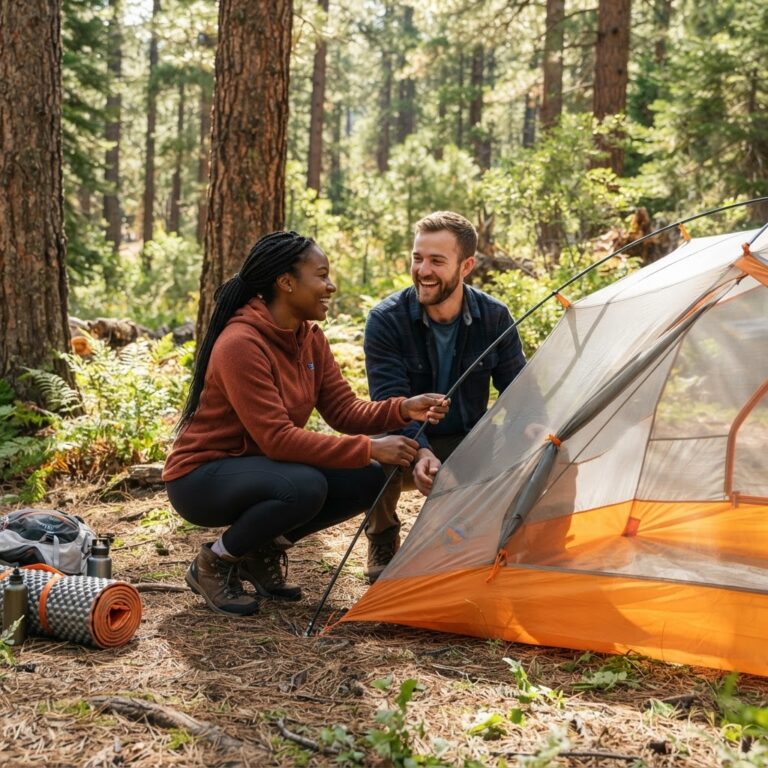
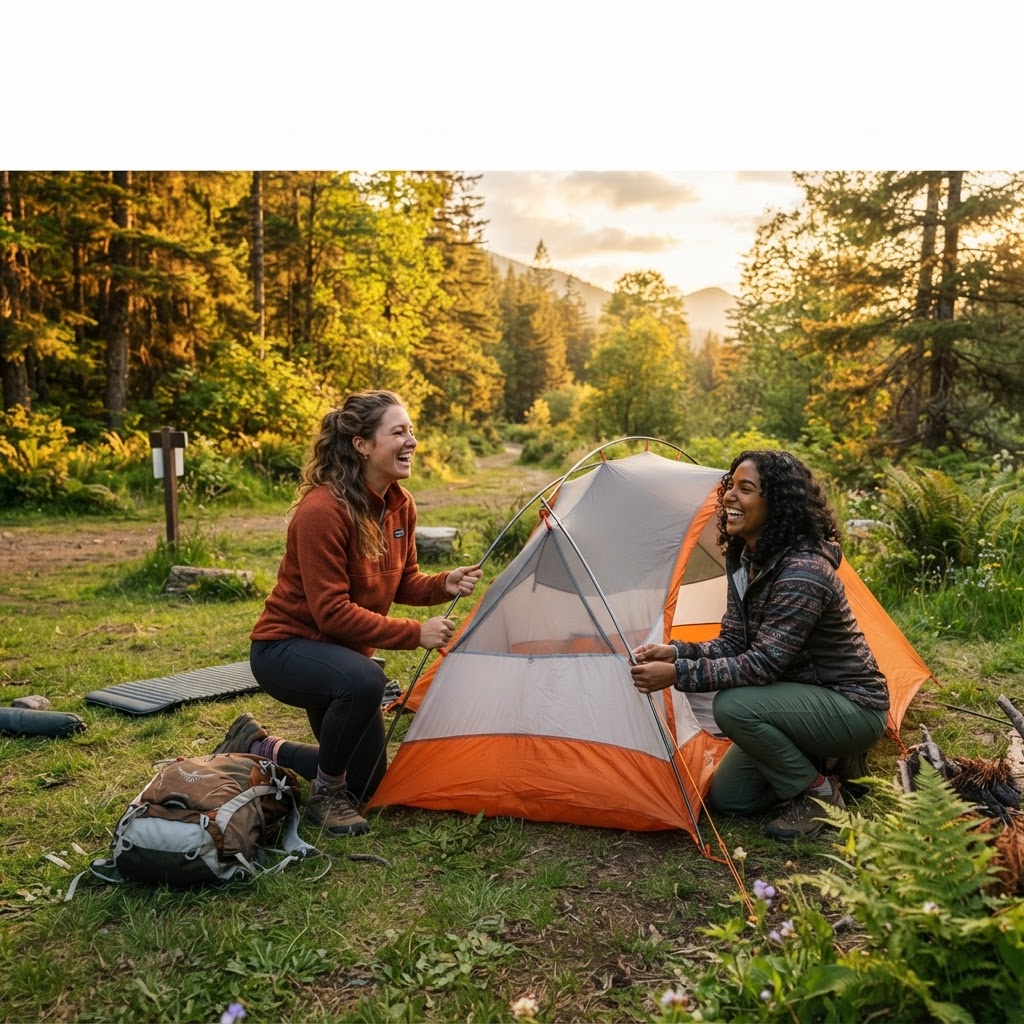
Before any trip, set aside time to assemble and test your tent, stove, sleeping pad, and rainfly in your backyard or living room. Practice pitching the tent once, then again while timing yourself. This removes guesswork and speeds up setup when you arrive tired or when weather moves in. Inflate or unroll your sleeping pad, check for slow leaks, and sleep on it for a night if possible. Test your stove for ignition and learn to operate the controls safely. Pack extra repair items like duct tape, seam sealer, and spare buckles so small equipment failures do not ruin a trip.
Label or bag small components such as stakes, guylines, and repair kits, so you do not waste time searching at the campsite. An equipment rehearsal also reveals missing or aging items. For digital planning, take photos of properly pitched tent lines and stake patterns, so you can replicate the setup from your phone if needed.
Selecting the perfect campsite location for shelter
When you arrive, take five minutes to evaluate the space. Look for level ground, natural drainage, and some wind protection from trees or terrain. Avoid low points where water accumulates, and steer clear of dead trees or branches that could fall. If you cannot find level ground, rotate the tent so the head end is slightly higher than the feet. Use a ground cloth under the tent to protect the floor, but keep it smaller than the tent floor to avoid trapping water.
Consider the sun angle at dawn, and place the tent door where morning light will either warm you gently or avoid waking you too early. Respect campsite etiquette by pitching within designated sites when in organized campgrounds, keeping your footprint compact, and following any fire restrictions. For more tips on developing core camping abilities, see this guide on how to master camping skills for your next outdoor adventure, which offers practical drills you can practice at home.
Mastering Campsite Comfort and Organization
Comfort is not a luxury, it is a multiplier for enjoyment. A few comfort focused habits will keep you warm, dry, and relaxed, and help you sleep better on the hard ground. Organization reduces stress and makes every small task faster, from cooking to bathroom trips at night.
Temperature regulation hacks for sleeping bags
Layering is the most reliable approach to temperature control. Use a sleeping bag rated slightly lower than the expected low temperature for a snug core temperature. Add a sleeping pad under the bag to prevent conductive heat loss to the ground. If cold is your concern, wear a base layer, a hat, and socks to bed. Use a liner inside the sleeping bag to raise warmth without adding bulk. If nights are likely to be warm, unzip the sleeping bag partially and ventilate. Bring a lightweight blanket for moderate nights that lets you regulate easily.
Pay attention to airflow in the tent. On humid nights, allow adequate ventilation to reduce condensation inside the tent, which can make sleeping bags damp and less insulating. Place packs and gear so they do not block vents or mesh panels.
Keeping your tent tidy and bug free
Adopt a simple zone system. Keep a designated entry mat or small tarp for shoes and muddy gear, and store food and scented items in a secure container away from the tent. Hang a gear line or use a compact organizer to keep small items off the floor. For insect control, always keep the mesh doors closed when you are not moving through the tent. Use a headlamp with a red filter or low intensity setting to avoid attracting bugs at the mesh.
Cleanliness reduces wildlife encounters and makes packing up faster. Store trash in sealed bags and follow the site rules for disposal or pack it out. Keep hand sanitizer and a small cloth near the cooking area so crumbs do not make their way into the sleeping area. Many campers find that a simple routine of wiping surfaces and emptying food wrappers each evening prevents most pest problems, and helps you practice Leave No Trace principles while keeping outdoor safety a priority.
Comparing Essential Camping Shelter Types
Choosing the right shelter depends on environment, weight limits, and how fast you need to set up. Each shelter type has trade offs. Understanding those trade offs before you buy or borrow a tent keeps expectations realistic, and helps you select the right approach for your trip.
Backpacking tents vs. car camping tents
Backpacking tents prioritize low weight and compact size. They are ideal when you carry everything on your back. Expect thinner fabrics, less interior volume, and a design that emphasizes quick pitching and low weight. Car camping tents trade weight for space. They offer higher ceilings, room for gear inside, and often multiple rooms. If you can leave the tent in the car or transport it a short distance, the comfort benefits are significant. Choose based on how you travel and how much interior space matters for your typical trips.
For entrepreneurs who travel to remote work retreats, a car camping tent might be a better choice for comfortable sleeping and a small, dry workspace. If you plan multi day hikes, the ultralight backpacking tent will make miles easier and reduce fatigue.
Weather-resistant features to prioritize
Look for full coverage rainfly, bathtub style floor, and sealed seams to keep water out. Strong pole architecture and quality guylines improve wind resistance. Ventilation features such as mesh panels and adjustable vents reduce interior condensation while preserving protection. Prioritize a tent with a reputable track record for the weather conditions you expect, and always add extra guyline points when storms are forecasted.
Weather forecasting matters. Check reliable sources before you leave and while en route. If severe weather is predicted, consider postponing or choosing a lower elevation site. Practicing solid campsite etiquette includes avoiding exposed ridgelines during storms and respecting local advisories.
Pro tip: Practice pitching your chosen tent in different conditions at home, then pack a small repair kit and a dedicated footprint for the tent floor. This combination will prevent most common failures and keep your shelter functional across seasons.
Frequently Asked Questions
How do I keep my tent dry during a rainstorm?
Choose a level site that is not in a depression or under drippy trees. Use a footprint slightly smaller than the tent floor, and pitch the rainfly fully with proper tension so water sheds off and does not pool. Stake guylines to create an aerodynamic shape and increase wind resistance. Store gear in waterproof bags inside the tent and ventilate to reduce condensation buildup that feels like dampness. If water enters the tent, remove wet items, blot moisture with a towel, and reorient ventilation to speed drying when rain stops. Planning and good setup prevent most wet tent scenarios.
What is the best way to handle food storage safely?
Store food and scented items in sealed containers away from the tent. In many areas, use provided lockers or bear canisters. If those are not available, hang food from a tree branch at least 12 feet off the ground and 6 feet from the trunk, or place it in a locked vehicle if possible. Cook at least 100 feet from sleeping areas when local rules allow, and clean all cooking surfaces after each meal. Practicing these steps reduces wildlife attraction and supports Leave No Trace principles while protecting your campsite and other visitors.
How can I sleep more comfortably on the hard ground?
Invest in a good sleeping pad, as it is the single most important comfort item. Inflatable or foam pads with adequate insulation reduce pressure points and protect you from cold ground. Use a pack or clothes as a pillow, or carry a small inflatable pillow for added neck support. Layer your sleeping bag and add a lightweight blanket for temperature control. If space allows, a cot is an option at car camps. Sleeping on a slightly elevated head end or using a thicker pad under the hips can reduce back pressure and help you wake refreshed.
Final Thoughts
Tent camping becomes more enjoyable when you combine gear preparation, campsite smarts, and simple comfort habits. Practice a few of these tips on your next outing and see how small changes deliver big results.
For more focused advice on solo trips and advanced camping skills, check out this detailed guide on solo mountain camping Best Tips for Solo Camping in the Mountains: A Complete Guide, and expand your practical skills with the home drills in How To Master Camping Skills For Your Next Outdoor Adventure.