

TL;DR:
- Start with smart campsite selection and a streamlined gear list to build confidence fast.
- Learn simple campfire cooking techniques and strict fire etiquette to stay safe and leave no trace.
- Pick a camping style that matches your goals, and practice key outdoor survival skills before you go.
Imagine waking up to the sound of rustling leaves and fresh mountain air, knowing exactly how to handle your gear and campsite with confidence. That calm comes from practice, sensible planning, and a few core habits that turn a simple night under the stars into a comfortable, memorable experience. Whether you want practical skills for weekend trips or to lead your team on an outdoor retreat, this guide shows How To Master Camping Skills in ways you can use right away.
This article is built for people who juggle busy schedules, but still want reliable, repeatable ways to improve camping performance. You will get actionable campsite selection tips, a must have gear checklist, campfire cooking techniques, safety and Leave No Trace guidance, and a clear comparison of different camping styles so you can choose what fits your life and goals.
Table of Contents
- Essential Gear and Site Selection Basics
- Mastering Campfire Cooking and Safety
- Comparing Different Camping Styles
- Frequently Asked Questions
- Final Thoughts
Essential Gear and Site Selection Basics: How To Master Camping Skills
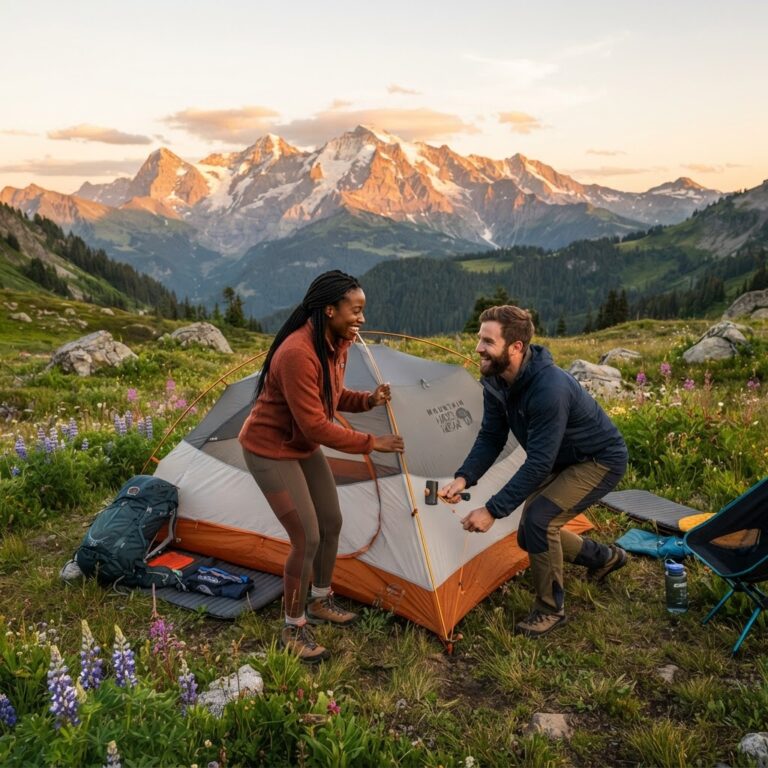
Most camping trips are won or lost before the first night. Focus on two things to dramatically improve your chances of a great adventure, campsite selection and the right equipment. Good site choice reduces stress, and the right gear keeps you comfortable and safe. Read the quick practical steps below, and you will feel more in control on the trail and at the campsite.
Finding the perfect level campsite
Start with location priorities, not aesthetics. A level site prevents pooling under your tent during rain, reduces noise when your tent moves, and helps with sleep quality. Look for ground that is firm and flat, with a gentle slope for drainage away from your sleeping area, and avoid obvious low spots where water can collect.
Consider distance from water sources, and follow campsite selection common sense. Being too close to a stream may tempt you, but it increases flood risk and impacts wildlife. Aim to camp at least 200 feet from lakes and streams unless there is a designated tent area. Also choose a site with natural wind protection such as a belt of trees or a ridge, but avoid camping under dead branches or in gullies that funnel wind and water.
Think about micro site choices. Set up out of direct sunlight if you want cool nights, but accept some morning sun for early warmth. Pay attention to vegetation, and follow Leave No Trace principles when choosing an area already used for camping where permitted, rather than creating a new campsite footprint. When in doubt, use an established site, as it minimizes impact and usually means flatter ground and better tent placement.
The must-have gear checklist for beginners
Successful packing is about prioritizing function. Start with a short checklist, then refine it for the length and style of your trip. Carry items that serve multiple purposes and practice using them at home so setup at the campsite is routine.
- Shelter and sleep system: Tent appropriate for the season, footprint or tarp, sleeping bag rated for expected temperatures, and an insulated sleeping pad for comfort and warmth.
- Clothing layers: Base layer, insulating mid layer, and an outer layer for rain and wind. Pack extra socks and a hat for nights.
- Cooking and water: Lightweight stove or campfire equipment where allowed, fuel, a pot or pan, utensils, and a reliable water filter or chemical treatment method plus a way to carry water.
- Navigation and communication: Map, compass, and a backup plan to share your itinerary with someone who will check in if you do not return on time.
- Safety and first aid: Compact first aid kit, headlamp with fresh batteries, a knife or multi tool, and basic knowledge of outdoor survival skills like signal creation and emergency shelter building.
- Hygiene and waste: Biodegradable soap if allowed, small trowel for burying waste where permitted, and secure bags for packing out trash and food scraps.
Pack by task. For example, a small dry bag for sleep items keeps your sleeping setup separate and easy to access. If you plan to backpack, distribute heavier items near your hips in the pack to improve balance. For car camping, prioritize comfort items since weight is not a constraint. When you want a quick refresher on tent camping best practices, this guide to tent camping has practical setup tips that are easy to follow, and it is full of tricks that reduce setup time and stress https://www.camprambler.com/10-best-tips-and-tricks-to-follow-when-tent-camping-8/.
Mastering Campfire Cooking and Safety
Campfire cooking is part ritual and part technique. Learning a few dependable recipes and conservative safety practices will let you enjoy tasty meals while minimizing risk. Two quick rules make a big difference, build fire only where permitted and plan meals so dinner does not become an emergency.
Simple gourmet camp meals
Gourmet does not require a lot of gear. Focus on layering flavors and using premixed components that save time. For example, precook and vacuum seal a grain or legume before the trip, then reheat it with a protein and a handful of vegetables over a stove or fire for a satisfying one pot meal. Foil packet meals are easy and require minimal cleanup, but you can also make a flavorful breakfast skillet with pre chopped vegetables, cured meat or a plant protein, and eggs.
Plan the menu around shared tasks to keep things smooth at camp. Prepare a base meal for the first night that requires little setup. For multi day trips cook meals that reheat well, and always boil or treat water if you plan to use water from a natural source. Prep at home when possible, and practice your recipes in the backyard so timing at the campsite is predictable. If you want lighter cooking while still enjoying backpacking, consider these backpacking tips for meal planning and packing https://www.camprambler.com/10-best-tips-for-enjoying-your-next-backpacking-adventure-trips-7/.
Leave No Trace principles and fire etiquette
Leave No Trace is not optional when you care about the places you visit. It is a set of practices that keeps ecosystems healthy and camping areas open for everyone. Use existing fire rings when they are provided. If fires are not allowed, bring a camp stove and cook with it instead. Keep fires small, use only dead and downed wood no larger than your wrist, and never leave a fire unattended.
Extinguish a fire completely before sleeping or leaving. Stir the ashes, add water until everything is cold to the touch, and scatter cooled ashes if the site permits. Pack out all food scraps and trash. Store food securely, and do not bury scraps where animals can dig them up. Respect other campers by keeping noise low and minimizing lights after dark.
Comparing Different Camping Styles
Camping is not one activity but a spectrum that ranges from minimalist backpacking to elaborate glamping. Choosing the right style for your goals changes what you practice. If you want to build Outdoor Survival Skills, lean toward backpacking and shorter trips where you must rely on gear and technique. If you want to entertain clients or reward a team, a car camping setup with more amenities might be better.
Pros and cons of tent camping
Tent camping is versatile. It works for solo trips and group outings, and the learning curve is moderate. Practical pros include control over your sleeping environment, options for privacy, and the ability to carry a moderate amount of gear. The cons are that tents require maintenance, a correct site, and an understanding of weather impacts. In windy conditions proper pitching technique matters, and in wet weather a reliable footprint and seam sealing are important.
If you want a quick set of rules to follow for tent camping, check out practical tricks to speed setup and increase comfort that are useful on your first few trips https://www.camprambler.com/10-best-tips-and-tricks-to-follow-when-tent-camping-8/.
The rise of modern glamping
Glamping is about comfort and aesthetics while still being outdoors. It attracts people who want nature without foregoing a higher level of convenience. Pros include reduced setup time, fewer skills required, and amenities that make longer stays more pleasant. The tradeoffs are cost and environmental impact if amenities are not managed responsibly. Even when glamping, apply Leave No Trace thinking by minimizing waste and respecting natural areas.
For inspiration about glamping choices and how to pick locations that match your comfort expectations, this guide on finding glamping adventure destinations walks through options and considerations that help you plan memorable stays https://www.camprambler.com/10-best-tips-for-finding-your-perfect-glamping-adventure-destinations-2/.
Pro tip: Practice one new skill per trip, for example quick water treatment or a new meal, and review what went well and what did not. Small iterations build competence without overwhelming your schedule.
Frequently Asked Questions
What is the most important skill for a beginner camper?
The single most important skill for a beginner camper is campsite selection. Picking a safe, level site that is away from hazards and has minimal environmental impact reduces the number of variables you must manage. A good site makes shelter setup easier, helps you stay dry, and improves rest. Pair that with basic equipment knowledge, such as how to pitch your tent and how to stay warm at night, and you have the foundation for a successful trip.
How do I keep my food safe from wild animals?
Keep food secure by using bear resistant containers where required, hanging food in a bag at least 10 feet off the ground and 4 feet from the nearest trunk where allowed, or storing food in your vehicle if you are car camping. Clean up food scraps, store scented items with your food, and never sleep with food in your tent. Even small wildlife can be attracted to leftovers, so pack out all trash and use airtight storage to limit smells.
What should I do if the weather turns bad while camping?
If the weather turns bad stay calm and follow a simple checklist. First, secure loose items and reinforce your shelter. Move electronics and anything that must stay dry into waterproof bags. If you are facing high winds, reposition your tent so the narrowest end faces the wind and lower the internal tension. If the campsite floods, move uphill to safer ground. Have an emergency plan and communication method prepared before you go, and if conditions look dangerous early, do not hesitate to leave the area for a safer location.
Final Thoughts
Mastering camping skills is a process of steady practice and thoughtful preparation, not a single learning event. Start with solid campsite selection, streamline your gear, practice simple meals and safety routines, and pick a camping style that matches your goals. Each trip teaches something new when you reflect and adjust for the next outing.