

TL;DR:
- Vet glamping adventure destinations by checking amenity authenticity, sustainability practices, and real traveler experiences before you book.
- Pack thoughtfully for remote luxury, plan timing around weather and local activity windows, and confirm logistics like transfers and power.
- Choose the right accommodation style, from yurts to treehouses to safari tents, based on comfort preferences, accessibility, and the type of outdoor experience you want.
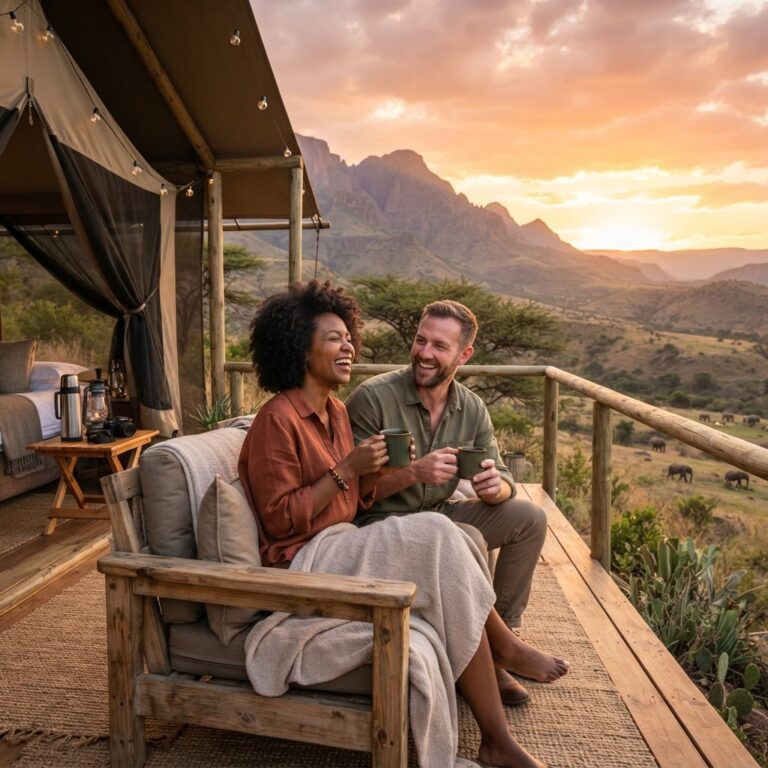
Imagine waking up in a designer yurt nestled in the mountains, hearing nothing but the rustle of leaves instead of your morning alarm clock. It is time to trade your standard hotel room for a glamping escape that blends untamed nature with high-end luxury.
Finding the right glamping adventure destinations means balancing nature, service, and sustainability. Whether you are a digital marketer looking for unique affiliate opportunities, or an entrepreneur scouting alternative lodging concepts to promote, this guide will walk you through the practical criteria for selecting high quality luxury camping sites and planning a smooth trip.
Table of Contents
- How to Vet Your Next Glamping Escape
- Essential Gear and Planning Strategy
- Comparing Top Glamping Site Styles
- Frequently Asked Questions
- Final Thoughts
How to Vet Your Next Glamping Escape, glamping adventure destinations
When you are evaluating potential glamping adventure destinations, start with a checklist that separates marketing from reality. Luxury camping and alternative lodging are appealing because they promise comfort in wild places, but not every site delivers the same level of outdoor hospitality or commitment to eco principles. Use the criteria below to quickly determine whether a property is worth your time and money.
Checking for genuine amenity lists
Begin by reading the amenity list closely. Luxury camping sites will often advertise items like real beds, private bathrooms, heating or air conditioning, and concierge services. A genuine amenity list will be detailed. It will specify types of bedding, whether hot water is continuous or limited by solar supply, how electricity is provided, and whether meals are chef prepared or simple grills.
Watch for vague language, such as “basic amenities provided.” That phrase can mean anything. Instead look for specifics, for example whether linens are included, whether there is a flushing toilet or composting toilet, and whether staff are on site 24 hours. Ask follow up questions by email when details are missing. For operations focused on eco-tourism and sustainable travel, properties will often include transparent notes about how services are delivered, such as low flow water fixtures, solar power capacities, or waste management plans. These details reveal both the level of comfort to expect and the operator’s commitment to responsible hospitality.
Reading past traveler experiences
Traveler reviews are a goldmine when they are read strategically. Filter reviews by recent dates, and pay attention to mentions of the same points, such as noise levels, service reliability, and proximity to the attractions that matter to you. Look for reviews that include photos or detailed descriptions. Those are more reliable than one line ratings.
Also consider guest demographics. Are reviewers families praising on site activities, or are couples talking about the romantic setting? If the property markets itself as an off-grid getaway but multiple guests complain about limited hot water or cold nights, that inconsistency matters. For deeper operational insight, read several reviews in a row. Patterns are more important than individual remarks. Finally, cross reference reviews on multiple platforms, and use the property’s responses to guest feedback to judge responsiveness and professionalism.
For a practical checklist you can reuse when vetting many properties, bookmark resources and articles that go into detail on site selection. For example, if you are pairing glamping with more traditional camping or backpacking content for your audience, internal resources on fundamental camping skills can help you evaluate whether a property is truly prepared to support guests who are less experienced. See this guide to essential camping skills for context, how to master essential camping skills for your next adventure, which complements the vetting process.
Essential Gear and Planning Strategy
Planning a glamping trip combines the comforts of luxury camping with the logistics of travel to remote places. Unlike a hotel trip, small details will determine how enjoyable your time outdoors will be. This section outlines the practical gear choices and planning moves that reduce stress and let you focus on the view.
Packing for remote luxury
Even when bedding, towels, and toiletries are advertised as included, bring backups for comfort and convenience. Think of glamping as a hybrid between a hotel and a campsite. A small travel kit should include a headlamp, a few spare batteries or a portable charger, a lightweight rain jacket, and a compact first aid kit. Waterproof bags for electronics are helpful, especially in glamping accommodations with open decks or canvas walls.
For digital marketers or content creators, pack power solutions that match your workflow. Check whether the site offers reliable Wi Fi, or whether connectivity is intermittent. If you need internet for a few hours daily, bring a hotspot and confirm cellular coverage in advance. Also plan for camera gear charging. Many luxury camping sites provide thoughtful charging stations, but remote eco oriented properties sometimes limit power to reduce impact. Always ask before arrival.
Timing your visit for optimal weather
Timing affects both comfort and available activities. Peak season will often offer the most predictable weather and full services. Shoulder season can give you lower rates and fewer crowds, but amenities like shuttle services, restaurants, and guided activities may be reduced. Off season visits can be magical and quiet, but confirm whether facilities like heating are available.
Be strategic with timing based on your goal. If you want to see wildflower blooms, check local bloom calendars. If you are booking for aurora viewing or star gazing, look for new moon windows and check historical cloud cover. For reliable guidance on how seasonal conditions change campsite needs, this practical article on enjoying backpacking and managing seasonal planning helps frame outdoor preparation, 10 best tips for enjoying your next backpacking adventure trips.
Comparing Top Glamping Site Styles
Choosing the right accommodation style will shape your entire experience. The accommodation you pick should match your comfort expectations, desired activities, and the level of interaction you want with nature. Below is a deeper look at popular styles and how to decide between them.
Yurts vs. Treehouses
Yurts are circular structures with sturdy frames and insulated walls. They are excellent when you want a cozy, communal space that still feels connected to the landscape. They often sleep multiple people, making them good for families or small groups. Yurts typically offer a consistent level of comfort and easy access, with fewer stairs and less complicated access than elevated options.
Treehouses provide elevation and a distinct perspective. The appeal is the feeling of sleeping among the canopy, often with bird song and a strong sense of solitude. Treehouses may require climbing ladders or stairs, and accessibility can be an issue for guests with mobility concerns. If you value privacy, elevated viewpoints, and an architectural novelty to promote on social channels, a treehouse is a brilliant choice.
Safari Tents vs. Luxury Cabins
Safari tents capture the romance of historical tented camps with modern comforts. They are lighter in structure than yurts or cabins, often featuring large openings to the landscape and easy transitions between indoors and outdoors. Safari tents are particularly well suited to game viewing or coastal dune experiences where you want sensory connection to the environment.
Luxury cabins are the closest to boutique hotel rooms, with solid walls, full bathrooms, and often independent heating and cooling. They are ideal when predictability and full amenities matter, for example when remote weddings, small corporate retreats, or people who prioritize uninterrupted work need a dependable base. Cabins are frequently positioned as flagship accommodations in boutique outdoor hospitality operations.
Pro tip: If sustainability matters to you, ask for the property sustainability report or impact statements. Properties focused on eco tourism or sustainable travel will welcome the conversation, and their transparency is a good indicator of genuine practices.
Making the choice that fits you
Match your accommodation to the main reason you are traveling. If you are after solitude and a unique visual story for your audience, treehouses or remote yurts are compelling. If you are hosting clients, partners, or a working retreat, luxury cabins or well equipped safari tents with reliable power may be better. Always read the fine print about what “luxury” includes, because outdoor hospitality uses that term broadly.
When scouting locations for new content angles or affiliate offers, consider the audience segment you are trying to attract. Families looking for kid friendly activities will prioritize safety, bathrooms, and on site programming. Digital nomads will emphasize connectivity, workspaces, and dependable power. Entrepreneurs researching alternative lodging ideas should evaluate operations with an eye toward scalability and guest experience consistency.
Frequently Asked Questions
What is the best time of year to start booking a glamping destination?
Book as early as possible for peak season dates, often three to six months in advance, especially for popular locations and unique stays. For shoulder season travel, one to three months may suffice, but confirm cancellation and rescheduling policies. If your travel dates are flexible, aim for weekdays or off peak windows to secure better rates and more choices. Also consider weather variability and local event calendars when choosing your booking window.
Do most glamping sites provide bedding and electricity?
Many luxury camping sites provide bedding and some form of electricity, but the specifics vary. Higher end sites typically include hotel quality linens, towels, and bedside lighting, while more eco focused properties may offer limited power to reduce environmental impact. Always check the amenity list, and ask about power sources and expected availability. If the site is truly off grid, the property should explain how electricity is managed, for example via solar arrays or limited generator hours.
How do I know if a site is truly off-grid or just semi-rural?
Ask direct questions about energy, water, and waste systems. A truly off grid site will explain energy generation methods, such as solar with battery storage, and mention limited or managed hot water and power. They will often describe their water source, filtration steps, and waste management approach, including composting toilets or greywater systems. Semi rural sites will usually advertise connection to municipal utilities or uninterrupted grid power. Read the property description, review guest feedback about power and water reliability, and request clarification from the host when in doubt.
Final Thoughts
Finding the perfect glamping adventure destinations is about aligning your comfort expectations with a site that practices genuine outdoor hospitality and sustainable travel. Vet amenities, plan logistics carefully, and choose the accommodation style that best supports your goals for the trip.
With these tips you will feel confident booking a luxury camping site that delivers memorable experiences and supports thoughtful eco tourism practices.