

TL;DR:
- Pack focused, reliable gear for solo camping in the mountains, prioritizing shelter, navigation, and communication devices suited to mountain weather patterns.
- Establish safety protocols, share an itinerary, use satellite messenger devices, and practice wilderness survival basics to reduce risk.
- Optimize pack weight by balancing lightweight gear with heavy duty options where durability and safety matter most, and follow Leave No Trace principles.
There is a profound silence found only in high altitude wilderness that resets the mind like nothing else, but finding that peace requires careful preparation. If you are planning solo camping in the mountains, the payoff is huge, and the margin for error is smaller than on flatland trips. This guide breaks down practical, experience driven advice so you can focus on the climb rather than the complications.
Below you will find gear lists, safety protocols, a side by side gear comparison to help with pack decisions, and clear guidance on wilderness survival basics to keep you safe and reachable in remote terrain.
Table of Contents
- Essential Gear for High-Altitude Solo Missions
- Safety Protocols and Risk Management
- Comparing Solo Camping Gear Essentials
- Frequently Asked Questions
- Final Thoughts
Essential Gear for High Altitude Solo Missions for Solo Camping in the Mountains
When you are the only person between you and the trailhead, gear choice becomes both a comfort factor and a safety variable. Mountain weather patterns change quickly, terrain can be technical, and rescue access may be delayed. The right kit focuses on shelter, navigation, and communication first, followed by clothing, fuel, and food strategies that support extended self reliance.
Lightweight shelter and sleep systems
Choose a shelter that balances low weight and robust weather protection. In the mountains that can mean a shelter with a full coverage rain fly, a stable pole layout for wind resistance, and a footprint that protects against abrasive ground. Your sleep system should include an insulated sleeping pad rated for temperatures colder than you expect, and a sleeping bag or quilt with a temperature rating appropriate for night lows plus margin. A small, reliable stove and a compact cookware set allow you to melt snow or boil water when conditions demand it.
Practice setting up your shelter on uneven ground and in windy conditions before you head far from the trailhead. That practice pays off when the only available campsite is a ledge that requires quick, confident work. Also consider modularity. A lightweight tarp combined with a solid bivy or groundsheet can be lighter and more flexible than a larger tent, but it demands better site selection and skill. If you want a primer on essential camping skills to pair with your gear choices, this detailed guide on mastering camping skills is a useful companion https://www.camprambler.com/how-to-master-camping-essential-skills-for-your-next-adventure-4/.
Navigating terrain with analog backups
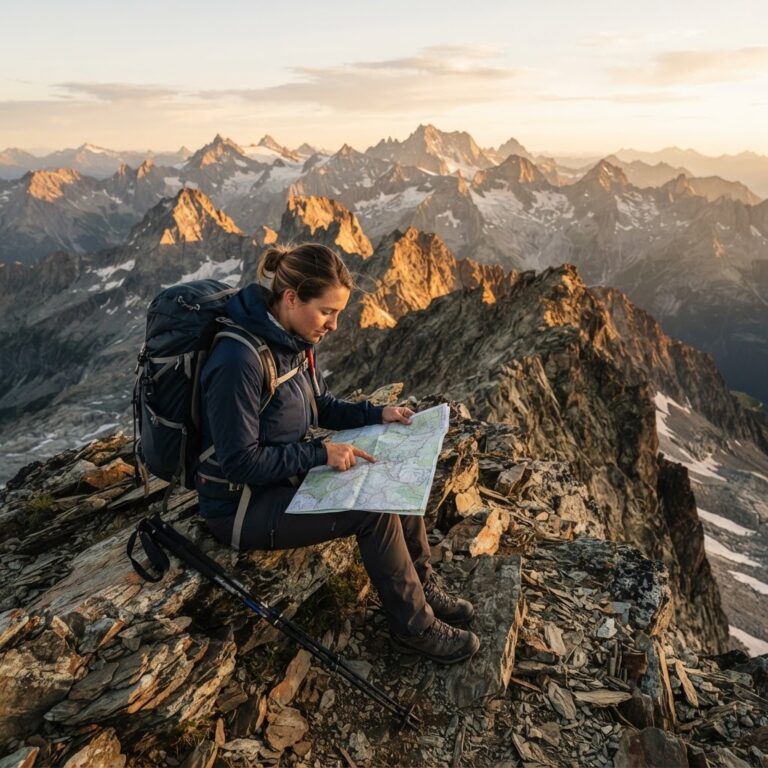
Electronic navigation is convenient, and a GPS can save time, but batteries fail and signals drop in steep valleys. Learn topographical map reading and compass skills, and pack physical backups. A waterproof topographical map folded to key areas and a reliable compass should sit in an outer pocket for quick access. Good map work includes route choice based on contour lines, identifying potential hazard zones such as avalanche paths or steep scree, and planning bailout routes with estimated times.
Analog navigation is also a cornerstone of wilderness survival. In a scenario where satellite coverage is limited, frequently checking your position against ridgelines, river junctions, and map features keeps you on track. If you want more context on autonomous camping approaches, this solo mountain camping guide offers complementary safety and route planning advice https://www.camprambler.com/solo-mountain-camping-your-essential-guide-to-safety-adventure/.
Safety Protocols and Risk Management
Good protocol reduces the likelihood of an emergency and improves outcomes if one occurs. Safety starts before you step onto the trail, and continues through communication habits, wildlife planning, and daily decision making. Think in layers, use redundancy, and respect mountain weather patterns when making choices about route and camp timing.
Communicating your itinerary and check in times
Before you leave, create a clear itinerary that includes route, planned campsites, and expected check in times. Share that document with at least two trusted contacts, and make sure they know when to escalate if they do not hear from you. Use satellite messenger devices to send scheduled check ins, and designate windows for status updates so rescuers have useful timestamps. If your trip crosses cell phone coverage pockets, note those along the schedule to clarify when silence is expected.
Practice a fail safe. If you cannot send a check in because of battery or device failure, your contacts should have a clear trigger for action, typically one day after a missed check in. That reduces the time responders spend searching unnecessarily, while still prioritizing your safety.
Managing wildlife encounters and food storage
Wildlife is predictable when you know the principles. Store food and scented items away from your sleep area in approved containers, or use recommended hanging techniques in areas where secure containers are not required. Make a habit of cooking and eating at least 100 feet from your shelter, and clean cooking equipment thoroughly after each meal. Never sleep with food in your tent, and never feed wildlife.
For large carnivores, noise and visibility are your friends. Travel during daylight when possible, and make noise when moving through areas with limited sight lines. Learn animal behavior signs and carry deterrents that are legal and appropriate for the region. Respectful distance, good storage, and awareness of animal tracks and scat decrease the chance of an encounter. Practicing Leave No Trace principles keeps wildlife wild while protecting your camp and others who come after you.
Comparing Solo Camping Gear Essentials
Optimizing pack weight is a constant negotiation between comfort, safety, and the physics of climbing. This section compares key equipment categories to help you make intentional choices for solo camping in the mountains. Think about where you are willing to trade ounces for redundancy and where you prefer to carry heavier items for increased safety.
Lightweight gear versus heavy duty alternatives
Lightweight gear reduces fatigue, speeds up travel, and allows you to cover more ground. It works best on well graded trails and in predictable weather. Heavy duty alternatives increase margin for error in bad weather and on exposed terrain. For example, a heavier tent will soak less condensation and withstand stronger wind. Choose lightweight for speed, and choose heavy duty for reliability when the objective crosses exposed ridgelines or weather is volatile.
Make decisions based on the route. For a multi day cross country trip with little shelter, prioritize durable items. For a short summit push from a base camp, prioritize mobility and lighter systems for the moving day while keeping durable gear at base camp.
Solar power versus battery packs for communication
Solar panels extend autonomy for long stays, especially in sunny alpine basins, but they are weather dependent and can be less effective in cloud, fog, or forested camps. Battery packs provide predictable power at the cost of weight and finite capacity. In practice, many solo campers use a hybrid approach. Carry a compact battery pack as primary power, and a small, rugged solar panel as a top up when conditions are favorable. For emergency communications, satellite messenger devices paired with a reliable power system are a critical layer of safety.
When choosing power systems, account for cold temperatures which reduce battery performance. Store spare batteries close to your body to keep them warm, and cycle power so essential devices like a satellite messenger have charge when it matters most.
Pro tip: Run a full gear shakedown hike before a long solo trip. Pack everything you plan to bring, walk at least a half day with full load, practice using each device and cooking system, then adjust based on comfort and functionality.
Frequently Asked Questions
Is it safe to go camping in the mountains alone?
Solo camping in the mountains can be safe if you prepare appropriately, use layered risk management, and travel within your skill set. Safety depends on planning, reliable gear, clear communication, and terrain choices matched to your experience. Learn wilderness survival basics, practice topographical map reading, carry redundancy for navigation and communication, and share a detailed itinerary so others know your expected movements. Accept that the mountains demand conservative decisions when weather turns or energy drops.
What is the most important piece of gear for a solo mountain trip?
The most important single item is the one that keeps you safe and reachable, which is typically a communication device designed for remote areas such as a satellite messenger device. That device, combined with a plan and contacts who will act on missed check ins, greatly reduces rescue delays. Close behind are a reliable shelter, an insulated sleeping system, and navigation backups like topographical maps and compass. Prioritize the items that reduce the biggest risks you cannot manage with skill alone.
How do I handle bear protection while camping solo?
Bear protection starts with prevention. Store food and scented items in approved containers or by using proper hanging technique, and keep cooking and food storage separate from your sleep area. Make a habit of cleaning up food scraps and washing cookware immediately after meals. When in bear country, plan campsites away from trails and water crossings where bears travel, and be vigilant about signs of recent activity. Carry legal and appropriate deterrents for the region, and learn how to use them before you need them. Practicing Leave No Trace principles reduces attractants and lowers risk for you and wildlife.
Final Thoughts
Solo camping in the mountains is deeply rewarding when you prepare deliberately, respect mountain weather patterns, and use redundancy for communication and navigation. Plan, practice core skills like topographical map reading and wilderness survival, and leave no trace so these wild places remain wild for others.