
TL;DR:
- Decide what matters most, whether designer comfort, remote nature, or family friendly amenities, to narrow your search for the best glamping adventure destinations.
- Vet listings carefully, read reviews for patterns, confirm on site amenities, and ask targeted questions to avoid misleading photos or false claims.
- Match the glamping type to your needs by weighing cost, convenience, privacy, and sustainability, then book early using flexible policies when possible.
Imagine waking up in a designer yurt overlooking a mountain range without having to sacrifice a comfortable bed or a hot shower, and then consider that as a marketer you could recommend that exact escape to an audience who will actually convert. Finding the best glamping adventure destinations starts with a clear picture of the experience you want, and finishes with practical vetting so you can confidently promote or enjoy luxury camping getaways.
Whether you are a digital marketer building affiliate content, a small business owner creating a retreat, or an entrepreneur looking to partner with unique glamping sites, this guide walks through proven steps to filter out mediocre listings and uncover unforgettable, sustainable travel experiences grounded in ecotourism and modern hospitality industry standards.
Table of Contents
- Defining Your Ideal Glamping Experience
- Vetting Sites Like a Pro
- Comparison of Glamping Destination Types
- Frequently Asked Questions
- Final Thoughts
Defining Your Ideal Glamping Experience, best glamping adventure destinations
Before you start scrolling through glossy photos and curated captions, get specific about what “luxury” means to you and to the customers you are trying to reach. Are you after dramatic vistas and a rustic campfire vibe, or do you want resort level service, private baths, and farm to table meals delivered at sunset? Being precise about priorities reduces decision fatigue and helps you compare offerings on equal terms.
Choosing Between Safari Tents, Treehouses, and Domes
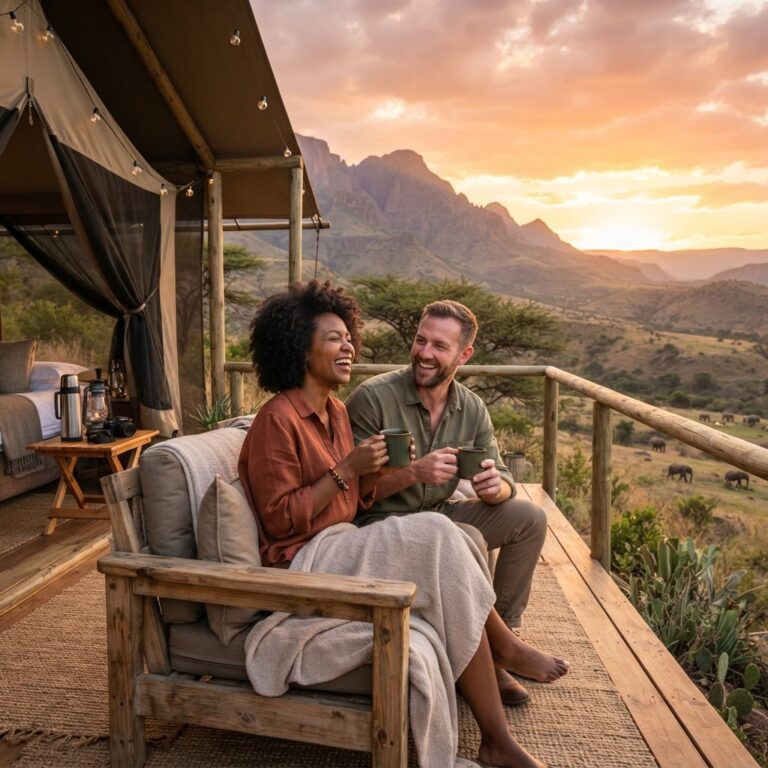
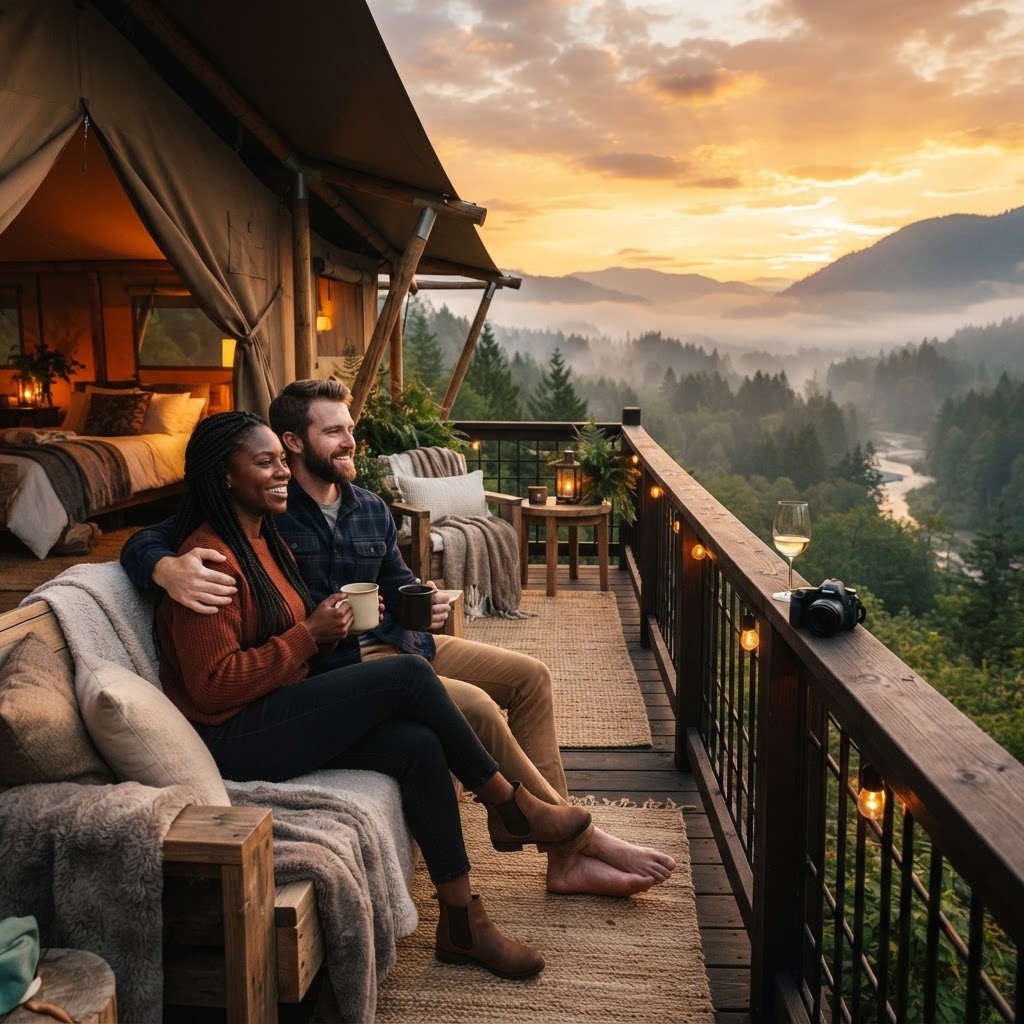
Different shelter types create very different stories and expectations. Safari tents often evoke adventure, wide canvas walls, and a blend of indoor comfort with outdoor views. They are visual gold for content creators seeking aspirational photography, and they usually pair well with outdoor recreation experiences that appeal to active travelers.
Treehouses offer a playful, romantic vibe, often perched for privacy among the canopy. They tend to attract couples and families who value novelty. Domes, including geodesic structures, are modern, design forward, and often marketed as wellness escapes, sometimes incorporating panoramic windows for stargazing. For each shelter type think about the target audience, the kinds of activities you will promote, and the logistics for producing accurate content and honest booking guidance.
Balancing Rugged Wilderness with Resort Style Comforts
Glamping sits on a spectrum from rugged to resort. On one end you may find off grid eco camps that lean into authentic, low footprint ecotourism, with composting toilets and solar showers. On the other end are properties that deliver full hospitality industry standards, with hot water, daily housekeeping, gourmet food, and concierge services. Identify where you or your audience want to land on that spectrum.
For marketers, the balance matters. Luxury camping getaways that promise both a wilderness feel and consistent creature comforts convert better when their messaging is honest. If a listing highlights “off grid charm,” clarify whether that means limited electricity, spotty cellular service, or a true disconnect from modern amenities. Use that clarity to set expectations for guests and to tailor your content for the right audience.
Vetting Sites Like a Pro
Do not get tricked by stock photos or clever copy. High quality glamping businesses will back up beautiful visuals with clear policies, transparent pricing, and consistent guest feedback. When you are building a recommendation list, an affiliate funnel, or planning a retreat, verify the facts before including any property in your promotion strategy.
Reading Between the Lines of Guest Reviews
Guest reviews are one of your best tools, but treat them like data that needs analysis. Look for patterns, not single outliers. If multiple guests mention cold water in the morning, inconsistent housekeeping, or a challenging access road, those are red flags. Pay attention to recent reviews because properties change, and management can improve or decline quickly.
Also check for responses from management. Properties that reply thoughtfully to criticism are often better run and more open to guest needs. For deeper context on outdoor skill expectations and safety messaging you can link guests to foundational resources, for example content about enjoying backpacking or tent camping, such as 10 Best Tips for Enjoying Your Next Backpacking Adventure Trips and 10 Best Tips and Tricks to Follow When Tent Camping, so they arrive prepared when sites lean into rugged recreation.
Checking for Essential On Site Amenities
Create a checklist for non negotiables before you recommend or book any site. Essentials vary by traveler but often include reliable access to potable water, a private or clean communal bathroom, a comfortable bed, secure booking and cancellation terms, and accurate location details. If you value sustainability, add items such as waste management practices, solar or renewable energy use, and local community involvement to your checklist.
Ask direct questions when listings are vague. Message the host to confirm what “private bath” really means, whether electricity is 24 hour, and how internet connectivity works if a guest needs to work remotely. For entrepreneurs arranging a group retreat, request a property dossier with capacity limits, on site staff contacts, and emergency plans. That ensures the experience is safe and aligns with hospitality industry expectations.
Comparison of Glamping Destination Types
Choosing between styles is a question of trade offs. Cost, convenience, privacy, and the type of outdoor recreation available at a site will determine where it fits as one of the best glamping adventure destinations for your audience. This section helps you weigh those trade offs so every recommendation aligns with real expectations.
Cost vs. Convenience Factors
Budget will shape the kinds of sites you see. Designer accommodations with private chefs, spa services, and transport will cost more, but they often justify a higher conversion rate when targeting an affluent audience. Conversely, low priced glamping sites may be great value and photogenic, but they may also require extra effort from guests, such as bringing gear or tolerating seasonal limitations.
As a marketer or operator, calculate the full cost of the guest experience, not just the nightly rate. Add logistics costs, like transfers from the nearest town, gear rentals, and any mandatory fees. When you build landing pages or affiliate content include these details so readers can make informed choices and do not abandon bookings after seeing the total outlay.
Privacy and Isolation Expectations
Privacy varies widely. Some properties are single cabins with expansive land around them, which appeals to honeymooners or high end travelers seeking solitude. Other properties cluster multiple units close together around a shared lodge for ease of service and community. Match your suggestions to the audience. Business clients and group retreats may prefer shared spaces for programming, while photographers and influencers may want isolation for unbroken vistas and control over lighting.
Consider access and emergency response. Remote isolation, while alluring, means longer response times for medical needs and less cellular connectivity. Highlight these trade offs prominently when providing recommendations. For safety oriented readers, link to resources about solo mountain camping and essential outdoor skills, such as Solo Mountain Camping: Your Essential Guide to Safety & Adventure, to set expectations and provide practical preparation advice.
Pro tip: When evaluating unique glamping sites for partnerships, ask for a media kit and recent guest photos, not just staged images. Media kits show how a property presents itself to partners and provide reliable metrics for expected content production.
Frequently Asked Questions
What is the best time of year to go glamping?
The best season depends on the destination and the experience you want. Mountain and alpine sites shine in late spring through early fall for hiking and clear skies, while some coastal or desert properties are most pleasant in shoulder seasons to avoid peak heat. For winter experiences, choose well insulated accommodations that provide heating and safe access. If your audience includes families or event planners, factor in school holidays and peak local tourist seasons when planning group bookings.
How can I tell if a glamping site is truly ‘luxury’?
True luxury is defined by consistency, not just appearance. Look for verifiable amenities such as private en suite bathrooms, quality linens, climate control, daily services, and guest testimonials that confirm service levels. Check for hospitality industry credentials like professional management, staff contact details, and transparent cancellation policies. For marketers, a quick vet is to request a property fact sheet and study recent guest images to ensure the offering matches the luxury claim.
Do most glamping sites provide bedding and electricity?
Many glamping sites provide bedding and at least limited electricity, but this varies by style and location. Luxury properties typically include full bedding, climate control, and steady electrical power. Eco focused or remote properties may provide basic bedding and use solar or auxiliary power that might be limited. Always confirm these details in writing and include them in your content so guests understand whether they need to bring sleeping liners, phone chargers, or battery packs.
Final Thoughts
Finding the best glamping adventure destinations is about aligning expectations with reality, and then communicating that alignment clearly to your audience or guests. With careful vetting, a clear checklist, and honest messaging you can find or promote luxury camping getaways and unique glamping sites that delight travelers and perform well for your marketing goals.