
TL;DR:
- Pack lighter by prioritizing multifunctional items and practicing an ultralight mindset to make backpacking adventure trips more enjoyable.
- Build core wilderness skills like map navigation and Leave No Trace to stay safe and protect the places you visit.
- Choose gear based on trip goals and terrain, and test everything at home so surprises on the trail do not derail your trip.
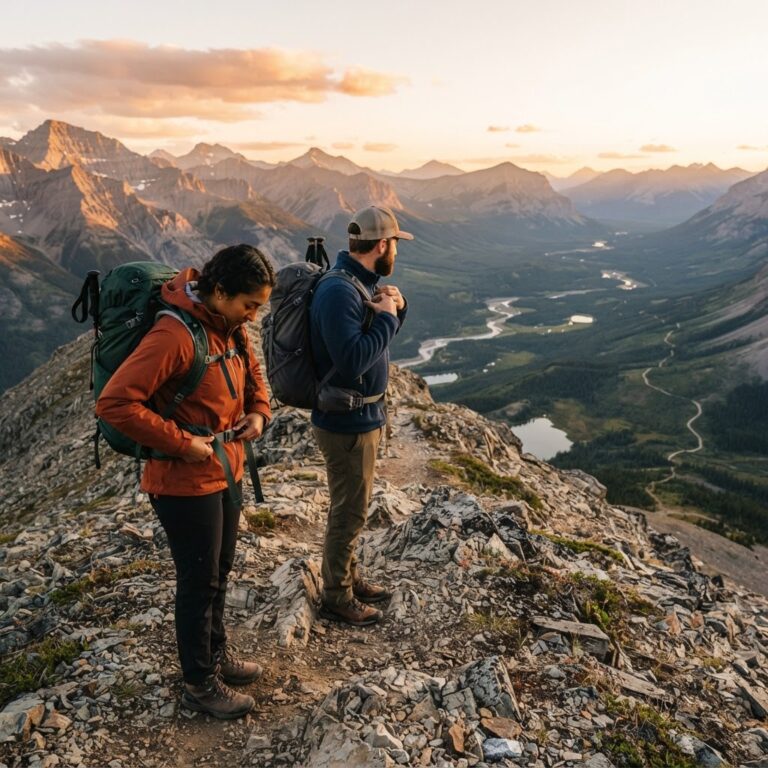
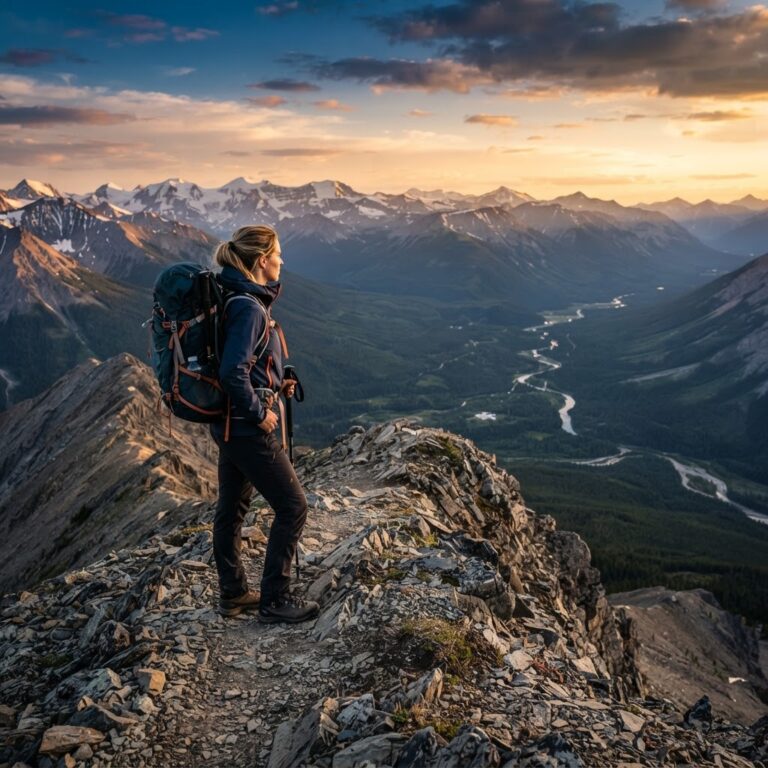
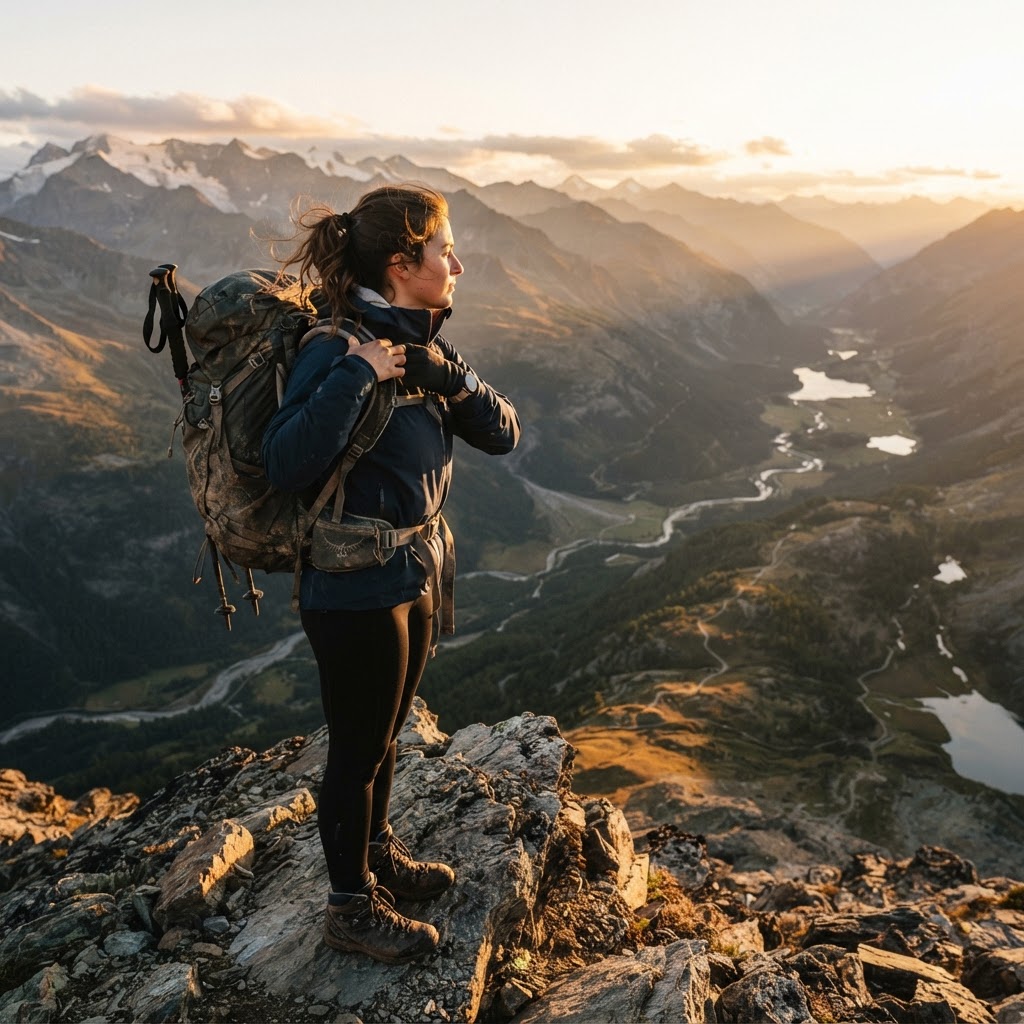
Imagine standing on a mountain ridge with nothing but the gear on your back, feeling completely untethered from your daily office grind. For many entrepreneurs and marketers that image is the perfect reset, and backpacking adventure trips deliver it, if you approach them with a little planning and the right mindset.
This guide will help you trade your stress for trail bliss by mastering efficient packing, basic wilderness survival skills, and smart gear choices. Think of it as a playbook that lets you focus on the view, not the weight on your shoulders.
Table of Contents
- Mastering the Art of Efficient Packing for Backpacking Adventure Trips
- Essential Wilderness Skills and Safety
- Comparing Backpacking Gear Categories
- Frequently Asked Questions
- Final Thoughts
Mastering the Art of Efficient Packing for Backpacking Adventure Trips
Efficient packing is where a trip becomes enjoyable or a slog. The goal is not to deprive yourself, it is to eliminate unnecessary weight while keeping comfort and safety. The ultralight backpacking philosophy is a mindset and a skill set that helps you shed pounds without losing functionality. Whether you plan a weekend shakeout or a weeklong trek, what you pack will define how you feel at mile ten and at mile twenty.
The Ultralight Philosophy
Ultralight backpacking is about value per ounce. Ask yourself what each item does, whether it has multiple uses, and whether a lighter alternative exists. For example, a single pot can serve to cook, boil water, and wash dishes. A buff or lightweight hat can be sun protection, a sweat wiper, and an extra insulation layer. Prioritize items that pull double duty.
Start by weighing everything you plan to carry, then challenge any item over a certain threshold. Replace heavy cotton clothing with quick drying fabrics, choose a sleep system rated for expected temperatures rather than an overbuilt one, and trim toiletries to the essentials. Practicing at home with a loaded pack tells you quickly which items are truly necessary.
Essential Gear Checklist for Beginners
For newcomers to backpacking, a simple checklist reduces anxiety and prevents forgotten essentials. At minimum bring a properly sized backpack, a tent or shelter you can set up in the dark, a sleeping system matched to the weather, reliable footwear, a way to filter or treat water, fire starting supplies, basic first aid, and navigation tools such as topographic maps and a compass.
Pack smart by organizing items into baseline categories: sleep, shelter, cook, clothing, navigation, and emergency. Use compression sacks or dry bags to keep things tidy and to find gear quickly. Test your full kit on a one night trip near home before committing to multi day routes. If you need a refresher on broader camping skills that pair well with backpacking, the practical tips in 10 Best Tips and Tricks to Follow When Tent Camping are a useful complement when you are planning tent setups and campsite routines.
Essential Wilderness Skills and Safety
Confidence in the backcountry comes from practice in foundational skills. Navigation, weather awareness, basic wilderness survival techniques, and Leave No Trace principles are the pillars that keep trips safe and enjoyable. Learning to rely on topographic maps and simple gear rather than an always on phone will expand where you can go and how long you can stay comfortable.
Navigation Without Cell Service
Phone batteries die and signals fade, so learn to use topographic maps and a compass. Reading contour lines shows where ridges and valleys lie, and understanding scale helps you judge distance and pace. Before you leave, mark your route on a paper map and note key waypoints such as trail junctions and water sources. Practice map reading in familiar areas until interpreting relief and identifying features becomes second nature.
Even on established trails, topographic maps reveal alternative routes or escape options if weather turns or a trail becomes impassable. Carrying a lightweight navigation toolkit gives you redundancy and reassures your planning when you are caring for a group or answering the logistics of a marketing retreat that doubles as an outdoor team building trip.
Leave No Trace Principles
Leave No Trace is not optional, it is the code that keeps public lands healthy for future trips. The core ideas are simple, and they matter more the farther you go. Camp on durable surfaces, pack out all trash, minimize campfire impact, and respect wildlife by storing food properly and observing from a distance.
When you follow Leave No Trace you protect water sources and plant communities, and you reduce the chance of wildlife conflicts that create stricter regulations for everyone. For posts that dig into solo safety and campsite selection rules that align with Leave No Trace, the guidance in Best Tips for Solo Camping in the Mountains: A Complete Guide provides actionable strategies you can apply when you plan a solo overnight on trail.
Comparing Backpacking Gear Categories
Choosing gear is about matching tools to terrain and trip goals. A coastal hike with sandy approaches calls for different footwear and shelter choices than a high altitude ridge route. Consider the trade offs between durability, weight, and function. For many small business owners planning a corporate retreat in nature, balancing comfort and packability ensures team members with varied experience levels stay engaged.
Sleeping Systems Breakdown
Sleeping systems include a sleeping bag or quilt, a sleeping pad, and sometimes an insulated liner. Quilts reduce weight by removing the back insulation where your body compresses it. Sleeping pads vary from lightweight foam to air pads with higher comfort. Consider expected temperatures and your comfort priorities. Testing your sleep system in a backyard or a nearby campsite removes doubt and reveals whether you need more insulation or a thicker pad.
When picking a rating for the sleeping bag or quilt, base it on the lowest temperature you expect, not the average. That avoids cold nights that ruin morale. A small addition like a liner or a warmer clothing layer can extend the usable range of a sleep system without adding much weight.
Hydration and Filtration Methods
Hydration is simple in principle but essential in practice. Choose a system that is easy to use on the trail so you actually drink enough. Methods include gravity filters, pump filters, chemical treatments, and boiled water. For groups, gravity filters speed refills. For solo hikers, light chemical treatment or a compact filter can be preferable. Always carry a spare container and a backup treatment method in case of failure.
A topographic map helps you plan water resupply points. If you know where streams and springs exist along your route, you can carry less water and rely on filtration. However, in dry seasons or alpine circuits where water is scarce, plan to carry larger volumes and conserve accordingly.
Pro tip: Lay out your full pack and simulate a day on trail before you leave. Walk a few miles locally, adjust clothing and food placement, and make note of items you reach for frequently so they are easy to access.
Frequently Asked Questions
How do I prevent blisters while hiking?
Preventing blisters starts with properly fitted footwear and the right socks. Break in new shoes on short walks and use moisture wicking socks to reduce friction. Keep your feet dry by changing socks if they become soaked, and treat hot spots early with tape or a blister patch. Trim toenails and keep calluses managed, and consider foot powders or liners for routes with lots of elevation gain to limit rubbing.
What is the best way to store food to keep bears away?
Store food away from your sleeping area, using approved bear resistant containers or hanging food from a tree when containers are not required. Keep all scented items such as toiletries and trash with food storage. At designated campsites follow posted rules, and when in bear country always prepare meals a distance from tents and clean up completely after cooking. Proper storage reduces wildlife conflicts and protects both visitors and animals.
How many miles should I hike per day as a beginner?
As a beginner a sensible target is six to eight miles per day on moderate terrain. Start with shorter days to build confidence and prevent overuse injuries. Consider elevation gain, trail conditions, and group fitness when planning. Plan for flexibility, set achievable mileages for the first day, and leave spare time to enjoy viewpoints and rest. Over time you will learn your comfortable daily mileage and can adjust plans accordingly.
Final Thoughts
Backpacking adventure trips are one of the best ways to recharge and build resilience as a busy professional, and with the right packing strategy, navigation skills, and gear choices you will arrive at the ridge ready to enjoy the view. Start small, practice core skills, and iterate on your kit so each trip teaches you how to travel lighter and stay safer.