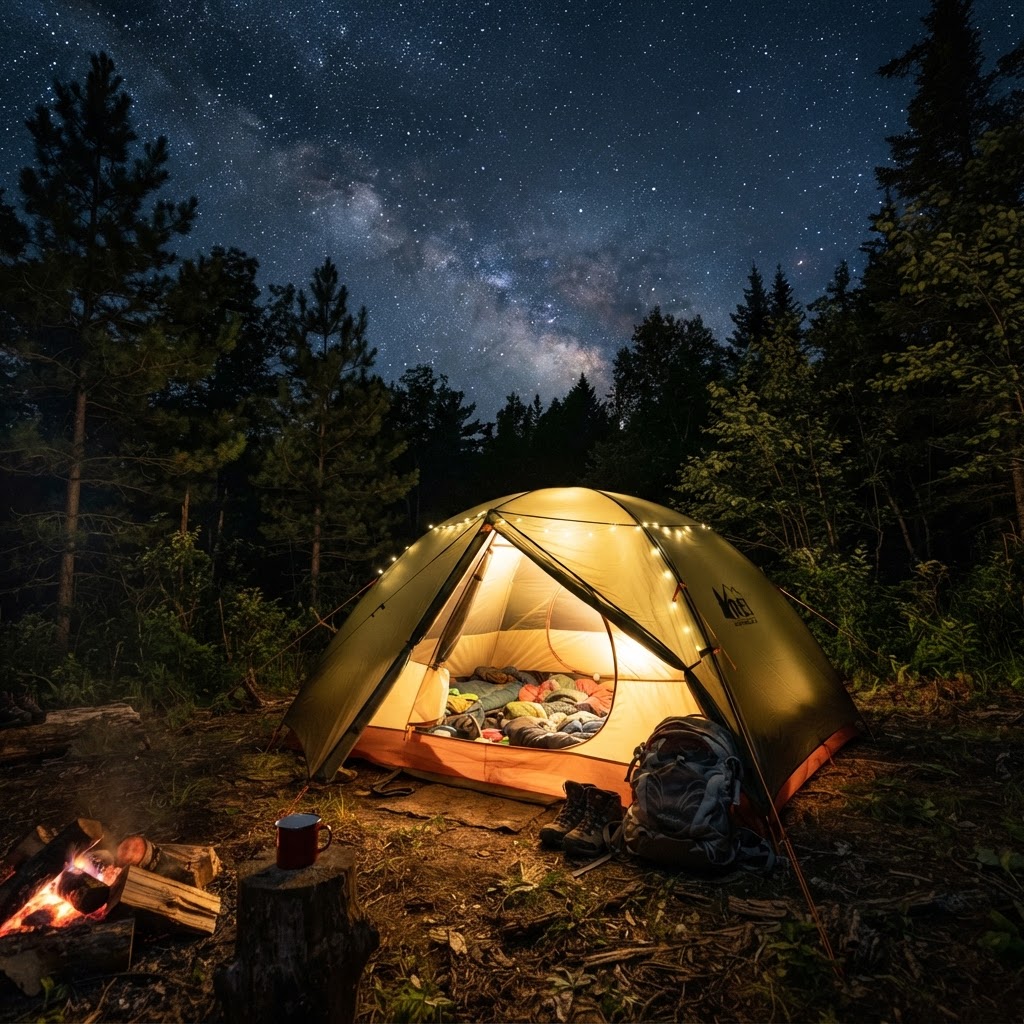

TL;DR:
- Pick a campsite that matches your comfort level and check weather, water, and road access before you go.
- Invest in a reliable tent and sleeping system, pack smart with layers and a simple checklist, and practice setting up at home.
- Set up camp thoughtfully, follow Leave No Trace basics, and leave the spot cleaner than you found it.
Heading out on your first camping trip can feel like stepping into a different world — one where your schedule is set by sunrise and the grocery store is a cooler in the back of your car. It’s exciting, a little daunting, and absolutely doable with a bit of planning and the right gear. This guide walks you through everything a beginner needs to go from nervous novice to confident camper.
We’ll cover choosing where to camp, essential equipment, packing hacks, hands-on setup tips, and the ethics of camping so you and the places you visit both have a great experience. Read it before your trip, bookmark the packing lists, and don’t worry — most things are simple once you’ve done them once.
Table of Contents
- Planning Your First Outdoor Escape
- Essential Gear and Packing Hacks
- Mastering Camp Life and Etiquette
- FAQ
Planning Your First Outdoor Escape
Choosing between state parks and private campgrounds
One of the first decisions you’ll make is where to camp. For first-timers, the choice often comes down to state parks versus private campgrounds — both have pros and cons, and the right pick depends on what you want from the trip.
State parks are great if you want scenic natural settings, established trails, and a true “outdoor” feel. They usually have basic facilities like pit toilets or flush toilets, sometimes showers, and ranger staff who can answer questions. Campground plots may be more spread out, which helps with privacy and that “wild” feeling. Reservations can be competitive during peak season, so book in advance if you have specific dates in mind.
Private campgrounds often offer more amenities: electrical hookups, full bathrooms with hot water, Wi-Fi, small stores, and organized activities. If you’re easing into camping with kids or want a hybrid of comfort and outdoors, a private campground might be the easiest first step. They also often have clearer maps, staff on-site, and stricter rules that can make a beginner feel more secure.
Quick decision guide:
- If you want more solitude and nature, choose a state park.
- If you want convenience and amenities (especially your first time), choose a private campground.
- Read reviews and look at campsite photos — proximity to bathrooms, shade, and privacy matters.
Checking weather forecasts and seasonal conditions
Weather can make or break a camping trip, especially if you’re new to it. A sunny weekend with mild temperatures feels effortless; a rainy weekend without the right gear can be miserable. Before you leave, check forecasts for the campsite and surrounding area, not just the city nearest to you.
Some practical steps:
- Look at a 10-day forecast to understand trends (daytime highs, nighttime lows, precipitation chances).
- Pay attention to wind and humidity — high winds can make tent setup difficult, and humidity affects how warm you’ll feel at night.
- Check trail conditions and road closures with the park or campground website or local ranger station, especially in spring and fall when snowmelt or storms can change access.
Bring layers for temperature swings. Even in summer, nights can be chilly at higher elevations. If rain is in the forecast, pack tarp material, a waterproof jacket, and quick-dry clothing. Don’t let an unexpected shower turn your trip into a soggy disaster — be prepared, but don’t be scared away by a little drizzle when you have the right gear.
Essential Gear and Packing Hacks
Investing in a reliable tent and sleeping system
Your tent and sleeping setup are the backbone of comfortable camping. They determine how well you sleep, how protected you are from the elements, and how much stress you have at night. For a first-time camper, buy quality rather than buying the cheapest option you find.
What to look for in a tent:
- Capacity: Don’t squeeze. A “3-person” tent is snug for two adults plus gear. Choose one size up for comfort and gear storage.
- Season rating: Most beginners need a 3-season tent (spring, summer, fall). If you’re camping in winter, seek a 4-season tent built for snow and wind.
- Ease of setup: Freestanding tents with color-coded poles are beginner-friendly and fast to pitch.
- Quality materials: Durable floor fabric and a good rainfly will keep you dry. Seam-taped floors and zippers matter.
Sleeping system essentials:
- Sleeping pad: Provides insulation and comfort. Inflatable pads are comfortable; closed-cell foam pads are lightweight and reliable.
- SLEEPING BAG: Match the bag to the expected nighttime temperatures. Look for a comfort rating a few degrees lower than the lowest expected night temp.
- Pillow or stuff sack with clothes: Little things like a real pillow or filled stuff sack make a huge difference for sleep quality.
Before heading out, set the tent up once in your yard or living room. Practice inflating your pad and zipping your bag. This avoids fumbling in the dark on arrival and helps you troubleshoot missing or broken parts ahead of time.
Smart packing strategies for beginners
Packing efficiently saves space, weight, and headaches. For a beginner, the goal should be to have everything you need — and nothing you don’t. Here are packing strategies that make the process repeatable and stress-free.
Make a checklist and use it every trip. Break it into categories: shelter, sleep, clothing, cooking, water/food, safety/navigation, personal items. Keep a digital photo of the checklist in your phone for quick reference.
Packing tips:
- Layered clothing: Base layer (moisture-wicking), insulating layer (fleece or down), and a waterproof shell. That combo covers most conditions.
- Use packing cubes or dry bags: Group items by function — cooking gear, first aid, hygiene — to find things quickly at camp.
- Bring a dedicated camp bag: Keep daily-use items like headlamp, sunscreen, snacks, and a water bottle in one easy-to-reach pack.
- Food planning: Simple meals reduce stress. Think one-pot dishes, foil packets, and items that store well. Pack extra snacks and a backup meal.
- Water strategy: Know if the site has potable water. Bring enough or bring a reliable water filter/purification tablets.
Packing hack: Place heavier items in the middle and close to the back of your vehicle for stability. A small “first night” bag with a flashlight, sleep kit, and minimal cooking gear prevents midnight expeditions through a packed car to find essentials.
Mastering Camp Life and Etiquette
Setting up your tent like a pro
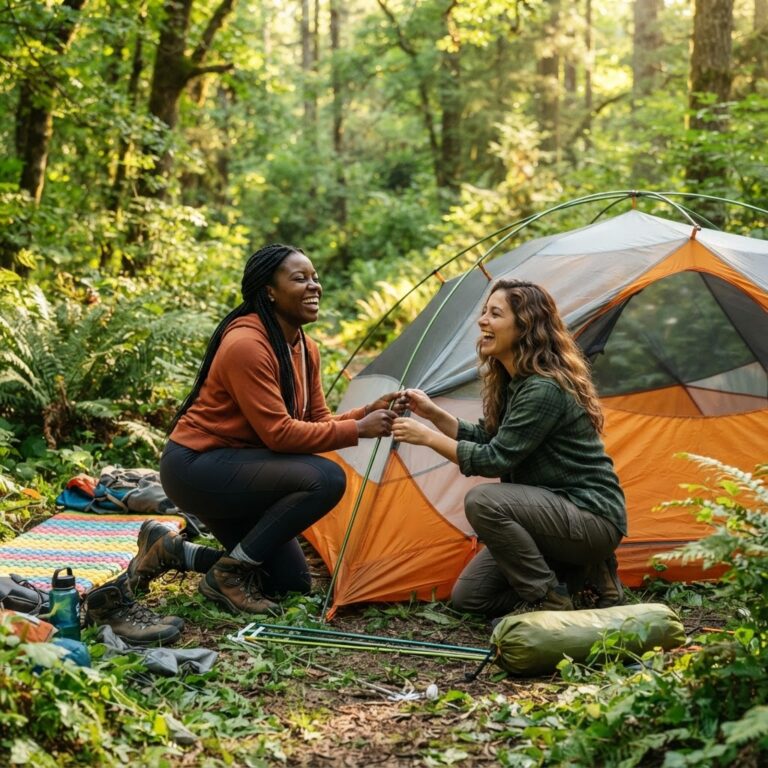
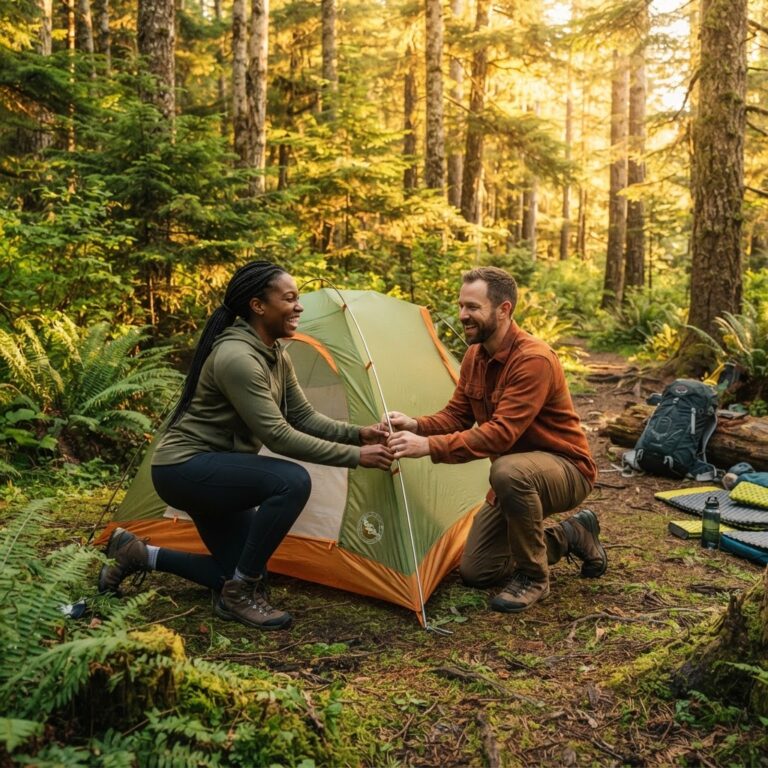
Arriving at your site feeling calm is half the battle. A smooth setup gives you confidence and more time to enjoy nature. Follow these steps to set up efficiently:
- Choose the right spot: Look for level ground, natural drainage, and ground that’s not rocky. Avoid low spots where water pools in a storm, and look overhead for dead branches.
- Clear debris: Remove sticks and rocks to protect your tent floor and for comfort.
- Lay a footprint or tarp: A footprint under the tent protects the floor. Make sure it doesn’t extend beyond the tent perimeter to avoid pooling water between tarp and tent floor.
- Pitch the tent: Assemble poles and loosely attach them, then lift and stake the corners. Add guylines (if windy) and adjust tension for a taut structure.
- Organize the interior: Shoes in a vestibule, sleeping gear laid out, headlamp accessible. Hang small items like sunglasses or a hat on a loop or inside pocket.
Useful pro tips:
- Angle tent door away from prevailing wind to reduce drafts and blowing rain inside.
- Use guy lines and stakes even in calm weather — they stabilize the tent and reduce flapping noise at night.
- Ventilate: Open vents to reduce condensation build-up overnight. Condensation is normal; ventilation helps manage it.
Quick tip: Practice setting your tent in daylight at home. That saved me from a frantic setup in the dark my first trip — and you’ll thank yourself later.
Understanding Leave No Trace camping principles
Leave No Trace (LNT) is the backbone of responsible outdoor recreation. It’s a set of seven principles designed to minimize human impact on nature. They are simple but powerful, and following them makes every future camping trip better for everyone.
The seven core principles, briefly:
- Plan ahead and prepare — reduce the need for emergency rescues and minimize impact.
- Travel and camp on durable surfaces — use established campsites and trails.
- Dispose of waste properly — pack out what you pack in, including small trash items.
- Leave what you find — don’t take plants, artifacts, or rocks.
- Minimize campfire impacts — use existing fire rings, keep fires small, or use a camp stove when appropriate.
- Respect wildlife — observe from a distance and store food securely.
- Be considerate of other visitors — keep noise down and yield on trails.
Applying LNT as a beginner:
- Bring a stash bag for trash and dispose of it at the nearest proper facility.
- Use a camp stove for cooking — small stoves are efficient and leave no scar on the ground.
- Use biodegradable soap and dispose of dishwater at least 200 feet from water sources.
- Pack out toilet paper or use provided facilities; if you must dig a cathole, follow local rules and dig 6-8 inches deep.
When in doubt, leave it better than you found it. That might mean picking up another camper’s small piece of trash or brushing a cleared fire pit back to a natural look when you leave. Respecting the land ensures it stays beautiful and usable for future visitors.
Camp Gear Comparison
Here’s a quick table comparing three common tent/sleeping setups to help you decide what matches your camping style. This comparison focuses on setup time, comfort, and portability — three factors that matter most to beginners.
Choose the setup that matches your trip type. For your first trip, a simple dome tent with a good inflatable pad is a balanced choice: easy to use, comfortable, and available at reasonable prices.
Frequently Asked Questions
What is the most important item to pack for a first-time camper?
The single most important item is a reliable shelter — a tent that keeps you dry and protected. Beyond that, a quality sleeping system (sleeping bag and pad) is vital because a comfortable night’s sleep dictates how much you enjoy the trip. If you had to choose just one non-gear item, bring a good headlamp or flashlight with extra batteries; navigating a campsite in the dark without one is unnecessarily stressful.
How do I stay warm while sleeping in a tent?
Staying warm is a mix of the right sleeping gear, insulation from the ground, and layering. Use a sleeping bag rated a bit lower than the coldest expected night. Pair it with a sleeping pad — insulation from the ground is crucial because cold from the earth will drain body heat. Wear a dry base layer and a warm hat to bed, and bring an insulating layer (like a lightweight down jacket) for surprisingly cool nights. Avoid sweating before bed; damp clothes make staying warm harder. If you’re worried about temperature, add a hot water bottle inside your bag (in a leak-proof bottle) to pre-warm the sleeping area.
Is it safe to camp alone as a beginner?
Camping alone can be safe if you prepare properly, but for your very first night outdoors it’s often easier and more comfortable to go with someone else. If you do camp alone, choose a well-maintained campground, inform someone of your plans and expected return, have a charged phone or emergency locator, and keep your planned route and campsite details written down in multiple places. Practice basic skills ahead of time — setting up your tent, starting a stove, and first aid. Solo camping can be empowering, but respect your instincts and start with shorter, easy trips to build confidence.
Final Thoughts
Camping is one of those hobbies that rewards a little preparation with a lot of joy. Start small, invest in a couple of key items like a good tent and sleeping system, and practice the basics at home. Choose a campsite that suits your desired level of comfort, respect the land with Leave No Trace principles, and keep a sense of curiosity — some of the best camping lessons come from relaxed mistakes and pleasant surprises. Pack smart, plan ahead, and enjoy your first night under the stars; after that, you’ll likely be planning camp two before you get home.