
TL;DR:
- Choose your spot based on ecosystem, access and the kind of solitude you want, from coastal coves to high alpine basins.
- Packing smart matters, focus on a layering system, reliable shelter and practical wildlife safety tools for bear safety and Alaskan climate shifts.
- Respect Leave No Trace principles and local permit rules, and consider remote options like Denali backcountry or Arctic Circle routes for true off grid wilderness experiences.
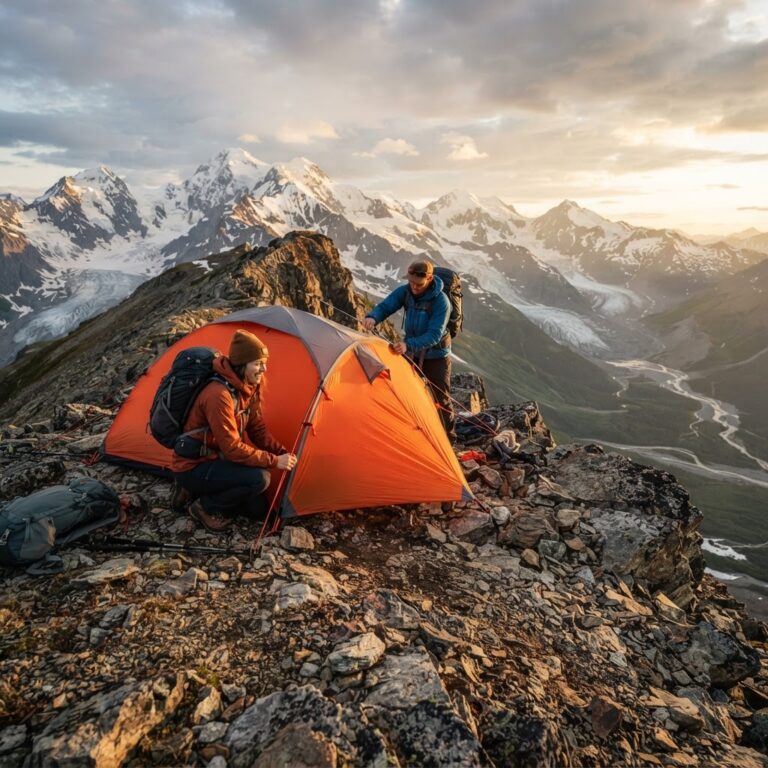
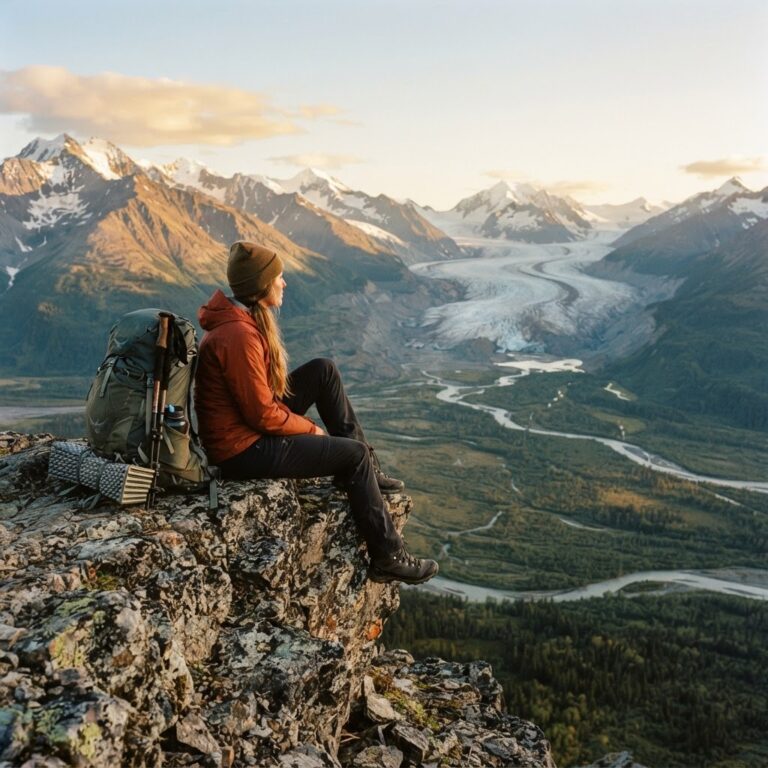
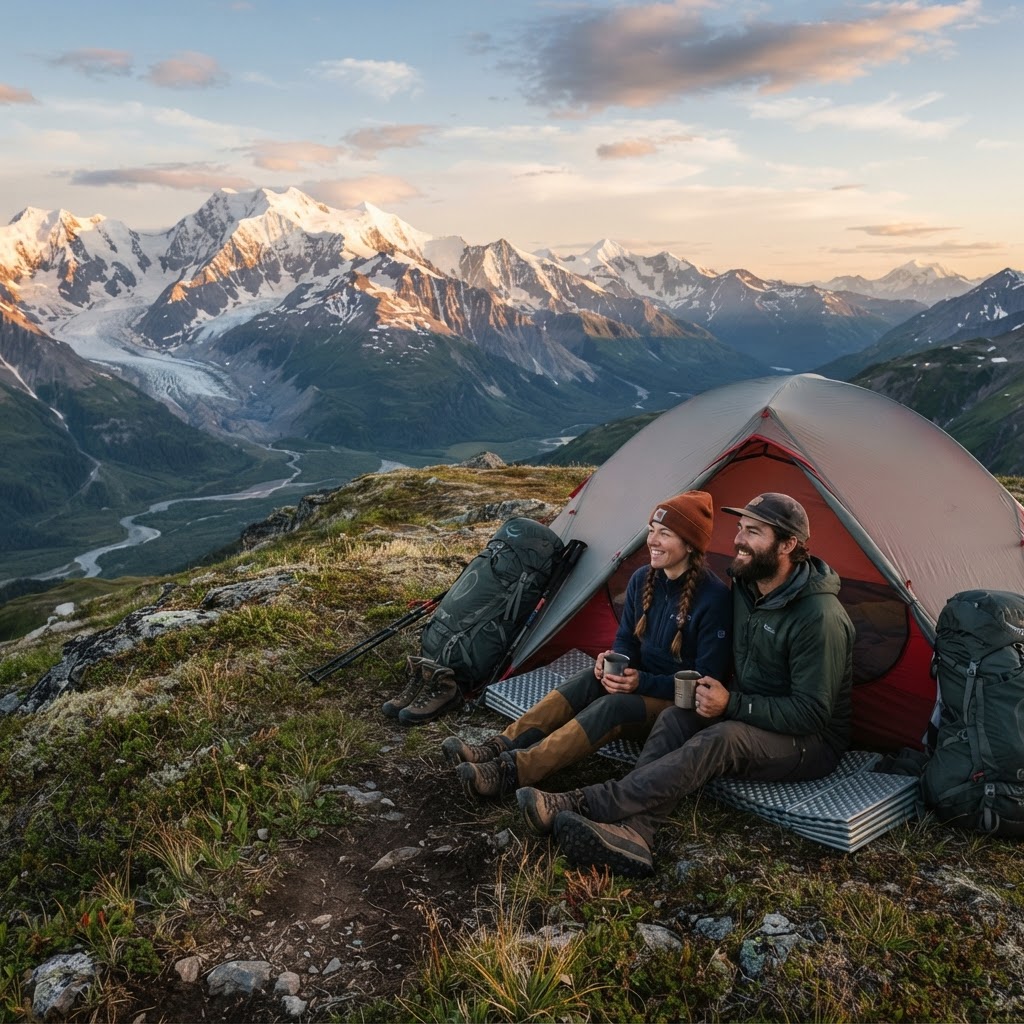
Picture this, you wake before dawn in an Alaskan basin, the sky softens, and there is absolute silence apart from a distant stream. That kind of quiet is rare where the tour buses roll in, and it is precisely what makes camping in Alaska life changing. The wilderness here is not just big, it is generous, and when you prepare right it becomes the ultimate playground for the self reliant explorer.
If you want to move beyond crowded overlooks and drive up campgrounds, this guide is meant to help you choose a true Alaska wilderness sanctuary, pack for weather that can change in an hour, and pick a region that matches your skills and appetite for solitude. I will walk you through coastal versus interior choices, permits and land access, the gear you cannot skip, and where Denali National Park and Arctic routes fit into an off grid plan.
Table of Contents
- Choosing Your Alaska Wilderness Sanctuary
- Essential Gear for Unpredictable Northern Conditions
- Comparing Alaska Camping Regions
- Frequently Asked Questions
- Final Thoughts
Choosing Your Alaska Wilderness Sanctuary for Camping in Alaska
Picking the right place for remote camping in Alaska starts with understanding the character of each ecosystem. Are you after the surf and tide pools, a coastal spit where whales pass close, or an alpine basin far above tree line where the only footprints are yours? Each environment dictates how you travel, what you pack, and how you manage safety. Think of Alaska as a menu of climates. Choose the course that suits your appetite and skill level.
Coastal vs. Interior climates
Coastal zones, such as portions of the Kenai Peninsula and other south coast areas, offer milder temperatures, salt air and dramatic tide influenced landscapes. Expect fog, rain, strong wind and wet ground at times, along with a marine food web that attracts seals, otters and whales. Mosquito pressure can be lower near tidewater, but storms can roll in quickly. If you like kayaking to hidden beaches or fishing from a rocky point, coastal camping rewards with wildlife and easy water access.
Interior Alaska is a different world. Summers can be hot for short stretches, and nights cool fast. The interior includes alpine areas and basins where nights can reach near freezing even in summer. Insects can be relentless in lowlands, and rivers run cold and swift. In this landscape you trade in surf for wide panoramas, tundra flowers and the chance to watch large mammals far from roads. The interior is where you find true backcountry solitude in basins below mountain ridges.
Understanding land access and permits
Access rules vary widely. Many national parks and state recreation areas require permits for backcountry camping, group size limits and designated routes. Denali National Park has a well established backcountry permitting system, designed to spread use and protect fragile alpine areas. Likewise, some state lands require registration for remote river runs or floatplane drop offs.
Beyond formal rules, there are private lands and native corporation lands. Respect boundaries and obtain permission when required. For remote beach spots or mountain basins you may arrive by foot, boat or plane. If you are new to floatplane or river travel, consider hiring a local guide for your first trip. When planning, check park specific pages and local ranger stations, and do not forget to fold Leave No Trace principles into your access planning so that these places stay wild for the next person.
Essential Gear for Unpredictable Northern Conditions
Weather in Alaska can change dramatically over short distances, and that makes gear choices less optional and more critical. Your list should prioritize staying warm, staying dry and staying safe around wildlife. Practical lightweight items that double up are gold. Think less about the lightest possible kit and more about the most reliable kit for the features you will encounter.
The layering system for sub-arctic temperatures
A good layering system is the core of comfort when camping in Alaska. Start with a moisture wicking base layer that moves sweat away from skin. Add a mid layer for insulation, such as a fleece or synthetic top. For the outer layer use a waterproof breathable shell to protect against rain and wind without sealing in sweat. At night, an insulated layer and a sleeping bag rated for colder than expected nightly lows will keep you safe and rested. A warm sleeping pad is as important as your sleeping bag, because ground loss can drain body heat quickly.
Down insulation is lightweight and compressible, while synthetic fills perform better when wet. In coastal wet zones that may see persistent drizzle a synthetic option gives you more forgiveness. Pack a warm hat and warm socks, and keep a dry set of clothes in a waterproof sack so you can change if you get damp. Remember that layered clothing is a tool kit. You can add or remove elements to match activity levels and sudden temperature swings in the Alaskan climate.
Must-have tools for wildlife safety
Bear safety is an essential part of camping in Alaska. Carry a proven deterrent and know how to use it. Store food and scented items in bear proof containers or hanging systems where required, and cook well away from your sleeping area. A sturdy bear resistant container and a cooking protocol that separates camp life will reduce the chance of encounters. Train everyone in your party on basic bear safety and maintain calm if wildlife approaches.
Other safety tools to bring include a reliable map and compass, a waterproof GPS or satellite communicator, and a first aid kit tailored to remote travel. If you plan river travel include repair kits and dry storage for electronics. For backpacking trips, practice setting up shelter and managing your stove in wind and cold before you go. For more on backpacking technique and mindset see this guide to advanced solo trips https://www.camprambler.com/mastering-solo-backpacking-elevate-your-next-adventure-trip-experience. For tent camping fundamentals that translate well to remote Alaska camps consider these established tips https://www.camprambler.com/mastering-the-outdoors-expert-tent-camping-tips-and-tricks-guide.
Comparing Alaska Camping Regions
Now that you understand climates and gear, let us compare three classic options for off grid wilderness camping. Each region offers different travel styles and safety considerations. Think about travel time to the start, the level of remoteness and the ecosystem that most excites you. Denali National Park, for example, offers expansive interior basins and a strong ranger presence but still requires serious planning for backcountry travel and bear safety.
The Kenai Peninsula experience
The Kenai Peninsula is a favorite for people who want remote feel without the logistical headache of weeks in the field. You can find quiet coves, forested ridges and glacier fed rivers within a day of a major town. If you like fishing, tidepool exploration and the idea of paddling between campsites, this is the region to consider. Beach camping here can be sublime, but be mindful of tides and changing weather, and respect local rules about campfires and food storage.
Kenai is also approachable for mixed experience groups. You will encounter more visitors than in the Arctic, but the scale makes it easier to bail out if the weather turns or an injury occurs. For coastal wildlife viewing, low tide walks and glacier views, this region offers an accessible taste of Alaskan wilderness.
Arctic Circle backcountry exploration
For a truly remote experience head north into Arctic Circle territories and the Brooks Range. This is where the landscape opens to tundra, where midnight sun can stretch the day into long explorations, and where rivers and permafrost create a unique travel environment. Expect fewer services, unreliable cell coverage and insects that can challenge your patience when the weather is calm.
Trips here require strong navigation skills, experience with river crossings and a willingness to travel light yet prepared. The reward is vast solitude and ecosystems that still feel untouched. If you are drawn to this level of remoteness, study river travel, pack for quick weather shifts and practice Leave No Trace principles at every step. For more on surviving and preparing for Alaska grade wilds, this survival guide is a solid companion https://www.camprambler.com/camping-in-alaska-survival-tips-and-wilderness-preparation-strategies.
Pro tip: When planning a multi day trip to Denali or the Arctic, build flexible exit options into your itinerary, and check in with local rangers or pilots the day before departure for the latest conditions and wildlife alerts.
Frequently Asked Questions
Is it safe to camp alone in the Alaska wilderness?
Camping alone in Alaska is possible but it requires more preparation than in many other places. Solo campers should have strong navigation skills, a clear emergency plan, a reliable means of communication and a solid understanding of local wildlife risks, especially bear safety. Consider shorter solo trips close to access points for your first outings, and practice self rescue skills. Register your plan with a ranger or a trusted contact and carry a satellite communicator if you will be out of cell range. It is safer to travel in pairs for remote routes, but experienced solo travelers do camp here responsibly by emphasizing redundancy in gear and strict food storage protocols.
What is the best month for camping in Alaska?
The best month depends on region and priorities. For general access, mid June through July gives the most stable weather and daylight for most areas, and it aligns with peak recreational season. Coastal regions can be reliably visited from June through August. Interior basins and Denali backcountry are often most friendly in June and July before trails and rivers see heavier late season run off. If you want to avoid crowds and do not mind cooler nights, early June can offer excellent solitude. Late season travel in August can bring more rain and shorter days. Always check local conditions before booking travel.
How do I store food safely from bears in Alaska?
Secure food storage is essential. Use bear resistant containers where required, and if those are not available use a robust hanging system set at the correct distance from camp and high enough off the ground. Cook and store food at least 100 yards from your sleeping area when feasible. Keep scented items such as toiletries and cooking gear with your food storage. Do not leave food unattended and clean cook areas thoroughly to remove residue. In many parks and high use areas bear proof lockers are provided. Learning the local recommended method before you leave, and packing a food storage plan for every day, reduces the chance of attracting wildlife and increases your safety.
Final Thoughts
Camping in Alaska is about choosing the right wild for your skills, packing gear that keeps you dry and warm, and respecting the land and its animals through Leave No Trace and careful planning. With thoughtful preparation the quiet you find in a remote basin can become one of the most memorable experiences of your life.