

TL;DR:
- Plan a detailed itinerary, share it with a trusted contact, and use topographic map navigation and mountain weather forecasting to avoid surprises.
- Pack reliable communication tools like a Personal Locator Beacon, carry compact power backups, and prioritize essential camping gear for solo trips, including bear canisters and layered shelter.
- Practice Leave No Trace principles, manage food and wildlife risks proactively, and choose a camping system that fits the terrain and your fitness level.
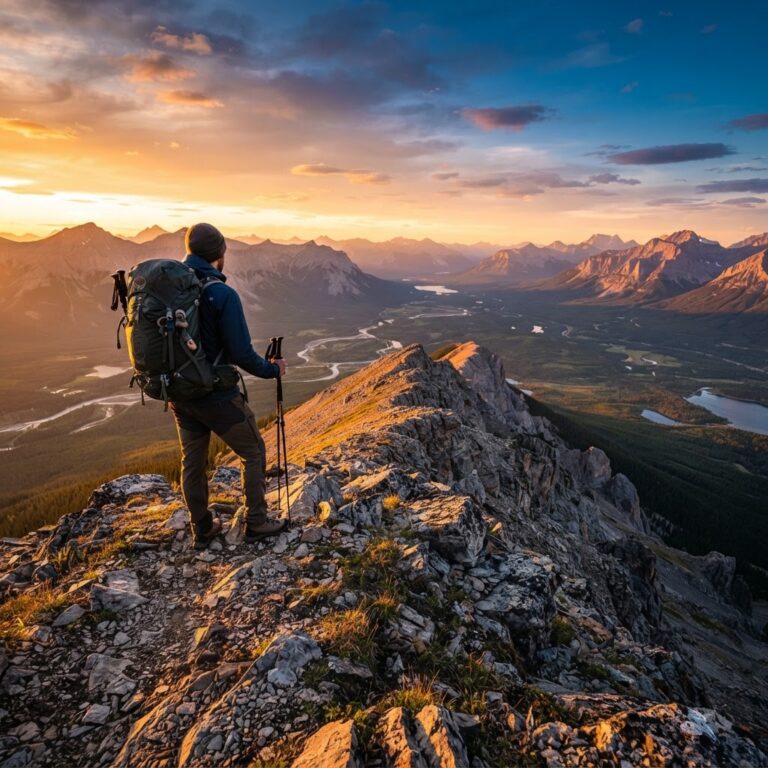
There is a profound, meditative silence found only when you are truly alone in the high country, yet that same silence requires a disciplined approach to safety. For many entrepreneurs and digital marketers, solo trips into the mountains become short retreats for focus and creative work, but those rewards come with responsibilities that are not optional.
This guide lists the best tips for solo camping in the mountains, blending practical safety protocols with gear advice and navigation techniques. Think of it as a checklist you can use to transform a risky idea into a well executed, restorative trip.
Table of Contents
- Essential Planning and Safety Protocols
- Mastering Your Gear for Solo Efficiency
- Comparison of Essential Solo Camping Systems
- Frequently Asked Questions
- Final Thoughts
Essential Planning and Safety Protocols: Best Tips for Solo Camping in the Mountains
Good planning turns solo mountain camping from a gamble into a calculated experience. The core of solo mountain camping safety is preparation, clear communication, and respecting the environment. That means building an itinerary that others can follow, checking mountain weather forecasting often, and learning to read the land with topographic map navigation. These steps reduce uncertainty and keep you connected to help if you need it.
Developing a detailed trip itinerary
Before you step into the trailhead, create a trip itinerary that is precise enough for someone on the outside to act on. Include daily mileage goals, planned campsites, estimated times of arrival and departure, emergency exit routes, and the cell coverage expectation. Send this itinerary to a trusted contact and set scheduled check in times. If those check ins are missed, your contact should know when to initiate a welfare check with local authorities.
Build redundancy into the plan. Carry a written copy of your itinerary sealed in a waterproof bag, and store a digital copy on your phone or cloud drive. Include topographic map navigation notes, major terrain features, and the coordinates of your planned campsites. Practicing your route on a map before you go reduces decision fatigue in the field and helps you spot exposed ridgelines, creek crossings, and other potential hazards.
Permits and local regulations belong in the itinerary too. Many mountain areas require permits for camping, group size limits, or seasonal closures. Knowing the rules prevents fines and ensures access to the designated zones that are often safer and monitored.
The importance of checking mountain weather patterns
Mountain weather forecasting is a different discipline than valley weather watching. Conditions change quickly with elevation, and what is sunny at the trailhead can become an afternoon thunderstorm at timberline. Check forecasts for the specific elevation band where you will travel, then monitor for updates within 24 hours of departure and during the trip when possible.
Look for patterns, not just numbers. If forecasts show a weather front moving in with temperature drops and wind shifts, change your plan. Afternoon storms are common in many ranges, so aim to complete exposed travel before noon. Pay attention to rapid temperature swings that can lead to hypothermia at night, even in summer, and to snowfall warnings that can make passes impassable. When you plan your route and campsite selection, choose shelter sites that minimize exposure to wind and lightning and allow for safe descent if the weather turns bad quickly.
For context on foundational skills that support planning, review field level techniques in established camping guides. A practical skills refresher is often the difference between a recoverable mistake and a true emergency. For those who want a broader primer on basic outdoor skills, this resource on essential camping skills provides a useful refresher How To Master Camping: Essential Skills For Your Next Adventure.
Mastering Your Gear for Solo Efficiency
Selecting gear for solo mountain travel means balancing weight with redundancy and safety. As a solo camper you cannot rely on partners to lend a hand with heavy equipment or to share emergency items. Your packing choices should make you self reliant, comfortable, and capable of responding to common mountain incidents. Prioritize items that save time and reduce the risk of exposure.
Lightweight gear selection for single hikers
The goal for essential camping gear for solo trips is to maximize functionality per ounce. For shelter, consider a tent or shelter system that matches the season and expected wind. A three season tent will suit most summer trips, while higher altitude or shoulder season travel benefits from a sturdier shelter. Sleeping systems should aim for temperature ratings below expected lows. Layering with a light insulated jacket and thermal base layers offers versatility and compresses down small in a pack.
Food planning matters for both weight and wildlife. Pack calorie dense, lightweight food that is easy to prepare. Use bear canisters where required and consider odor proof storage where required. Cooking near camp increases smell footprint, so plan to cook away from sleeping areas. Keep food and scented items stored separately from your sleeping area to reduce wildlife encounters. For practical tent tips and campsite setup that help with comfort and wildlife awareness, this guide to tent camping walks through useful techniques Ultimate Tent Camping Tips & Tricks for an Amazing Outdoor Adventure.
Emergency communication devices and power backups
In remote mountain terrain, a Personal Locator Beacon, known as a PLB, is the most reliable way to summon help. A PLB sends a distress signal to search and rescue authorities with your coordinates. If you prefer two way messaging for routine check ins, satellite communication devices can be useful, however they require subscriptions and management. Carrying a PLB does not replace good planning, but it provides a fail safe when an injury or unforeseen event makes self rescue impossible.
Power management is often overlooked. Carry a compact high capacity power bank and consider a lightweight solar panel for extended trips. Keep essential electronics like headlamp batteries, navigation devices, and emergency comms on separate power reserves. Store your topographic map navigation tools and compass in a dedicated pouch so they are quickly accessible when you need them most. For a trip focused on distance and efficiency, review lightweight backpacking packing lists to inform your choices 10 Best Tips for Enjoying Your Next Backpacking Adventure Trips.
Comparison of Essential Solo Camping Systems
Picking the right camping system is a combination of your route, expected weather, and how much weight you are willing to carry. Below is a practical overview of three common systems for solo campers. Each system has trade offs in weight, protection, and complexity. Use this comparison to match a system to the environment and your own skill level.
Shelter types for high-altitude conditions
Shelter choices include a lightweight freestanding tent, a tarp and bivy combination, and a more robust four season tent. A lightweight tent offers a good balance of protection and comfort for most conditions. A tarp and bivy setup minimizes weight and footprint but requires more skill to orient for wind and rain. A four season tent provides the most protection in severe conditions, especially in exposed, windy or snowy environments, but it adds weight.
Cooking systems for lightweight solo travel
Cooking systems vary by fuel type and burner design. Canister stoves are compact and easy to use in fair weather, while liquid fuel stoves perform better in very cold conditions and at high altitudes. Alcohol stoves are simple and light but slow for cooking. When choosing a stove, consider fuel availability, the number of days you will be out, and whether melting snow for water will be necessary. Always test your stove at home and carry a small repair kit. Wherever you cook, follow Leave No Trace principles and minimize food waste and spills.
Pro tip: Choose the simplest system you can manage confidently. Complexity increases the chance of error when you are alone. Practice pitching and cooking at home until setup is second nature.
Frequently Asked Questions
Is it safe to camp alone in the mountains?
Solo mountain camping can be safe when you reduce risk through planning, training, and conservative decision making. Safety comes from preparation, not daring. Build a detailed itinerary, carry a Personal Locator Beacon, know how to navigate with a topographic map and compass, and avoid high risk maneuvers like unroped travel on technical terrain. Respect local warnings and mountain weather forecasting. If you are new to the area, spend a night near the trailhead to practice your systems before heading deeper.
What is the most important piece of gear for a solo camper?
The most important piece of gear is the one that gets you help if you cannot self rescue. For most solo campers that is a Personal Locator Beacon. After that, a reliable shelter and proper clothing for expected conditions are essential. Navigation tools such as a topographic map and compass are critical to avoid getting lost. Think in layers of redundancy. If one item fails, you should have a backup that keeps you safe until you can exit or be rescued.
How do I manage bear safety while camping by myself?
Managing wildlife risk starts with behavior and storage. Use bear canisters where required, and when not required use proven alternatives such as hanging food away from camp if conditions and regulations allow. Always cook and store food at a distance from your sleeping area. Keep scented items like toiletries and trash sealed with your food. Set up camp in an open area away from animal trails and berry patches. If you are in bear country, learn how to use non lethal deterrents and make noise when moving at dusk or dawn. Practicing these habits lowers the chance of an encounter and helps you follow Leave No Trace principles.
Final Thoughts
Solo camping in the mountains offers clarity and focus that is rare in daily life, but safety is the price of solitude. By planning in detail, choosing the right gear, and practicing sound navigation and wildlife habits, you can enjoy that silence with confidence.