
TL;DR:
- Choose a campsite with drainage, shelter from prevailing wind, and a level sleeping area to maximize comfort and safety.
- Prioritize a layered sleeping system and smart gear organization to sleep well and move quickly, even on tight schedules.
- Invest time in gear maintenance, tent ventilation, and Leave No Trace practices to extend gear life and protect the places you use.
Transforming your camping trip from a test of endurance into a relaxing escape is all about the little details you prepare beforehand. Think of these tips as your blueprint for turning a patch of dirt into a five star wilderness retreat, so you can focus on the creative break you need to recharge and come back sharper at work.
Whether you are a digital marketer planning a weekend reset, an affiliate marketer testing outdoor gear, or a small business owner craving clarity, the best tips and tricks to follow when tent camping below will help you camp with confidence, comfort, and minimal fuss.
Table of Contents
- Strategic Site Selection and Setup
- Maximizing Comfort and Efficiency
- Essential Gear Comparison and Maintenance
- Frequently Asked Questions
- Final Thoughts
Strategic Site Selection and Setup
Choosing the right campsite and setting up well are foundational to a calm, productive camping experience. When you think about campsite selection it is similar to choosing a location for a pop up event, the right spot reduces stress, increases safety, and makes the rest of the trip effortless. This section covers how to find that ideal spot and how to pitch your shelter so it performs when the weather or bugs test you.
How to Scout the Perfect Campsite
Scout for drainage first, then for convenience. Look for level ground that is slightly elevated relative to surrounding areas to avoid pooling water if it rains. Avoid low spots, narrow gullies, and the direct path of run off from hills. Check for a natural windbreak such as a stand of trees or a rock formation that blocks prevailing winds without placing you under dead branches. In the same way a marketer chooses a high visibility channel but not one saturated with noise, pick a site that offers protection and clarity.
Consider proximity to water for convenience, but maintain distance to avoid bugs and flood risk. A good rule of thumb is to be at least 200 feet from streams or lakes. If you are at a developed campground, pick a site that gives you privacy while staying within rules. Pay attention to microclimate, the canopy cover, and sun exposure. Morning sun can warm a cold tent, but too much sun can leave you overheated in the afternoon. Finally, follow Leave No Trace principles, which means use previously impacted sites when available and avoid trampling vegetation.
For those who value learning essential camping skills, this trip is a great opportunity to apply techniques covered in guides such as How To Master Camping: Essential Skills For Your Next Adventure, where site selection and situational planning are covered in more depth.
Mastering Your Tent Pitching Technique
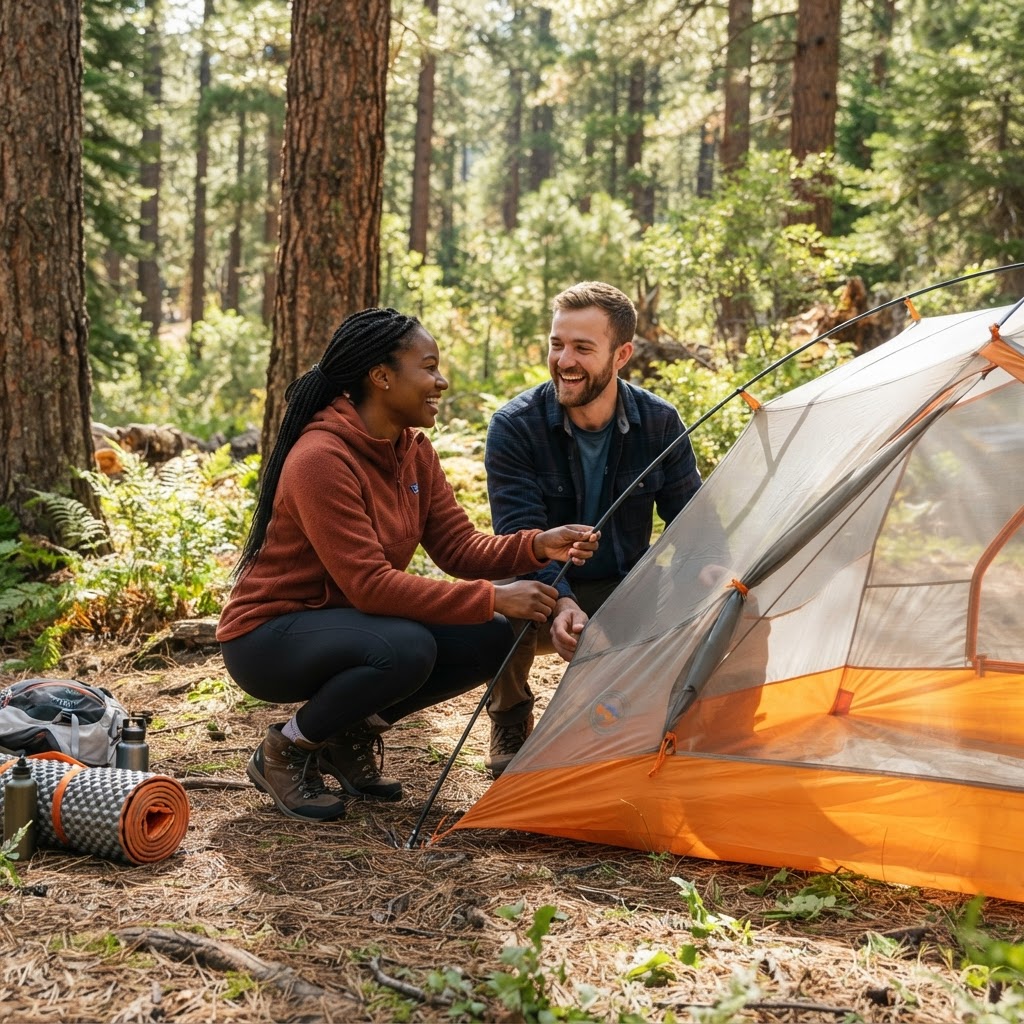
Pitching a tent correctly saves time and keeps you comfortable. Practice at home once so you can pair technique with muscle memory. Start by orienting your tent door away from prevailing wind and toward the morning sun if you want warmer mornings. If possible, place the head of your sleeping area at the highest point of the site to deal with any ground slope.
Stake the tent corners taut, then work around the rainfly and guy lines to add tension. Use natural anchors such as rocks when stakes will not hold. Ensure footprint or groundsheet covers the tent floor completely without sticking out at the edges, to prevent water from being channeled under the tent. Ventilation matters for both condensation control and comfort. Leave vents slightly open when conditions permit, even at night, to reduce moisture buildup inside the tent.
Maximizing Comfort and Efficiency, best tips and tricks to follow when tent camping
Comfort and efficiency are especially important when time is limited and tasks are many. You want to wake up ready to hike, create, or problem solve rather than stiff and cold. This section examines how to build a sleeping system that supports deep rest, and how to manage gear in small spaces so your campsite functions like a lean operation.
Optimizing Your Sleeping System
A reliable sleeping system layers insulation and cushioning. Start with a sleeping pad that matches your body type and tolerance for weight. Add a sleeping bag rated for temperatures lower than what you expect, rather than higher, to provide margin for cold nights. Using a liner or an extra blanket can add warmth without bulk. Think like a marketer stacking small wins to increase conversion. Each layer does a specific job, and together they create a superior result.
Pillow comfort matters more than most people expect. A stuff sack filled with clothing is an easy, lightweight pillow option. If you value compact packing, an inflatable pillow is quick and space saving. Also, consider ventilation and moisture control. If your tent has vents, position them to allow a cross breeze, and leave the rainfly slightly raised if light rain is not forecast to balance warmth and airflow.
Managing Gear and Organization in Small Spaces
Organization reduces friction and annoyance. Use a simple zoning system around your tent, with a sleeping zone, a cooking zone, and a storage zone. Keep electronics and sensitive items in a dry bag inside the tent, and store food away from sleeping areas either in a vehicle or hung from a tree when regulations require. Keeping essentials in a consistent place means you do not waste time searching, which is valuable for entrepreneurs who run on tight schedules.
Small hacks like packing cubes, a dedicated gear list with check boxes, and labeling small bags make loading and unloading faster. If you are learning how to camp in a tent for the first time this structure gives you a repeatable system. For a longer reference on efficient multi day trips consider pairing these organization tips with planning advice from 10 Best Tips for Enjoying Your Next Backpacking Adventure Trips, which covers lightweight packing and route planning strategies.
Essential Gear Comparison and Maintenance
The right gear choice and proper maintenance extend the life of your kit and keep performance consistent. A few decisions based on durability, weight, and ease of use can have outsized effects on your experience. This section compares essentials and gives practical maintenance routines so you get more from every item.
Choosing Between Sleeping Pads and Air Mattresses
When selecting a sleeping surface, weigh comfort against portability and durability. Foam pads are lightweight, puncture proof, and cheap, making them ideal for rough terrain. Air mattresses and inflatable pads offer greater cushion and are preferable for car camping or those who value a soft sleep surface, but they are more vulnerable to puncture and require attention to inflation and repairs. Self inflating pads hit a middle ground, giving insulation and comfort with easier setup.
Match your pad to how you camp. If you are testing products or making affiliate recommendations, knowing these trade offs helps you write better comparisons and set correct expectations for customers. Consider how easy repairs are, and if a puncture patch kit will be needed immediately on the trail.
Maintaining Your Camping Gear for Longevity
Maintenance routines are simple, but they require discipline. After every trip, clean sleeping bags and pads according to manufacturer guidance, air them fully, and store them loosely in dry, cool conditions. Tent fabrics benefit from being fully dry before storage, and zippers should be cleaned and lubricated with appropriate products. Small tears and seam issues are best addressed immediately to prevent larger failures later.
For tents, set them up and inspect seams before a trip. Reinforce stake points with seam sealant when you notice wear. Store foam pads out of direct sunlight and avoid stacking heavy gear on top of them to preserve foam integrity. Regular maintenance reduces replacement costs and keeps your kit field ready. If you want a broader overview of tent camping strategies consider consulting resources like the comprehensive guide at Ultimate Tent Camping Tips and Tricks for an Amazing Outdoor Adventure.
Pro tip: Treat your tent like an office. Keep it clean, ventilated, and organized. A small nightly tidy routine of stowing gear and sweeping floors keeps you comfortable and prevents long term wear.
Frequently Asked Questions
How do I keep my tent dry during heavy rain?
Keep the tent dry by selecting a well drained site away from run off, pitching the tent taut so water sheds rather than pools, and using a properly fitted rainfly. Elevate the tent floor slightly above surrounding ground using a layer of gravel or a compact area when permitted, and position the tent door away from direct wind driven rain. Use a footprint that is slightly smaller than the floor to prevent channeling water under the tent, and ventilate to reduce condensation. If you expect severe weather consider adding guy lines and additional stakes to improve stability. Finally, pack absorbent materials and a towel to remove interior moisture quickly if leaks occur.
What are the best ways to stay warm while sleeping in a tent?
Stay warm by layering insulation both below and around you. Use a sleeping pad with an appropriate insulation rating, a sleeping bag rated for colder conditions than expected, and add a liner or extra blanket for adjustable warmth. Wear dry base layers to bed and use a hat if you run cold. Manage ventilation to limit condensation while retaining heat, and avoid bringing wet clothing into the sleeping bag. Warm water bottles in a water bottle kept in a cozy, can also add targeted warmth without extra bulk.
How can I keep my campsite organized during a long trip?
Maintain order by creating dedicated zones around your tent for sleeping, cooking, and gear storage. Use labeled bags or packing cubes to separate clothing, cooking supplies, and electronics. Implement a nightly routine where you stow food and tidy the cooking area, hang perishable items away from the tent, and clean up trash daily following Leave No Trace principles. Keep a small toolkit and repair kit accessible for quick fixes, and rotate equipment so heavy items remain in the vehicle or central stash to minimize clutter. Regular small tasks prevent build up and make the campsite feel more like a functioning base.
Final Thoughts
Small decisions about site selection, sleeping systems, and gear care compound into big gains in comfort and ease, turning tent camping into a restorative experience rather than a survival exercise.
Plan deliberately, practice setup at home, and treat your campsite with respect, and you will return refreshed, with lessons that apply to both the trail and your daily work.


