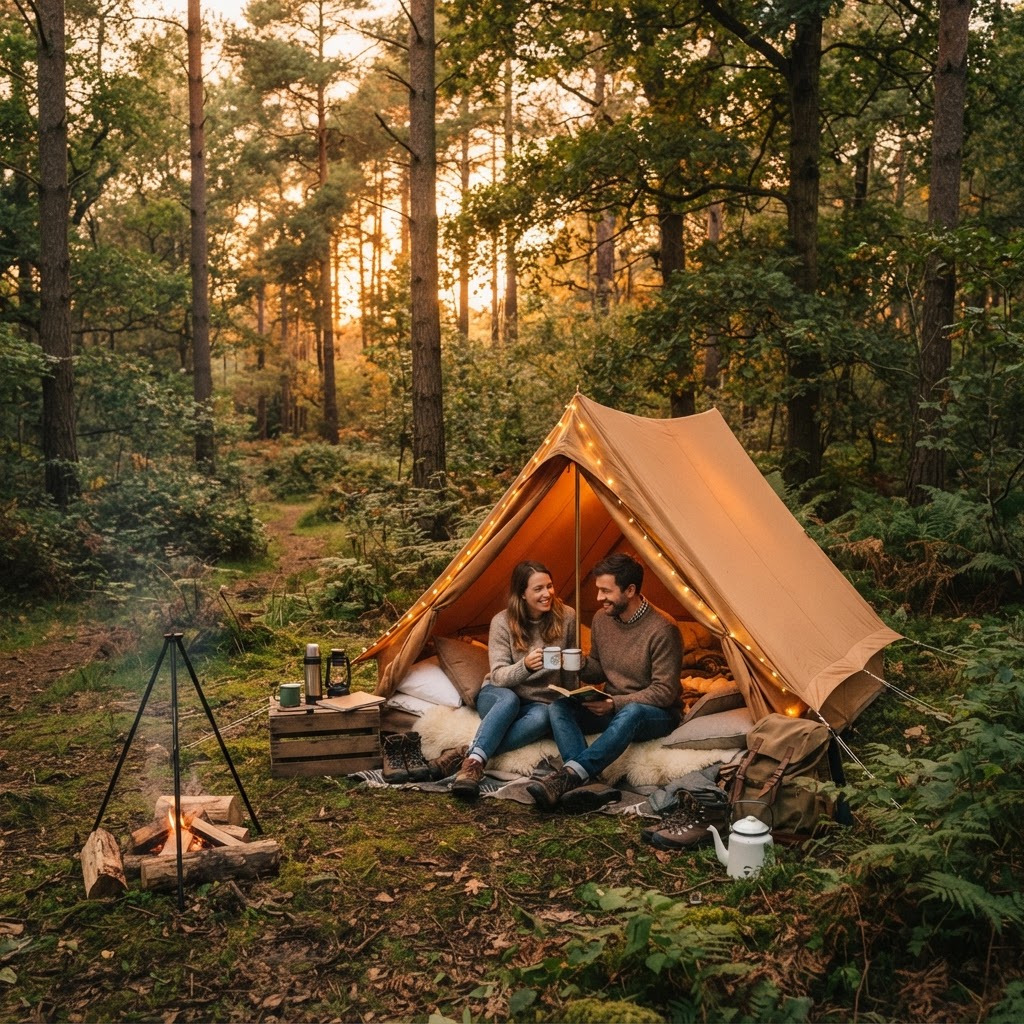

TL;DR:
- Borrow or rent what you will not use frequently, buy core items used, and prioritize lightweight, multiuse gear to keep costs low.
- Choose dispersed sites or nearby public land and travel during shoulder seasons to save on fees and transportation costs.
- Plan meals, pack staples, and focus on comfort through smart layering and simple upgrades rather than expensive gear.
Between your marketing campaigns and tight deadlines, you deserve a break that does not break the bank. Nature can be the reset you need, and knowing how to camp on a budget turns that reset into an affordable habit rather than a rare splurge.
If you work in digital marketing, run small campaigns, or manage affiliate partnerships, the same mindset you use to optimize ad spend applies to planning a camping trip. This guide covers practical steps and cheap camping tips that help you save money, maximize comfort, and get more value from your outdoor time without sacrificing the experience.
Table of Contents
- Essential Gear Hacks for Low-Cost Camping
- Smart Planning for Budget-Friendly Destinations
- Comparing Camping Options: Costs and Benefits
- Frequently Asked Questions
- Final Thoughts
Essential Gear Hacks for Low-Cost Camping
Gear often feels like the biggest upfront cost when you are learning how to camp on a budget. The good news is that smart decisions about what to borrow, rent, or buy used will get you a safe and comfortable setup for a fraction of retail prices. Focus on three things, priority, condition, and versatility. Prioritize safety items first, verify condition before trusting used equipment, and choose items that serve more than one purpose so every dollar goes further.
Borrowing and renting versus buying new
Borrowing or renting is the fastest way to lower costs for an occasional camper. If you only escape to nature a few times a year, borrowing a tent, stove, or sleeping pad from a friend or community group is practical and low risk. Renting is a great middle ground for special trips when you need a high end item temporarily. If you are unsure whether an activity will stick, renting lets you test without the commitment of a new purchase.
When deciding whether to buy new, treat expensive purchases like marketing investments. Choose essentials that you will use frequently such as a reliable sleeping bag, a sturdy tent, or a quality pack. For these items buying new makes sense for warranty and longevity. For niche or bulky items buy used or rent. Always inspect used gear for damage, odor, or water intrusion, and ask about repair history if possible.
Finding high-quality gear at thrift stores and online marketplaces
Thrift stores, second hand markets, and community trade groups are goldmines for cheap camping tips. Look for durable materials, intact zippers, and clean seams. A used tent from a careful owner can last many seasons. Search listings for items with clear photos, honest descriptions, and seller returns or guarantees where possible. Use filters to watch for incoming listings and set alerts for keywords to save time.
Focus on multiuse items that are easy to verify visually. A metal pot serves as cookware and a water container. A tarp can become an emergency shelter, ground cloth, or shade canopy. For clothing, prioritize layering pieces that are clean and free of stains. When buying used sleeping bags or pads consider adding a fresh liner or pad cover. A little cleaning and a few small repairs extend life and make the gear feel new.
Smart Planning for Budget-Friendly Destinations
Where you camp is as important as what you bring. Choosing locations close to home, public land with low fees, or sites that reduce the need for long drives or paid reservations will lower total trip cost. Planning like a marketer, think about friction points that add cost. Reduce those points and your per trip spend drops significantly. Time of year and site type both affect fees, crowding, and convenience.
Choosing dispersed camping sites over commercial parks
Dispersed camping on national forest land or other public areas often means no reservation fees, and in many places it is free. These sites do not have hookups or restrooms, which lowers the cost but adds requirements for planning. Bring water or a reliable filtration system, pack out all waste, and practice leave no trace principles. The payoff is privacy, scenic spots, and a much lighter impact on your budget.
Commercial parks provide amenities and predictable facilities, and sometimes their value is worth the fee. If you want facilities but need to save, look for smaller state or county parks which often have lower fees than larger commercial campgrounds. Also consider weekday stays. Many parks lower rates or have availability midweek, and crowds are smaller which improves the experience while preserving savings.
Planning your trip during off peak shoulder seasons
Traveling in the shoulder season reduces site fees, travel costs, and crowd stress. Off season conditions vary by region, but early spring and late fall are often magnetic times for lower prices and better solitude. Booking outside of major holiday windows avoids premium pricing while giving you flexible dates for cheaper travel and better deals on nearby services.
Timing also affects packing. Cooler shoulder season weather means you might prioritize warm layers and efficient sleep systems rather than cooling gear. That can be less expensive. Use local forecasts and park communications to pick safe dates. Planning ahead for realistic weather and daylight hours keeps surprises low and enjoyment high.
Comparing Camping Options: Costs and Benefits
Understanding the tradeoffs between different camping options helps you select the right approach for both budget and experience. Use the comparison table as a quick reference, then read the deeper differences below. Consider how convenience, gear needs, and travel affect your overall cost. The cheapest camping style might need more work, and the most convenient style might increase cost, so align choice with your priorities.
State parks versus national forests for cost savings
State parks usually have established sites, amenities, and a small nightly fee. They are a good compromise for comfort and cost, especially if you value restrooms, picnic tables, and reliable parking. Some state parks offer discount programs for extended stays or off peak weeks. Check reservation systems and local calendars to avoid special event surcharges.
National forests often offer dispersed camping with no fees, but you give up facilities. This is ideal if you want solitude and minimal expense. The tradeoff is additional planning, including water, sanitation, and emergency readiness. If you are comfortable with basic wilderness skills, national forest camping can be the lowest cost option and deliver greater scenery without crowds.
Backpacking versus car camping supply requirements
Backpacking forces discipline. You must carry everything, so gear is optimized for weight and compactness. Initial investment can be higher if you buy lightweight equipment. Over time, however, backpacking gear amortizes if you use it frequently. The advantage is access to remote campsites and an immersive experience. Expect to pay more for specialized items like lightweight sleeping systems and compact stoves.
Car camping requires less specialized gear because you can transport bulkier items. This allows you to bring comforts such as camp chairs, larger cooking kits, and extra clothing. Car camping is often lower cost for starter setups because you can use general household items. It is convenient and excellent for groups because space and weight are less limiting.
Pro tip: Treat a camping budget like a small campaign budget. Prioritize purchases that give you the most return in comfort and reuse. The items that enhance safety and sleep quality are the best first buys.
Frequently Asked Questions
Is it possible to camp for free?
Yes, in many regions dispersed camping on public land is free. National forest land and some state managed areas allow free camping with certain rules such as distance from roads, and rules on campfires and waste. Always verify local regulations and seasonal restrictions. Free does not mean no responsibility. Pack in essentials like water or filtration, and be prepared to pack out all trash.
What is the best way to keep food costs down while camping?
Plan simple meals that use durable staples. Think rice, pasta, canned beans, and versatile proteins. Pre measure and pre cook where possible, like making a batch of chili at home to warm over the camp stove. Use one pot meals to cut fuel use and cleanup time. Shop bulk or budget friendly stores before the trip, and bring snacks that are high calorie and shelf stable. Shared meals reduce waste and cost if you travel with others.
Do I need expensive gear to be comfortable?
No. Comfort is often about choices and layers rather than price. A good sleeping pad and an appropriate sleeping bag have a far bigger impact on sleep quality than expensive tents or gadgets. Focus spending on sleeping and shelter basics. You can upgrade slowly as you learn your preferences. Many comfort items can be improvised or bought used without losing much in quality.
Final Thoughts
How to camp on a budget is mostly about planning, smart gear decisions, and choosing the right locations. With a few strategic moves you can recharge in nature without draining your marketing or household budget.