
TL;DR:
- Plan routes using topographic map navigation, check mountain weather forecasting, and file a trip plan with trusted contacts before you go.
- Optimize gear for safety and efficiency, favoring ultralight backpacking where practical, and carry a Personal Locator Beacon for emergencies.
- Choose the right shelter for conditions, practice Leave No Trace principles, and rehearse emergency procedures to reduce risk when solo camping in the mountains.
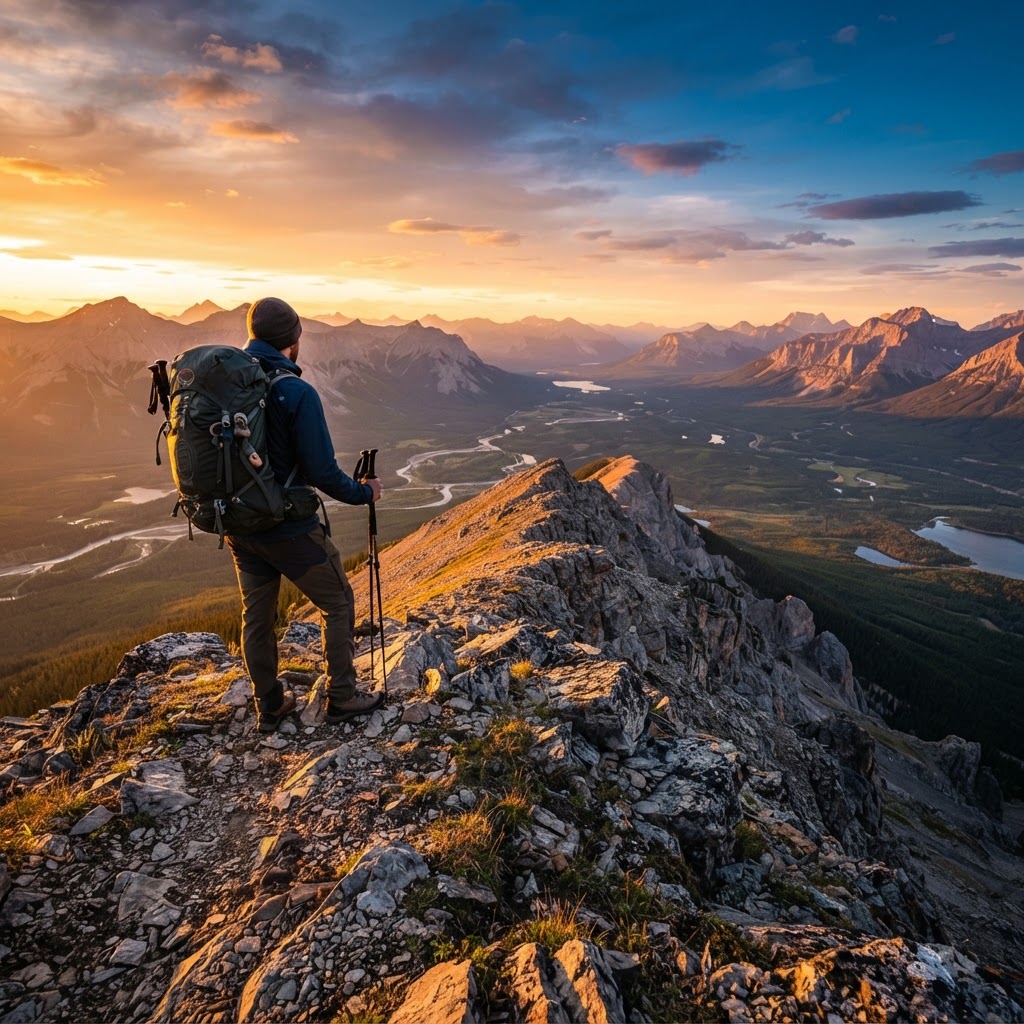
Imagine the total silence of a high altitude meadow at dawn, where the only decision you have to make is which trail to conquer next. Stepping into the wild alone is the ultimate test of self reliance, provided you bring the right preparation to match your ambition.
Solo camping in the mountains rewards simplicity and focus. The solitude sharpens your senses and clarifies priorities, but the margin for error can be small. This guide gives you ten expert tips to keep your trip controlled and secure, with practical advice that translates to better decisions back at the office and in the field.
Table of Contents
- Essential Planning and Preparation for Mountain Safety
- Gear Optimization for the Solo Backpacker
- Comparing Essential Mountain Shelter Options
- Frequently Asked Questions
- Final Thoughts
Essential Planning and Preparation for Mountain Safety, solo camping in the mountains
The single best safety move for solo camping in the mountains is thorough planning. The terrain and weather compound small problems into big ones, so front loading work before you leave will reduce stress on the trail. Treat planning like a campaign, with clear objectives, contingency plans, and checkpoints.
Mastering Route Planning and Navigation
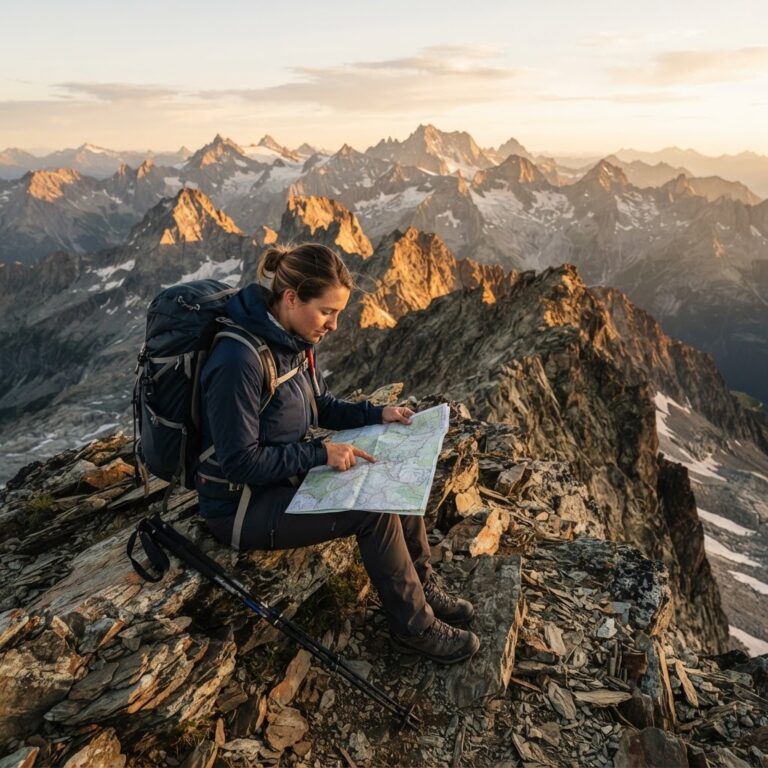
Start by studying topographic map navigation for your chosen area. A contour line tells a story about slope, drainage, and potential shelter sites. Identify natural landmarks you can use for orientation and pick a realistic daily mileage that accounts for elevation gain. When you plan a route, create primary and secondary options, and note bailout points where you can descend to safety or access a road.
Navigation practice is non negotiable. Learn to orient a paper topographic map with a compass, and practice pacing and timing so you can estimate position if visibility drops. Downloading mapping tiles to an offline device is useful, but never rely solely on electronics. Thinking of your map like a campaign brief helps, because just as in business you will pivot when new information arrives.
The Importance of Trip Logs and Communication
File a trip plan with someone reliable, and maintain a simple trip log each day. The trip plan should include your route, estimated times, planned camps, and emergency contacts. Check in at predetermined times if you have a communication device, and set expectations about when others should raise alarm if they do not hear from you.
Invest in a Personal Locator Beacon (PLB) or a satellite communication device. A PLB is a straightforward insurance policy, it transmits a distress signal with location to search and rescue services. Learn how to arm and use it before you go, and include it in your practice emergency scenarios. For marketers used to contingency budgets, think of the PLB as non negotiable risk mitigation.
Gear Optimization for the Solo Backpacker
Balancing weight with safety is an art when you are the only person responsible for everything. Ultralight backpacking techniques reduce fatigue and increase mobility, but some items are worth the weight. Focus on multi use gear, redundancy for critical systems, and a mindset that privileges reliability over minimalism.
Lightweight Gear Strategy for One
Start by auditing your gear and cutting single use items. Choose clothing that layers for changing mountain weather forecasting scenarios, and prioritize fabrics that dry quickly. Ultralight backpacking principles apply here, but avoid removing items that increase your margin for safety. For example, carry a slightly heavier insulated sleeping setup if nights are unpredictable.
Pack placement matters. Keep emergency items like your navigation tools and first aid kit in easily accessible pockets. Practice packing the load so that daily needs are quick to reach. If you are a busy solo entrepreneur, think of this like a well optimized workflow, where the right tool is always to hand.
Essential Survival Kits and Emergency Systems
Build a layered emergency system. The first layer is prevention, which includes mountain weather forecasting checks and route selection that avoids objective hazards. The second layer is on person gear, which should include a compact first aid kit, a reliable shelter, fire starting tools stored in a waterproof container, and a water purification method.
The third layer is signaling. Carry a Personal Locator Beacon, and supplement it with a whistle, a high visibility signal mirror, and the ability to make a signal fire if conditions allow. Test all emergency gear before departure. Another practical addition is a lightweight repair kit for clothing and shelter. Treat rehearsals like product testing, and run through emergency procedures at home so your response is reflexive in the field.
Comparing Essential Mountain Shelter Options
Choosing shelter is a function of weather, intended pace, and your tolerance for exposure. Different shelters excel in different situations. The safest choice is the one that matches predicted mountain weather forecasting and gives you room to recover if conditions turn.
Factors Influencing Shelter Choice
Assess expected temperature range, wind exposure, precipitation probability, and the terrain where you intend to camp. If you are traversing alpine terrain with frequent storms, prioritize weather protection and thermal efficiency. If your goal is to move fast across high mileage days, prioritize weight and portability.
Leave No Trace principles play a role in shelter selection. Choose durable sites that minimize impact, and use established clearings when available. If you use a tarp or a hammock alternative on fragile alpine vegetation, select sites that avoid delicate flora and minimize ground disturbance.
When to Choose a Bivy Versus a Tent
A bivy sack is a compelling choice for speed and minimalist trips. It reduces pack weight and fits into small corners where a tent might not. However, it traps condensation and offers limited space to store gear inside the shelter. Choose a bivy when nights are expected to be calm and dry, and when you want to travel light.
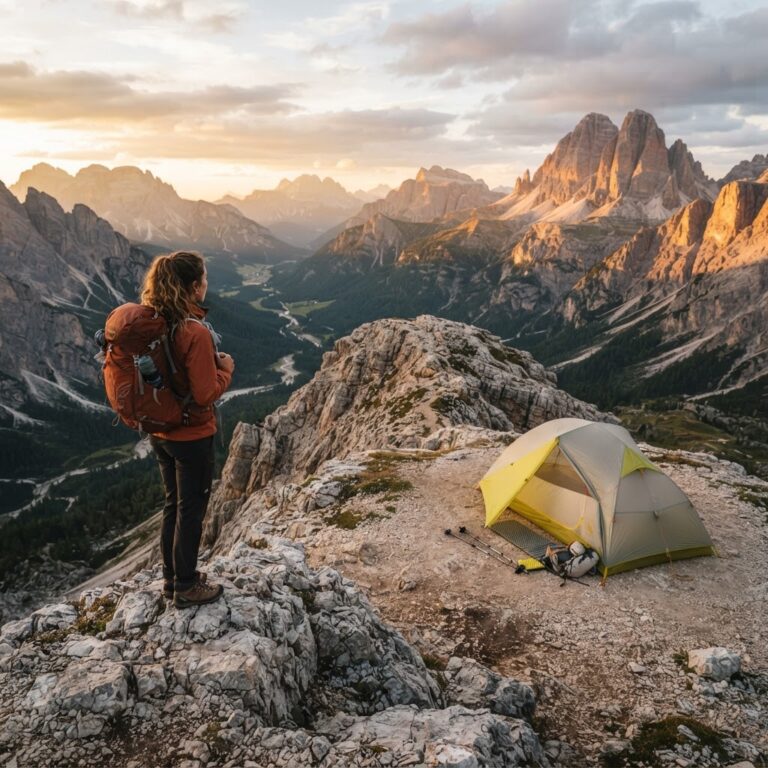
A tent is the better choice when weather is uncertain, when you need shelter to manage prolonged storms, or when you want internal space to manage clothing and cook in poor conditions. For solo campers who value a protected workspace and lower moisture risk, a lightweight single person tent provides a controlled environment at a modest weight penalty.
Pro tip: Practice pitching each shelter option in the backyard or a local park until setup is instinctive. In a time pressured mountain situation, muscle memory reduces error and keeps you safer.
Frequently Asked Questions
How can I manage safety concerns while camping alone in the mountains?
Manage safety through layered preparation. Start with route planning and topographic map navigation, and check mountain weather forecasting frequently. File a trip plan with a reliable contact and carry a Personal Locator Beacon for emergencies. Optimize your load with ultralight backpacking strategies that do not cut essential safety items. Finally, rehearse emergency procedures and keep your daily itinerary realistic. These steps reduce the probability of rescue incidents and increase the speed of recovery should something go wrong.
What are the top three pieces of gear I must carry for solo mountain trips?
The three pieces of gear that have the biggest impact on survival are a reliable navigation system including a topographic map and compass, an emergency communication device such as a Personal Locator Beacon, and a shelter system suited to the conditions. These items address orientation, the ability to summon help, and protection from exposure. Supplement those with a well stocked first aid kit and water purification to round out your core safety set.
Is it better to use a tent or a bivy sack for solo mountaineering?
It depends on objectives and conditions. A bivy sack offers the lowest weight and smallest pack footprint, making it ideal for fast solo climbs in stable weather. A tent provides better protection from wind and sustained rain, and offers a drier sleeping environment. If your route includes frequent storms or you expect long nights, choose a tent. If speed and minimalism are priority and forecasts are favorable, a bivy can be the right choice.
Final Thoughts
Solo camping in the mountains rewards careful planning, smart gear choices, and respect for the environment. Treat each trip as a learning opportunity, and your confidence will grow with every well prepared outing.
For practical skill refreshers related to camping and backpacking, read a focused guide on essential camping skills at How To Master Essential Camping Skills For Your Next Adventure, and for tips on pacing long distance hikes see 10 Best Tips for Enjoying Your Next Backpacking Adventure Trip.