

TL;DR:
- Camping in Alabama offers mountains, forests, rivers, and beaches, from Cheaha State Park to Gulf State Park.
- Pack for humidity and insects, understand Leave No Trace rules in Alabama state parks, and make reservations when planning peak season trips.
- Choose between family friendly campgrounds with amenities, coastal RV parks, or primitive backcountry sites based on the experience you want.
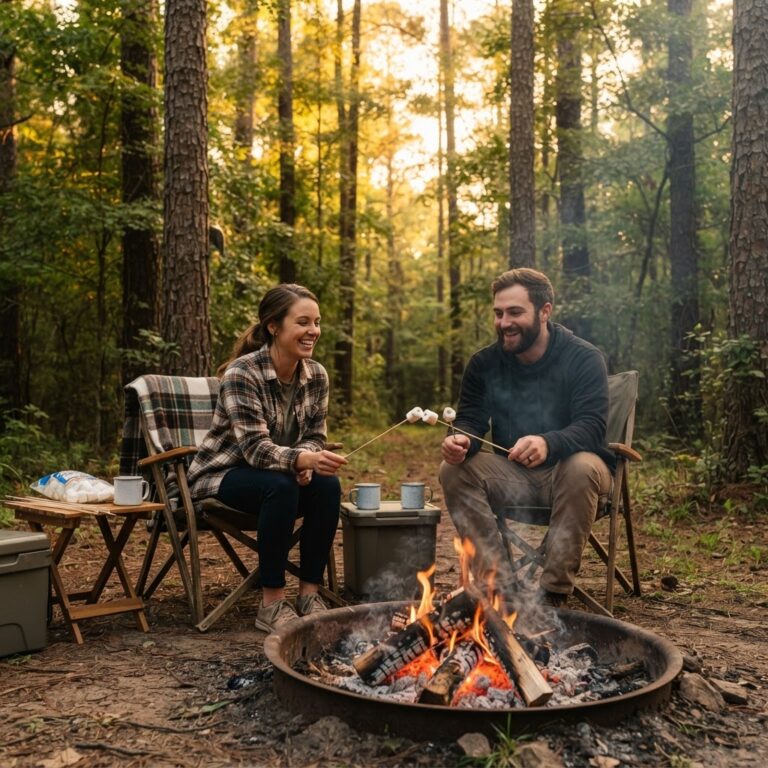
Imagine waking up to the sound of whispering pines or crashing waves without leaving the beautiful Heart of Dixie. Whether you are a tent pro or a weekend RV warrior, camping in Alabama offers a surprisingly diverse playground for nature lovers.
From mountaintop views at Cheaha State Park to shoreline sunsets at Gulf State Park, Alabama blends Southern charm with big outdoor opportunities. This guide walks you through picking a campsite, gear for the weather, top destinations, and practical tips so your next trip goes smoothly.
Table of Contents
- Choosing Your Perfect Alabama Campsite
- Essential Gear and Tips for Southern Weather
- Top Alabama Camping Destinations Compared
- Frequently Asked Questions
- Final Thoughts
Choosing Your Perfect Alabama Campsite for camping in Alabama
Picking the right campsite in Alabama starts with deciding what kind of setting you want. The state squeezes a lot of variety into its borders. You can climb the highest point in Alabama, disappear into a lush national forest, camp riverside in a canyon, or roll up to the Gulf for sand and surf. The choice you make shapes the gear you bring, the activities you plan, and the vibe of your trip.
Mountain Escapes in Northern Alabama
Northern Alabama is where you go for elevation, cooler nights, and dense hardwood forests. Cheaha State Park sits atop the highest point in the state and feels like a true mountain escape. Trails range from short lookouts with dramatic panoramas to multi mile hikes that cross ridgelines. If you want solitude, head to Bankhead National Forest where deep hollows, waterfalls, and giant trees create an old growth feel.
Little River Canyon is another must see. It is a river carved through sandstone and it offers cliffside views, clear pools, and short hikes that reward with sweeping vistas. Campgrounds near the canyon provide easy access to water activities and scenic overlooks. Think cooler temperatures at elevation, good hiking, and nights filled with stars and the occasional owl call.
Coastal Camping Along the Gulf Shores
If your ideal morning starts with the sound of surf, Alabama s Gulf Coast delivers. Gulf State Park is the crown jewel of coastal camping, offering miles of beaches and dunes, an extensive trail system, and a range of campgrounds from tent friendly sites to full hookup spaces for RVs. Coastal camps tend to be busier in summer, but the trade off is sunrise swims, fresh salt air, and beachside campfires where allowed.
Coastal camping means sand in everything, potential humidity, and afternoon storms in certain seasons. But it also means seafood dinners, shell collecting, and easy access to water sports. Whether you want a family friendly campground with playgrounds and ranger programs, or a quieter barrier island feel, the Alabama coast has options to match the experience you want.
Essential Gear and Tips for Southern Weather
Alabama s climate moves from hot and humid in summer to mild in winter, with plenty of rain and insects to consider. Gear choices and simple habits can make or break a trip. Focus on staying dry, cool, and bite free, and you will enjoy the outdoors much more.
Dealing with Humidity and Insects
Humidity is the headline issue for much of the year. Choose breathable fabrics, a tent with good ventilation, and a sleeping setup that lets heat escape. Mesh panels and a tarp configured for cross ventilation help reduce condensation. Bring a quick drying towel and set your camp to catch breezes where possible.
Insects are part of the package. Mosquitoes, ticks, and biting flies are common. Use long sleeve shirts and light colored clothing in the evening, employ insect repellent when you are in heavy bug areas, and check for ticks after hikes. A screened shelter or bug netting for sleeping will feel like luxury on muggy nights. For practical tips on tent camping and avoiding common mistakes while set up, see these strategies in 10 Best Tips and Tricks to Follow When Tent Camping.
Leave No Trace Principles for State Parks
Alabama state parks are managed with conservation and public access in mind, often under guidance from the Alabama Department of Conservation and Natural Resources. Following Leave No Trace keeps parks healthy and open for everyone. That means packing out trash, using established fire rings, storing food in vehicles or bear safe containers when required, and staying on designated trails to protect plant life and prevent erosion.
Many Alabama state parks post specific rules about fires, pets, and generators. Before you go, check the park s website or call the ranger station. If you are new to backcountry ethics, the basic seven principles are a great place to start and pair nicely with skill building from posts like How To Master Essential Camping Skills For Your Next Adventure.
Top Alabama Camping Destinations Compared
Now that you can picture the setting and you know what to pack, let s compare some of the best campgrounds in Alabama so you can match a destination to your style. Below I highlight sites that represent the state s variety, and note what sets each one apart in terms of access, scenery, and activities.
Family-Friendly Amenities
For families, look for campgrounds with easy tent sites, flush toilets, playgrounds, and short, safe trails. Gulf State Park is a perfect example. It has family friendly beaches, bike paths, and programmed activities that keep kids engaged. Many Alabama state parks include nature centers and scheduled programs that teach local ecology and history. These parks make it easy to introduce kids to outdoor life without a steep learning curve.
When you are booking, aim for a site near bathrooms and water, and avoid overly remote loops if you have small children. Full hookup sites are ideal for family groups who travel with a camper and want to maintain a predictable routine, especially during hot summer months.
Remote Wilderness Access
If solitude is your goal, Bankhead National Forest and the backcountry around Little River Canyon offer remote stretches and less crowded trail systems. Primitive sites, dispersed camping where allowed, and long distance trails put you in the middle of nature with fewer neighbors. These areas reward careful planning. Bring navigation, extra water if sources are sparse, and a mindset for self reliance.
Remote camping in Alabama can be more varied than people expect. You can follow a river through a canyon in the morning, climb to a rocky overlook in the afternoon, and then set up camp where the only lights are stars. For trips that include multi day hikes, the gear and skills covered in backpacking guides will help you plan meals, pace, and resupply.
Pro tip: If you want to avoid crowds, target mid week stays in spring or fall. You will get cooler weather and fewer people, and you will often find the best campsites available.
Frequently Asked Questions
Do I need a reservation for Alabama State Parks?
Reservations are recommended for many Alabama state parks, especially for campsites in popular parks like Cheaha State Park and Gulf State Park. During peak season, weekends fill up fast. The Alabama Department of Conservation and Natural Resources and individual park websites list reservation policies, fees, and any special regulations. If you plan to camp during a holiday or in summer at a coastal park, book ahead to secure the type of site you want.
What is the best time of year to go camping in Alabama?
Spring and fall are the sweet spots for most campers. Temperatures are moderate, wildflowers are in bloom in spring, and fall brings color in the higher elevations. Summer is great for coastal camping and water sports, but be prepared for heat, humidity, and afternoon storms. Winter is mild in many parts of Alabama and can be a great time for quiet camps, though nights can be chilly at elevation. Choose timing based on the activities you want and your tolerance for heat and bugs.
Are there primitive camping sites available in Alabama?
Yes, Alabama offers primitive camping in national forests, certain state park backcountry areas, and along some rivers and trail systems. Bankhead National Forest has dispersed camping and backcountry opportunities, and Little River Canyon offers primitive camping near trailheads. Primitive sites usually lack running water and toilets, so plan to pack in what you need and pack out all waste. Always check local regulations to confirm where primitive camping is allowed and whether permits are required.
Final Thoughts
Camping in Alabama is about choice, from mountain mornings to salt air nights. Match your destination to the experience you want, prepare for humidity and insects, and respect the state s parks so they remain enjoyable for everyone.