
TL;DR:
- Pack smart by prioritizing essential gear, adopting ultralight backpacking habits, and organizing for easy access to reduce fatigue and frustration.
- Use reliable hiking navigation techniques and wilderness first aid basics to stay safe, while practicing Leave No Trace principles to protect the environment.
- Match your setup to the trip style, choose footwear for the terrain, and practice camp craft to boost comfort and confidence on the trail.
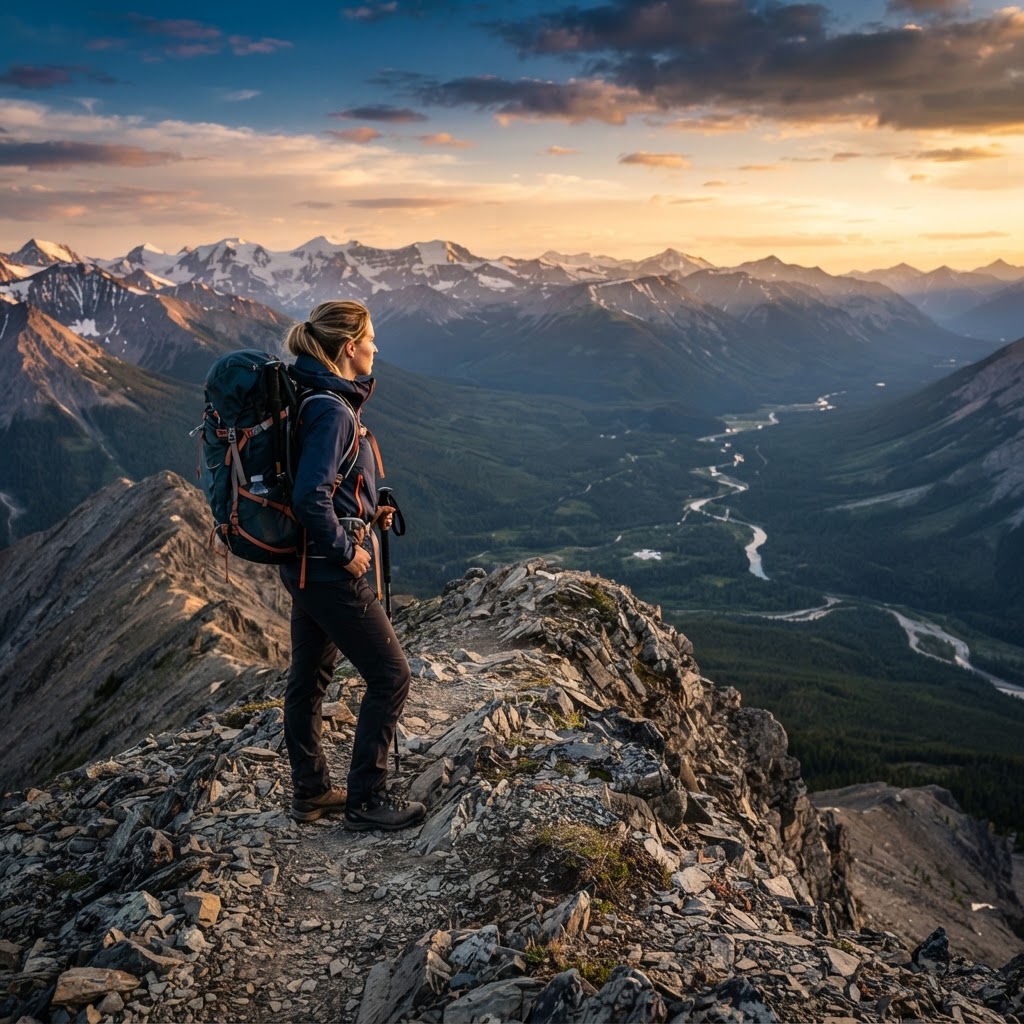
Imagine waking up to the crisp scent of pine and a panoramic sunrise, all because you had the right gear and know how to reach the summit. The best tips enjoying your next backpacking adventure trips are about more than gear lists. They are strategies that let you move farther, stay safer, and enjoy the quiet moments between miles.
Whether you are backpacking for beginners or refining ultralight hiking tips, this guide folds practical skills, real world examples, and core wilderness concepts into ten essential tips that make your next trip smoother, safer, and more memorable.
Table of Contents
- Mastering Your Gear and Packing Strategy
- Trail Safety and Smart Navigation
- Comparing Backpacking Setups for Different Trips
- Frequently Asked Questions
- Final Thoughts
Mastering Your Gear and Packing Strategy, best tips enjoying your next backpacking adventure trips
If you want to enjoy the trail, stop fighting your equipment. A well thought out pack and a disciplined approach to weight management are the foundations of comfort and endurance. Think of your pack as a small business balance sheet. Every item you keep has an expected return, either in utility or in safety. If an item does not justify its cost in weight and space, it probably does not belong for that particular trip.
The art of packing light
Packing light starts with mindset. Instead of asking what you might need, ask what you will realistically use. Prioritize multi use items, like a pot that doubles as a bowl, or clothing layers that work for both sleep and movement. Embrace ultralight backpacking principles, not as a competition, but as a way to reduce fatigue and increase freedom on the trail.
Practical steps include weighing items at home to identify heavy culprits, replacing redundant items with lighter alternatives, and limiting duplicate tools. For example, one high quality, quick drying shirt and a warm layer might replace five bulkier garments. Also consider how consumables affect weight. Food and water decrease over time, so initial pack weight will lighten. Planning resupply points or filtering water on the trail can reduce what you carry from the start.
Organizing your essentials for easy access
Organization reduces stress and saves time. Create zones in your pack. Reserve the top lid for quick access items like a headlamp and snacks. Use an external pocket or hip belt pockets for your map, phone, sunscreen, and trail snacks. Put sleeping gear at the bottom, bulkier items close to your back, and frequently used layers near the top.
Small pouches or stuff sacks keep like items together, and color coding can help find things by touch when light is low. Practice loading and unloading at home until you know where everything lives. That simple repeat habit pays off when you need a blister kit or a rain layer without stopping for 15 minutes while you search the bottom of the pack.
Trail Safety and Smart Navigation
Safety and navigation are non negotiable. The trail can change quickly, and small mistakes become big problems when you are hours from help. Build a foundation in hiking navigation, understand common risk scenarios, and practice wilderness first aid basics so you can manage incidents until you reach assistance.
Reading maps and using GPS devices
Learning to read a topographic map is one of the highest value skills for any backpacker. Map reading teaches you to anticipate terrain, identify water sources, and estimate travel times. Combine paper maps with a reliable GPS device or navigation app, but never rely on electronics alone. Batteries fail, and signals can drop. Carry spare batteries or a charging option, and download offline maps for your route.
Before leaving, study your route and mark key waypoints. Break the trip into segments by terrain and time, not just distance. On steep sections your pace will slow, so plan accordingly. Practice orienting the map with the landscape, using features like ridgelines and river junctions. This skill reduces the chance of getting off route and improves confidence when weather limits visibility.
Handling wildlife encounters and emergencies
Wildlife encounters are more about respect than fear. Make noise when approaching blind corners, secure food properly using camp craft techniques, and store scented items away from your sleeping area. If you encounter an animal, stay calm, keep your distance, and move away slowly. Do not run, and avoid sudden movements that could provoke a defensive response.
Emergencies range from sprains to severe injuries. A compact wilderness first aid kit is a must. Know how to immobilize a limb, treat shock, and manage severe bleeding. Share your route and expected return time with someone, and carry a signaling plan. In low tech areas practice using a mirror, whistle, or bright clothing to attract attention. For solo first timers, review resources on solo mountain safety techniques before you go, and consider practicing scenarios in a local day hike first.
Comparing Backpacking Setups for Different Trips
Not all trips need the same setup. Your pack should match the trip style, terrain, and personal goals. A fast paced overnight requires different choices than a slower paced week long crossing. The goal is to align weight target with priority, so you carry the right tools without excess.
Day tripper vs multi day setups
Day trippers value speed and mobility. The focus is on hydration, snacks, a light first aid kit, and a wind or rain layer. The pack is trimmed to essentials, and footwear leans toward lighter trail shoes. For multi day trips, you prioritize shelter, sleep system, cook system, and enough food for days between resupplies. Plan for changing weather and include contingency items, even if they add some weight.
Practice packing both setups at home and take short trial trips to identify missing items or unnecessary gear. That iterative approach reduces surprises on longer expeditions. If you are new to backpacking for beginners, start with well planned day hikes, and expand to overnight trips as you gain confidence and learn how your body reacts to weight and mileage.
Choosing footwear for varied terrains
Footwear selection matters more than many new backpackers realize. Trail shoes offer nimble comfort on packed trails. Lightweight hiking boots add ankle support for rocky or uneven terrain. For extended carrying on rough ground, a more supportive boot can prevent fatigue and injury. The right sock choice and a break in period are as critical as the shoe itself.
Blisters are a frequent complaint, and they often start with an ill fitting shoe or a missed break in period. Rotate between socks, address hotspots early with tape or padding, and consider gaiters in loose scree or muddy conditions to keep debris out. Test your footwear on local hikes with similar terrain to the trip you plan, so you do not discover fit problems five miles from camp.
Pro tip: Pack like you will be your own first responder and your own housekeeper. That means a compact wilderness first aid kit, a basic repair kit for gear, and a small stash of repair items like cordage, tape, and needles. Those few items solve more problems on the trail than a bulky tool chest.
Frequently Asked Questions
What is the most important item to pack for a backpacking trip?
The most important item is a reliable shelter option appropriate to your environment and trip length. Shelter includes not only a tent or tarp, but also a sleeping system that will keep you warm through the coldest expected night. Shelter protects you from exposure, which is the leading risk on the trail. After shelter, prioritize navigation tools and a means to treat water, then basic wilderness first aid supplies. Tailor your list to the route and season, and practice setting up shelter before you go.
How do I avoid getting blisters while hiking?
Preventing blisters starts with proper footwear fit and good sock choices. Break in shoes before a long trip, and wear moisture wicking socks. Keep your feet dry by changing socks during long days, and address hotspots immediately with blister tape or cushioning. Trim toenails, consider foot powder in hot conditions to reduce friction, and alternate footwear when possible. Regularly inspect your feet in camp to catch problems early. If a blister forms, treat it with a sterile dressing and protect the area until healed.
What should I do if the weather turns bad suddenly?
If conditions deteriorate unexpectedly, prioritize shelter and warmth. Seek a safe campsite away from hazard zones like river banks and unstable slopes. Put on insulating layers and a waterproof shell, and protect electronics and paper maps in waterproof bags. If visibility or navigation becomes unreliable, stop moving until you can safely reorient using your map and compass or GPS. If you are at risk of severe exposure, set up shelter and prepare for an overnight stay. Carrying basic camp craft tools and knowledge allows you to make rapid, safe decisions in bad weather.
Final Thoughts
Backpacking rewards preparation and humility. The best tips enjoying your next backpacking adventure trips come down to packing smart, navigating confidently, and practicing core wilderness skills. Treat each trip as a learning opportunity, refine your setup, and respect the land you travel through.
For more on foundational outdoor skills, check out this guide to master camping skills and essential techniques, and if you plan to travel alone review safety practices in this solo mountain camping safety article.