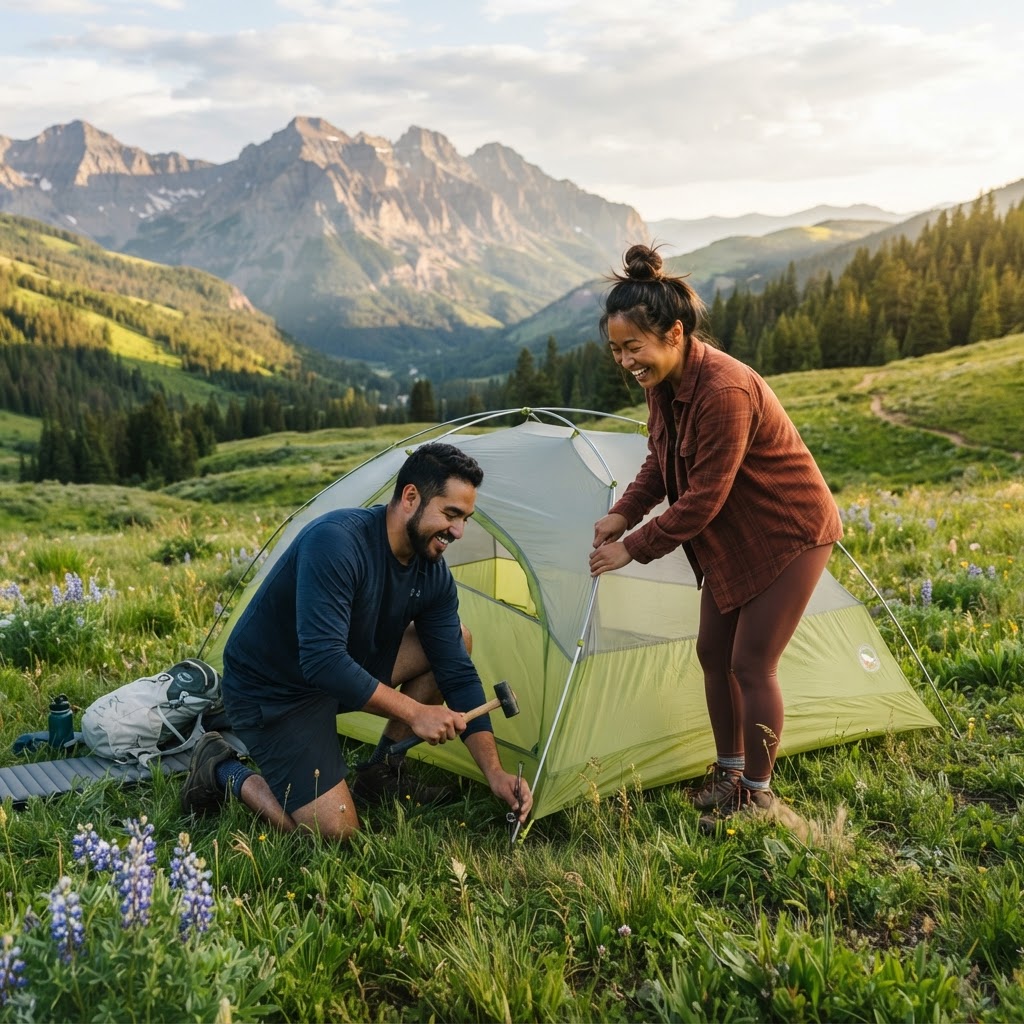

TL;DR:
- Master the basics first: reliable tent, sleeping bag, sleeping pad, water and a compact camping stove will make your first trips comfortable.
- Plan your campsite and routines around safety, efficiency, and Leave No Trace principles to protect yourself and the environment.
- Match your camping style to your gear and skill level, practice outdoor survival skills, and upgrade gear strategically as you gain experience.
There is nothing quite like waking up to the sound of nature after a night under the stars, but your comfort depends entirely on your preparation. If you are wondering how to master camping skills, this guide breaks down the essential equipment and practical habits that turn a night in the woods from stressful into restorative.
Think of this as the field manual you can read in the evening before your first trip and refer to on the trail. We focus on actionable beginner camping tips, essential camping gear, and core outdoor survival skills so you can build confidence quickly and enjoyably.
Table of Contents
- Essential Camping Gear for Beginners
- Mastering Campsite Safety and Efficiency
- Comparing Camping Styles and Equipment Needs
- Frequently Asked Questions
- Final Thoughts
Essential Camping Gear for Beginners: How to Master Camping Skills
Getting the right equipment is the fastest path to a positive camping experience. The goal is not to buy every gadget, but to assemble a reliable kit that keeps you safe and comfortable. Below are the true essentials and the thinking behind them.
Choosing the right tent for the environment
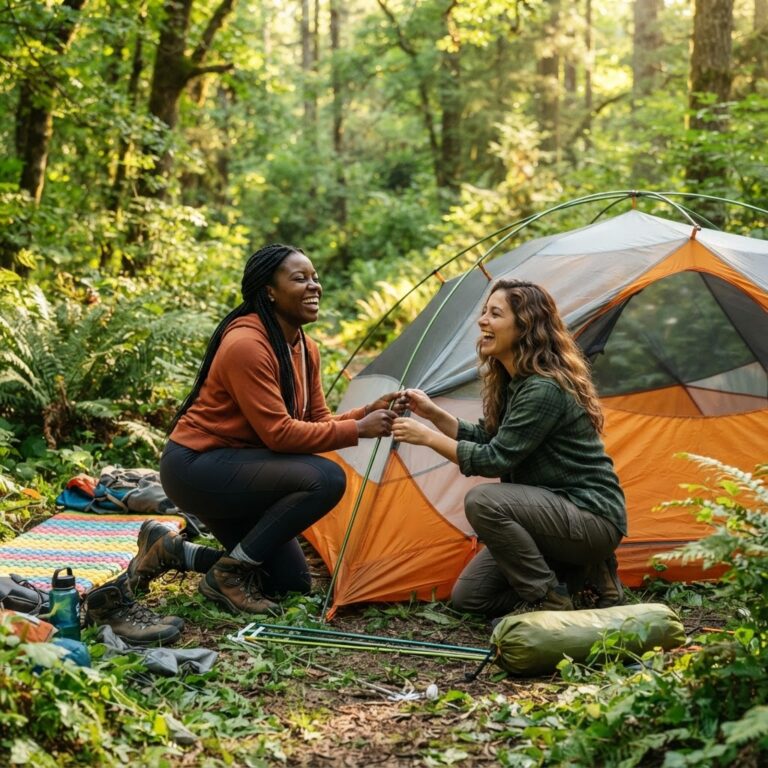
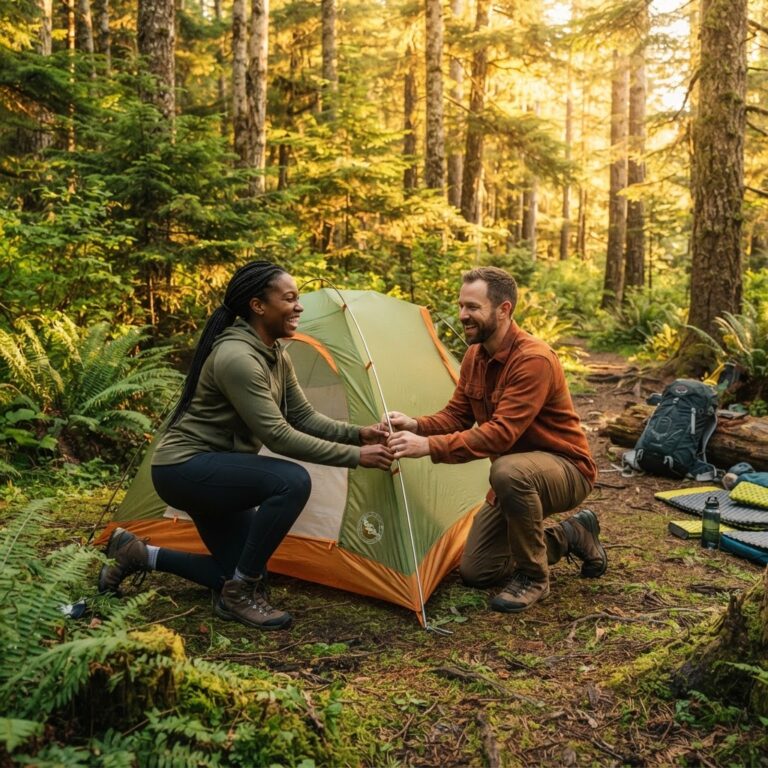
Your tent is your shelter and the single piece of equipment that affects everything from warmth to morale. For beginners, prioritize a tent that is easy to pitch, roomy enough for your gear, and rated for the seasons you will camp in. Season ratings tell you what conditions the tent is designed for, with three season tents suitable for spring, summer, and fall, and four season tents designed for heavier weather.
Consider floor area and peak height, because a cramped tent multiplies small discomforts. Look for a solid rainfly and a footprint to protect the floor. If you plan to backpack, weight matters so choose a lighter design. For car camping, sturdier and more spacious tents improve comfort. If you want a deeper primer on setting up and living in a tent, the guide to tent camping tips is a useful companion to this section.
Sleeping systems and temperature management
Sleeping warm and dry is the difference between enjoying the trip and counting the hours until you go home. Your sleeping system is a combination of three parts, the sleeping bag, the sleeping pad, and your pillow or clothing used as a pillow. Choose a sleeping bag with a temperature rating below the lowest temperature you expect. Down insulation offers high warmth to weight, while synthetic insulation performs better when wet, so pick based on your likely conditions.
A sleeping pad provides insulation from the cold ground and improves comfort. Inflatable pads are compact and warm when chosen for their R value. Add a closed cell foam pad for extra insulation in colder conditions. Layer your sleep clothing so you can adjust overnight. Bringing a small stuff sack with spare dry socks and a hat will keep your core warm and prevent chills that wake you up. These small choices are essential camping gear that deliver outsized returns on comfort.
Mastering Campsite Safety and Efficiency
Where and how you set up camp directly affects your safety and how efficiently you will live at camp. Thoughtful site selection, organization, and routines reduce risk, save time, and leave nature as you found it.
How to select the perfect flat campsite
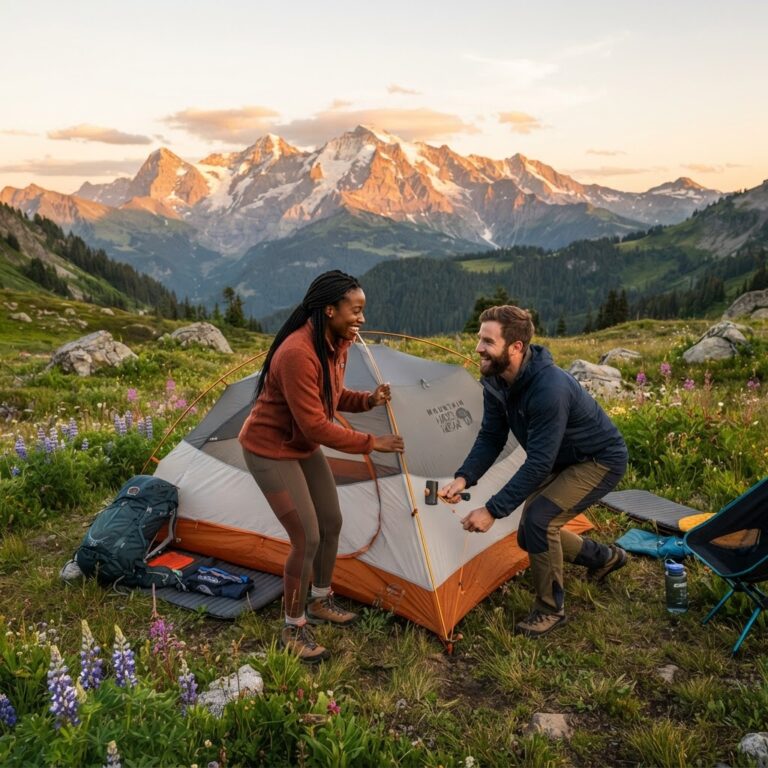
Select a flat site that allows for water drainage and avoids low points where runoff collects. Look for level ground with a slight incline if possible to let water run away. Avoid setting up under dead or large leaning trees. Check for hazards like insect nests, loose rocks, and unstable ground. If you can, position your tent near natural windbreaks such as a stand of trees, but keep a safe distance to prevent falling branches from being a hazard.
Consider the proximity to water, trails, or bathroom facilities. Being too close to a water source invites insects and can be illegal in some protected areas. Place your cooking area and campfire at least a safe distance from your sleeping area. Plan pathways between tent, stove, and fire so nighttime trips to the restroom are predictable and safe. When possible, follow established sites to reduce impact in popular areas.
Campfire etiquette and fire safety protocols
Fires are central to the camping experience, but they carry responsibility. Always check local regulations and burn restrictions before you build a fire. Use designated fire rings if available. Clear the area of debris, keep a water source or shovel nearby, and never leave a fire unattended. Build small fires that are easy to control and fully extinguish using the drown, stir, and feel method until cold to the touch.
When open fires are not allowed or you want a cleaner option, use a compact camping stove for cooking. Stoves are efficient, safer in many conditions, and align with Leave No Trace principles by reducing fire scars. Practice lighting and cooking with your stove at home so you are confident using it in the field. Remember that a well organized camp with tidy food storage reduces wildlife encounters and keeps both you and the environment safer.
Comparing Camping Styles and Equipment Needs
Different styles of camping require different priorities in gear, physical preparation, and skills. Choosing the style that matches your current abilities and available gear makes progression natural and enjoyable. Below is a comparison that helps you decide which path to follow as you learn how to master camping skills.
Car camping versus backpacking logistics
Car camping allows you to carry more comfort items because weight is not the limiting factor. You can bring a roomier tent, a larger sleeping bag, foldable chairs, and a fuller kitchen setup with a generous camping stove. Setup is faster, and you can afford to test more gear. For practical advice on packing and tactics for the trail if you move from a car to a pack, review these tried and true backpacking tips.
Backpacking requires prioritizing weight and volume. Learn to pack light, choose multi use items, and practice setting up and breaking down camp quickly. For both styles, mastering a core set of outdoor survival skills will make you safer and less reliant on gear. Skills like water treatment, navigating with a map and compass, and basic first aid add resilience for unexpected situations.
Budget friendly versus high end gear setups
Beginner campers do not need the most expensive gear to be comfortable. Prioritize spending on three items first, a reliable tent, a sleeping bag suited to the temperatures you will encounter, and a sleeping pad. After those, invest in a good camping stove and water treatment method. You can fill in with budget items for camp lighting, cookware, and storage. Renting or borrowing higher end gear for a few trips helps you understand what improvements matter to you before you buy.
As you gain experience, spend selectively on upgrades that improve comfort or performance in the conditions you most often face. For instance, a lighter pack matters more if you go backpacking frequently. For occasional car campers, a heavier but roomier tent may be the better investment. Consider the total cost of ownership, repairability, and whether a piece of equipment will be used often before upgrading.
Budget friendly planning tips
When building a budget friendly setup, prioritize function over extras. Buy a tent that seals well, a sleeping bag rated for your low end temperatures, and a sturdy sleeping pad. Look for used gear in good condition, borrow for trial, and avoid impulsive upgrades. Practice campsite routines, cooking, and stove use at home so you can make the most of simpler gear. If you find yourself enjoying a particular style, then consider gradually upgrading the items that will give you the most benefit.
Pro tip, start with the basics and practice them until they are second nature, then add specialty items. Mastery of a few core camping skills multiplies the value of any gear you own.
Frequently Asked Questions
What are the most important items for a first time camper?
For a first time camper, focus on a reliable tent that suits the season, a sleeping bag rated for expected temperatures, a sleeping pad for insulation and comfort, a compact camping stove for cooking, water treatment or filtration, and a basic first aid kit. Pack appropriate clothing in layers, waterproof rain protection, and a flashlight or headlamp with spare batteries. These essential camping gear items will cover shelter, warmth, hydration, food, and safety, which are the pillars of a successful trip.
How do I stay warm while sleeping in a tent?
Staying warm in a tent requires managing loft and insulation. Use a sleeping bag rated lower than the coldest temperature you expect, add a sleeping pad with sufficient insulation value, and sleep in dry, layered clothing. Keep a small dry bag with extra socks and a hat to slip on if you wake up cold. Avoid breathing directly onto your sleeping pad in very cold conditions because moisture reduces insulation. Proper campsite placement and minimizing drafts by sealing the tent and using the rainfly appropriately also help maintain warmth.
What is the Leave No Trace principle in camping?
Leave No Trace is a set of outdoor ethics designed to minimize human impact on natural areas. Key principles include planning ahead and staying on durable surfaces, disposing of waste properly, leaving what you find, minimizing campfire impact, respecting wildlife, and being considerate of other visitors. Practically, this means using existing campsites when available, packing out all trash, avoiding disturbing flora and fauna, using a camp stove instead of building new fire rings when possible, and following local rules. Leave No Trace helps keep wild places healthy and accessible for future visitors.
Final Thoughts
Mastering camping skills is a practical process, one that rewards planning, practice, and respect for the environment. Start with the essentials, practice safe and efficient campsite habits, and choose the camping style that fits your current goals and gear.