
TL;DR:
- Pack smart, favor ultralight backpacking choices, and prioritize comfort items that save energy and morale.
- Choose trails that match your fitness and skills, plan water and navigation, and always follow Leave No Trace principles.
- Balance style and safety, practice wilderness first aid basics, and build a flexible itinerary to make your backpacking adventure trips enjoyable.
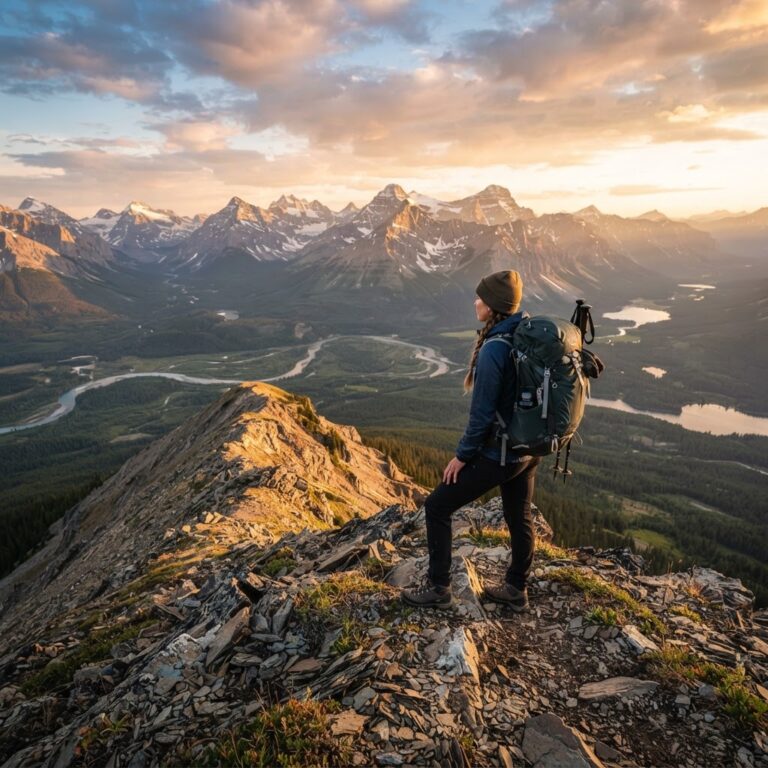
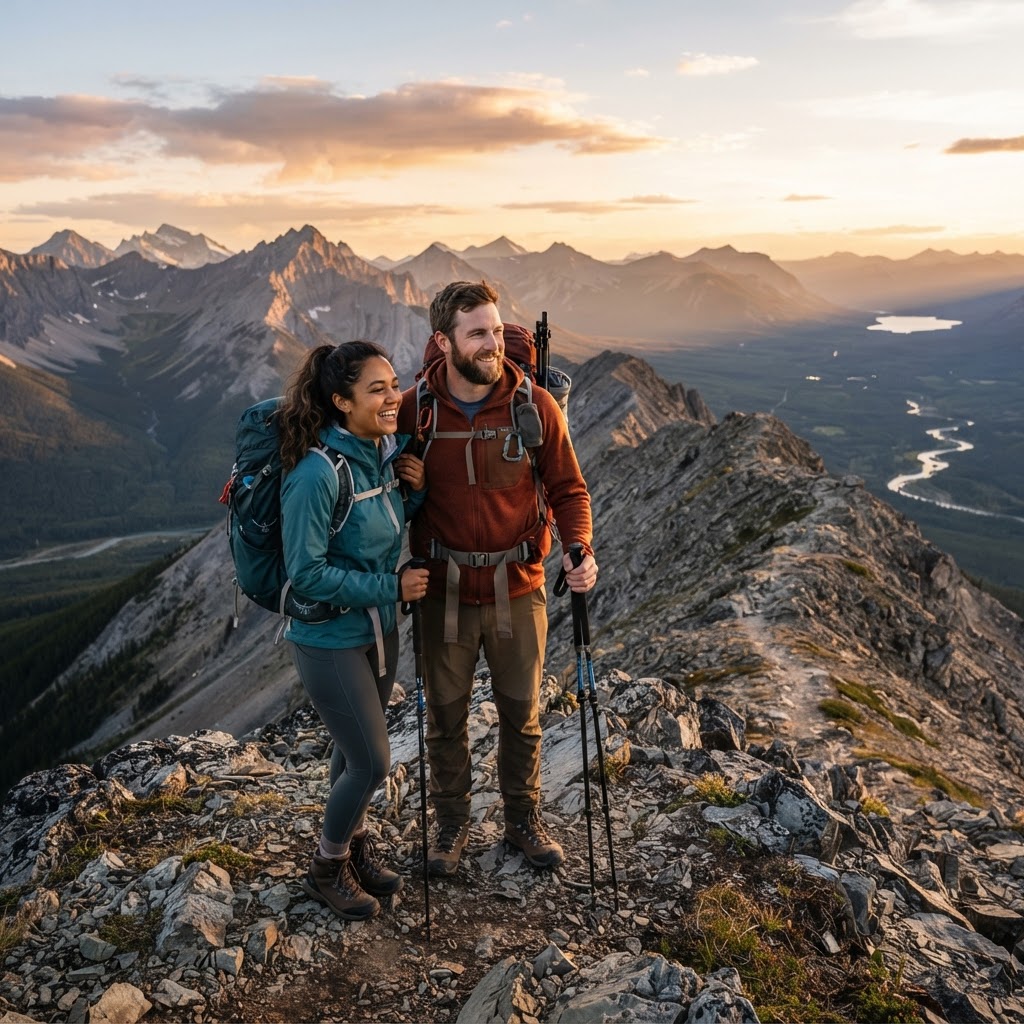
Imagine waking up to a sunrise over a pristine alpine lake, far away from the pinging of notifications and the daily grind of the office. While the idea of a backpacking trip is romantic, the reality of carrying your home on your back requires a bit of strategy to ensure you actually enjoy the experience.
This guide walks through practical, actionable advice for backpacking adventure trips, from mastering what goes in your pack to choosing a route that fits your goals. Think of it as the checklist and short course you wish you had before your first big hike, and as the refresher that helps you squeeze the most joy out of every mile.
Table of Contents
- Mastering Your Gear and Packing Strategy
- Choosing the Right Trail and Planning Logistics
- Comparing Backpacking Styles for Different Needs
- Frequently Asked Questions
- Final Thoughts
Mastering Your Gear and Packing Strategy for Backpacking Adventure Trips
Your pack is more than a storage unit, it is the engine of your trip. Mastering your gear and packing strategy means balancing weight with utility, and choosing items that increase comfort while reducing strain. Good decisions here translate directly to energy saved, better pacing, and more time to enjoy scenic stops.
The art of the ultralight pack
Ultralight backpacking is about cutting grams where it matters while keeping safety and comfort intact. Start by listing everything you think you need, then ask two questions for each item, do I need this, and can I replace it with something lighter. Replace heavy items with lighter alternatives, but avoid removing redundancy for critical systems like navigation and shelter.
Common wins include choosing lighter shelter options, trimming excess clothing, and carrying multipurpose items. Practice packing and unpacking to refine what you actually use. A simple rule of thumb is to aim for a base weight that allows you to stay comfortable on your planned terrain. Base weight is everything you carry except food, water, and fuel. For many adventurers, keeping base weight reasonable makes long days and steep climbs far more enjoyable.
Essential gear for comfort and safety
Comfort items are not luxury, they are force multipliers for morale and recovery. Prioritize a reliable shelter, a sleeping system matched to expected temperatures, and a pack that fits your torso and hip structure. Hydration systems are critical. A hydration reservoir or easy access bottles reduce stops and keep you hydrated consistently, which improves performance and reduces the chance of heat related problems.
Navigation and topographic maps belong near the top of the must carry list. Even if you plan to use a digital device, carry a physical map and know how to read it. Pair maps with a compass and plan for battery loss or device failure. Wilderness first aid knowledge and a compact kit can be the difference between a short delay and a serious incident. Pack items for blisters, minor wounds, and basic fracture stabilization. Finally, pack smart by distributing weight close to your back and over your hips, and use compression straps to keep the load stable as you move.
Choosing the Right Trail and Planning Logistics
Picking the right trail and organizing logistics sets the tone for your backpacking adventure trips. A well chosen route matches your fitness, skill, and desired experience. Good planning reduces surprises, and keeps you present to enjoy the scenery and the people you hike with.
Researching terrain and weather patterns
Terrain and weather shape every decision from footwear to daily mileage. Study elevation profiles, trail descriptions, and recent trip reports to understand footing, water availability, and potential hazards. Look at seasonal weather norms and recent forecasts. In mountain regions, conditions change quickly, and a sunny morning can become a wet and cold afternoon. Plan clothing layers and shelter choices with variability in mind.
Water resupply points define daily distance planning. If water is scarce, you carry more weight and must set realistic mileage targets. That is where your hydration system planning connects to logistics. Know where reliable water sources are and whether they require treatment. Map out bail out options so you can shorten your trip if conditions require it.
The importance of a flexible itinerary
A flexible itinerary balances structure with the freedom to adapt. Decide on daily mileage targets, but treat them as guides rather than rigid goals. Weather, trail conditions, and personal energy levels will influence how far you actually go. Build buffer days or shorter mileage days into the plan so you can recover or explore side routes.
Share your itinerary with someone who will not be on the trip. Include expected start and end dates, trail names, and emergency contacts. Check in points can be simple. If you are part of the digital economy, an automated check in system can reduce worry for those back home. Remember to factor in time to enjoy memorable spots, like the alpine lake from the morning hook, rather than only moving to the next campsite.
Comparing Backpacking Styles for Different Needs
Understanding backpacking styles helps you pick the right setup for your goals. Whether you want to cover many miles, enjoy a comfortable escape, or lead a group on an overnight, each style has trade offs. Matching style to goals lets you plan gear, fitness, and group expectations that align with the actual experience you want.
Luxury vs. minimalist camping approaches
Luxury camping choices include larger shelters, thicker sleeping pads, and more creature comforts. These choices increase weight and often reduce range, but they improve recovery and can make poor weather more tolerable. Minimalist approaches push weight down by focusing on multi purpose gear and pared down clothing. Minimalism improves speed and reduces fatigue, but it requires experience making do with less.
When choosing between these approaches consider trip length, terrain, and weather. For a multi day alpine crossing, a minimalist approach helps when elevation gain is steep. For a short trip where you want to linger at basecamp, prioritize comfort. You can mix styles too. For example, adopt ultralight choices for shelter and pack a heavier sleeping pad for better rest.
Solo exploration versus group excursions
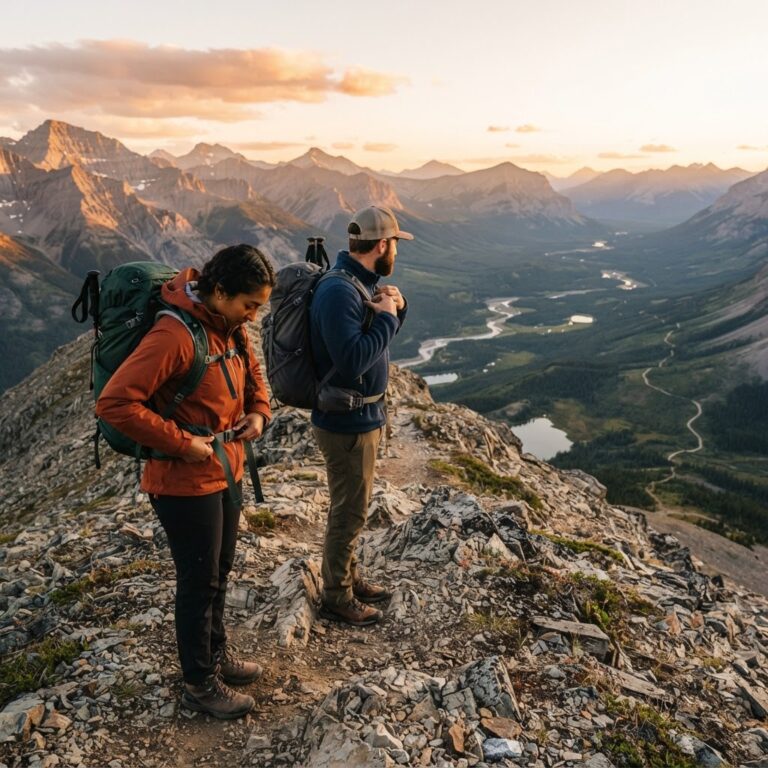
Solo backpacking teaches self reliance. You carry all systems yourself and make all decisions. That means a slightly heavier first aid kit and redundant navigation checks. Group trips split certain items across team members, like a cook system, but require careful coordination to avoid inefficiency. In groups, distribute load based on ability and ensure everyone knows basic navigation and Leave No Trace principles.
Small business owners and entrepreneurs who lead teams on outdoor retreats should plan communication protocols and clear role assignments. If you run trips with others, practicing essential skills like campsite setup and water treatment before the trip reduces friction and improves enjoyment for the whole group. For practical tips on tent camping and teamwork skills that transfer well to backpacking, review tactical camping strategies in contexts like tent camping and core camping skills.
Pro tip, pack for the worst likely day not for the best. That mindset keeps you prepared, reduces stress, and lets you enjoy the good weather without worrying about being caught unready.
Frequently Asked Questions
How do I prevent blisters while backpacking?
Prevent blisters by starting with properly fitted footwear and breaking in boots before a long trip. Wear moisture wicking socks and consider a thin liner sock to reduce friction. Keep feet dry, change socks if they get wet, and use preventative taping on known hot spots. Carry blister supplies in your wilderness first aid kit, such as sterile dressings and friction reducing tape, and treat hot spots at the first sign to avoid a full blister forming.
What is the most important item to pack for beginners?
The most important item for beginners is a reliable shelter and sleep system matched to expected conditions. A good night of sleep preserves energy and judgment, which are critical in the backcountry. Pair that shelter with a reliable navigation method, either a map and compass or a backup navigation device. For more on basic camping skills and tent based strategies that beginner backpackers can borrow, see practical tent camping tips that teach core setup techniques and comfort strategies.
How much weight should I be carrying in my pack?
As a general guideline, aim for a base weight that lets you hike comfortably for your planned distances. Many hikers target a base weight that feels manageable on climbs, often in a range that allows fast day performance while leaving energy for the trail. For beginners, carrying too much is the most common mistake. Prioritize essential safety items like navigation, hydration systems, and wilderness first aid supplies, then refine nonessential items after trial hikes. If you want a structured approach to trimming load while keeping core capabilities, resources about mastering essential camping skills provide good frameworks for choosing what to shed.
Final Thoughts
Backpacking adventure trips are as much about the planning and choices you make before the trail as they are about the time spent on it. Pack smart, know your route, and prioritize safety and Leave No Trace principles to create memorable, repeatable trips.