

TL;DR:
- Choose a glamping style that matches your comfort level and adventure goals—treehouses and safari tents offer very different experiences.
- Use niche booking platforms plus social media for honest reviews and real photos; cross-check listings and host responses.
- Vet sites beyond star ratings: read detailed reviews, check maps for access and services, and verify eco-claims with specific practices or certifications.
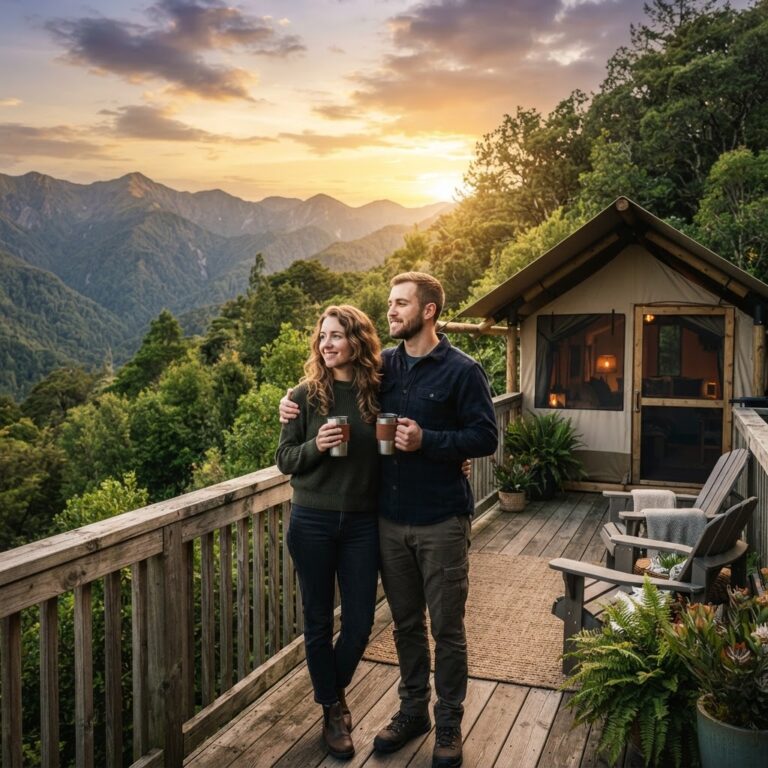
Glamping—camping with a side of comfort—has exploded from niche pastime to mainstream getaway. Whether you crave sleeping among the branches in a treehouse, waking up to safari-tent vistas, or unwinding at an off-grid pod with solar power and composting toilets, there’s a style and destination that fits your vibe. But with so many options, how do you find the perfect trip without wasting time or money?
This guide walks you through choosing your glamping style, the best tools and platforms to book with confidence, and practical ways to vet destinations. It’s conversational, practical, and built to help you move from “I want to go glamping” to “let’s book it”—today.
Table of Contents
Define Your Glamping Style
Treehouses vs. Safari Tents
Let’s start with a simple question: do you want to sleep among the leaves or under canvas with big windows? Both treehouses and safari tents have huge appeal, but they deliver very different sensory experiences.
Treehouses are about elevation, views, and a feeling of retreat. They’re often built with wood, feature decks and rope bridges, and tap into that childhood wonder of being up off the ground. Treehouses tend to be cozier—think sloped walls, tucked-in beds, and limited floor space. They often require stairs or ladders, so they’re perfect if you’re comfortable with a bit of physicality and want an intimate, romantic escape.
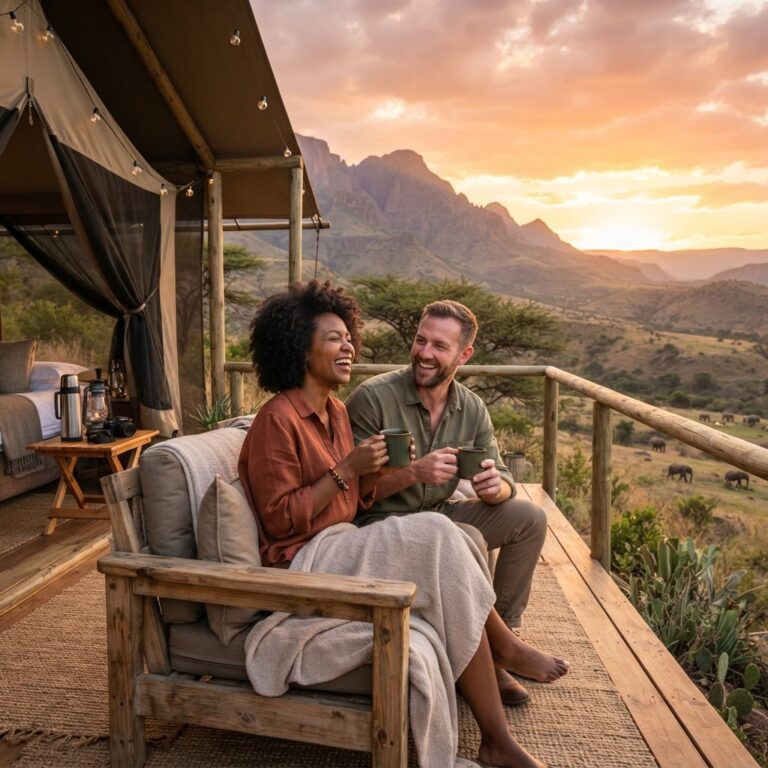
Safari tents channel the safari lodge vibe—large floor plans, canvas walls, and oversized windows or mesh screens to bring the outside in. They usually have more room to spread out, can include full beds, rugs, and sometimes private bathrooms. Safari tents are great if you want a spacious, hotel-like experience that still feels connected to nature. They’re also typically easier to access than treehouses for people with mobility concerns.
Practical considerations: treehouses may be more limited in terms of plumbing and electricity; safari tents often integrate easier with ground-level hookups or onsite bathrooms. If you’re traveling with kids, a safari tent may be safer and more practical; for a couples’ retreat or solo recharge, a treehouse provides that special “elevated” ambiance.
Off-grid luxury vs. full-service resorts
Glamping can lean minimalist and sustainable, or it can tilt toward pampered luxury with a spa, restaurant, and concierge. Which direction you choose shapes the entire trip—from packing lists to planning your itinerary.
Off-grid luxury blends low-impact living with high-end design: think solar panels, composting toilets, wood-fired hot tubs, and well-designed tiny living spaces. These sites emphasize unplugging and being self-sufficient but don’t skimp on comfort—plush bedding, curated toiletries, and local, seasonal meals are common. Off-grid glamping is ideal if you want to disconnect, practice sustainability, or try tiny-space living without sacrificing quality.
Full-service resorts offer convenience: on-site dining, housekeeping, guided activities, and sometimes wellness services like massages or yoga. They’re perfect if you want an easy, all-in-one escape where logistics are handled for you. Resorts are better for first-time glampers who want a softer landing into the genre or for travelers who value structured amenities and activities.
Decide how much planning and packing you’re willing to do. Off-grid sites may require you to bring food, carry water, or accept intermittent power. Full-service resorts usually provide everything but come at a price premium. Your budget, travel companions, and tolerance for self-sufficiency will point you toward the right category.
Tools and Platforms to Use
Niche glamping booking platforms
When you want authenticity and curation, niche platforms win. General travel sites list all sorts of lodging, but platforms dedicated to glamping often vet properties, group similar experiences, and surface unique stays you won’t find elsewhere.
- Glamping Hub — A large, curated marketplace specializing in unique outdoor stays worldwide. Strong search filters and lots of real photographs make it easy to visualize your stay.
- Hipcamp — Excellent for North American options, from luxe tents to private cabins. Hipcamp also lists campsites on private land and often includes user photos and notes about on-site facilities.
- Tentrr — Focused on turnkey camping sites; great if you want a prepared campsite with a platform and gear set up for you.
- Canopy & Stars — A UK-based favorite with highly curated and design-forward properties, especially good for boutique glamping.
Why these platforms matter: they often include better search tools for “glamping type,” filters for amenities, and property pages written with outdoor enthusiasts in mind. They may also provide more robust customer support for unusual stays than a general listing site.
Tip: cross-check niche listings on mainstream platforms (Airbnb, VRBO, Booking.com) to compare prices and policies. Occasionally the same property appears in multiple places with different cancellation terms or special offers.
Using social media for authentic reviews
Photos on listing pages are curated; social media reveals the unscripted reality. Use Instagram, TikTok, and Facebook to see real guest photos, video walkthroughs, and unfiltered impressions.
- Instagram — Search location tags, hashtags like #glamping, #glampinglife, or the property’s name. Look for recent posts, and don’t be swayed by a single perfectly lit photo—look for multiple posts from different accounts.
- TikTok — Short on-site videos are gold for seeing layouts, bathroom setups, and arrival paths. Search for property names or “glamping review” plus the destination.
- Facebook groups — There are active glamping and outdoor travel communities where people share detailed experiences, tips on gear, and hidden gems. Ask the group for recent experiences in a specific location.
- YouTube — Longer video reviews and vlogs can show entire arrival-to-checkout experiences, which is helpful for understanding what a nightly stay truly feels like.
When you find posts, pay attention to timestamps (seasonal appearances change), weather context (photos in summer differ from those in rain), and interactions—do owners reply? Are there comments that hint at issues like long walks to bathrooms or noisy neighbors? Social media is your on-the-ground research lab if you know how to read it.
Vetting Your Destination
Interpreting reviews beyond the stars
Star ratings are a starting point, not a definitive answer. Five stars often reflect feel-good moments, while three stars can mask a perfectly fine stay with one glitch. Drill into review content for practical insights.
- Look for specifics: Reviews that mention “no hot water in the morning” or “host provided fresh bread at sunrise” are more useful than “great stay.”
- Compare multiple reviews: If 10 reviewers mention a steep hike up to the site, assume it’s true. One-off complaints can be noise; repeated mentions are signals.
- Check photo evidence: Guest photos often reveal what hosts choose not to highlight—muddy access roads, actual tent interiors, or unexpected neighbor proximity.
- Read recent reviews first: A site that was rustic two years ago may now have upgraded facilities, while a newer complaint about cleanliness or pests could indicate a recent problem.
- Host responses matter: How a host replies to criticism shows their management style. Prompt, empathetic responses are a good sign of accountability.
Pro tip: search a listing’s reviews for keywords like “kids,” “cold,” “access,” “bathroom,” and “wifi”—it’s amazing how quickly repeated patterns emerge.
Checking proximity to local attractions and essentials
Location is more than a scenery tag—it’s logistics. Use maps and a simple checklist to ensure you’re not booking a postcard without considering the practicalities.
- Access roads: Is the final approach paved or a rough dirt track? If your vehicle is low-clearance, a long stretch of rutted road can turn dreamy into stressful.
- Distance to groceries and medical care: Know how far the nearest supermarket, pharmacy, and urgent care are—especially important for families, seniors, or travelers with medical needs.
- Cell service and wifi: Some people want “no signal,” others need reliable reception. Check coverage maps for carriers, and don’t assume wifi is strong just because it’s listed.
- Nearby activities: If you want kayaking, hiking, or wineries nearby, measure driving times. A short drive in rural areas can be a true half-day when roads are slow.
- Seasonal challenges: Flood-prone roads, winter snow closures, or heavy insect seasons can change how a location functions depending on the time of year.
Combine these checks with a look at maps, satellite view, and street view where available. Don’t be shy about messaging the host with specific questions: “Is the road to the site passable for a sedan after rain?” or “Do you have a local grocery within 30 minutes?” Their answers will tell you a lot.
This table simplifies a complex decision: your perfect glamping choice balances comfort, access, and your appetite for effort. Use it as a quick reference to match your priorities before you start comparing specific properties.
Frequently Asked Questions
What is the best time of year to go glamping?
It depends on the destination and the type of experience you want. Spring and fall are sweet spots for mild weather, fewer bugs, and vibrant landscapes—ideal for hiking and outdoor activities. Summer is great for beach-adjacent or high-altitude glamping but expect higher prices and more crowds. Winter can be magical for heated cabins, snowy treehouses, or northern light chases, but check road access and facility heating before booking. Always consider seasonal closures and insect seasons specific to the region.
Do most glamping sites provide bedding and electricity?
Many do, but it varies. Most curated glamping properties (treehouses, safari tents, micro-cabins) include high-quality bedding, at least basic linens, and lighting. Electricity is common in full-service and many off-grid luxury sites (via solar or generator), but some truly rustic options may have limited power or request guests to bring portable charging solutions. Read the listing carefully and check photos and reviews to confirm what’s included.
How do I know if a glamping site is truly eco-friendly?
Look for specific practices rather than vague claims. Eco-friendly indicators include solar or renewable energy sources, water-saving fixtures, composting or waste-reduction systems, locally sourced food, native landscaping, low-impact building materials, and clear conservation policies. Third-party certifications (where available) or partnerships with conservation groups can add credibility. Ask hosts direct questions about their practices and request examples—saying “we’re sustainable” is weaker than listing “solar panels provide 80% of power” or “we compost and avoid single-use plastics.”
Final Thoughts
Finding your perfect glamping adventure is a balancing act between dream and logistics. Decide how much comfort you need, use niche platforms and social media to gather real-world evidence, and vet listings for access, amenities, and genuine sustainability practices. With a little research—and a willingness to ask practical questions—you can swap overwhelm for clarity and land a getaway that feels like a small miracle: nature with the comforts you want, precisely where you want them. Now pack that duffel, charge your camera, and book the escape you’ve been daydreaming about.