
TL;DR:
- Decide your vibe first — rustic, mid-range, or luxury — because that drives location, budget, and packing.
- Use niche platforms (GlampingHub, Hipcamp, Tentrr) plus social visual search (Instagram, Pinterest, Google Lens) to discover unique spots.
- Vet listings by reading reviews carefully, confirming utilities (power, water, heating), and asking hosts direct questions before booking.
Glamping has exploded from a niche word to an entire travel genre — equal parts outdoors and creature comforts. Whether you’re craving a starlit canvas tent with a wood stove, a secluded A-frame with a hot tub, or a converted shepherd’s hut with hotel-level service, the right glamping trip combines location, amenities, and atmosphere to create a memory you’ll actually remember for the right reasons.
This guide walks you through choosing your ideal vibe, the best digital tools to discover gems, and how to vet listings so you book with confidence. I’ll share practical tips, questions to ask hosts, red flags in reviews, and a simple comparison table to help you pick the style that fits your travel mood.
Table of Contents
- Determining What You Want from Your Glamping Trip
- Top Digital Tools and Platforms for Discovery
- How to Vet Destinations for Quality and Comfort
- FAQ
Determining What You Want from Your Glamping Trip
Choosing between rustic vs. luxury amenities
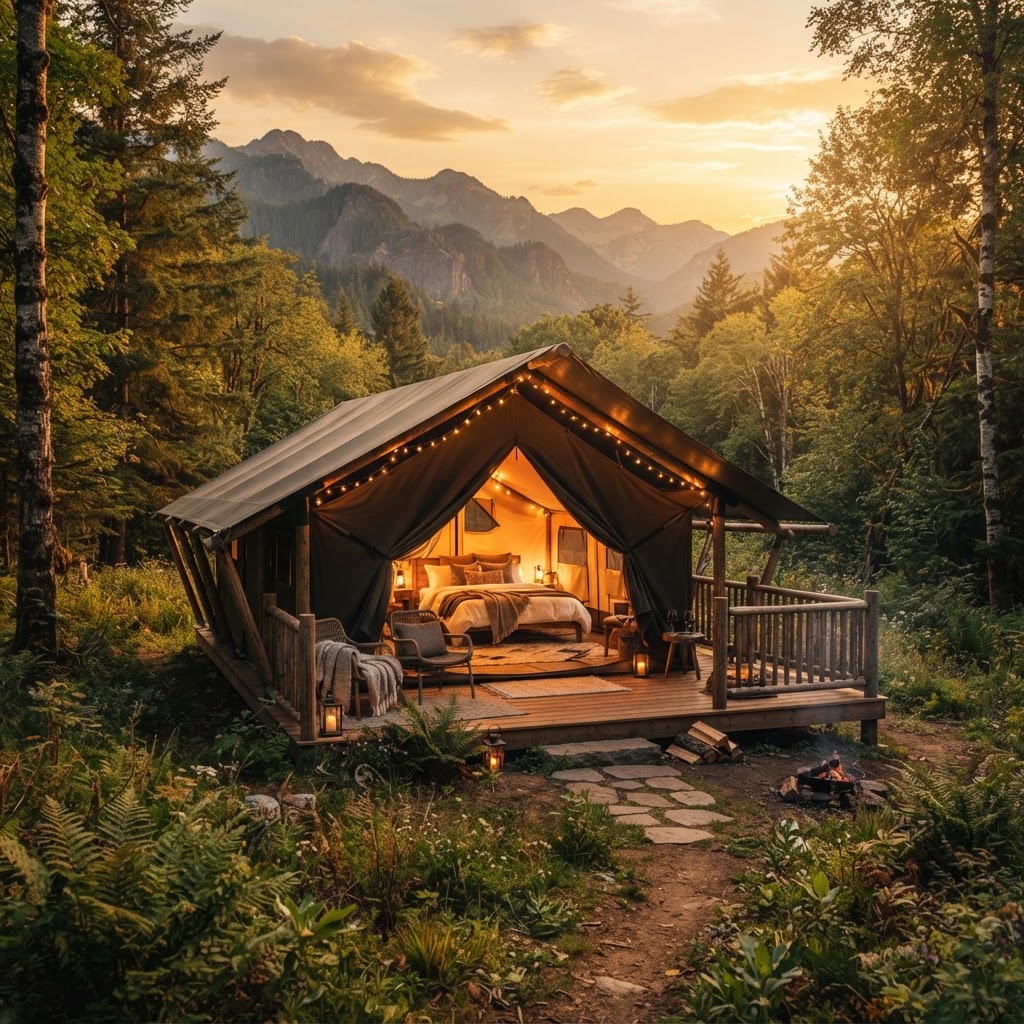
The first decision to make is whether you want rugged intimacy with nature or hotel-grade pampering dressed up in a yurt. I recommend thinking of glamping on a spectrum rather than a binary choice. On one end you have rustic stays — canvas tents, back-to-basics baths, wood stoves, and sometimes shared or composting toilets. On the other end are luxury properties — heated floors, plush linens, private bathrooms, hot tubs, and curated meals.
Ask yourself a few quick questions to narrow this down:
- Are you comfortable roughing it for the sake of atmosphere, or do you want nightly concierge-level comfort?
- Is your goal to disconnect (minimal Wi-Fi) or to have a beautiful base for remote work (strong internet, workspace)?
- How important are private facilities (bathroom, shower, kitchen)?
Practical tip: If you’re traveling with kids or less outdoorsy friends, err toward mid-range or luxury—the extra amenities make the trip smoother. If your goal is solitude, star gazing, or a digital detox, a rustic spot in a remote area might hit the mark.
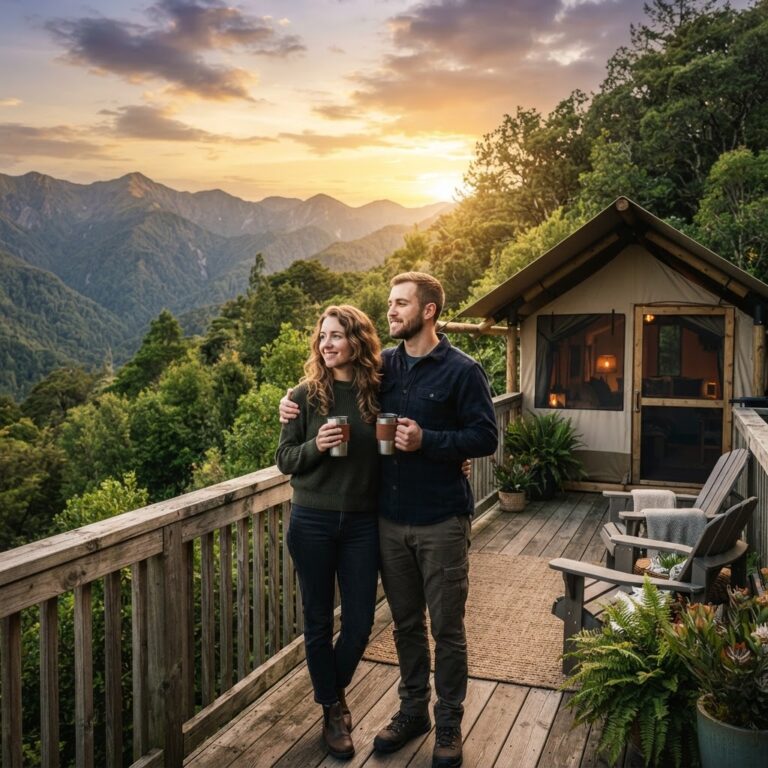
Another way to choose: imagine your perfect morning. If it’s coffee from a French press on a deck overlooking a lake, you probably want at least a kitchenette and a nice deck. If it’s brewing tea over a camp stove and walking straight into pine forest, a simpler setup will do.
Selecting the right environment like forests, deserts, or mountains
Where you camp sets the tone. Each environment offers different things — scenery, activities, and weather patterns — and shapes packing and logistics.
- Forests: Great for shade, cooler temperatures, and trails. Expect insect consideration, leafy privacy, and excellent birding. Forest glamps often offer cozy wood stoves and hammock-friendly layouts.
- Mountains: Elevation brings cooler nights, dramatic views, and hiking opportunities. Roads can be steep or unpaved; check vehicle access. Layered clothing and sun protection are musts because intense sunlight at altitude burns quickly.
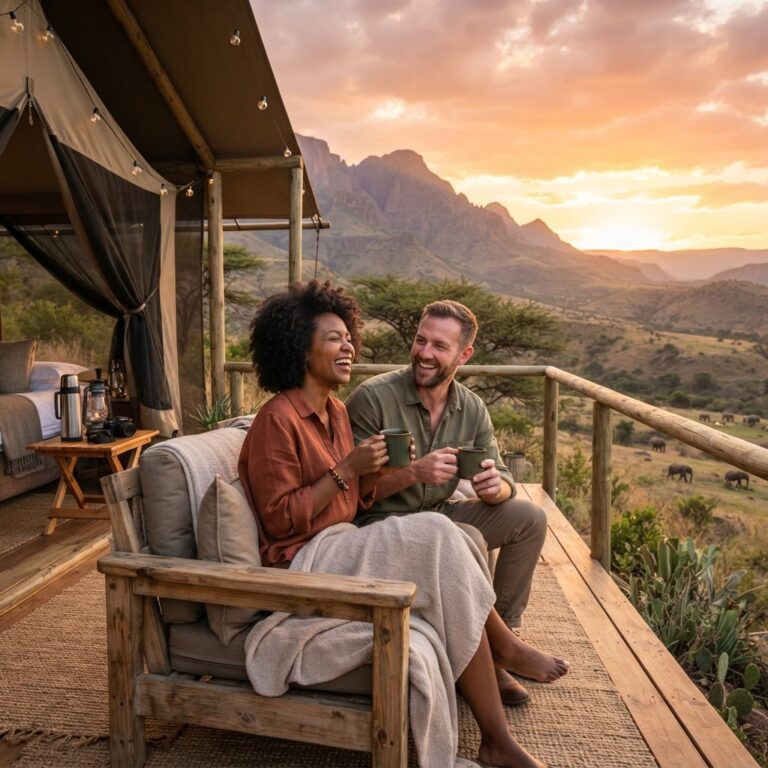
- Deserts: Epic starry skies, unique landscapes, and quiet. Desert nights can be cold despite hot days, and water scarcity is real — confirm water availability and plan for sun protection.
- Coasts and Lakes: Beaches, water sports, and soothing water views. Consider bugs like midges or mosquitoes in certain seasons and the risk of wind or salt corrosion on gear.
- Plains and Meadows: Open skies and easy access for stargazing. Some properties include glinting tents in fields with sunrise views; wind and exposure are the main weather concerns.
Match activities to environment. Want kayaking, surfing or rock climbing? Choose coastal cliffs or mountain ranges with guide options nearby. If you prefer gentle walks, reading, or photography, forested or meadow settings with short trail access might be ideal.
“Pick the environment that delivers the experiences you want most — the location is half the glamping story.”
Top Digital Tools and Platforms for Discovery
Utilizing niche booking platforms like GlampingHub
Niche booking sites aggregate specialized stays and make discovery easier. GlampingHub is a great starting point for globally distributed options — they curate tents, treehouses, yurts, and tiny houses and often include helpful filters like type, amenities, and location tags. Other useful platforms include:
- Hipcamp: Strong in North America, useful for private land stays and distinctive campsites.
- Tentrr: Offers fully prepped sites with standard amenities, great if you want the camping feeling without setup work.
- Airbnb / Vrbo: Search using keywords like “glamping,” “yurt,” “safari tent,” or “shepherd’s hut” combined with filters for “entire place” and desired amenities.
- Canopy & Stars: Excellent for curated boutique glamping in Europe and the UK, with high-quality, design-conscious stays.
- Booking.com: Useful for hotel-style glamping and sites that list properties as “unique places to stay.”
How to use these platforms effectively:
- Apply multiple filters: desired amenities (hot tub, heating), private bathroom, pet-friendly, and cancellation flexibility.
- Use the map view to see proximity to activities like trails, lakes, or towns.
- Check host response time and reviews on the property page — quick, detailed host replies are a good sign.
- Save or “heart” multiple options to compare. Many platforms allow saved lists or email alerts for price drops or availability changes.
How to leverage social media and visual search for discovery
Some of the most inspiring glamping spots surface on social platforms before booking platforms. Visual search helps you find similar styles and specific locations.
Strategies that work:
- Instagram: Search hashtags like #glamping, #luxurycamping, #safarilife, #yurtlife, or regional tags (e.g., #GlampingUtah). Use location tags to find properties and view host profiles or business pages. Save posts to collections so you can compare later.
- Pinterest: Great for mood boards. Pins often link back to blog posts or property pages — follow links for direct booking sources.
- TikTok: Short video tours can reveal real conditions — how tight the space is, storage options, and actual views. Look for full walkthrough videos or “what’s in my glamping bag” clips for packing inspiration.
- Google Lens / Reverse Image Search: If you find a dreamy photo without a source, use reverse image search to trace it back to a listing or blog post that names the location.
- Facebook Groups and Forums: Local travel groups, outdoors communities, and glamping-specific pages often have recommendations and first-hand reviews not found on booking sites.
Pro tip: When you find a property image you love, check the comments and the poster’s profile for additional context — sometimes hosts repost guest photos and you can find direct booking links or discount codes.
How to Vet Destinations for Quality and Comfort
Decoding guest reviews for hidden red flags
Reviews are your best defense against misleading listings. But not all reviews are equally helpful — learning what to read for makes a big difference.
What to look for:
- Patterns over praise: One glowing 5-star review is nice, but repeated mentions of an issue (e.g., “no hot water,” “hard to find,” “no signage”) are a red flag.
- Recent reviews: A four-year-old batch of positive reviews followed by recent negatives might indicate a decline in maintenance or changes in management.
- Photos vs. listing: Look at guest photos — they reveal wear and tear, layout, and actual size. Guests often post candid shots that show true conditions.
- Host responsiveness: Hosts who reply to negative reviews professionally and make corrections are preferable to those who ignore feedback.
- Noise, privacy, and access notes: Guests often mention neighbors, road noise, cell reception, or whether GPS gets you close. These details matter for expectations.
Questions to answer from reviews:
- Is the property accurately described (bed size, number of bathrooms, heating)?
- Do guests mention cleanliness and mosquito/insect control?
- Are arrival and check-in details straightforward or a headache?
Practical red flags:
- Multiple mentions of “misleading photos” or “smaller than pictured.”
- Complaints about access (e.g., “4×4 required” not mentioned in listing).
- Consistent notes about lack of basic utilities if those are important to you.
Checking for essential utility details like power and water
Always confirm the basics. Some listings gloss over critical details that determine how comfortable you’ll be.
Checklist of utilities and logistics to confirm before booking:
- Power: Is there mains electricity, solar, or generator? If solar, ask about battery limits and whether the host provides details about peak usage (can you charge devices overnight?).
- Heating and Cooling: Does the unit have a wood stove, electric heater, or AC? For cold-weather glamping ask about insulation and whether extra blankets are provided.
- Water: Is water potable? Are showers hot? Is there limited water usage during drought season?
- Bathroom facilities: Private en-suite, private external, or shared? Are toilets composting or flush?
- Internet and Cell Reception: If you need connectivity for work or emergencies, verify speed and reliability.
- Cooking facilities: Full kitchen, kitchenette, BBQ, or camp stove? Ask about cookware, utensils, and propane availability.
- Parking and access: How far is the walk from the parking area? Are roads suitable for your vehicle?
- Safety and Emergency info: Are smoke detectors present? Is there first aid and a phone signal or emergency contact protocol?
When to message the host directly:
- If photos don’t show the bathroom or power setup
- If you arrive late and need exact check-in instructions
- If you have mobility needs or specific dietary accommodations
Sample message template to send a host:
- “Hi — we love your space! Quick questions: is there reliable hot water for showers? Can you confirm whether the property has mains power or solar? Also, how would you describe cell coverage on-site? Thanks!”
Comparison of Rustic, Mid-range, and Luxury Glamping Options
Use this table as a quick reference to match your expectations with your budget and travel companions. If you need help choosing, think about the single non-negotiable — for example, a private bathroom. That will quickly steer you toward mid-range or luxury options.
Frequently Asked Questions
What is the best time of year to go glamping?
The best time depends on the environment and your tolerance for weather. Spring and fall are sweet spots for many locations — mild temperatures, fewer bugs, and beautiful light. For mountains, late summer avoids snow and gives open trails. Deserts are best in cooler months (fall through spring). Coastal and lakeside glamping peak in summer if water activities are your priority. Always check local climate patterns — some areas have rainy seasons or extreme temperature swings that make off-season travel less comfortable.
Do most glamping sites include bathroom facilities?
Many mid-range and luxury glamps include private en-suite bathrooms. Rustic sites may offer shared or composting toilets and may or may not have hot showers on-site. Listings should clearly state the bathroom type; if it’s not clear, ask the host. If a private bathroom is essential for you, filter for “private bathroom” or confirm with the host before booking.
How can I tell if a glamping listing is authentic?
Look for multiple signs of authenticity: lots of guest photos (not just staged professional shots), recent reviews that match the listing description, a clear cancellation policy, and a host with a verified profile or business listing. Reverse image search suspiciously pristine photos to ensure they aren’t generic stock images. A responsive host who answers specific questions about utilities, access, and rules is another strong indicator of legitimacy.
Final Thoughts
Glamping is about intentional choices: the vibe you want, the environment that feeds your soul, and the level of comfort you need. Use niche platforms to discover curated options, leverage social media for inspiration and verification, and always vet utilities and reviews before booking. With a little research and a few smart questions, you can find a glamping adventure that feels perfectly tailored — whether that’s sitting by a desert firepit under endless stars or waking up to a mountain sunrise from a luxurious yurt.