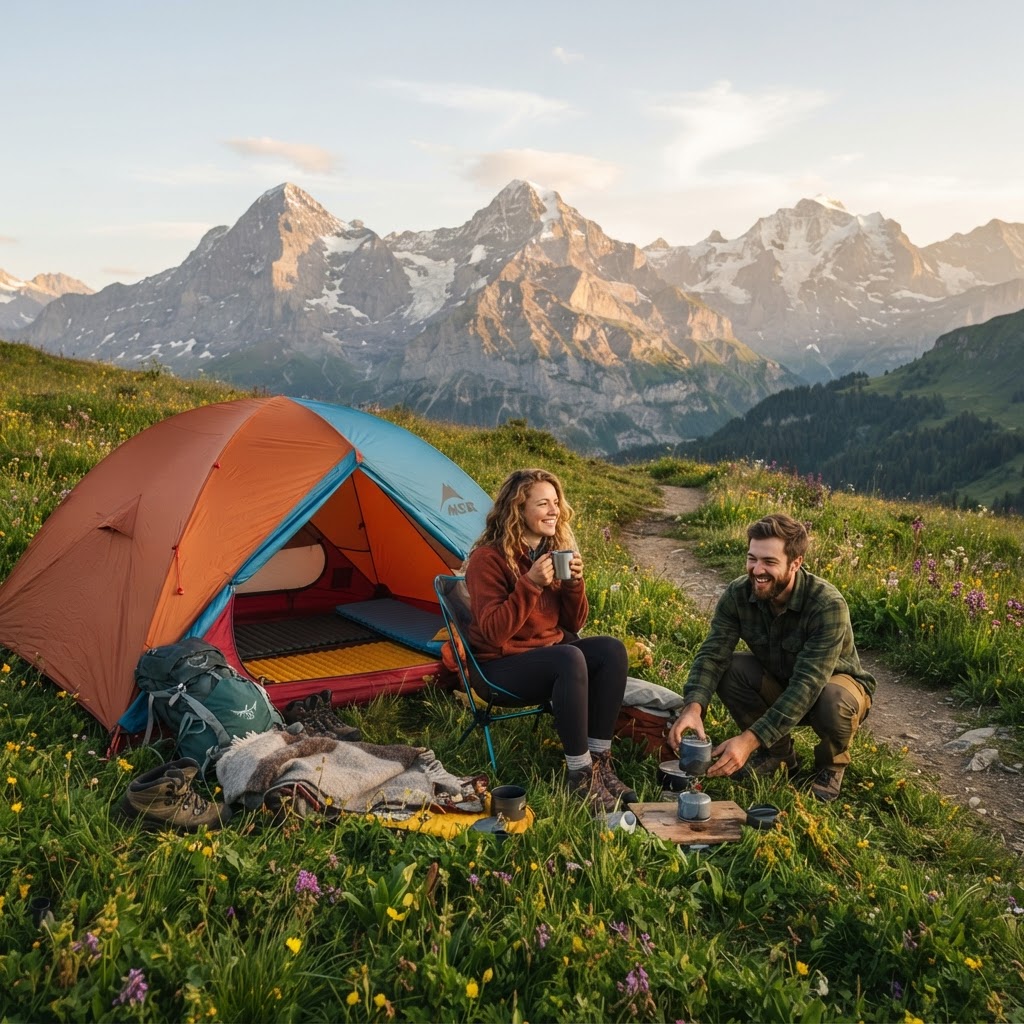

TL;DR:
- Preparation is the secret to a calm, fun first trip. Focus on the essentials: shelter, sleep system, and a good pack.
- Plan routes, check weather, and follow food storage and wildlife safety rules to stay safe.
- Choose a camping style that matches your comfort level, and practice key skills before you go.
I still remember the night I slept under a sky full of stars for the first time. Excitement buzzed through me, and the creak of the tent made me both curious and a little nervous. I loved the idea of falling asleep to the sounds of night, but I also worried about forgetting something important, and about what might happen if it rained or if I heard a strange noise outside.
If that sounds familiar, you are not alone. The secret to turning that mix of excitement and anxiety into a calm and memorable outdoor experience is preparation. In this guide I will walk you through how to plan the perfect wilderness camping trip, step by step, with practical beginner camping tips, essential wilderness survival essentials, and a friendly first time camping guide feel.
Table of Contents
- Essential Gear for Your First Wilderness Trip
- Planning and Safety Fundamentals
- Comparing Camping Styles for Beginners
- Frequently Asked Questions
- Final Thoughts
Essential Gear for Your First Wilderness Trip
Getting the right gear is the foundation of a successful trip. For your first time, focus on items that keep you safe and comfortable. Quality and simplicity beat novelty. Start by assembling items that cover shelter, warmth, hydration, navigation, and basic first aid.
The Big Three: Shelter, Sleeping System, and Pack
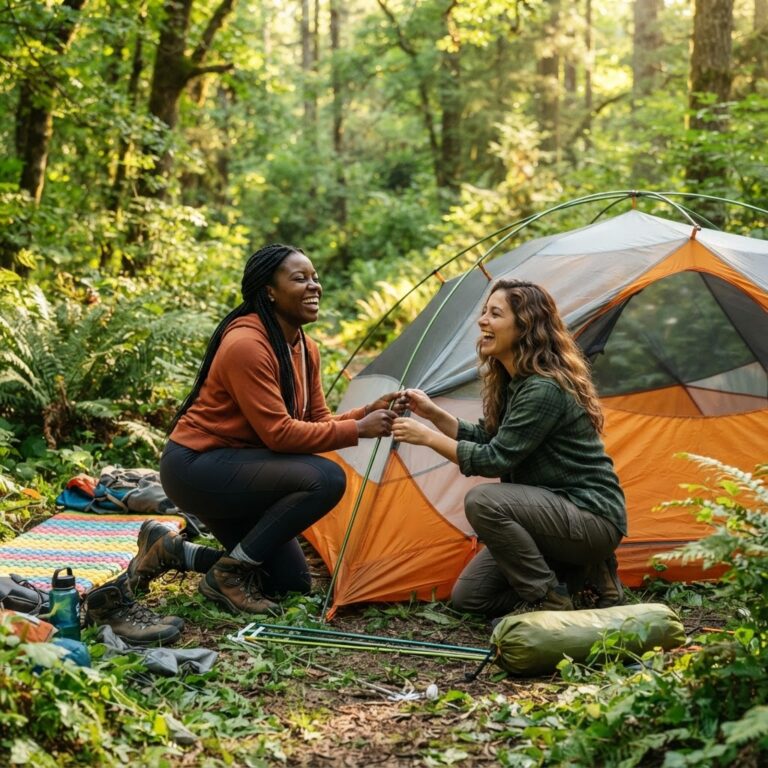
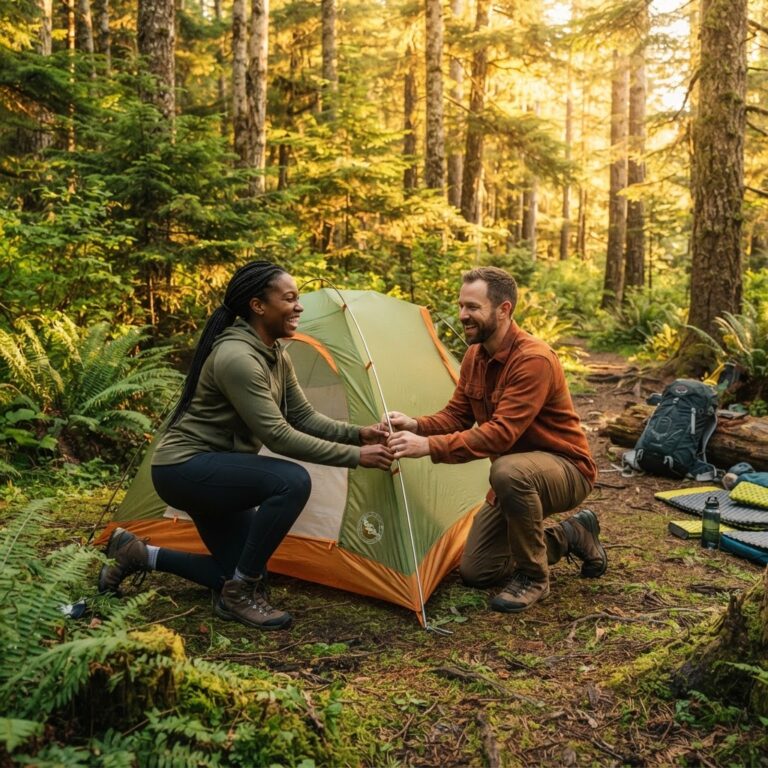
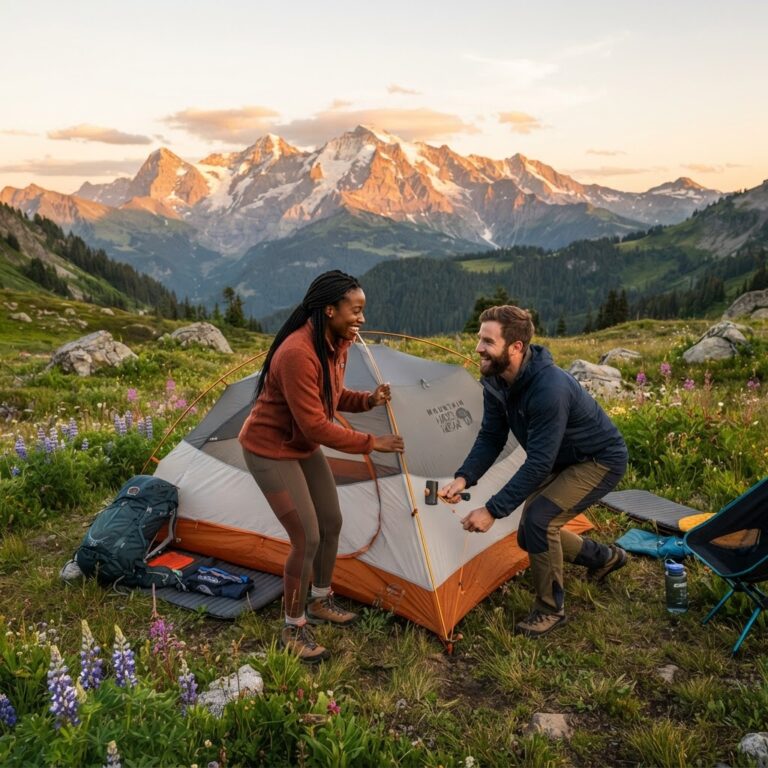
The three items you should prioritize are your shelter, your sleeping system, and your backpack. Your shelter can be a tent, a tarp setup, or a hammock system, depending on where you camp. For beginners a simple, freestanding tent with a rainfly provides reliable protection and is easy to set up. Pay attention to the tent capacity and choose one slightly larger than you think you need for extra gear storage.
Your sleeping system includes a sleeping bag or quilt and an insulating sleeping pad. Choose a sleeping bag rated for temperatures slightly lower than the lowest expected temperature on your trip. Sleeping pads add comfort and crucial insulation from the cold ground. A compact foam pad or an inflatable pad both work well. Finally, pick a pack that fits your torso length and has enough volume to carry your kit. Try the pack loaded with gear before you go so you know it is comfortable for hiking and for carrying overnight essentials.
Navigating Tools and Lighting Basics
Navigation and lighting are small items that make a big difference. Carry a detailed map of the area and a reliable compass, and learn basic map and compass skills before you venture far from trailheads. For many beginners a handheld GPS or a downloaded offline map on a smartphone is a useful backup, but never rely on electronics alone. Batteries die and signals can vanish. Bring spare batteries or a small power bank for essential electronics.
Lighting should include a headlamp and a small backup light. A headlamp keeps your hands free for cooking or setting up shelter after dark. Bring extra batteries and keep lights accessible in your pack. A small repair kit with duct tape, cord, and a multi tool is also worth packing to handle unexpected gear issues.
Planning and Safety Fundamentals
Good planning reduces risk and increases enjoyment. Take time to choose a location that matches your skill level, create a flexible plan, check forecasts, and think through food and water management. Safety is about anticipating common problems and preparing for them.
Choosing the Right Campsite Location
Pick a campsite that matches your goals and experience. For your first time choose a site near trailheads and with easy access to water. If you want solitude, look for less popular areas but avoid extremely remote routes where help would be hard to reach. Consider terrain features such as elevation, slope, and exposure to wind. Avoid low spots that could collect water if it rains, and avoid camping under dead branches or directly under large trees that could drop limbs in a storm.
Check regulations for permits and campsite rules. Many wilderness areas require permits or have specific limits on where you can camp. Reserving a site or obtaining a permit early helps avoid surprises. Finally plan your route with realistic distances, and allow extra time for setting up camp and breaks.
Wildlife Safety and Leave No Trace Principles
Understanding wildlife behavior and following food storage guidelines keeps you and animals safe. Store food in approved containers or hang it from a tree when required. Never leave food or scented items in your tent. Clean up cooking areas thoroughly and pack out all trash. If you encounter wildlife keep a safe distance and avoid surprising animals, especially at dawn and dusk when many animals are active.
Follow Leave No Trace principles to protect the places you love. Camp on durable surfaces, pack out all waste, and avoid disturbing natural features. Minimizing your impact helps preserve wilderness areas for future trips and reduces the risk of negative wildlife interactions. Respect local rules about campfires and use a stove for cooking if fire restrictions are in place.
Comparing Camping Styles for Beginners
Before you pick gear and plan logistics decide what style of camping suits you. Different styles demand different skill sets and gear. Trying a gentle style first builds confidence and lets you learn skills gradually. Below we compare common styles to help you choose.
Car Camping vs. Backpacking
Car camping is ideal for beginners who want comfort and convenience. You can bring larger tents, more cooking gear, and more creature comforts because weight and size are less of a concern. Car camping allows quick setup and easy access to your vehicle if something goes wrong. It is a great way to learn basic skills such as tent setup, camp cooking, and site selection in a low stress way.
Backpacking involves carrying everything on your back and hiking to a remote campsite. It requires more planning because you must manage weight carefully and think about food planning, water sources, and route finding. Backpacking rewards you with solitude and access to more remote scenery, but it increases the complexity of logistics and the physical demands. For a first wilderness trip consider a short, well marked backpacking route and do a practice overnight with a loaded pack to test gear and fitness.
Finding Your Preferred Camping Style
Think about what you want from the trip. If you want to unwind and focus on comfort start with car camping. If you want solitude and a sense of adventure consider backpacking. Many beginners progress from car camping to weekend backpacking trips, building skills over time. Try a simple overnight backpacking route that is close to a trailhead and has reliable water to reduce mental load the first few times.
Also consider group size and the experience of your companions. Camping with more experienced friends can help you learn, but it is helpful to have at least one person who understands map reading and basic first aid. Practice setting up shelter and cooking at home or in a nearby park before you head into the wilderness. This practice makes the real trip less stressful and more enjoyable.
Pro tip, try a short overnight close to home as a practice run. Pack everything you plan to take on the longer trip and test sleep systems, cooking setup, and navigation. That one practice night will highlight the little things you can fix before you head deeper into the wilderness.
Frequently Asked Questions
What is the best time of year for a first camping trip?
The best time for a first trip is usually late spring through early fall when temperatures are milder and daylight hours are longer. Choose a season when weather is stable and trails are accessible. Avoid high elevation trips early in spring because snow and cold nights add complexity. Also consider bugs and local conditions. Check local resources for the best windows in the area you plan to visit.
How do I deal with insects in the wilderness?
Insects are part of the outdoor experience. Wear long sleeves and pants during dawn and dusk when insects are most active, and use an insect repellant that is appropriate for the species in your area. A head net is useful in buggy zones. Keep a clean camp, store food securely, and avoid wearing strong fragrances that attract insects. If you get bitten, clean the area, apply a cool compress, and use over the counter remedies for itching.
What should I do if it rains while camping?
If rain shows up, prioritize staying dry and safe. Set up your shelter in a way that sheds water away from the entrance, and keep your sleeping area elevated with a pad. Move gear into waterproof bags or bins, and use a tarp or tent vestibule for cooking if allowed. Avoid setting up camp in low spots that may flood. If conditions worsen, consider moving to a safer location or returning to your vehicle. Planning for rain with quick drying clothing and shelter lines makes wet weather much less stressful.
Final Thoughts
How to plan the perfect wilderness camping trip comes down to thoughtful preparation, learning a few key skills, and choosing a style that fits your comfort level. Start small, practice essential skills, and build from there, and you will be sleeping under the stars with confidence.