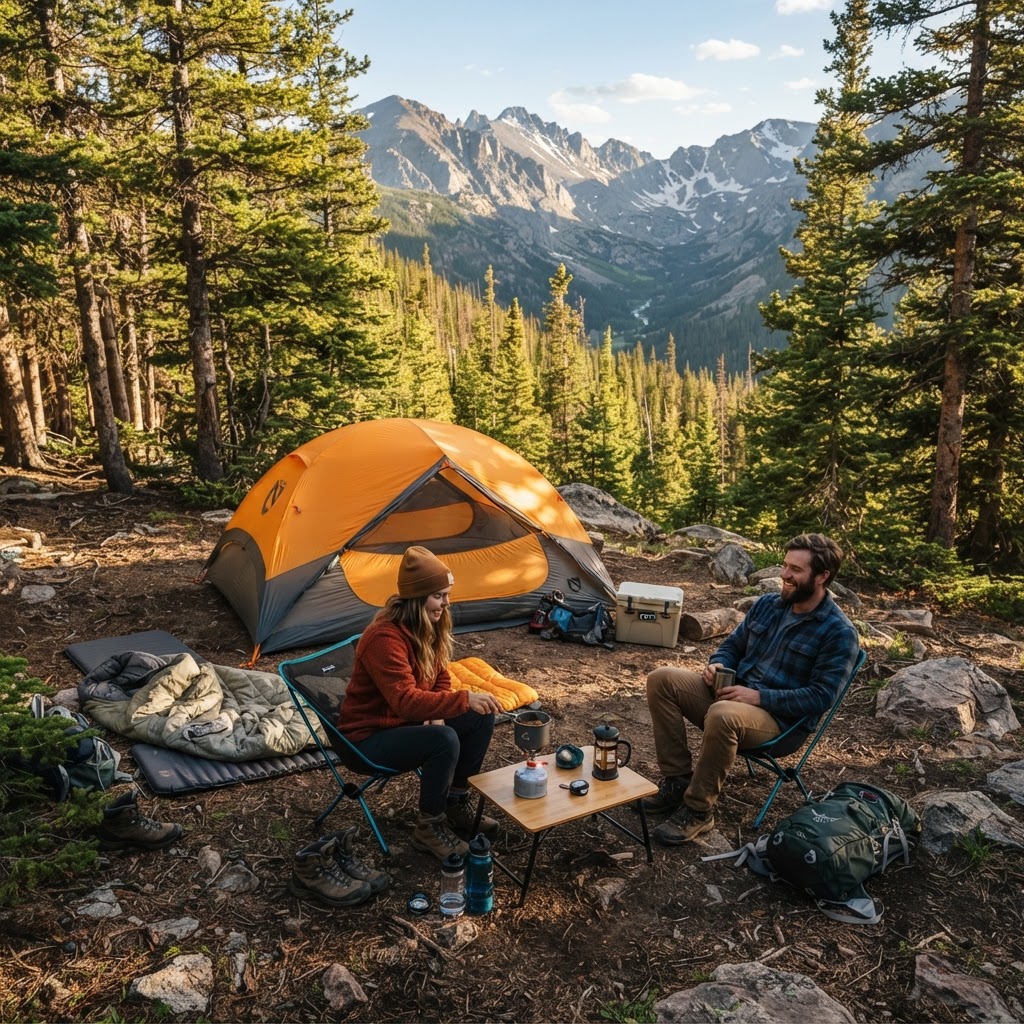

TL;DR:
- Pick an accessible, allowed campsite and check weather and permit rules before you go.
- Pack a reliable sleeping system, basic camp kitchen gear, and layered clothing for comfort and safety.
- Choose a camping style that matches your comfort level, practice Leave No Trace, and have a simple rain plan.
Imagine waking up to the sound of birds and crisp fresh air instead of your morning alarm clock. If you have always wanted to escape the daily grind but do not know where to start, this guide will show you how to camp like a pro.
This friendly, practical wilderness camping guide is written for first time campers and beginner campers who want to trade city lights for starlight without feeling overwhelmed. Read on and you will find simple planning steps, essential gear lists, comparisons of popular camping styles, and answers to the most common questions new campers ask.
Table of Contents
- Planning Your First Wilderness Escape
- Essential Gear to Pack for Success
- Comparing Camping Styles
- Frequently Asked Questions
- Final Thoughts
Planning Your First Wilderness Escape
Planning is where confidence begins. A little prep goes a long way toward helping you relax and enjoy the outdoors. In this section you will learn how to pick a campsite that suits a beginner, how to check weather so you are not surprised, and how to understand park rules and permits so you remain safe and legal during your trip.
Choosing the right campsite for beginners
Start with a site that is easy to reach from your car, close to basic amenities, and suited to your comfort level. For a first time trip, a campground with established tent sites, restrooms, and a ranger station is a great choice. These sites reduce the unknowns you have to manage and let you practice core skills like pitching a tent, building a small fire where allowed, and cooking outdoors.
When choosing a campsite, look for flat ground that is slightly elevated to avoid pooling water if it rains. Check for natural windbreaks, such as trees or shrubs, but avoid pitching directly under large, dead branches. Consider proximity to water, both for convenience and for scenic value, while maintaining the required setback rules for sanitation and safety. Finally, pick a site with a little shade and some morning sun so you can dry out gear and warm up easily.
Understanding park regulations and permits
Every park, forest, or wilderness area has its own rules. Some places require reservations, some need permits, and others have seasonal closures. Before you go, visit the official website or call the park office to confirm regulations about campfires, pets, human waste in remote areas, and food storage. Ignoring rules can cost fines, and worse, it can harm wildlife and the environment.
If a permit is required, secure it early. Popular areas fill up fast, especially on weekends and holidays. Also learn the rules about food storage and wildlife, such as whether a locked food locker is provided or whether you must use bear canisters. Permit systems also help managers protect sensitive areas, so following them helps preserve the places you love.
Essential Gear to Pack for Success
Gear does not have to be fancy, but it does need to be reliable. Packing the right essentials improves comfort, safety, and enjoyment. This section breaks down sleeping systems, clothing layers, a simple camp kitchen, and other must have items that will help you learn how to camp like a pro on your first few trips.
Choosing the right sleeping system
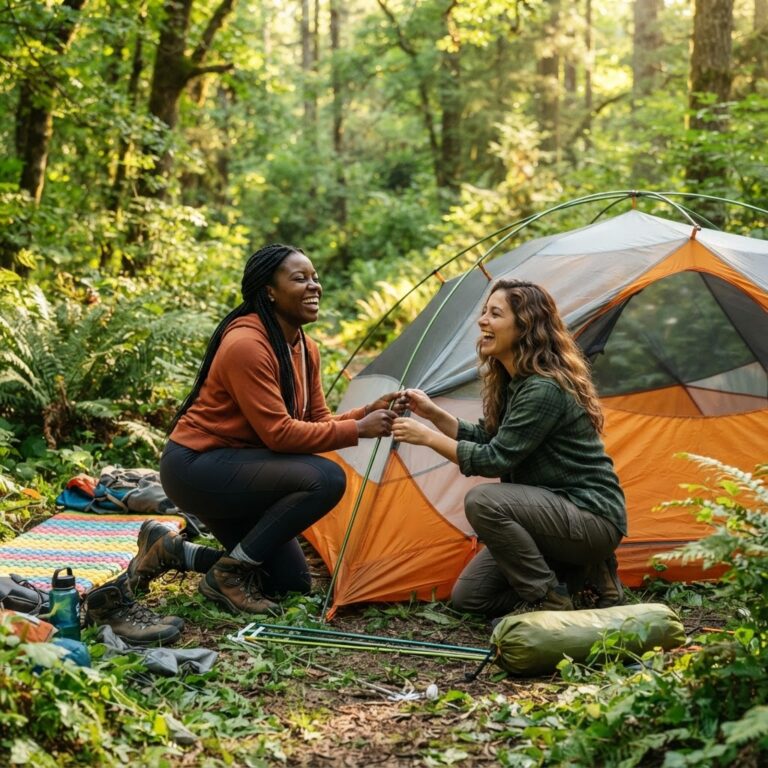
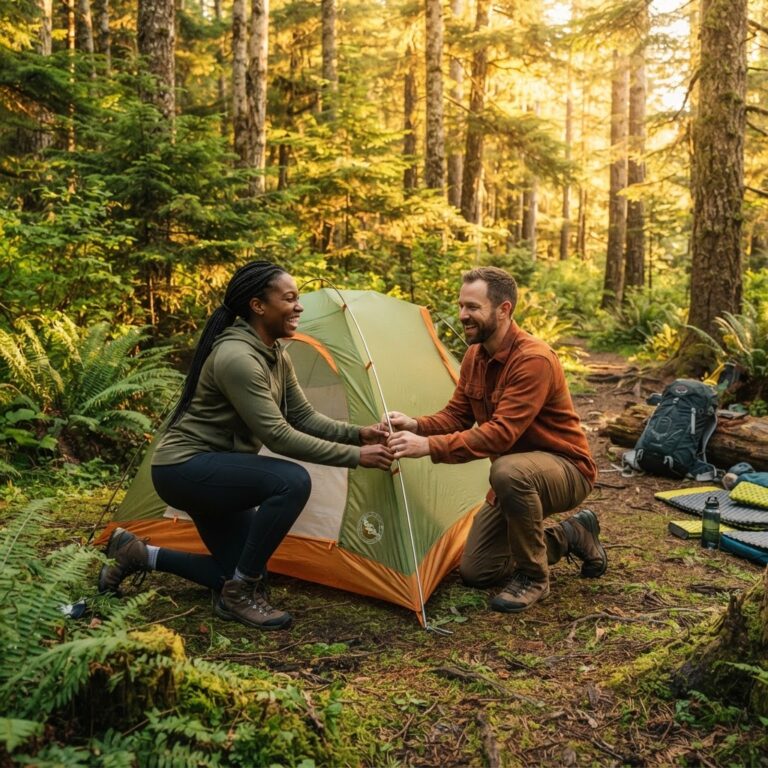
Your sleeping setup will determine how well you rest and how quickly you recover each day. A basic system includes a tent, sleeping pad, and sleeping bag or quilt rated for the temperatures you expect. For beginners, a tent that is easy to pitch, has a footprint to protect the floor, and provides good ventilation is ideal. Choose a size that fits your group comfortably.
Invest time in matching your sleeping bag temperature rating to the lowest night temperature you expect. If you plan trips across seasons, consider a modular approach with layers, or a bag with a wider comfort range. A sleeping pad adds insulation and cushioning. Inflatable or closed cell foam pads work well. Finally, a pillow or stuff sack filled with clothing makes a surprisingly large difference for a good night sleep.
The must-have camp kitchen tools
Food is part of the experience. For a beginner, simplicity wins. A compact stove with reliable fuel, a lightweight pot, a spork, a cup, and a small cutting tool cover most cooking needs. Bring a small wash basin, biodegradable soap, and a way to filter or treat water if you will be getting water from natural sources. Plan easy, comforting meals that are low stress to prepare after a day outside.
Pack food in sturdy containers and use odor proof methods as required by the area. Bring extra snacks for energy, and practice packing out trash. A well organized camp kitchen reduces time spent cooking and increases time for relaxing, exploring, and learning the outdoor rhythms that teach you how to camp like a pro.
Comparing Camping Styles
Understanding the differences between camping styles helps you choose what fits your goals and comfort level. You might prefer short trips near the car to get familiar with gear. Or you may crave the solitude of hiking to a remote site. Below we compare the basics so you can make an informed choice based on your experience, fitness, and desired level of comfort.
Benefits of car camping
Car camping is the friendliest way to learn. You can bring more comfort items without worrying about weight. This style is ideal for families, people trying camping for the first time, and anyone who wants a soft introduction to the outdoors. Set up takes less time, so you can practice building a fire where allowed, cook nicer meals, and enjoy amenities such as restrooms and potable water at many campgrounds.
Because you have more gear, you can also test different sleeping systems and kitchen setups before committing to lighter wilderness gear. Car camping teaches essential skills, from tent setup to safe fire practices, in a lower pressure environment. It also offers quick exits if the weather turns bad or someone gets sick.
The basics of backcountry hiking
Backcountry hiking takes planning and a lighter gear approach. You carry all of your essentials on your back to reach remote campsites. This style offers deeper immersion in nature and often rewards you with fewer people and more dramatic scenery. Start with short overnight trips and gradually extend distance and time as you gain confidence and fitness.
Prioritize lightweight solutions, practice efficient packing, and learn map and compass basics or how to use a reliable navigation device. Know how to filter or treat water and how to store food to minimize encounters with wildlife. Backcountry trips require thoughtful safety planning, including leaving a trip plan with someone and knowing basic first aid.
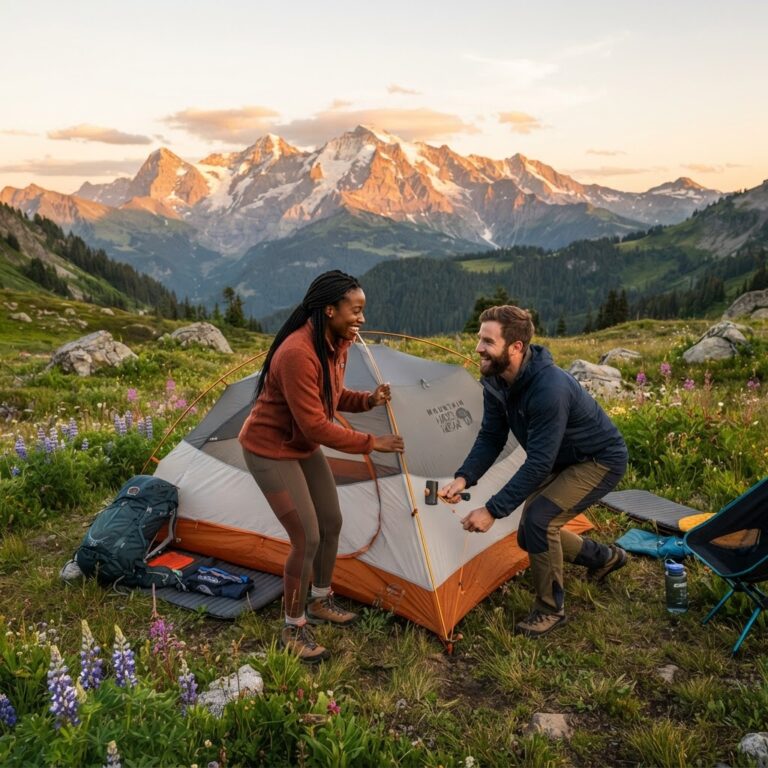
Pro tip: Practice pitching your tent and cooking at home before you go. Doing a quick trial run in the backyard helps you spot missing parts, learn setup sequences, and avoid on site frustration.
Frequently Asked Questions
What is the most important item to pack for first-time campers?
The most important single item is a reliable shelter and sleep system, meaning a tent that suits your group and a sleeping setup that keeps you warm and dry. If you only worry about one area, make sure you can sleep comfortably and stay protected from the elements. Good rest affects decision making and safety during your trip.
How do I choose the best spot to pitch my tent?
Look for flat ground that is slightly raised to avoid pooling water if it rains. Clear the area of sharp rocks and debris, and choose ground with good drainage. Avoid low spots, unstable slopes, and areas under dead branches. If possible, set up near natural features that block wind but respect leave no trace principles and distance rules from water sources and trails.
What should I do if it rains during my camping trip?
If rain arrives, stay calm and follow simple steps. Make sure your tent is properly fastened and guy lines are secure to handle wind. Keep a tarp or footprint under your tent to prevent ground moisture. Move items into waterproof bags or back into dry storage. Cook under a shelter or inside a vestibule if safe to do so. If you are in a risky area with rising water, relocate to higher ground before conditions worsen. Rain is manageable with good gear and a calm plan.
Final Thoughts
Learning how to camp like a pro is mostly about practice, preparation, and respect for the outdoors. Start with simple trips, pack the essentials, and build skills gradually to gain confidence and joy in the wilderness.