
TL;DR:
- Plan a clear route, monitor mountain weather patterns closely, and leave a check in itinerary that includes scheduled updates and emergency contacts.
- Choose gear that balances durability with pack weight, prioritize reliable navigation like topographic maps and a compass, and carry satellite communication devices for emergencies.
- Practice Wilderness first aid, follow Leave No Trace principles, and adopt bear safe food storage and campsite selection to reduce risk while enjoying solitude.
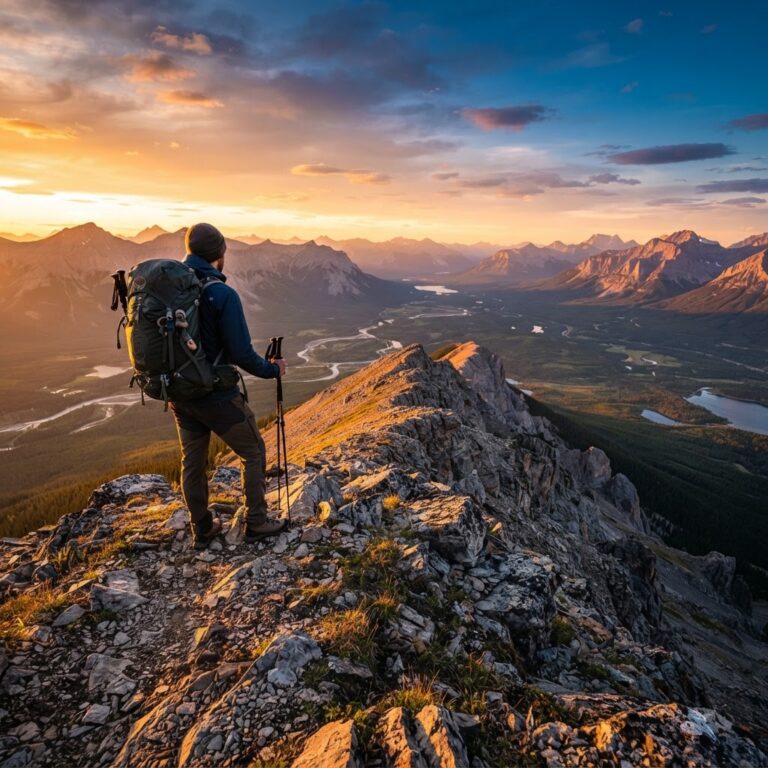
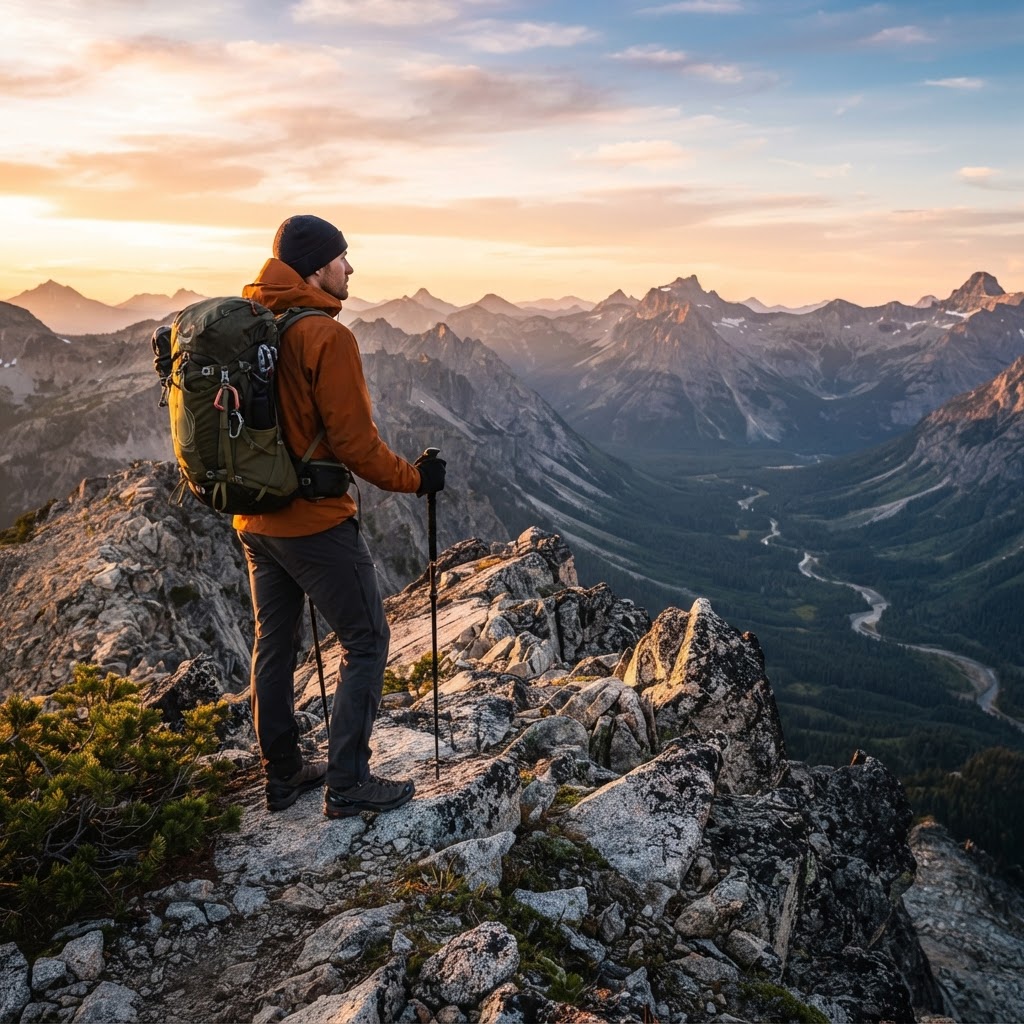
The mountains offer a unique brand of silence that you can only truly experience when you are trekking alone. If you have been craving the ultimate reset but feel hesitant about heading out solo, these expert strategies will help you conquer the wilderness with confidence.
This guide is written for busy entrepreneurs and marketers who want practical, low friction steps to plan and execute solo camping in the mountains. Think of this as a checklist you can use the night before your trip, and then again while you are en route to stay safe and focused.
Table of Contents
- Essential Preparation and Planning for Solitude
- Selecting the Right Gear for Mountain Environments
- Comparing Solo Camping Gear Configurations
- Frequently Asked Questions
- Final Thoughts
Essential Preparation and Planning for Solitude: Solo Camping in the Mountains
Preparation reduces stress and increases enjoyment when you are alone in high country. Solo camping in the mountains demands a higher level of planning than a group trip because you cannot rely on others to fix a navigation mistake or to share gear. The essentials are simple, they are route intelligence, weather awareness, clear communication plans, and practiced skills. Start early, and treat your plan like a small project with milestones you can check off before you leave.
Mastering your route and weather forecasting
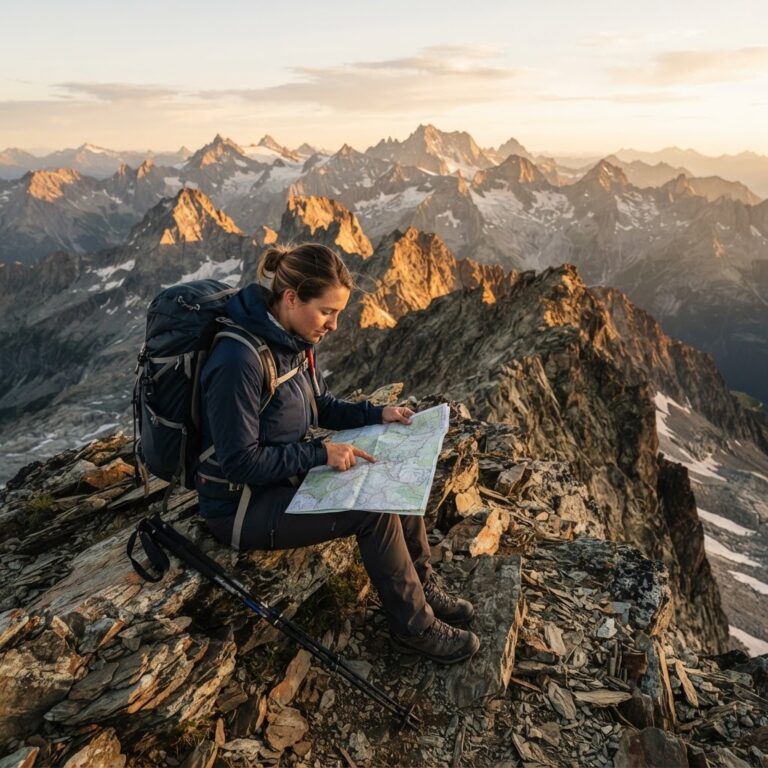
Start your route planning with a topographic map, not only to identify trails, but to understand contour lines, ridgelines, and potential escape routes. Topographic maps reveal where drainage lines run, where avalanche terrain might be present, and where you will find reliable water sources. If the route looks straightforward on a phone screen but shows steep contour lines on the topo map, adjust your day plan.
Mountain weather patterns change quickly. Mountains create their own microclimates, which means sunny mornings can turn into violent storms in a few hours. Watch several weather models for the area, and look for consistency across forecasts. Pay attention to wind predictions, afternoon thunderstorm probability, and temperature swings between day and night. Build margin into your schedule by planning a lower mileage day before and after critical passes or exposed sections.
The art of the ‘check-in’ itinerary
With solo trips, your check in itinerary is your lifeline. Give a detailed plan to a trusted contact that includes your route, expected timeline, and alternate exit points. Set scheduled check in times. If someone does not hear from you at the agreed time, they know how long to wait before raising alarm and who to call.
Consider including satellite communication devices in your toolkit so you can message check ins even when cell service is unavailable. Many of these devices also allow for one button emergency signaling. Share the device registration and brief instructions with the contact who will be monitoring your check ins. Finally, file any required permits with local land agencies and leave a copy of your itinerary at the trailhead register when available. Practicing this protocol before you leave helps prevent panic and speeds up rescue if needed.
Selecting the Right Gear for Mountain Environments
Choosing the right gear is about managing risk and comfort while keeping your pack weight reasonable. When you are alone, each piece of equipment must have a clear purpose and ideally a backup plan in case of failure. Focus on multi use items, redundancy for critical systems, and gear rated for the conditions you expect. Also think in terms of skill level. If you are new to mountain terrain practice set up and repairs at home to avoid surprises.
Lightweight shelter and sleeping systems
Your shelter and sleeping system are what keep you safe overnight. Pick a shelter that is robust enough for wind and protected enough for expected nights. A shelter with a full rainfly and a solid footprint will protect you in squalls and mixed terrain. Sleeping insulation must match the expected low temperature. A bag rated comfortably below the forecasted low, paired with an insulating sleeping pad, is a far safer approach than cutting weight at the expense of warmth.
When you pick a campsite, follow Leave No Trace principles. Camp on durable surfaces, avoid fragile alpine plants, and select spots that are protected from prevailing winds while not blocking water flows. Practicing tent setup and pack layout at home reduces the time you need to work in bad weather.
Navigation tools beyond your smartphone
Smartphones are helpful, but they fail when batteries die, screens freeze, or reception is lost. Carrying a reliable compass and current topographic maps is a low technology hedge against that risk. Learn how to plot bearings, read contour lines, and estimate distances. An altimeter watch can also help you verify position when visibility is poor, and a dedicated handheld GPS adds redundancy when road routing is complex.
Satellite communication devices are an important part of modern solo mountain safety. They allow you to send texts, track your route for others to monitor, and trigger emergency services when necessary. Treat them as an emergency communication layer and understand their battery demands. Carry spare batteries or a solar recharging option if your trip plan exceeds typical battery life.
Comparing Solo Camping Gear Configurations
Matching your gear configuration to the mountain terrain and season intensity is the core decision for a successful solo trip. There is no one perfect setup. The goal is to arrive at a balanced system that supports safety, allows enjoyable mobility, and fits your skill level. For a short summer ridge day a lighter system may make sense. For early season high elevation travel choose heavier more protective gear and accept the additional pack weight.
Balancing durability versus pack weight
Durability and weight sit on a seesaw. For entrepreneurs who plan efficiently this tradeoff is a simple risk calculation. Ask what failure looks like. A broken tent pole on a flat protected campsite is inconvenient. A broken shelter in heavy wind becomes dangerous. If the terrain is rugged and rescue would be delayed, err on the side of durability. If the route is moderate and you value speed, favor lighter items that you can repair in the field.
Another practical approach is modularity. Carry a lighter core system for movement days and a small set of heavier components that you only use if conditions demand them. This gives you the agility of a light load while retaining the option of increased protection. It is also worth practicing small repairs, and learning simple field fixes ahead of your trip.
Understanding environmental specific needs
Environmental factors include altitude, snow, insect season, and wildlife. High altitude increases sun exposure and complicates breathing and recovery rates. If you will be above tree line, prepare for wind and temperature swings. Snow requires different sleeping insulation, pathways that may be hard to follow, and knowledge of avalanche safety if steep slopes are present. Insect season calls for appropriate netting and food storage. Wildlife, especially large animals such as bears, changes how you store food and where you sleep relative to cooking areas.
Wilderness first aid skills are essential for solo campers. Learn to treat common mountain injuries such as sprains, hypothermia, and dehydration. Carry a compact first aid kit tailored for mountain risks and practice using each item. Knowledge reduces panic and can buy crucial time while awaiting rescue.
Pro tip: Pack to a scenario not an aspiration. Create a short emergency plan for likely failures and ensure each item in your pack helps manage one of those failures, then practice the response in a controlled setting before you leave.
Frequently Asked Questions
Is it safe to go camping in the mountains alone?
Solo camping in the mountains can be safe if you prepare properly. Safety is not about eliminating every risk, it is about reducing and managing risk with planning. Use topographic maps to choose your route, watch mountain weather patterns, set a clear check in itinerary, carry communication devices that work off cell towers, and practice Wilderness first aid. Start with shorter trips near trailheads until you build skills and confidence.
What is the most important piece of gear for a solo camper?
The most important piece of gear is the one that most directly preserves your safety given the environment you plan to enter. For many mountain trips that is reliable shelter and a sleeping system suitable for expected temperatures. For others it could be navigation tools such as a compass and topographic maps, or a satellite communication device if you will be out of cell range. Balance personal skills with gear strength, and practice using critical items ahead of time.
How do I manage bear safety while camping solo?
Manage bear safety by removing attractants and creating separation between your sleeping area and food. Use approved food storage methods, store food away from camp if the rules require it, and keep cooking at least 100 feet from your sleeping spot. Make noise on trails to reduce surprise encounters, learn local animal behavior, and follow Leave No Trace principles to reduce scent trails. Finally, know the recommended procedures for your region in case of an encounter and carry any nonlethal deterrents that are legal and appropriate where you are camping.
Final Thoughts
Solo camping in the mountains offers a deep reset and clarity, but it requires careful planning, appropriate gear, and practiced skills. Respect the environment, prioritize safety, and build confidence with progressive trips that expand your comfort zone over time.
For practical skill building, consider the fundamentals covered in How To Master Camping Skills For Your Next Outdoor Adventure, and for tent systems and site selection see Your Ultimate Guide to Tent Camping. If you plan to carry loads across long approaches review lessons in 10 Best Tips for Enjoying Your Next Backpacking Adventure Trip to refine your pack configuration.