
TL;DR:
- Pick a level, well drained campsite, pitch your tent with the door facing away from prevailing wind, and practice setting it up before you go.
- Pack smart with a prioritized checklist and create a cozy tent interior using sleeping pads, layered bedding, and soft lighting for comfort and productivity.
- Prioritize outdoor safety, secure food from wildlife, follow Leave No Trace principles, and always carry basic navigation and first aid supplies.
Dreaming of starry nights and crackling campfires, but feeling a little daunted by setting up camp? Don’t worry, we have all been there. Think of me as your friendly guide to making tent camping not just survivable, but downright enjoyable.
If you are hunting for the best tips and tricks to follow when tent camping, this guide walks you through everything from campsite selection to outdoor safety, and practical tent camping hacks that save time and reduce stress. Whether you want a weekend reset to clear your head, or you are planning content or partnerships around camping gear, these strategies help you deliver reliable, practical value.
Table of Contents
- Mastering the Basics: Setting Up for Success
- Smart Packing & Camp Comfort
- Staying Safe and Enjoying Nature
- Frequently Asked Questions
- Final Thoughts
Mastering the Basics: Setting Up for Success — Best Tips and Tricks to Follow When Tent Camping
Start strong and the rest of the trip flows. The first steps at the campsite matter more than you think. A calm, efficient setup means less time fussing and more time relaxing or working under the stars if you prefer. Below are practical actions that get you camp ready fast, while protecting your gear and the environment.
Choosing the Perfect Campsite
Choosing a good campsite is about comfort and safety. Look for a flat site that sheds water, ideally on a slight rise so runoff goes around your tent. Avoid low spots that collect water, and stay away from dead trees with loose limbs. Consider privacy and proximity to amenities like restrooms and water sources, while keeping distance from trails to reduce noise and avoid disturbing other campers.
Think like a marketer evaluating a landing page. You want clean visuals, easy access, and a clear path to the main asset. For campsite selection, that translates to a level, cleared area with natural wind breaks, a soft ground cover for sleeping, and a sensible orientation. If you want a quiet night to write or record, pick a back corner of the campground or a dispersed site that limits foot traffic.
Pro tip: test for water flow by checking the ground after a light rain or pour a little water and watch where it runs. If it pools, move on.
Your Tent: Pitch Perfect Every Time
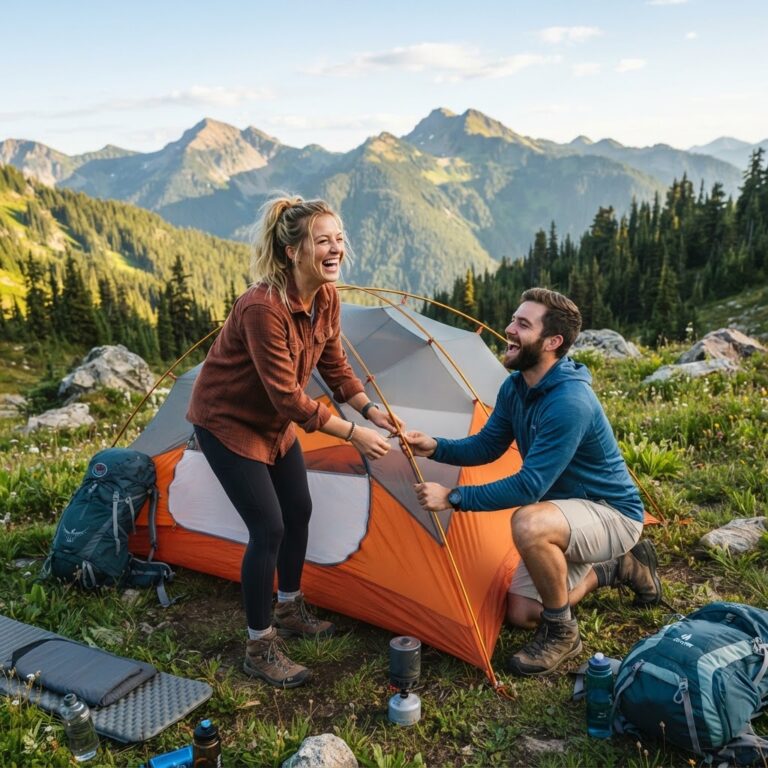
Practice makes perfect. Before your trip, assemble and disassemble your tent at home. Time yourself, refine the steps, and note any missing stakes or clips. At the campsite, lay out a ground cloth to protect the tent floor. Stake the four corners loosely, then raise the tent and tighten stakes once poles are placed. This method reduces strain and keeps the fabric aligned.
Pay attention to tent orientation. Face the door away from prevailing wind to minimize drafts and keep rain from blowing in. If condensation is a concern, open vents and slightly unzip panels to promote airflow. For longer stays, rotate use areas inside the tent to keep sleeping space dry and clean. Simple tent camping hacks like tying a small laundry line inside for drying socks, or using a hanging organizer for small gear, increase function without adding bulk.
When selecting gear, prioritize a tent size that gives you storage room for gear, especially if you plan to work outdoors. For two people, a three person tent often gives the extra space that keeps laptop bags and camera cases out of the sleeping area, improving comfort and organization.
Smart Packing & Camp Comfort
Packing well separates a good trip from a great one. The secret is layered priorities and thoughtful redundancy. Pack essential camping gear that covers shelter, sleep, warmth, hydration, and food, then add comfort items that make your campsite feel like a temporary home away from home.
The Art of the Camp Checklist
Create a master checklist and then a trip specific checklist. The master list stays mostly constant, and the trip list adapts for length, weather, and activities. Include these categories, then fill with specifics: shelter, sleep systems, cooking, hydration, clothing layers, first aid, navigation, lighting, and tools. For productivity or content creation incorporate gear storage and power solutions.
Use packing hacks like preloading a single duffel with frequently used items such as headlamps, matches, and a multi tool. Keep a dedicated small bag for first aid and another for food and cooking utensils. Pack heavy items low and centered in your vehicle for better balance, and use waterproof sacks or bags for electronics and paperwork.
Creating a Cozy Camp Haven
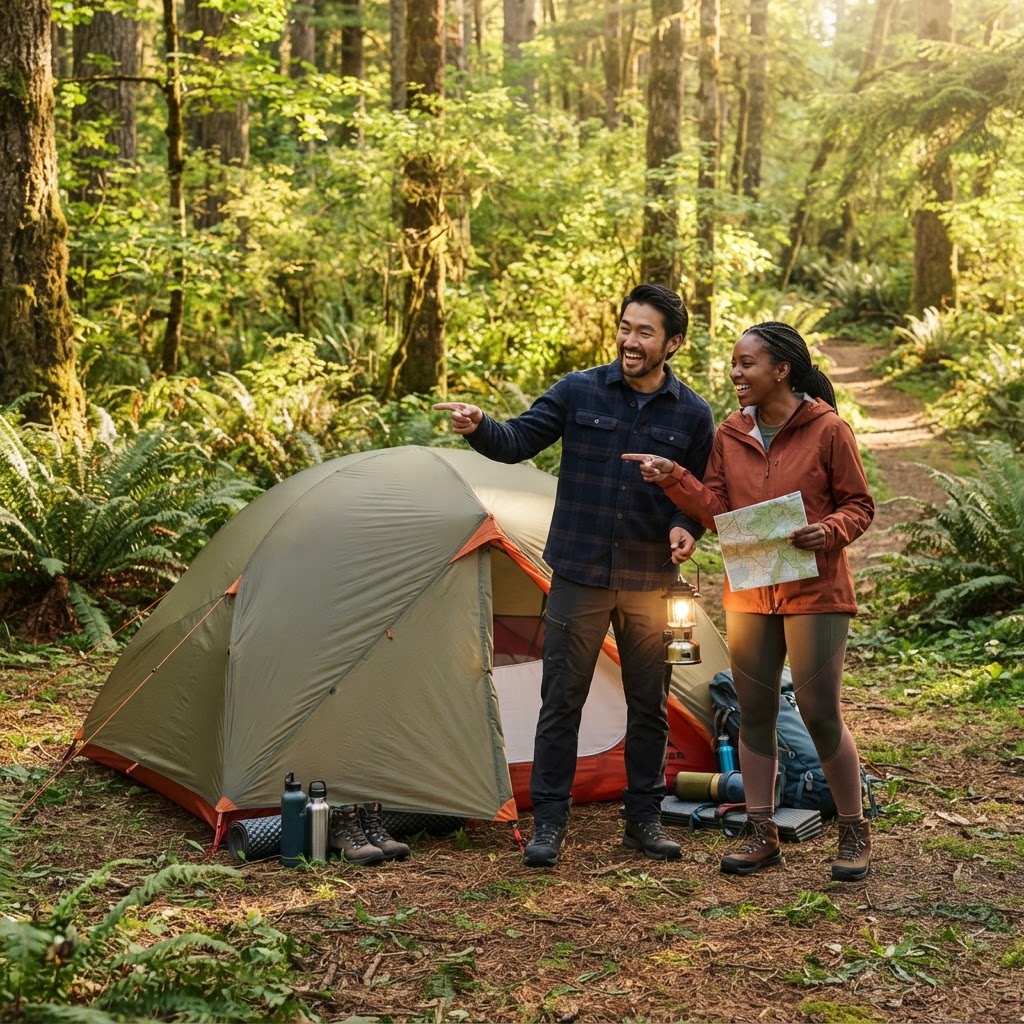
Comfort is both physical and psychological. Physically, invest in sleeping pads that provide insulation and cushioning. Layer blankets and a quality sleeping bag or quilts rated for expected temperatures. Add a lightweight rug or foam tiles outside the tent door to keep dirt at bay. Psychologically, soft lighting like battery operated lanterns or small string lights creates a calm atmosphere that helps separate day activity from night rest.
Set up zones at your campsite. A cooking area downwind from the tent, a seating area for socializing or focused work, and a sheltered gear zone to protect supplies. Small touches like a dedicated drying line, a foldable table for laptop work, and a compact clothesline for wet gear turn the site into a functional space. For marketers and entrepreneurs who want to produce content during a trip, plan battery management and backup power, and use neutral backgrounds for video that highlight nature without distracting viewers.
Staying Safe and Enjoying Nature
Safety and respect for nature go hand in hand. Knowing basic outdoor safety practices keeps you and your gear protected, and following conservation principles ensures the wilderness stays healthy for future trips. Below are essential habits to adopt that support both enjoyment and responsibility.
Essential Safety Tips for the Outdoors
Always tell someone where you are going and when you expect to return. Carry a map and compass and know how to use them. Pack a first aid kit and know basic wilderness first aid, including how to treat cuts, burns, and insect bites. Monitor weather forecasts and be prepared to change plans if conditions deteriorate.
Food safety is also critical. Store food securely to avoid attracting wildlife. Use hard sided storage boxes or hang food in a tree where regulations require. Keep a clean camp, wash cooking gear promptly, and dispose of garbage in sealed containers or pack it out when facilities are not provided. These practices protect both you and the local animals.
Leave No Trace: Respecting the Environment
Leave No Trace principles are straightforward and essential. Pack out everything you bring in, avoid damaging vegetation, and camp on durable surfaces. When nature remains undisturbed, wildlife continues thriving and other visitors have a better experience. These practices also align with long term business thinking, because outdoor experiences rely on healthy landscapes.
When breaking camp, scatter cooled campfire ashes away from water sources, replace any rocks moved for a fire ring to their original positions, and sweep the area for micro trash. If you are creating content about camping gear or campsites, model Leave No Trace behavior in visuals and language. This demonstrates credibility and builds trust with an audience that cares about outdoor stewardship.
Pro tip: Treat your campsite like a small neighborhood. Respect quiet hours, keep shared paths clear, and leave common areas cleaner than you found them. That small extra effort builds goodwill and maintains a peaceful setting for everyone.
Frequently Asked Questions
What are the most important things to pack for a first-time tent camping trip?
For a first time tent camping trip, prioritize shelter, sleep, and safety. Bring a sturdy tent plus ground cloth, a sleeping bag rated for expected temperatures, and a sleeping pad for insulation. Pack basic cooking gear, a reliable water supply or water treatment, layered clothing, headlamp or flashlight, a first aid kit, and navigation tools. Add personal items like sunscreen, insect repellent, and a small tool kit. Keep a compact checklist that you review before departure to avoid last minute runs to the store.
How do I choose a good spot to pitch my tent?
Choose a level, well drained spot away from water collection areas and away from hazards like dead trees or steep slopes. Look for an area with natural wind protection, and clear of rocks and roots that make sleeping uncomfortable. Orient the tent door away from prevailing wind, and position the tent so ventilation is maximized to reduce condensation. At campgrounds, follow designated pitches and respect spacing to maintain privacy and reduce impact on surrounding vegetation. For extra guidance on selecting peaceful, secure sites, see this guide to solo camping in the mountains, which highlights site selection and safety considerations.
What should I do if I encounter wildlife while camping?
If you encounter wildlife, stay calm and keep a safe distance. Do not approach or feed animals. Make yourself appear larger if a large animal approaches, back away slowly, and leave it an escape route. Secure food and scented items to avoid attracting animals to your tent. If you plan to camp in areas known for wildlife activity, review regional guidelines and carry recommended deterrents. For building good outdoor skills that reduce wildlife risk, check out tips on how to master camping skills for your next outdoor adventure.
Final Thoughts
Tent camping is a fantastic way to unplug, recharge, and create memorable experiences. Focus on smart campsite selection, efficient packing, and solid safety habits to make the trip comfortable and worry free.
With a little practice and respect for the environment, you will be able to enjoy starry nights and productive, peaceful days outdoors. For more advanced tips on enjoying remote trips, explore detailed advice on additional tent camping strategies.