

TL;DR:
- Start with the right essential camping gear, including a reliable tent, proper sleeping bag, camp stove, and layered clothing to stay comfortable and safe.
- Practice core skills like campfire safety, campsite setup, navigation basics, and Leave No Trace principles before you head into the woods.
- Choose a camping style that matches your experience level, plan for seasonal conditions, and store food correctly to avoid wildlife encounters.
Imagine waking up to the sound of rustling leaves and fresh mountain air instead of your morning alarm clock. Camping is the ultimate reset button, but if you’ve never done it, the logistics can feel like a heavy pack to carry, so let me show you how to master camping in practical steps you can use the first trip out.
Whether you are a busy digital marketer looking for a weekend recharge, an affiliate marketer scouting outdoor content ideas, or a small business owner planning a team bonding trip, these skills and tips will get you confident on your next adventure.
Table of Contents
- Essential Gear for Your First Camping Trip
- Fundamental Camping Skills Every Camper Needs, How To Master Camping
- Choosing Your Ideal Camping Environment
- Frequently Asked Questions
- Final Thoughts
Essential Gear for Your First Camping Trip
Getting the basics right makes the difference between a memorable night under stars and a lesson in discomfort. The most important items are a reliable tent, a sleeping system that matches expected temperatures, a simple camp stove for hot meals, and a backpacking or car camping approach that aligns with how you plan to travel. Think of gear as the foundation, like choosing the right software stack before running a marketing campaign, the better the foundation, the smoother everything else runs.
Choosing the Right Tent and Sleeping System
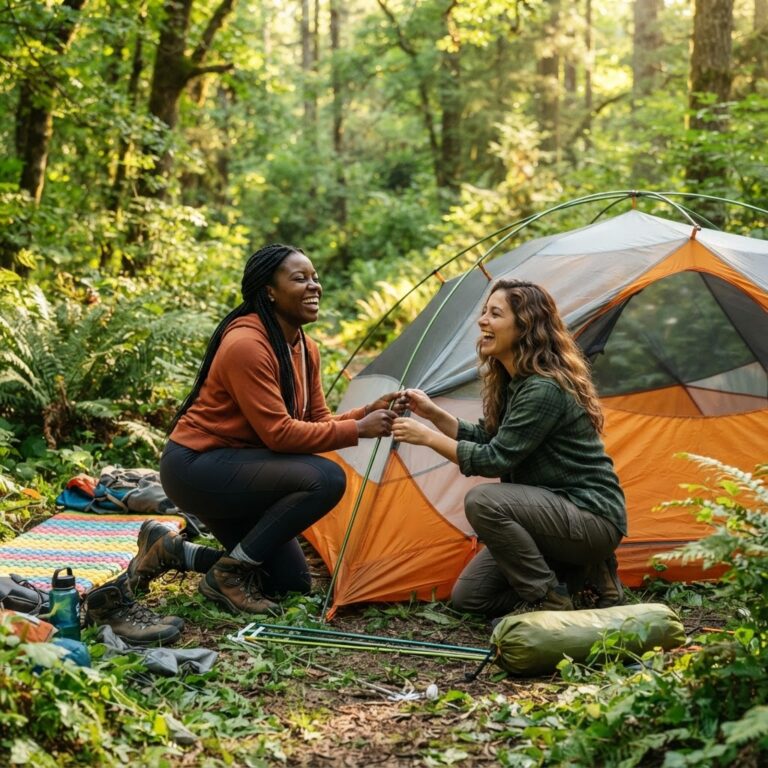
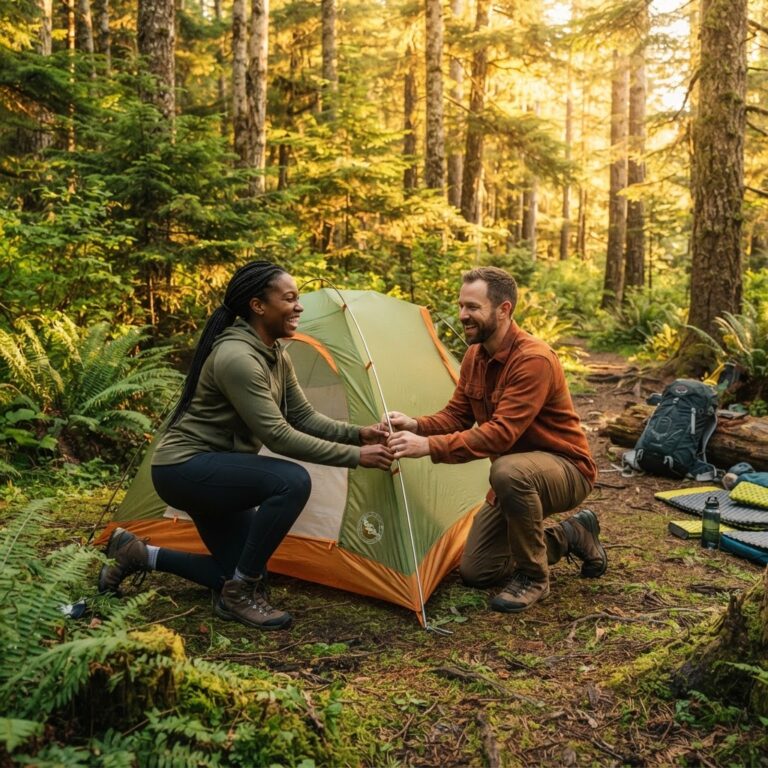
Start with a tent that is easy to set up and durable. For beginners, a tent with a simple pole design, a full rainfly, and enough room for occupants plus a little gear is ideal. If you expect wind or rain, choose a tent with a lower profile and sturdy stakes. Practice pitching the tent at home once before your trip so you know how it all fits together and what pieces might be missing or damaged.
Your sleeping system includes both the sleeping bag and the sleeping pad. Pick a sleeping bag with a comfort rating appropriate for the coldest night you expect. A sleeping pad adds insulation and comfort, especially important on chilly ground. For a good night of sleep, treat your sleeping setup like your office chair, get it right up front and everything else improves.
Must-Have Lighting and Kitchen Tools
Lighting and a compact cooking setup are the unsung heroes of a successful trip. Pack a headlamp for hands free tasks, and a lantern for shared spaces. Bring spare batteries and a small repair kit for headlamp straps or lantern components. A reliable camp stove and fuel, a lightweight cookware set, and basic utensils cover most meal needs. Learn how to operate the stove safely before you leave, and always cook on stable ground away from your tent to reduce fire risk and lingering smells.
Organize kitchen items in a single bag so you can find what you need quickly. For digital marketers planning influencer style content, think about meal prep that looks good on camera but is simple to execute. One pot meals are efficient, reduce cleanup, and conserve fuel.
Fundamental Camping Skills Every Camper Needs, How To Master Camping
Gear sets the stage, but skills keep you safe and comfortable. Learn how to set up and break down camp efficiently, how to build and extinguish a campfire safely, basic navigation and first aid, and how to minimize your impact with Leave No Trace principles. Like learning analytics for a campaign, these skills become faster and instinctive with practice.
Mastering the Art of Campfire Safety
Campfires are comforting, and they are practical for cooking and warmth, but they require respect. Before you light a fire, check if fires are allowed in the area. Use an established fire ring when possible, keep your fire small, and have a bucket of water and a shovel nearby for control. Never leave a fire unattended and fully extinguish it by dousing with water, stirring the ashes, and feeling for heat until cold to the touch.
Practice safe fire techniques at home in a controlled setting if you have access. For marketing teams running overnight retreats, assign one person as the designated fire steward to ensure rules are followed and everyone enjoys the evening safely.
Efficient Campsite Organization and Setup
Arrive with a plan. Scout the site for a flat, elevated spot clear of hazards, and set the tent floor perpendicular to the wind when possible. Store food downwind from your sleeping area, and use dry areas or tarps to keep gear clean. Keep a small cleaning kit, trash bags, and repair tape in your camp must haves.
Organize items into zones, kitchen, sleeping, and gear storage. Label or color code bags to save mental energy after a long hike. Incorporate Leave No Trace principles by minimizing disturbance to vegetation and packing out all trash. If you want deeper tent advice, the tips in this guide about tent camping offer hands on strategies for pitching and site selection, see Ultimate Tent Camping Tips & Tricks for an Amazing Outdoor Adventure for more detail.
Choosing Your Ideal Camping Environment
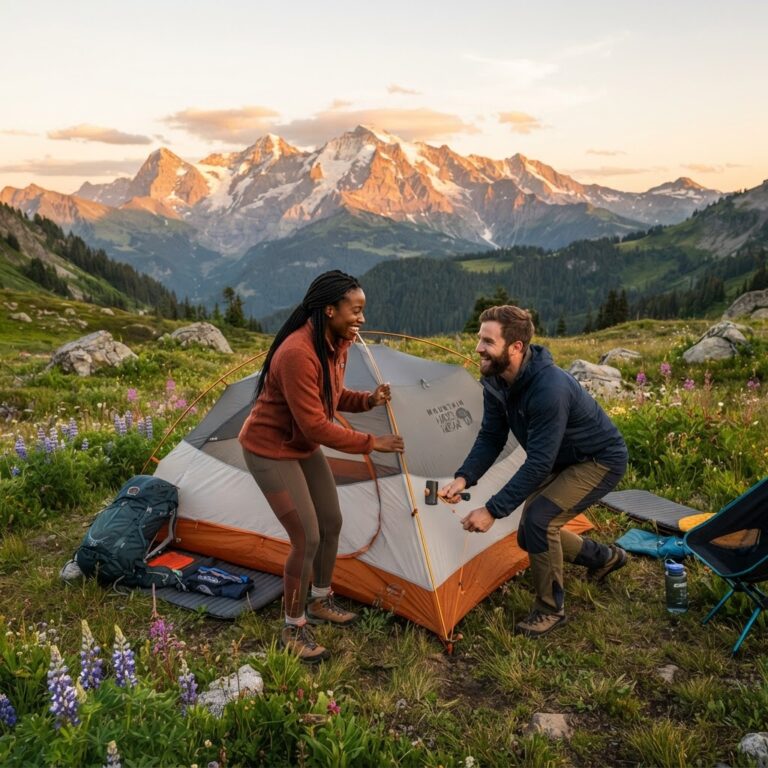
Picking the right environment depends on your goals, skill level, and how much infrastructure you want. If you want convenience and reliable facilities, choose a developed campground. If you want solitude and a challenge, dispersed camping or multi day backpacking could be for you. Consider weather, wildlife, and distance to help you match the terrain to your comfort level.
Developed Campgrounds vs. Dispersed Camping
Developed campgrounds offer toilets, picnic tables, and clear boundaries. They are easier for first timers because of predictable services and often have rangers or staff. Dispersed camping means camping outside designated sites, usually with no amenities. It requires more preparation, such as packing out waste and knowing how to select a low impact spot.
For backpacking adventures, use a lighter kit and plan water resupply points. The skills you practice at a basecamp translate directly to backpacking, and if you want tips tailored to multi day trips, the practical advice in this backpacking guide is helpful, see 10 Best Tips for Enjoying Your Next Backpacking Adventure Trips.
Seasonal Considerations for Planning
Seasons change what gear and skills you need. In spring expect mud and variable temperatures, bring waterproof layers. Summer brings bugs and heat, so bring sun protection, plenty of water, and bug management tools. Fall can be ideal with cooler nights but prepare for early frosts. Winter requires advanced cold weather knowledge, insulated sleeping systems, and understanding of hypothermia prevention.
Always check the forecast and trail or park advisories before leaving. If your trip is for photography or creating content, plan around golden hours and crowd patterns to maximize your time and minimize friction.
Pro tip: Pack a small checklist sheet for each type of trip, for example one for developed campgrounds and one for backpacking. Checklists reduce last minute stress and make setup routine, like automating a marketing workflow.
Frequently Asked Questions
What is the best way to stay warm in a tent at night?
Layer clothing and use a sleeping bag rated for temperatures colder than you expect. A sleeping pad under your sleeping bag provides insulation from cold ground. Wear a warm hat and dry socks to bed, and keep a small hot water bottle or sealed heat pack inside your sleeping bag for extra warmth. Avoid sweating, because wet clothes reduce insulation. If you have a camp stove, warm beverages before bed help, but never bring a hot stove inside the tent.
How do I safely store food to avoid attracting wildlife?
Store food away from sleeping areas using approved food storage methods for the area you are in. In developed campgrounds, use bear lockers or car storage. In dispersed sites, use a bear bag hung from a sturdy branch at least 12 feet off the ground and 6 feet from the trunk, or use a bear canister where required. Keep cooking gear and toiletries sealed as they can also attract animals. Clean cooking areas thoroughly and pack out all food scraps. For longer trips, plan meals that minimize strong smells and reduce waste.
What should I do if it rains while camping?
If rain is forecast, set your tent up with a vestibule or rainfly and position the tent on higher ground to avoid pooling water. Use a groundsheet or footprint under your tent to add protection, but make sure it does not extend beyond the tent floor to avoid channeling water. Keep gear dry in waterproof bags or stuff sacks and change into dry clothes before sleeping. Cook under a sheltered area or use a tarp for a dining shelter. If heavy rain causes flooding or unsafe conditions, be prepared to move to higher ground or pack out early.
Final Thoughts
How to master camping comes down to solid gear, practiced skills, and choosing the right environment for your level. With a little planning and these practical techniques, your next trip will feel less like a test and more like the recharge you planned.