
TL;DR:
- Know what kind of experience you want—treehouse, dome, yurt, or resort-style—and choose destinations that match that vibe and comfort level.
- Use niche glamping platforms, local tourism pages, and social media visual tools to uncover hidden gems off the beaten path.
- Vet listings by reading reviews strategically, asking hosts precise safety and amenity questions, and comparing options with a clear checklist.
If you’ve ever daydreamed about falling asleep under a canopy of stars without sacrificing a plush mattress, then you’re already halfway to being a glamping convert. Glamping—short for glamorous camping—blends the best of outdoorsy freedom with creature comforts, and the options today are dazzling: treehouses with skylights, geodesic domes with panoramic views, luxury yurts with heated floors, and resort-style lodges tucked into remote valleys.
This guide walks you through everything you need to find the perfect glamping adventure right now. Whether you’re planning a romantic weekend, a family getaway, or a solo reset, you’ll get practical, proven tips for choosing your style, searching like a pro for hidden gems, and vetting destinations for safety and quality.
Table of Contents
- Know Your Glamping Style Before You Book
- Proven Search Strategies for Hidden Gems
- How to Vet a Destination for Quality and Safety
- FAQ
Know Your Glamping Style Before You Book
Choosing between treehouses, domes, and luxury yurts
Before you go hunting for listings, spend ten minutes picturing what you actually want to experience. Close your eyes: are you perched in a hideaway among branches with morning light filtering through leaves, or lounging in a sleek dome with 270-degree views of mountains? Maybe you want a round, cozy yurt with textiles and a wood stove that evokes a nomadic cabin. Different structures create very different vibes and practical realities.
- Treehouses: Best for romance, novelty, and a sense of elevation. Expect ladders or stairs, sometimes limited wheelchair access, and spectacular views. They can feel magical but vary widely in insulation and weatherproofing.
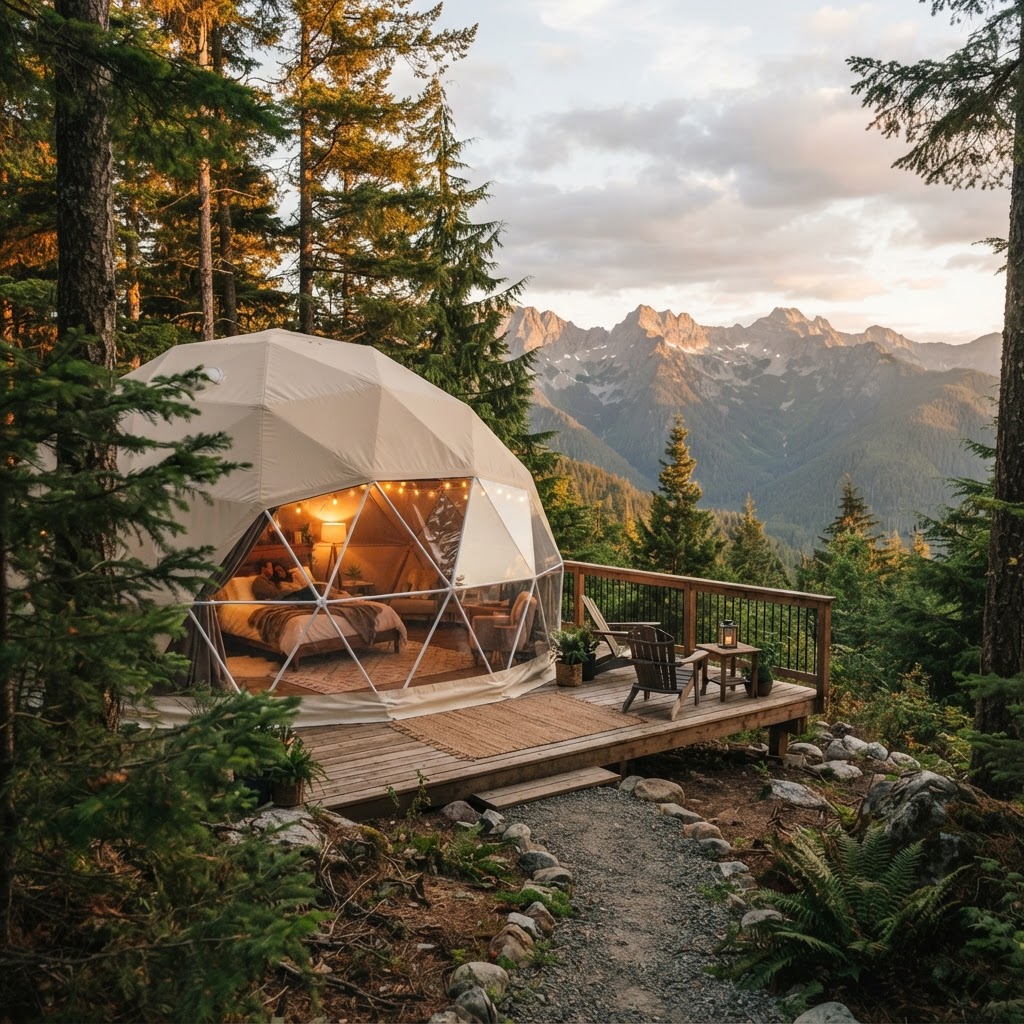
- Geodesic domes: Modern, spacious, and light-filled. Many domes are designed for year-round stays and feature large windows, durable frames, and often better integration of plumbing and electricity.
- Luxury yurts: These blend rustic and refined—round floor plans, often with wood stoves, plush beds, and layered textiles. Yurts feel intimate and cozy, good for cooler climates and couples or small families.
Think about noise, privacy, and accessibility too. If the idea of climbing a ladder at night sounds fun now but exhausting after a day of hiking, opt for ground-level options. If you’re traveling with kids, pets, or older adults, prioritize ease of access and safety features.
Determining the level of off-grid vs. resort-style luxury
Glamping falls along a continuum from fully off-grid (solar power, composting toilets, minimal cell service) to resort-style (on-site staff, spa treatments, fine dining). There’s no right or wrong—only what fits your expectation and tolerance for “roughing it.”
Ask yourself these quick questions to set your expectations:
- Do I need reliable electricity and hot water every day?
- Am I comfortable with composting toilets or shared facilities?
- Do I want an immersive nature experience (less infrastructure) or luxury convenience (more services)?
Match your answers to the property description. Many listings will explicitly state “off-grid” or “resort-style,” but when they don’t, check for signs: words like “secluded,” “primitive,” or “eco” often point to less infrastructure, while “boutique,” “spa,” and “on-site concierge” indicate a higher-service offering.
Pro tip: If you’re torn, choose a place that offers a hybrid experience—secluded accommodations with basic comforts (electricity, hot water) but minimal staff presence. That often gives you the best of both worlds: immersion and comfort.
Proven Search Strategies for Hidden Gems
Utilizing niche glamping booking platforms
General travel sites are fine for hotels and B&Bs, but they can bury unique glamping stays. Niche platforms and curated marketplaces are where you’ll find the most interesting, well-vetted properties and small hosts that don’t invest in SEO for larger sites. Here’s how to use them effectively.
- Start with specialist sites: Platforms dedicated to glamping or unique stays tend to have robust categories, filters, and curator notes. Examples to check (depending on your region) include GlampingHub, Canvas & Stars, Pitchup, and local country-specific sites. These platforms often offer maps, verified photos, and clearer descriptions of amenities.
- Use advanced filters: Look for filters like “pet-friendly,” “hot tub,” “private bathroom,” or “accessible.” Narrowing by must-have amenities early saves hours of scrolling.
- Search by region, not city: Many standout glamping sites are outside urban centers. Search national parks, coastal corridors, wine regions, and lesser-known state or regional parks where land is available for unique builds.
- Sign up for alerts: Some niche platforms let you save searches and receive alerts for new listings or price drops. That’s how frequent glamping travelers snag newly built properties before they become widely known.
When you find a listing you like, check whether it’s listed across multiple platforms. Sometimes hosts post on a large marketplace and a niche site; comparing the two can reveal additional photos or clarifications about amenities and policies.
How to leverage social media and visual discovery tools
Visual platforms are your secret weapon for discovering off-the-radar glampsites. Instagram, Pinterest, and even TikTok are full of aesthetic photos that can lead you to small operators who don’t list on major booking sites.
- Use location tags and hashtags: Search hashtags like #glamping, #treehouseescape, #yurtlife, plus region-specific tags (#GlampingCalifornia, #ScotlandGlamping). Location tags and geotags can show posts from the exact property or nearby ones.
- Follow local tourism boards and micro-influencers: Small accounts that focus on outdoor escapes often share new builds and honest reviews. Local tourism boards also promote lesser-known stays as part of regional itineraries.
- Reverse image search for listings: If you find a gorgeous photo with no clear listing, use a reverse image search to find the original post or website. Sometimes photographers or hosts share direct booking links in captions or profiles.
- Check story highlights and reels: Hosts often post walkthroughs in Instagram Stories and save them as highlights. These can reveal layout, connectivity, and how properties look in different weather conditions—details that canned listing photos may hide.
Finally, engage—don’t just lurk. Send a polite DM to the host or poster if you’re interested but can’t find booking info. Hosts are usually happy to share direct booking links, availability, and even last-minute deals.
How to Vet a Destination for Quality and Safety
What to look for in guest reviews
Reviews can be noisy, but they’re invaluable when analyzed correctly. Rather than reading every single line, scan reviews for consistent themes. Here’s a practical approach:
- Scan recent reviews first: The last 6–12 months tell you what the place is like now, not years ago.
- Look for repeated phrases: If several reviewers mention “noisy neighbors” or “thin walls,” that’s likely accurate. One-off complaints about weather or a single unfriendly host may be less relevant.
- Assess accuracy of photos vs. reality: Reviewers who post their own photos are gold. Compare user photos to listing images to see if the property’s presentation matches reality.
- Pay attention to cleanliness, responsiveness, and safety mentions: Guests will often call out if the host is quick to respond, if the linens were clean, or if a property felt unsafe at night. Those are core comfort and safety indicators.
Also read for operational details: how easy was check-in? Were there clear instructions for using the stove, septic system, or generator? Guests who describe step-by-step experiences indicate good communication and thoughtful host prep.
Essential questions to ask the host before booking
Never assume. Asking direct, specific questions reduces surprises and helps you compare options. Treat your message as a mini-checklist. Here are the most useful questions to send before you hit “book.”
- Accessibility: How far is the property from the main road? What is the condition of the access road—paved, gravel, 4×4 required?
- Utilities: Is there reliable electricity, hot water, and heating? Is Wi‑Fi available and how reliable is it? If off-grid, what’s the backup plan for cloudy days or extended stays?
- Bathroom facilities: Is the bathroom ensuite or shared? Are toilets composting, flush, or septic? Are toiletries and towels provided?
- Safety and emergency: Is there emergency contact information? How far is the nearest medical facility? Are there risks like steep drop-offs, wild animals, or seasonal weather hazards to be aware of?
- Food and cooking: Is there a functional kitchen or kitchenette? Are grill tools, propane, or firewood provided? Are there food storage options safe from wildlife?
- Rules and policies: What’s the cancellation policy? Are pets allowed? Are candles or open fires permitted?
Quick tip: Copy this list into a message template so you can quickly send the same set of questions to multiple hosts. Their response time and thoroughness are often the best indicators of the host’s attentiveness.
After you get answers, compare them side-by-side. A polite, detailed, and timely host is usually a good host. If the answers are vague, evasive, or significantly differ across platforms, it’s a red flag.
This simple comparison table helps you weigh options quickly. When two similar listings sit at the same price point, the one with better accessibility, clearer host communication, and consistent recent reviews should win.
Frequently Asked Questions
What is the best time of year to go glamping?
The best time depends on the destination and the type of experience you want. For temperate regions, late spring through early fall (May–September) offers mild weather, blooming landscapes, and extended daylight. Mountain and alpine glamping is great in summer for hiking and in winter for snow-based activities if the site is winterized. Coastal glamping can be enjoyable in shoulder seasons (spring and fall) when crowds are thinner and rates are lower. If you prefer cooler nights and fewer insects, aim for spring or fall. Always check the property’s seasonal notes—some off-grid sites close in winter or are only accessible during the dry months.
Do most glamping sites provide electricity and running water?
Many glamping sites do provide electricity and running water, but it varies. Resort-style and purpose-built glamps (domes, luxury yurts) frequently have full utilities—reliable electricity, hot water, and flush toilets. Remote, eco-friendly, or off-grid properties may rely on solar power, propane, composting toilets, and rainwater systems. Hosts should list these details in the amenities section; when in doubt, ask directly. If you need constant charging for medical devices or always-on Wi‑Fi, prioritize listings that explicitly guarantee continuous power and reliable internet.
How far in advance should I book popular glamping destinations?
Popular glamping sites—especially unique treehouses, luxury yurts, and boutique glamping pods near national parks—can book out months in advance for peak season. For weekend stays during high season, book at least 3–6 months ahead. For midweek or shoulder-season travel, 4–8 weeks may suffice. If you’re flexible and looking for last-minute deals, check cancellation lists or set alerts on booking platforms; sometimes hosts open up a slot due to cancellations. For newly opened or boutique properties with limited units, early booking is advisable to secure the best dates and locations.
Final Thoughts
Glamping makes it possible to enjoy the restorative power of nature without sacrificing comfort—and finding the right experience comes down to clarity about what you want, using the right search tools, and asking good vetting questions. Prioritize places where host communication is clear, reviews are recent and consistent, and listings match what you need in terms of access, safety, and amenities. With a little planning and the tips in this guide, you’ll be well-equipped to find a glamping adventure that fits your style, budget, and sense of wonder. Now pack a cozy sweater and a good pair of socks—you’re almost there.