
TL;DR:
- Unique glamping structures attract experience seekers, boost nightly rates, and increase social visibility.
- Geodesic domes, A-frame cabins, luxury treehouses, domed yurts, and repurposed vintage caravans are top performers for occupancy and revenue.
- Plan upfront costs and maintenance cycles, aim for year round appeal, and use pricing plus marketing to increase glamping occupancy and campground revenue growth.
Tired of competing with every other basic tent on the market? If your bookings plateau while other campgrounds fill their calendars, the solution might not be a price cut. It is a structure upgrade. The right unique glamping structures turn browsers into bookers, and they keep guests talking long after checkout.
In this post we walk through the high converting structures that consistently raise nightly rates, increase occupancy, and drive campground revenue growth. You will get design reasons, cost expectations, maintenance realities, and quick action steps to decide which units make the best glamping investments for your site.
Table of Contents
- Why Standout Structures Drive Higher Revenue
- Top 5 Unique Glamping Structures for Success
- Comparing ROI and Maintenance Costs
- Frequently Asked Questions
- Final Thoughts
Why Standout Structures Drive Higher Revenue
Modern travelers book more than a bed. They buy a moment, a story, and a shareable experience. When you offer unique glamping structures you are selling an experience that starts before arrival, and continues when guests post photos plus tag your location. That visibility amplifies bookings and justifies higher nightly rates. In simple terms, novelty equals demand, and demand increases your capacity to command premium pricing.
The power of Instagrammable aesthetics
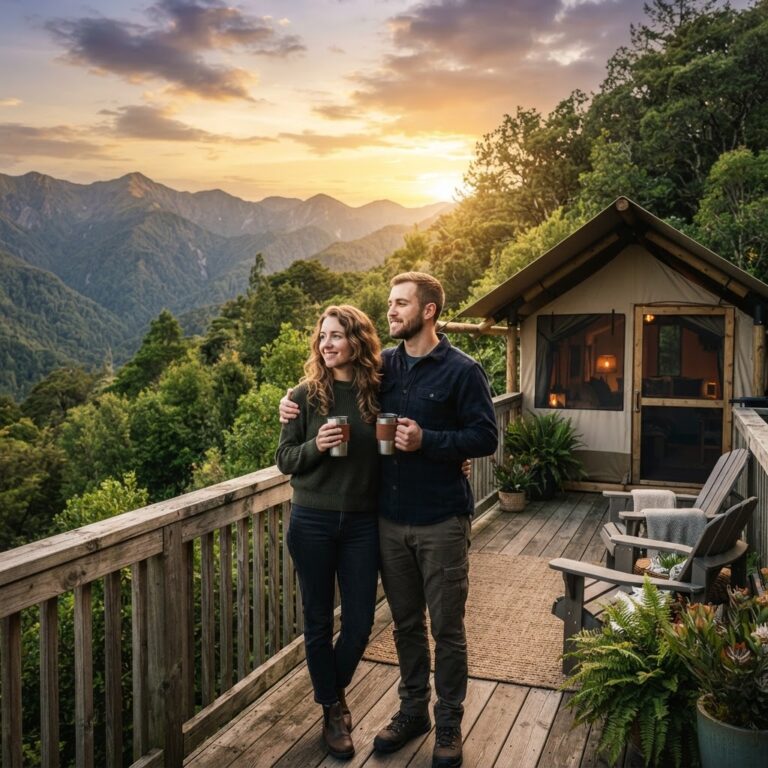
A striking structure acts as a billboard on social media. Guests who find a stay photogenic will share it, and their followers will consider your campground for their own trips. The result is organic reach that no ad budget can match. That earned exposure is what converts curious scrollers into booking ready guests, and it compounds as more stays are posted.
Design elements that photograph well include clean lines, interesting silhouettes, large windows, and curated interiors. Lighting matters more than you think, because golden hour photos and cozy night shots perform best on social channels. When a structure looks like a story, guests help you tell it, and that boosts occupancy without increasing ad spend.
Targeting the experience seeking traveler
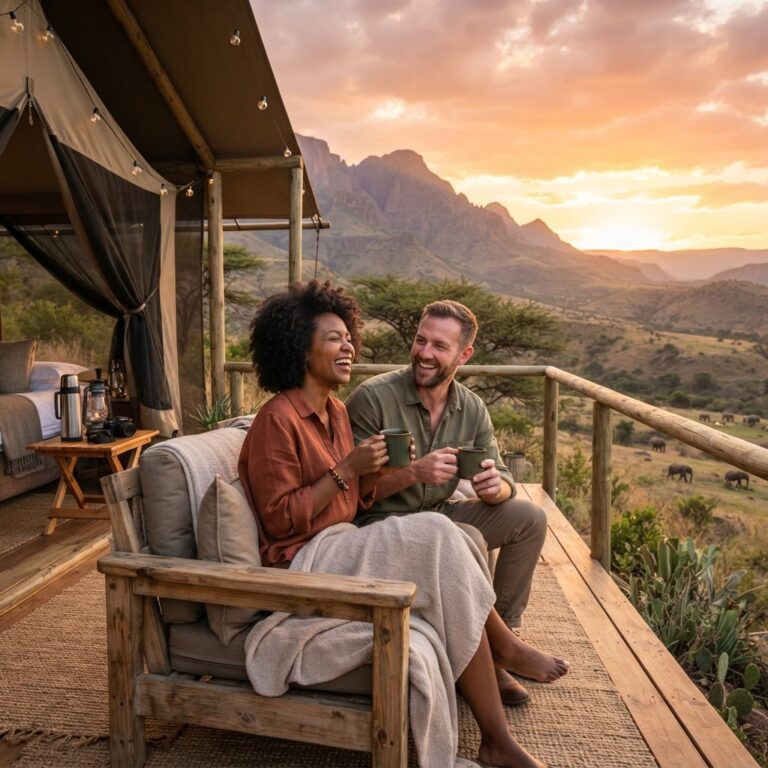
Today the fastest growing guest segment seeks experiences over amenities. These travelers will pay more for novelty plus privacy, and they often stay longer. Unique glamping structures attract couples, small groups, and content creators who value setting plus ambiance. That mix tends to result in higher booking conversions and repeat visits.
Beyond initial bookings, experience seekers often purchase add ons like guided hikes, private dinners, or early check in. That increases average revenue per booking. If your goal is to increase glamping occupancy and raise lifetime customer value, invest in structures that deliver memorable stays first, then layer services around them.
Top 5 Unique Glamping Structures for Success
Not all novel structures are equal when it comes to bookings and long term profitability. Below are five proven structure types that deliver memorable guest experiences. Each offers different pros and cons, and each appeals to slightly different travelers. Use this list to match your campground style, budget, and local regulations.
Geodesic domes and A-frame cabins
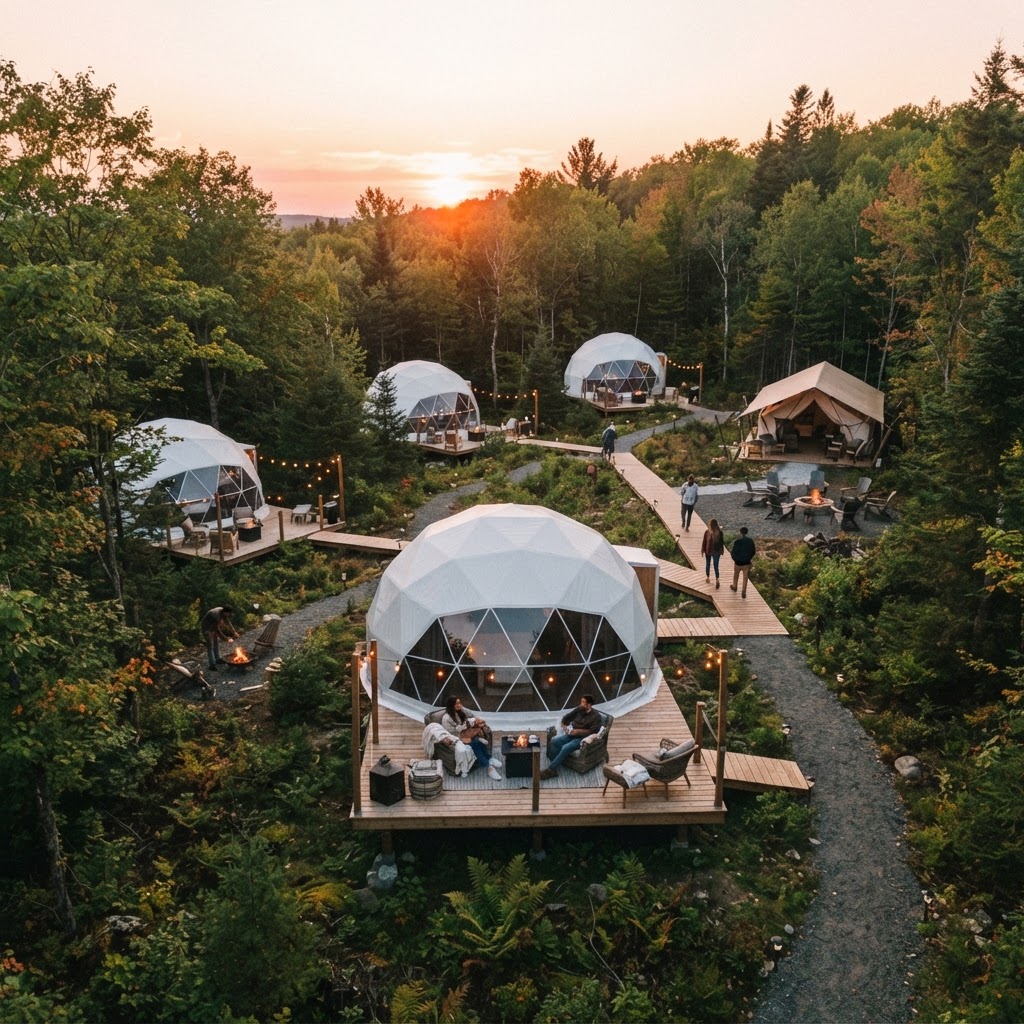
Geodesic domes create impressive interiors and panoramic views. They are naturally strong, and the curved walls offer a cozy sense of enclosure while still feeling open. Domes perform well on sites with views, because large windows and skylights let guests feel connected to the outdoors from any weather condition.
A-frame cabins provide a classic yet modern silhouette. They photograph well from a distance and work on sloped lots where traditional foundations are costly. A-frames feel like tiny architectural retreats. Both domes and A-frames can command higher nightly rates when outfitted with comfortable bedding and quality finishes.
Luxury treehouses and repurposed vintage caravans
Treehouses tap into childhood nostalgia plus a sense of escape. When built safely and comfortably they become premium offerings that guests book for special occasions. Treehouses work best with careful site planning, safe access, and elevated amenities like private decks and outdoor seating areas.
Repurposed vintage caravans bring personality and instant charm. A restored unit with modern comforts appeals to a broad audience. Caravans are often less expensive to set up than permanent cabins, and they can be moved or rotated to refresh your lineup. They are particularly effective when you want to add multiple units quickly to increase glamping occupancy.
Comparing ROI and Maintenance Costs
Choosing the right structure is a balance between upfront investment, expected nightly rate, occupancy, and ongoing maintenance. The best glamping investments are those that perform well on all four metrics over five years. Below we break down financial commitments and give you realistic expectations for maintenance cycles plus costs.
Initial setup and construction budgets
Initial costs include the structure itself, site work, foundation or supports, utility connections, and interior furnishings. Don t overlook permits plus inspections, and allow a contingency buffer for unexpected site issues. For example a geodesic dome with full insulation and a wood floor will cost far more if the site requires grading or long utility runs.
Plan your budget by prioritizing guest facing features that directly impact perceived value, like comfortable bedding, climate control, and clean bathrooms. These items increase average nightly rates and improve reviews, which in turn increases occupancy. If funds are limited, consider starting with a smaller number of premium units, prove performance, then scale up.
Predicting long term maintenance cycles
Maintenance varies by material and local climate. Wood structures require periodic sealing and pest management. Canvas or fabric elements need seasonal inspection for wear. Mechanical systems like HVAC, plumbing, and water heaters typically need servicing annually. Budget for these recurring costs and build them into your pricing model to avoid margin erosion.
Track maintenance tasks in a simple calendar so you can predict downtime and plan bookings around service windows. Proper preventative maintenance reduces emergency repairs, keeps guest satisfaction high, and maximizes usable nights per unit each year. This approach helps you realize predictable campground revenue growth.
Pro tip: Aim for a two to three year payback window for new units in most markets. If projected occupancy and average nightly rates do not support that timeline, adjust finishes, marketing, or pricing until the math works.
Frequently Asked Questions
Which glamping structure offers the fastest return on investment?
The fastest ROI often comes from units that balance low setup cost with strong appeal. Repurposed vintage caravans and small A-frame cabins can deliver quicker payback because they are cheaper to install and still highly bookable. Geodesic domes can also pay back quickly in scenic locations. The key is to match the unit to your market and price it to reflect the guest experience.
Do unique glamping structures require special building permits?
Permit requirements depend on local regulations and the type of structure. Permanent foundations, electrical hookups, and septic connections almost always require permits and inspections. Temporary or moveable units may have fewer rules but you still need to check zoning and safety codes. Engage local authorities early and factor permit timelines plus costs into your project schedule.
How do I maintain year round occupancy in my glamping units?
To maintain year round occupancy design for all season comfort. Include proper insulation, reliable heating, and layered lighting. Offer season specific packages to attract different traveler types, like outdoor adventure packages in warm months and cozy winter retreats in cold months. Invest in a solid photography plus content plan so your units stay visible on booking platforms and social media throughout the year.
Final Thoughts
Unique glamping structures are not a gimmick, they are strategic assets that increase glamping occupancy and campground revenue growth. Choose units that fit your landscape, budget, and guest profile, then support them with strong maintenance and marketing plans.
Start small, measure bookings plus revenue, and scale the units that deliver the best returns. With the right choices your campground will stand out, book up, and earn more per night from guests who are happy to pay for the experience.