
TL;DR:
- Preparation turns that nervous buzz after the fire dies down into confident freedom. Plan your site, pack security focused gear, and tell someone your plan.
- Build a calm evening routine. Set up your tent before dusk, secure food and scent, and create a simple pre sleep ritual to settle your mind.
- Choose a camping environment that matches your comfort level. Start at a public campground, practice solo skills, then try more private sites as your confidence grows.
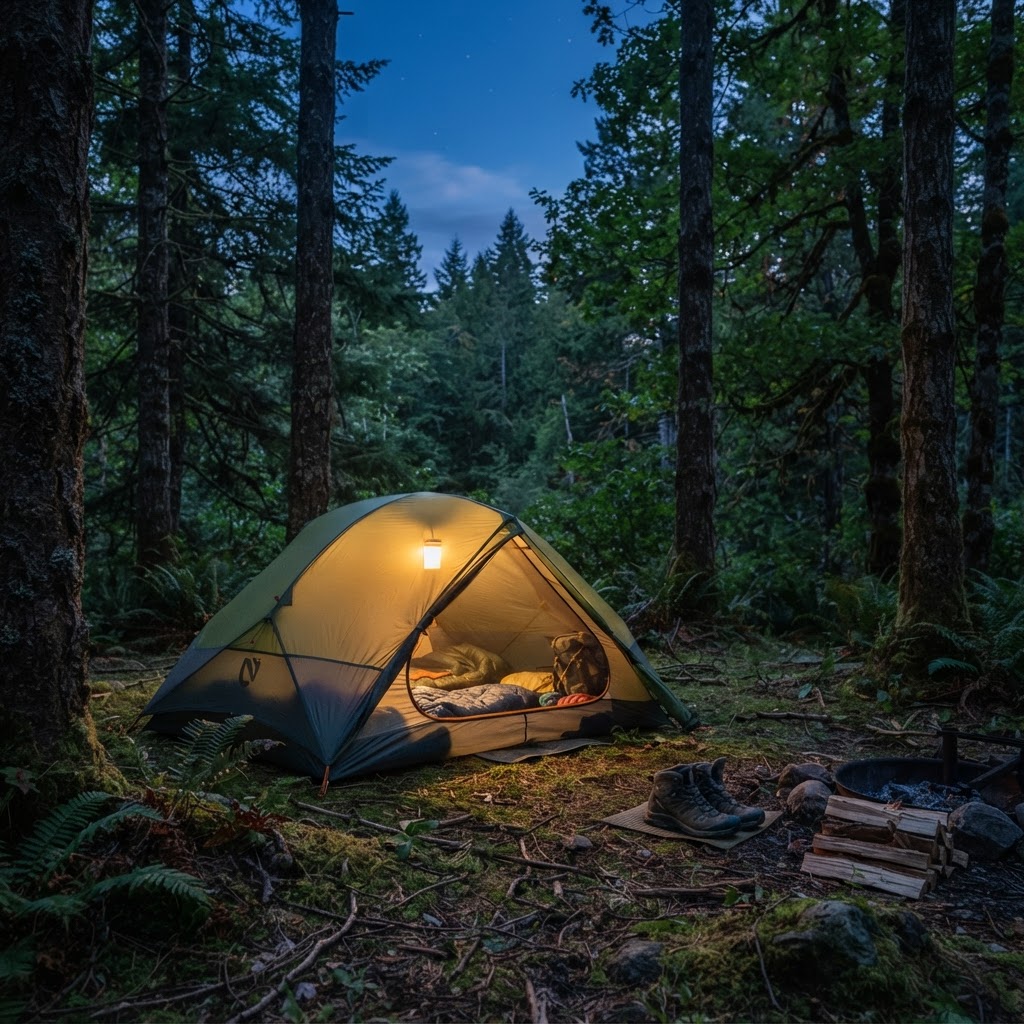
The fire finally dies, the last crackle fades, and the woods fall into a silence that feels enormous. For many men about to spend their first night alone in a tent, that sudden quiet can feel like a chorus of unknowns. Boots on the trail, a distant owl, and the wind in the trees can all feel amplified when there is no one else around to share the moment.
The good news is this, preparation flips that nervous energy into one of the clearest kinds of freedom. With a few smart choices and simple routines, your first solo night becomes less about fear and more about the kind of quiet that heals. This guide covers solo tent camping tips and tricks that will keep you safe, comfortable, and, most importantly, eager to go back for another night under the stars.
Table of Contents
- Preparing Your Mind and Gear Before You Go
- Establishing a Secure Evening Routine
- Comparing Camping Environments for Your First Trip
- Frequently Asked Questions
- Final Thoughts
Preparing Your Mind and Gear Before You Go
Before you leave the parking lot, two things matter most. First, how you think about the trip. Second, the gear you bring. Mental preparation reduces panic, and right sized gear replaces uncertainty with competence. Use this section as a practical part of your beginner camping guide to build steady confidence before you step into the trees.
Choosing a low stress campsite location
For your first solo trip pick a spot that lowers the number of unknowns. A site close to a trailhead, near a staffed ranger station, or within sight of other campers will help if you need help or want company after hours. Look for level ground, well drained soil, and natural wind protection. If you pick a site with a water source nearby, make sure it is not in a seasonal flood area. Proximity to facilities, like toilets or potable water, can be comforting when you are learning the rhythm of camping.
Do some research ahead of time. Check maps, read campground rules, and glance at recent trail reports. If you are nervous about remoteness, choose a maintained campground the first few times. That low stress option helps you practice setting up, lighting a stove, and managing food without adding the task of route finding at dusk. Each successful night will push you further along in your comfort curve.
Must have gear to feel secure
Your pack should include essentials that make you feel safe and self sufficient, not every gadget you have seen online. A reliable tent that you know how to pitch, a warm sleeping bag that matches the expected temperature, and a sleeping pad for insulation and comfort are three non negotiables. Bring a headlamp with spare batteries, a compact first aid kit, and a lightweight stove to avoid relying on open flames the whole night.
Beyond basics, add items that directly reduce anxiety. A whistle and a small mirror can work for signaling, a lightweight emergency blanket adds warmth, and a charged power bank keeps your phone usable for maps and messages. Pack food in resealable containers and consider a simple bear resistant method if you are in wildlife country. Finally, leave a trip plan with a trusted person. Tell them where you will be, when you expect to return, and how to reach you. Knowing someone is tracking your plan is one of the easiest ways to calm pre trip nerves.
Establishing a Secure Evening Routine
The way you close the day will shape the way you sleep. A consistent evening routine helps you manage small tasks before darkness, and creates a predictable pattern that quiets the mind. The goal is safety and calm, not complexity. These steps turn the moment when the campfire dies into a comfortable pause instead of a spike in anxiety.
Setting up camp before dusk
Arrive early enough to set your tent and organize gear in daylight. Pitching in fading light adds stress and increases the chance of mistakes. Pick a site with the tent door facing away from wind and away from heavy brush. Clear sharp rocks and sticks from under the tent. Secure guy lines and stake points so your shelter will stand up to wind that often picks up at night.
Use daylight to manage scent and food. Store food away from your sleeping area, and prepare your stove and cooking area so that after dinner you can pack everything promptly. If wildlife is a concern, set up your food storage method before you eat. Make sure you have a clear perimeter without trip hazards so you can move around safely with a headlamp. Doing these tasks in a calm, deliberate way reduces trips to the woods in the dark and lowers the chance of startled encounters.
Creating a calming pre sleep ritual
Settle your mind with a short routine that signals the day is done. This can be as simple as cleaning up the cooking area, changing into dry clothes, checking that your headlamp and phone are charged, and closing everything up securely. Add a few minutes of breathing, journaling, or listening to quiet music to shift your focus inward. Small rituals anchor your brain when the night gets quiet.
If noises make you uncomfortable, identify them during the day so they will be familiar at night. Walk the perimeter, listen for nearby water, and note the positions of any cabins or maintained trails. A little familiarity reduces the jumpiness of nocturnal sounds. Finally, put your plan in writing inside your pack. A checklist of morning and evening tasks will keep your mind busy with action rather than worry.
Comparing Camping Environments for Your First Trip
Choosing the right environment for a first solo night is a strategic decision. You want a setting that builds experience without overwhelming you. Consider factors like access to help, proximity to roads, and the presence of other people. Each environment teaches different skills. Start with the easiest that still gives you a sense of real solo camping.
Public campgrounds versus dispersed sites
Public campgrounds are often the best place to begin. You will have predictable terrain, posted rules, and the comfort of other campers around. Many men in a beginner camping guide find that public sites allow practice of the basics: pitching a tent, managing hygiene, and cooking without worry. Facilities such as restrooms and potable water are practical comforts for the first few nights alone.
Dispersed sites are a step up in solitude. They require more planning and carry more responsibility for safety and leave no trace practices. The privacy is greater, which can be rewarding, but you must be confident with navigation and self sufficiency. If you plan to graduate to dispersed camping, practice navigation, weather reading, and wildlife awareness in lower stress settings first.
Assessing comfort and safety levels
Rate each option with two questions. First, how easily can I get help if I need it. Second, how comfortable will I be with the unknowns of the site. If either answer is low, choose a less remote option. Your comfort increases with small wins. A single successful night in a public campground makes the idea of a remote backcountry site feel achievable rather than intimidating.
Work on skills incrementally. Build familiarity with your tent, your cooking system, and handling minor gear failures. Learn to read the weather, and practice packing and repacking at home. Each new skill reduces the unknowns that feed anxiety. Over time you will become less dependent on the proximity of other people to feel safe.
Pro tip: Treat every solo trip as training. Start small, learn the predictable patterns of the place, and increase solitude only after a few successful nights. Confidence grows with consistent practice.
Frequently Asked Questions
Is it normal to be scared on your first solo trip?
Yes, it is completely normal. Fear is your brain signaling the presence of new and uncertain stimuli. The key is to recognize that fear and then reduce the unknowns that feed it. Prepare with a clear plan, choose an accessible campsite, and bring reliable gear. Leave your itinerary with someone who can check in. Each successful solo night will lower the intensity of that fear. Overcoming camping fears is a gradual process that rewards small steps. Treat fear as a companion that tells you what to practice next, not as a reason to avoid the experience.
How do I keep wildlife away from my tent?
Manage scents and food carefully. Store food in sealed containers, and use a designated food line or storage method appropriate to the area. Avoid bringing scented toiletries into the tent. Cook away from your sleeping area, and clean cooking utensils thoroughly after meals. Do not leave food or wrappers in your tent overnight. If local rules recommend a specific storage device, follow those guidelines. Making your tent area as scent free as possible and storing food properly are the most effective solo camping safety measures to reduce wildlife visits.
What is the best way to stay entertained at night?
Keep entertainment simple and low effort to preserve calm. A small book, a journal, or a playlist of quiet music are reliable choices. Bring a compact game such as a deck of cards or a lightweight puzzle if you like low tech distractions. Nighttime is also a great opportunity for practicing observation. Use a headlamp to scan the stars, learn a few constellations, or quietly listen to the sounds of the night and try to identify local species. Finally, plan an evening routine that includes a task you enjoy, like making a hot drink, and then transition to a pre sleep ritual. That rhythm will make nights alone both enjoyable and restorative.
Final Thoughts
Your first solo night in a tent is a milestone. With focused preparation, a few practical routines, and a gradual approach to solitude, you will transform nervous energy into confident calm. Pack smart, plan clearly, and enjoy the quiet. It will become one of the best kinds of freedom you know.