
TL;DR:
- You can launch a profitable glamping business on a small budget by prioritizing smart structure choices, simple infrastructure, and staged investments.
- Use storytelling, organic social media, and local partnerships to attract guests who want glamping for fun without paying for expensive ads.
- Start with a single well curated unit, control costs with DIY or secondhand gear, and scale as bookings and reviews validate your concept.
Imagine turning your passion for nature into a side hustle that pays for itself while helping others experience glamping for fun. You do not need a trust fund to create a high end feel for guests, you need good planning, creativity, and a guest first mindset.
This guide walks you through the essentials of starting a glamping business on a shoestring budget. From choosing a cost efficient structure to building demand using organic marketing, you will get practical steps you can apply right away.
Table of Contents
- Planning Your Low-Cost Glamping Setup
- Marketing Your Unique Glamping Experience
- Comparing Entry-Level Glamping Structures
- Frequently Asked Questions
- Final Thoughts
Planning Your Low-Cost Glamping Setup
Planning is where most of your money will be saved or wasted. The aim is to create a memorable guest experience with minimal upfront spend. That means focusing on the elements guests notice most, using land creatively, and staging investments so revenue can fund growth.
Choosing the right structure on a budget
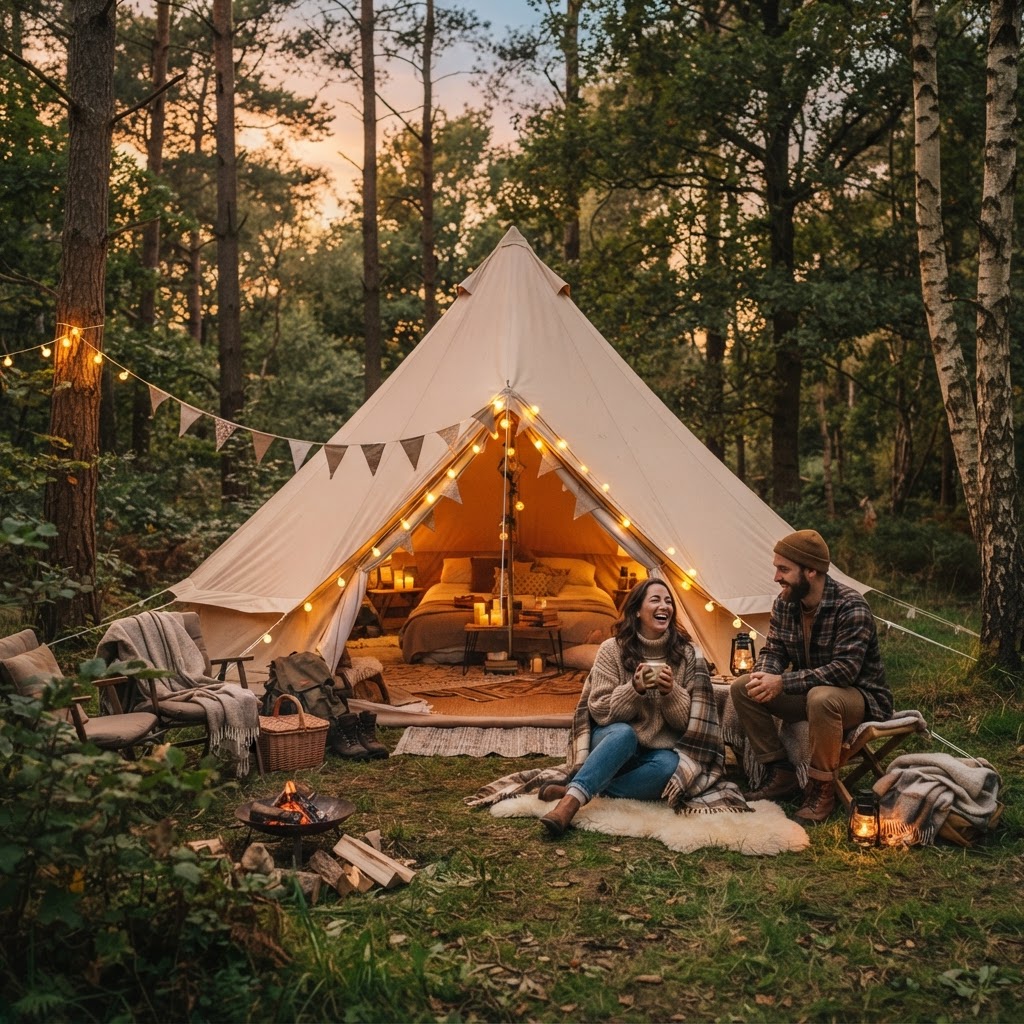
Start by matching your structure choice to your goals and budget. A simple bell tent can look charming and cost very little to acquire and maintain, while a more permanent structure like a yurt will cost more but can command higher nightly rates. Think about what matters most to your target guests. If people are booking because they want a cozy cabin like feel near hiking trails, invest in comfort. If they are booking for a quirky overnight experience, visual appeal and setting may be enough.
Prioritize essentials that create a sense of luxury. A comfortable mattress, fresh linens, layered lighting, and a clean private bathroom option will boost perceived value more than expensive furniture. Use reclaimed wood, thrifted decor, and local artists to add character without big bills. Consider starting with one unit so you can refine the operations and guest experience before scaling to multiple units.
Navigating local zoning and permits
Zoning, land use rules, and permits are among the most common pitfalls for new hosts. Before you buy or lease land, contact your local planning office and ask about short term rental rules, temporary structures, and requirements for plumbing and septic. Some regions allow small scale hospitality on rural parcels, while others require special permits or commercial zoning. Getting clarity early prevents costly retrofits or project shutdowns.
If permits seem expensive or slow, look for workarounds that stay legal. For example, operating as a campground with a small number of units can have different rules than a commercial lodging business. Document conversations with officials and keep permit applications organized. If you need to budget for upgrades like a septic system or a fire safety inspection, treat those as fixed costs in your early financial model so there are no surprises.
Marketing Your Unique Glamping Experience
Great marketing does not have to cost a lot. For a glamping business, your best assets are visual appeal and authentic stories. Guests book emotion first and logistics second. Showcase the feeling of staying on your property and build trust through clear information and social proof.
Building an authentic brand story
Your brand story helps you stand out and speak directly to people who want glamping for fun. Think about why you started this project. Is it your love of stargazing, a commitment to sustainable travel, or the desire to share a quiet corner of the world? Weave that origin into your listings, about page, and guest communication.
Use consistent language and imagery so guests know what to expect. Create simple rituals that make a stay memorable, like a welcome snack from a local bakery or a guide to nearby hikes. Those small touches create shareable moments that drive word of mouth. Keep your messaging honest and avoid overpromising, because five star reviews will do more for bookings than slick marketing copy.
Leveraging social media for organic reach
Social media is a free stage to show what a stay looks and feels like. Prioritize a few visual channels and post regularly. Short videos that show a sunrise, a campfire, or the walk to the nearest overlook perform well. Use captions that signal the guest experience, for example how easy it is to arrive, what to pack, and what makes your site unique.
Encourage guests to share and tag you by creating a branded hashtag and offering a small incentive like a discount on a future stay. Partner with local small businesses and experience providers to cross promote. Respond to comments and messages promptly. Over time, a library of guest photos and testimonials will reduce the need to spend on paid advertising because organic social proof will drive bookings.
Comparing Entry-Level Glamping Structures
Choosing the right structure affects setup cost, durability, maintenance, and the type of guest you will attract. Below is a practical comparison so you can pick an entry level option that fits your site and budget.
Bell tents vs. Geodesic domes
Bell tents are the most budget friendly option for getting started. They are light, portable, and create a classic glamping look. They are ideal for mild climates and seasonal operation. The downside is that they are not as durable in extreme weather and they offer limited insulation.
Geodesic domes are visually striking and can perform well in different weather conditions when built with solid materials. They cost more up front, but they can command higher rates and operate year round in some locations. Domes require a better foundation and more planning for utilities, but they can serve as a signature unit that defines your property.
DIY structures vs. Prefab kits
Building a structure yourself can save money if you have the skills and time. DIY projects allow you to customize the layout and source recycled materials for a unique look. The trade off is the time investment and the risk of unexpected costs if the project runs over schedule or needs professional help for certain tasks.
Prefab kits reduce risk and speed up installation. They often come with manufacturer guidance that makes compliance and weatherproofing easier. Up front cost is higher, but the predictability can be worth it if you want to open quickly and start generating revenue.
Pro tip: Start with a single well curated unit, gather feedback, then reinvest profits to expand. Early guest reviews are the most cost effective marketing tool you will have.
Frequently Asked Questions
Is starting a glamping business profitable?
Yes, a glamping business can be profitable, especially when you control costs and focus on guest experience. Profitability depends on location, pricing, occupancy, and operational efficiency. Starting with one or two units reduces risk and lets you iterate on the experience until positive reviews and repeat bookings increase occupancy. Diverse revenue streams such as add on experiences, partnerships with local guides, and small retail items can boost profits. Track your expenses carefully so you know how many booked nights you need to break even and to reach your target income.
How much land do I need to start?
The amount of land depends on how many units you want and how private each site should feel. Many successful small glamping setups begin on one to five acres. One acre can comfortably host a single unit with space for a private outdoor area and parking. If you plan to add more units or shared amenities like a bathhouse or trail network, plan for additional acreage. Local setback rules and zoning will also affect how close you can place units to property lines and to each other.
Do I need special insurance for glamping?
Yes, you should get appropriate insurance for a hospitality operation. General liability insurance that covers guests is a baseline requirement. Depending on your structure and services you may need property insurance, commercial liability, and coverage for vehicles if you offer shuttle services. Insurance protects you from claims related to injury, property damage, and unexpected events. Speak with an insurance professional who understands short term rental and outdoor hospitality situations to ensure you have the right coverage for your glamping business.
Final Thoughts
Launching a glamping business on a shoestring budget is entirely achievable with careful planning, smart structure choices, and organic marketing that highlights the joy of glamping for fun. Start small, deliver a great guest experience, and let positive reviews fund your next steps.