
TL;DR:
- Master the basics with a concise tent camping tips checklist, focusing on a reliable tent, sleeping bag, shelter, and tools.
- Choose your campsite carefully, set up the tent on level ground with proper anchoring, and organize zones for cooking and sleeping to stay comfortable and safe.
- Prioritize outdoor safety, pack smart for weather and wildlife, and use simple campfire cooking hacks to enjoy great meals with less fuss.
Dreaming of starry nights and campfire stories, but a little unsure about setting up camp? Don’t let gear worries or weather concerns keep you from experiencing the great outdoors. This guide will equip you with the best tent camping tips and practical tricks to make your trip a roaring success, turning potential headaches into happy memories.
Whether you are a marketer planning a team retreat, an entrepreneur taking a weekend to recharge, or an affiliate marketer scouting content ideas, these outdoor adventure tips are organized like a campaign plan. Think of your campsite like a landing page. With the right layout and elements in place, the experience converts to rest, good food, and safety.
Table of Contents
- Mastering the Essentials: What to Pack and How to Pack It
- Setting Up Camp Like a Pro: Site Selection and Tent Assembly
- Beyond the Tent: Essential Camping Comforts and Safety
- Frequently Asked Questions
- Final Thoughts
Mastering the Essentials: Tent Camping Tips, What to Pack and How to Pack It
Start with the essentials and avoid overpacking. The right gear and a few smart packing strategies keep your campsite organized, your load light, and your focus on enjoying the outdoors. Below you will find a practical checklist and packing hacks to save space and reduce stress on arrival.
Your Must-Have Camping Checklist
Packing for a tent camping trip should begin with a foundation of reliable items. At the most basic level, bring a tent suited to your group size, an insulated sleeping bag rated for the expected temperature, a sleeping pad for comfort, and a tarp for ground protection. Add a stove or fuel source for campfire cooking, headlamp or flashlight with spare batteries, a compact first aid kit, water containers and purification method, and clothing layered for variable weather. Also include tools like a multi tool, repair kit for the tent, duct tape, and cord for improvised fixes.
Think in categories when you check off items. Shelter, sleep system, food and water, clothing layers, safety and navigation, and tools. For digital marketers planning content in nature, treat the checklist like a campaign brief. Bring the essentials first, then add the extras that will create comfort and memorable moments.
Smart Packing Strategies for Efficiency
Efficiency starts at home, not at the trailhead. Lay everything out and pack by use. Store cooking gear together, sleep gear together, and clothing in compression sacks. Compression sacks save space for sleeping bags and bulky layers, while clear packing cubes make morning coffee faster because you can find the camp mug without digging.
Use the top of your vehicle or a single large box as your staging area. Pack items you will need first last so they are easy to reach. Consider reusable dry bags for electronics and documents to keep them dry during unexpected rain. For those who travel with colleagues, label zones at camp so gear is shared without confusion. A little planning at home translates to less time fumbling and more time around the campfire.
Setting Up Camp Like a Pro: Site Selection and Tent Assembly
Choosing the right spot and pitching your tent correctly are two of the fastest ways to improve your camping experience. A good campsite makes sleeping comfortable, simplifies food prep, and enhances safety. Below are practical steps to pick a campsite and a straightforward tent setup guide that even beginners can master.
Choosing the Perfect Campsite
Look for flat ground, natural windbreaks, and a location that is not in a depression where water could collect. Avoid low points and animal trails. Opt for a spot with some shade and morning sun, so your tent dew dries quickly. Consider proximity to amenities like water sources or restrooms if those are available at your site, while keeping food and cooking area away from sleeping quarters to reduce wildlife encounters.
When scouting the area, check overhead for dead branches and avoid camping under those. If you are near a lake or river, place your tent at least some distance back from the bank to account for rising water and mosquito concentration. Remember that campsite selection affects everything from sleep quality to emergency access. For more advanced site selection techniques and solo camping safety, see tips in this guide to solo camping in the mountains, which covers terrain evaluation and emergency prep.
Effortless Tent Setup and Anchoring
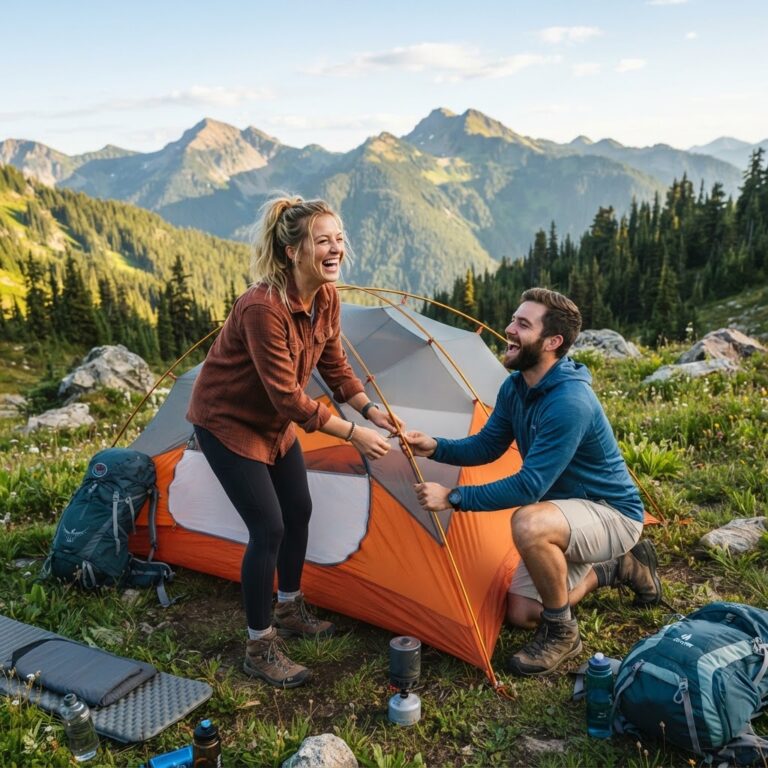
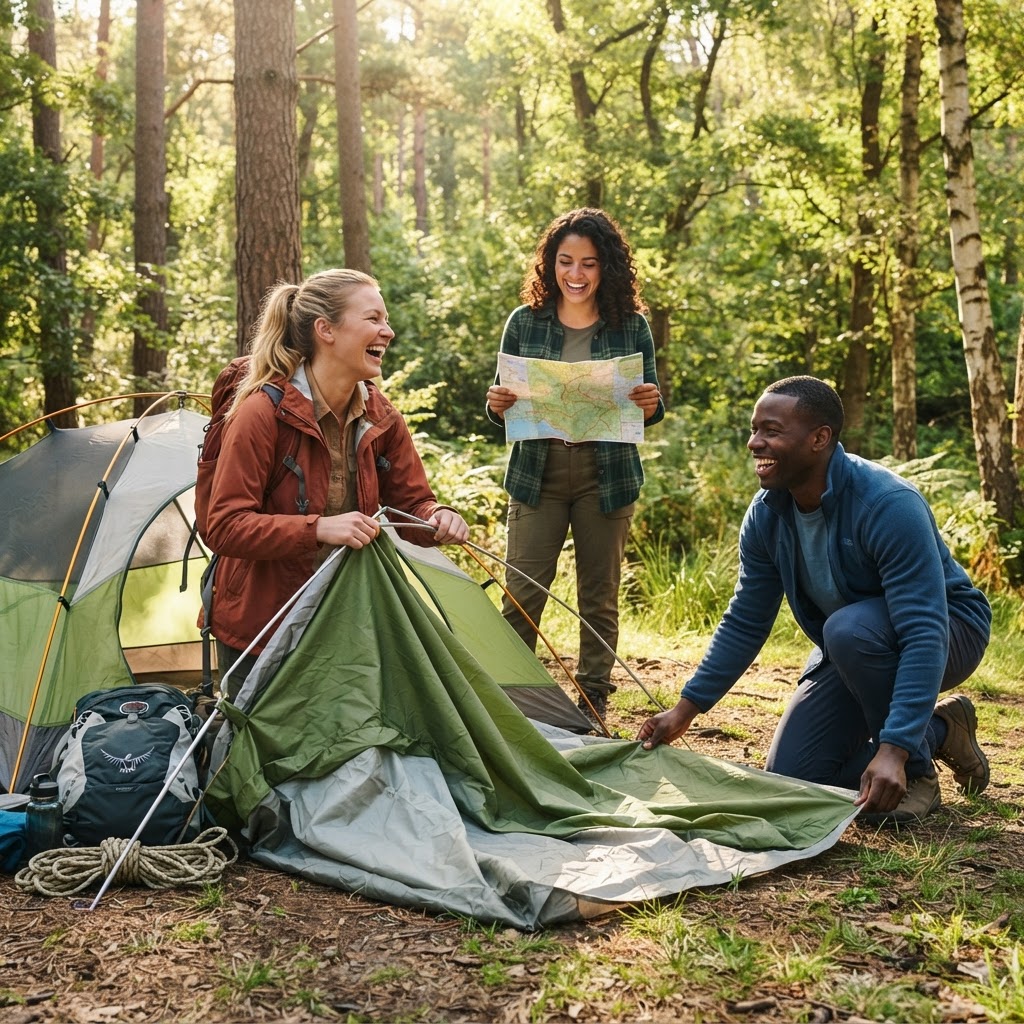
Read the tent instructions at home once, then practice setting it up in your backyard. On site, clear the ground of stones and sticks, lay a footprint or tarp to protect the tent floor, and orient the door for morning or evening sun depending on your preference. Use the tent poles in sequence, tension the rainfly and guylines to shed water, and stake every corner. Proper anchoring keeps the tent stable in wind and reduces noise from movement at night.
When staking, insert stakes at a shallow angle and pull the guyline to create tension. If the soil is soft, use a longer stake or wrap a cord around a nearby rock to secure the line. For a quick way to practice anchoring, imagine building a landing page that must withstand spikes in traffic. The same principle applies. A well anchored tent handles volatility, whether that is wind or an unexpected rainstorm. For deeper tips on mastering camping skills, check this comprehensive guide to essential camping skills, which includes techniques for pitching different tent types and weather preparedness.
Beyond the Tent: Essential Camping Comforts and Safety
Comfort and safety transform a basic campsite into an enjoyable retreat. Beyond the tent itself, plan for warm sleep, efficient campfire cooking, and sensible outdoor safety. Small choices made before dark pay big dividends when you are tired and hungry after a day of activity.
Staying Comfortable: Sleeping, Cooking, and Staying Warm
For sleep comfort, combine an insulated sleeping pad with a sleeping bag that matches the expected nighttime low. Layer clothing and bring a light fleece for middle of the night movement. Keep socks and a dry shirt inside your sleeping bag to make mornings more pleasant. For campfire cooking, prepare a simple menu and pre chop ingredients at home, store them in airtight containers, and use one pot for multiple dishes to reduce cleanup.
Campfire cooking is as much about timing as it is about flavor. Learn a few reliable recipes that use common ingredients, like foil pack meals that combine protein, starch, and vegetable, and are cooked directly on coals. Bring easy snacks for energy between activities and a reliable water treatment method. For ideas on making cooking and camp life feel a bit more luxurious, the glamping tips in this article on finding the best glamping adventure destinations can inspire small comforts that travel well.
Safety First: Wildlife, Weather, and First Aid
Respect wildlife by storing food in sealed containers away from sleeping areas and cleaning cooking surfaces after use. Learn the signs of local wildlife activity and keep the campsite tidy to avoid attracting animals. Monitor the weather forecast before you go and at camp if possible. Pack for layers and have a waterproof outer layer ready. A compact first aid kit tailored to your group and planned activities reduces risk. Include blister care, wound cleaning supplies, and any personal medications.
Always have a plan for emergencies. Know the closest access points for emergency services or where you would hike to get a signal. Share basic trip details with someone who is not on the trip. Good planning reduces stress and increases the chance your outdoor adventure ends with stories rather than incidents.
Pro Tip: Set up your cooking area downwind of your tent and at least a few meters away. This keeps smoke and food smells out of your sleeping area and reduces the chance of attracting wildlife inside the tent.
Frequently Asked Questions
What are the most common mistakes beginners make when tent camping?
Beginners often overpack and bring items they do not need, which adds unnecessary weight and clutter. Common campsite mistakes include picking a low or sloped site that collects water, pitching the tent without a footprint, and failing to stake or guy out the tent properly. On the comfort side, underestimating nighttime temperatures and using an inadequate sleeping bag leads to poor sleep. Finally, beginners sometimes leave food unsecured and unintentionally attract wildlife. Practice setting up your tent before the trip and use a checklist to avoid these issues.
How do I keep my tent dry and free from condensation?
Condensation forms when warm moist air from breath or damp gear meets the cool tent fabric. To reduce it, ventilate the tent by cracking vents or doors on opposite ends to allow airflow. Avoid bringing wet clothing inside and store wet items in a separate waterproof bag. Use a ground tarp or footprint to prevent moisture from seeping from the ground and set up the rainfly with space between it and the inner tent to allow airflow. If condensation still forms, air the tent during the day and never use camp stoves inside the tent, because they increase moisture and create a safety hazard.
What are some creative ways to make campfire cooking easier?
Plan simple one pot meals and prep ingredients at home to minimize prep time at the campsite. Use foil pack meals for fast cleanup. Bring multipurpose utensils and a collapsible sink for washing. Create a cooking station with a small table to keep items organized and off the ground. Batch cook staples like rice or beans and repurpose them across several meals. Finally, practice a few recipes at home so you know cook times and seasoning, which makes cooking by fire less stressful and more reliable.
Final Thoughts
Tent camping is an accessible way to recharge, connect, and create memorable stories. With the right tent camping tips, thoughtful packing, careful campsite selection, and a focus on safety and comfort, your next outdoor adventure will be both restorative and fun.