
TL;DR:
- Plan communications, check weather closely, and file a clear check in plan before you leave.
- Pack lightweight reliable gear focused on shelter, navigation, and emergency communications.
- Choose terrain that matches your skills, practice wilderness first aid, and follow Leave No Trace principles.
Imagine the silence of the high peaks where the only thing on your schedule is the sunset. Transitioning from the fast paced world of digital marketing to the solitude of mountain camping requires more than just a tent, it requires the same strategic planning you use for your business. For marketers, entrepreneurs, and affiliate professionals the trip can become a recharge and a field lab in planning, tracking, and resilience.
Solo camping in the mountains rewards careful preparation. This guide translates practical wilderness skills into actionable steps so you can leave the office email behind and return with confidence. You will learn how to build a communication plan, read topographic map navigation, interpret mountain weather forecasting, choose the right beginner solo camping gear and manage emergency scenarios with satellite emergency devices and wilderness first aid basics.
Table of Contents
- Strategic Planning for Mountain Safety
- Essential Gear for the Solo Adventurer
- Comparison of Camping Environments
- Frequently Asked Questions
- Final Thoughts
Strategic Planning for Mountain Safety for solo camping in the mountains
Go into the mountains with a plan that treats safety as the primary deliverable. Strategic planning reduces risk and increases enjoyment. Before you step onto the trail set clear objectives, identify likely hazards, and build redundancies into communications and navigation. Think of this as campaign planning for a launch. If you map out contingencies now you reduce surprises later.
Developing a communication and check in plan
Establish who needs to know your itinerary and how often they should receive updates. A good check in plan lists departure time, route, planned campsites, estimated times for key waypoints, and a final check in time. If that final check in is missed, your emergency contact should know who to call and what information to provide authorities. Share both a primary and a backup contact, and keep a printed copy of your route with someone who can coordinate a response.
For lone campers satellite emergency devices are a game changer. These devices allow you to send an emergency alert even where there is no phone coverage. Treat them like insurance. Test any device before you go, ensure batteries are charged, and practice sending a non emergency message so you know the steps under stress.
Understanding mountain weather patterns
Mountain weather forecasting is different from valley forecasts. Conditions can change rapidly, with storms building in hours. Learn to read local forecast models and reviews, and look at both broad scale predictions and the mountain specific briefings. Check forecasts the week before your trip, the day before, and the morning you head out. Pay attention to temperature ranges, wind forecasts and precipitation probability.
Weather influences route choice, water availability and required gear. If forecasts show afternoon thunderstorms, plan for early starts and avoid ridge line travel during the afternoon. Always pack extra layers for thermal regulation, and have a contingency for shelter relocation if the forecast shifts. In short, treat weather forecasting as real time intelligence for decision making.
Essential Gear for the Solo Adventurer
Gear selection is about reliability, multi use and weight. Choose equipment that keeps you safe and functional, not just comfortable. For solo trips prioritize shelter, navigation, emergency communication and first aid. Every item you bring should have a clear purpose because extra weight increases fatigue and risk.
Lightweight shelter and sleep systems
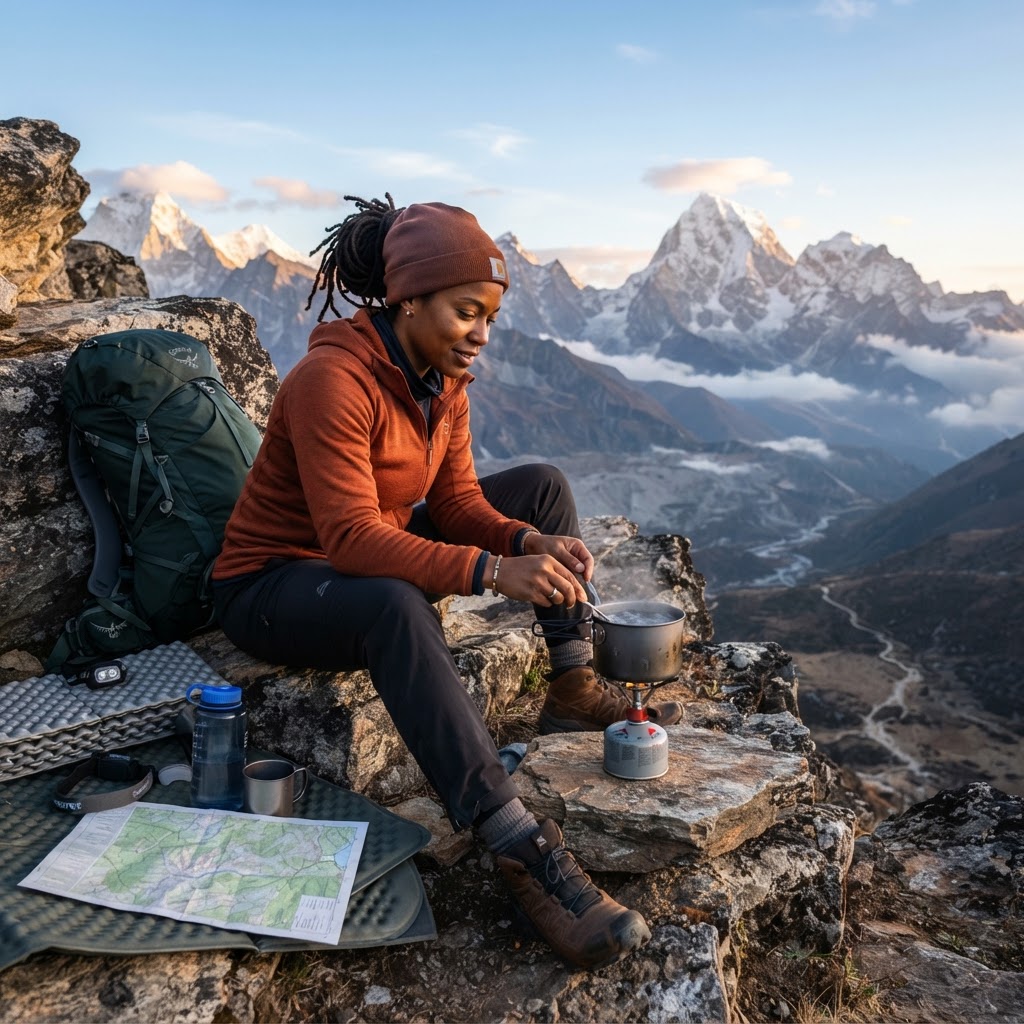
A shelter that protects you from wind and moisture is the backbone of a safe trip. Choose a lightweight shelter that you can pitch quickly in poor light, and pair it with a sleeping system that is rated for temperatures you expect plus a safety margin. If you are new to mountain camping, practice setting up and taking down your shelter at home under timed conditions so you know the steps when it counts.
Think of your sleeping system like your primary conversion metric. It directly affects recovery and performance on the trail. A waterproof groundsheet, an insulating sleeping pad and a compact sleeping bag rated to expected nighttime temperatures will deliver consistent results. Choose items that compress small for easier transport and quick drying for unpredictable weather.
Reliable navigation tools and offline maps
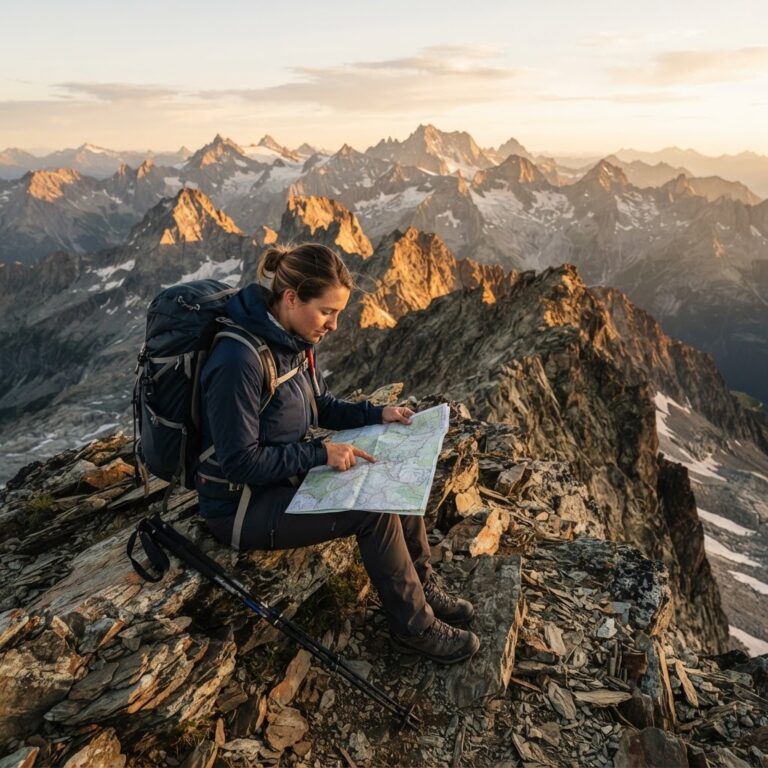
Navigation combines technology and traditional skill. Relying only on electronic devices creates a single point of failure. Bring reliable offline maps, and learn topographic map navigation so you can read contours, identify drainage lines and recognize terrain features. A handheld compass and a paper map are low tech but high value when batteries fail.
Practice route finding before your trip. Mark waypoints and estimated times on both your offline map and a printed copy. Use multiple navigation sources, and cross check them during the outing. If you are a digital marketer used to dashboards, think of your map, compass and GPS as separate analytics feeds that must align for confident decision making.
Comparison of Camping Environments
Choosing the right environment affects safety, enjoyment and learning curve. The mountain offers many micro environments from exposed ridges to sheltered valleys. Match your choice to experience level and the goals of the trip. If you want solitude and challenge aim higher, if you want skills building and steady improvements stick to sheltered environments.
High altitude ridge line camping
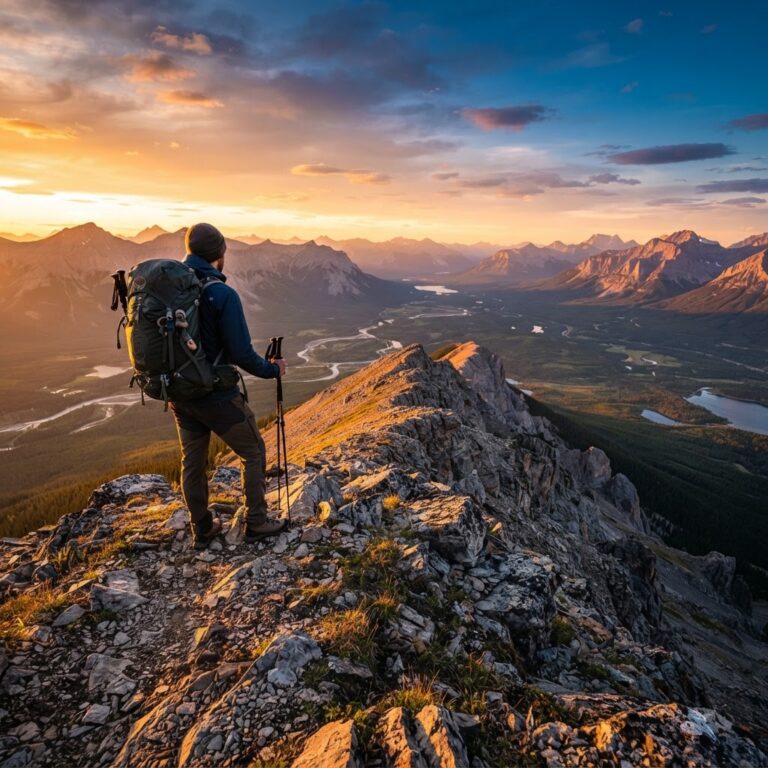
Camping on a ridge line delivers panoramic views and often greater solitude, but it requires stronger skills. Exposure to wind and sudden weather changes makes shelter quality and anchor knowledge essential. Routes can be narrow and require stable footwork, so experience with route finding and a conservative margin in timing matters.
Choose ridge line locations only after you have experience with mountain weather forecasting and high altitude physiology. Altitude affects sleep quality, appetite and recovery. Plan shorter days for ascent and include contingency sites lower on the slope in case conditions deteriorate.
Forested valley base camp locations
Forested valleys are ideal for beginners. They provide wind protection, shade and easier access to water. Trails are often more forgiving, and rescue response can be faster because of proximity to trailheads. Use forested sites to practice setting up camp, using water filters, and refining your checklist before moving to more exposed terrain.
Valley camping gives you the space to practice Leave No Trace principles in a lower stress environment. It also provides a good platform for practicing wilderness first aid scenarios with realistic conditions.
Pro tip: Treat every solo trip as a testable experiment. Start with a simple overnight in a sheltered site, document what worked and what did not, then iterate. Incremental progress builds skill and confidence faster than one large leap.
As you plan, you may want deeper reading on backpacking skills and solo camping tips. For practical advice on backpacking logistics, see this guide on backpacking trip planning and execution at Best Tips for Enjoying Your Next Backpacking Adventure Trips Successfully. For readers who want additional perspectives on solo mountain camping strategies, this related post offers a complementary list of essential tips at Mastering the Wild 10 Essential Tips for Solo Camping in the Mountains.
Finally, if you are a content creator who wants to document your trips and turn them into traffic and revenue, review approaches to writing camping articles that resonate with readers and search engines at How To Write Camping Articles That Dominate Search Engine Results. Your field notes can double as audience building content and a useful learning log.
Frequently Asked Questions
Is solo camping in the mountains safe for beginners?
Solo camping in the mountains can be safe for beginners if you choose an appropriate environment, build skills progressively, and follow a strong plan. Start with sheltered valley sites and short overnight trips to practice basic skills such as pitching shelter, filtering water and navigating with a topographic map. Always file a check in plan, carry a satellite emergency device and have a clear weather contingency. Taking a basic wilderness first aid course before your first solo trip reduces risk and increases confidence.
What is the most important piece of gear for a solo camper?
The most important piece of gear is reliable communication and emergency signaling capability. In mountains where phone coverage is unreliable a satellite emergency device provides a safety net. That said, shelter and navigation are equally critical because they affect survival directly. If you must prioritize, ensure you have a proven shelter and a way to call for help or transmit your position in an emergency. Combine this with knowledge of topographic map navigation so you can move to safety if needed.
How do I handle wildlife encounters when camping alone?
Handling wildlife starts with prevention. Store food properly away from your sleeping area, minimize cooking smells at your campsite and follow local guidance on attractants. If you encounter wildlife on the trail, give the animal space, make yourself visible and back away slowly. Avoid surprising animals by making noise near streams or blind corners. If an animal approaches your campsite while you are there, remain calm, make yourself look larger by raising your arms and use a loud voice to deter it. Carry knowledge appropriate to the animals in the region you are visiting, and understand specific local best practices.
Final Thoughts
Solo camping in the mountains blends careful planning with humility before the elements. Treat your trip as a project with objectives, measurement and contingency steps, and you will return refreshed and wiser. Start small, respect the terrain, and keep learning.