
TL;DR:
- Plan your route thoroughly, tell someone your itinerary, and learn basic Wilderness First Aid before you go.
- Pack lightweight, reliable gear that covers navigation, shelter, warmth, and communication, including a satellite messenger and topographic maps.
- Practice Leave No Trace Principles, respect wildlife, and build core wilderness survival skills so you can stay safe and centered on a solo mountain trip.
Imagine trading the constant notifications of your marketing dashboard for the absolute silence of a mountain peak. For entrepreneurs and small business owners who thrive on focus, a solo camping trip in the mountains can be a reset that sharpens strategic thinking. To make that retreat restorative rather than risky, you need a plan that balances solitude with safety.
This guide lays out the best tips for solo camping in the mountains, with practical steps, gear guidance, and safety protocols you can use on your next solo adventure. Think of it as a campaign brief for a field operation, where planning, equipment, and contingencies drive success.
Table of Contents
- Strategic Planning and Route Safety
- Essential Gear and Packing for One
- Comparative Analysis: Camping Gear for Different Terrains
- Frequently Asked Questions
- Final Thoughts
Strategic Planning and Route Safety for the best tips for solo camping in the mountains
When you go alone, planning is your most powerful safety tool. Before you lace up your boots, treat the trip like a project with milestones. Set clear objectives, map out routes, identify bail out options, and leave a trusted person with a detailed itinerary. That reduces risk and makes it possible for rescuers to act quickly if something goes wrong.
Creating a detailed itinerary
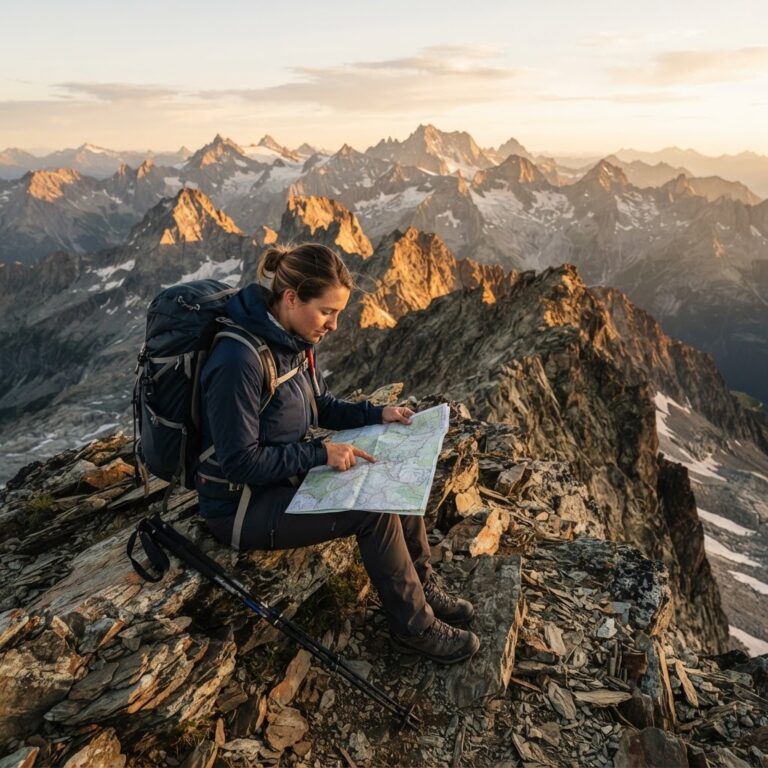
Start by mapping your route using topographic maps, and mark key waypoints such as water sources, campsites, and potential hazards. Share a written itinerary with someone who will check in with you. Include estimated times for each leg of your hike, planned campsite coordinates, and your intended return date and time. If your plan includes off trail navigation, note that in your itinerary.
Use a simple schedule structure. For example, Day One: trailhead to high meadow, 6 miles, estimated 4 hours, campsite near stream. Day Two: summit attempt, return to meadow, estimated 8 hours. That level of detail lets a responder know where to look. If your business brain likes data, add contingency windows, such as an extra half day in case of weather delays.
Understanding local weather patterns
Mountains have microclimates. A sunny valley can turn into a thunderstorm on the ridge in an hour. Learn typical seasonal patterns for your chosen range, and check forecasts at multiple times before you go. Pay attention to temperature swings between day and night, wind predictions, and precipitation probability.
Plan for the worst reasonable conditions. If the forecast shows a chance of storms, identify sheltered terrain and lower elevation escape routes. Carry gear for sudden cold, and know how to read cloud signs and wind shifts. Practicing these observations on shorter day trips builds intuition so you can respond confidently when conditions change.
Essential Gear and Packing for One
Packing for solo mountain camping is a study in prioritization. Every extra ounce matters, but so does reliability. Choose items that multi task, and build redundancy for the things that keep you alive. The goal is to minimize weight while maximizing resilience, using principles from ultralight backpacking where appropriate but not at the expense of safety.
Must-have navigation tools
At minimum carry a topographic map and a reliable compass, and know how to use them together. Electronic devices are great but can fail. Add a satellite messenger for emergency communication when cell coverage is unavailable. Practice route finding on the map at home, and plan alternate paths so you are not dependent on a single trail that could be blocked.
Navigation practice reduces time lost and stress on a trip. Spend an afternoon plotting your route, noting contour lines, drainage features, and ridgelines that can confuse a hasty descent. Learning to read the land from a map is one of the wilderness survival skills that pays off fast.
Choosing a lightweight shelter system
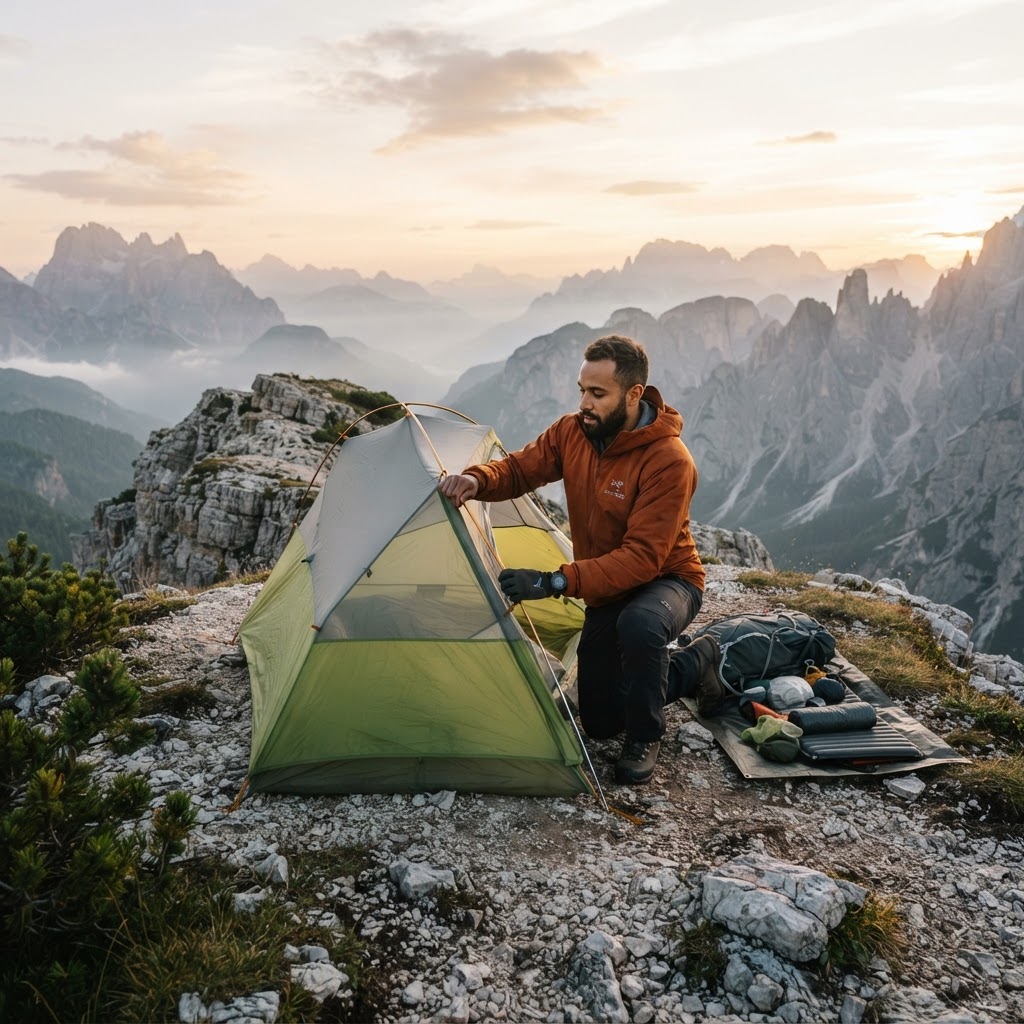
Shelter selection depends on terrain, season, and your tolerance for weight. A lightweight tent that offers good weather protection and ventilation is a solid all around choice. If you are practicing ultralight backpacking, consider a single wall shelter or tarp system, but only if you have extensive experience and reliable weather forecasts.
Test your shelter at home. Pitch it in the backyard, sleep in it, and inspect how it performs in wind and rain. That real world rehearsal builds confidence and reveals gaps in your system before you are miles from help.
Comparative Analysis: Camping Gear for Different Terrains
Gear that excels in one mountain zone may be a liability in another. Use this comparative lens to decide where to compromise and where to invest. Think of gear like ad channels in marketing, some give reach, others give precision. Match tools to terrain to optimize performance and reduce surprises.
Footwear requirements for rocky trails
On rocky terrain you need footwear that protects the foot and stabilizes the ankle, while remaining nimble. A shoe that fits well prevents blisters and reduces fatigue. Add high traction soles for wet rock, and bring gaiters if scree and gravel are common. Break in footwear before the trip to avoid hot spots.
Consider the trade off between weight and support. Heavier boots offer protection and durability, lighter shoes speed you up and save energy. Your choice should reflect the trail conditions and the distance you plan to cover on day one and beyond.
Sleeping systems for fluctuating temperatures
Temperature swings are common in mountains. A sleeping system that is rated appropriately for the coldest likely night gives a safety margin. Combine an insulating sleeping pad with a warm sleeping bag and a lightweight liner to fine tune warmth. Pay attention to humidity control to reduce condensation in shelters.
If you are reducing weight through ultralight backpacking, offset risk by selecting higher quality insulation and a reliable shelter. Sleep is non negotiable for navigation accuracy the next day, so treat your sleep system as a core tool, not a luxury.
Pro tip: Carry a small Wilderness First Aid kit tailored to common mountain issues, and practice the scenarios at home. The combination of basic medical skills and the right kit often prevents a minor incident from becoming an emergency.
Frequently Asked Questions
Is it safe to go camping in the mountains alone?
Solo mountain camping can be safe with proper preparation. Safety depends on planning, realistic assessment of your skills, reliable gear, and risk mitigation. Learn basic Wilderness First Aid, share a detailed itinerary with someone who can raise the alarm if you do not check in, and carry emergency communication like a satellite messenger. Start with shorter trips in well known terrain to build experience before attempting remote or technical routes.
What are the most important items to carry for solo safety?
The essential safety items include a topographic map and compass, satellite messenger for emergencies, a durable shelter, layered clothing for temperature control, a sleeping system rated for expected conditions, water filtration, a lightweight stove or fire starting kit, and a focused Wilderness First Aid kit. Prioritize items that cover navigation, communication, protection from the elements, and injury management. Practice using every item before you leave to ensure you can deploy it quickly under stress.
How do I deal with mountain wildlife while camping solo?
Respect wildlife by minimizing attractants and keeping a safe distance. Store food and scented items away from your sleeping area, follow Leave No Trace Principles, and use appropriate storage techniques. Do not approach animals to take photos. Make noise when moving through thick brush to avoid surprising animals, and learn the behaviors of species native to the area so you can respond calmly. Most encounters end without conflict when people keep their distance and remove incentives for animals to come near campsites.
Final Thoughts
Solo mountain camping is a powerful way to reset focus, if you approach it like a well planned campaign. The best tips for solo camping in the mountains center on preparation, sensible gear choices, and practicing core wilderness survival skills so you can enjoy solitude while staying safe.
When you return, consider turning your experience into content that helps others plan safe trips, or even into an affiliate strategy that pairs trusted advice with practical gear recommendations. If you want guidance on framing outdoor trips into high performing content, this resource on backpacking tips can help you translate field experience into engaging articles https://www.camprambler.com/10-expert-tips-for-enjoying-your-next-backpacking-adventure-trips/, and this piece on tent camping covers shelter choices and campcraft in more detail https://www.camprambler.com/10-proven-tips-and-tricks-to-follow-when-tent-camping/.