
TL;DR:
- Plan routes that match your experience, share your itinerary, and practice topographic map reading before you leave.
- Carry essential wilderness survival skills and a compact emergency communication system, with high altitude gear for cold nights.
- Choose camping terrain that fits your comfort level, apply Leave No Trace principles, and rehearse emergency scenarios.
Imagine the stillness of a high altitude meadow with nothing but the stars for company; solo camping in the mountains offers a unique mental reset that, much like a perfectly optimized marketing campaign, requires careful planning and strategic execution to be truly successful. Approaching a solo mountain trip with the same discipline you use for a campaign will dramatically increase your safety and enjoyment.
In this guide I will walk you through ten essential tips that cover planning, gear, survival systems, and site selection. These are practical steps you can apply whether you are an entrepreneur carving out quiet time to ideate, an affiliate marketer scouting content ideas, or a digital marketer craving a real world break from screens.
Table of Contents
- Strategic Planning and Route Selection
- Essential Gear and Wilderness Survival Systems
- Comparing Camping Locations for Solo Travelers
- Frequently Asked Questions
- Final Thoughts
Strategic Planning and Route Selection for Solo Camping in the Mountains
Good planning is the backbone of mountain camping safety. Treat route selection like campaign targeting. Know your audience, in this case the terrain and the weather, and choose objectives that match your capabilities. Early decision making reduces risk and makes the day to day trail choices simpler.
Anatomizing terrain and weather patterns
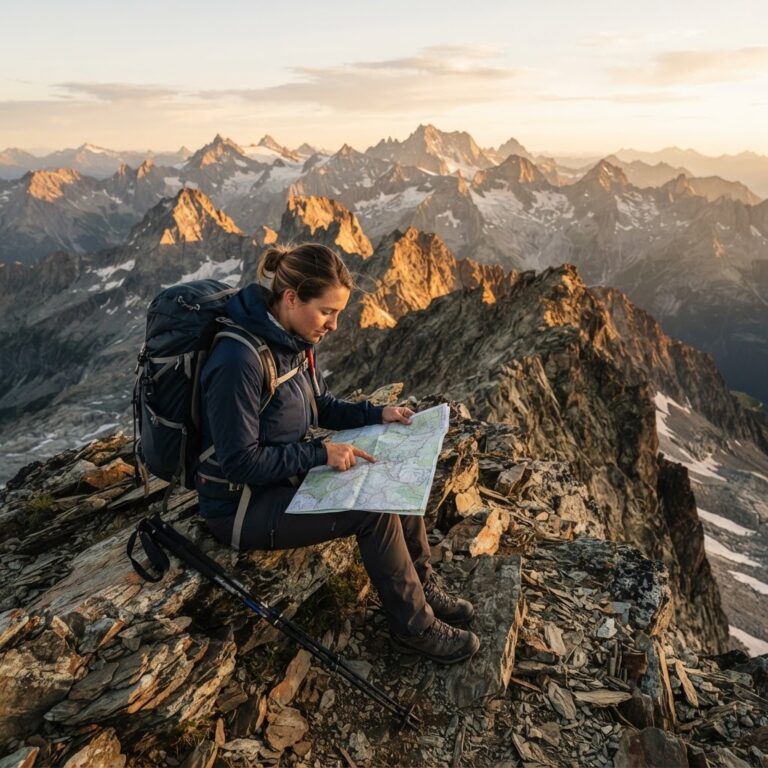
Start with the basics of topographic map reading and weather pattern observation. Learn how contour lines indicate slope steepness and where valleys or ridgelines sit relative to potential campsites. A steep contour squeeze means a ridge or cliff, flat spaced lines indicate gentle terrain. That knowledge helps you choose bivy spots away from avalanche or rockfall zones.
Look at historical weather trends for the area, and also study how microclimates behave. Mountain weather can change suddenly. For example, a sunny mid day in a high elevation basin may become a blustery, wet evening in the same spot. Plan your route to hit safe bailout points within a reasonable window should weather turn. This is similar to having multiple landing pages in a campaign so you can pivot if the primary fails.
Sharing your itinerary with a reliable contact
One of the most effective safety habits is leaving a clear itinerary with a trusted contact and checking in on a schedule. Provide your contact your planned route, expected turnaround time, campsite coordinates when possible, and the radio or emergency communication plan you will use. If your plan changes, update them as soon as it is safe to do so.
Use topographic map reading to mark waypoints and estimated times between them. Share screenshots or simple notes so your contact can convey accurate information to rescue services if needed. Think of this like a campaign handoff document. The clearer and more specific you are, the faster someone can act on your behalf.
Essential Gear and Wilderness Survival Systems
When you are the only person on the trail, your gear is your support team. Prioritize items that give you self sufficiency, redundancy for life safety systems, and the ability to signal for rescue. High altitude gear matters because the same item that keeps you warm at lower elevations may fail alone at four thousand meters due to wind and lower temperatures.
Prioritizing ultralight but durable gear
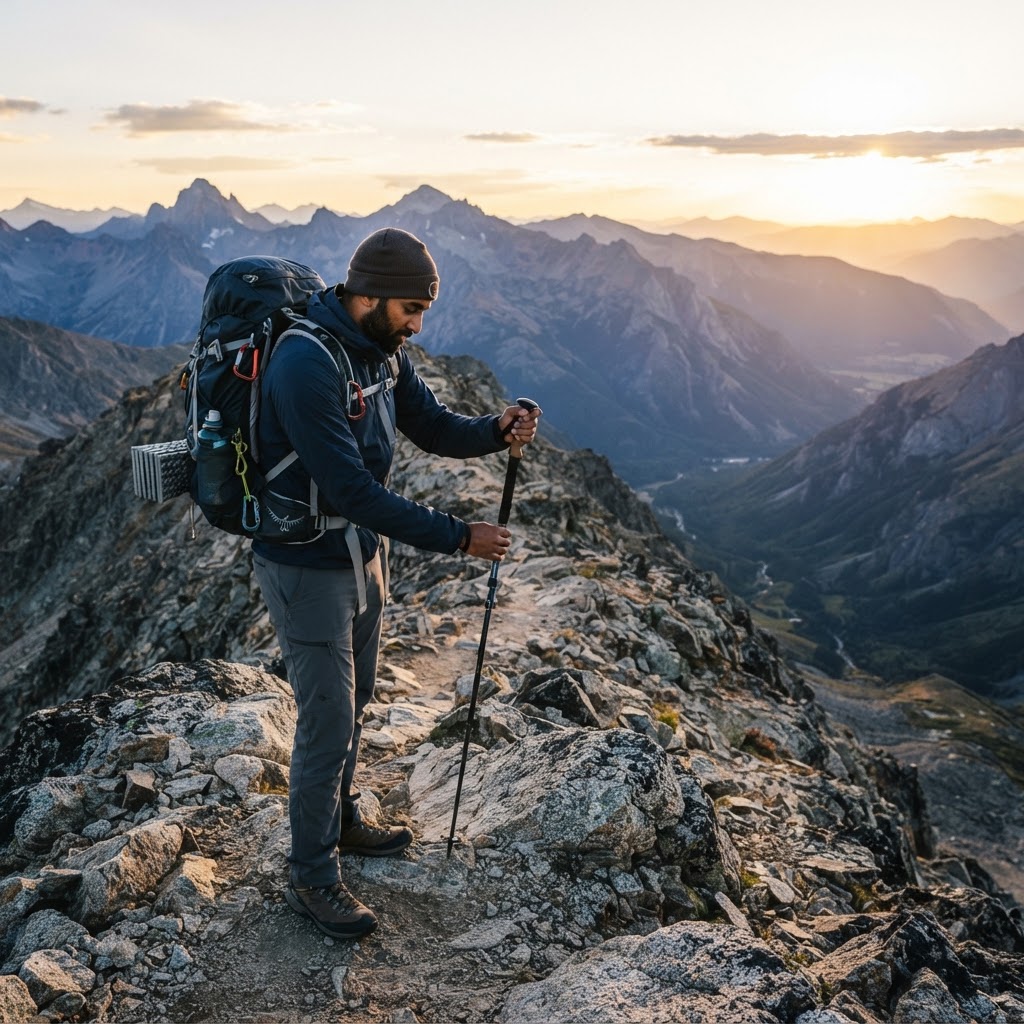
Choose gear that balances weight with durability. Ultralight options are attractive, but reliability is not negotiable when you are solo. A durable shelter, a reliable sleeping system rated for expected temperatures, and footwear that supports unpredictable terrain are top priorities. High altitude gear such as insulated sleeping pads and an appropriate rated sleeping bag will keep you functional and safe during cold nights.
Pack redundant systems for critical functions. For example, carry two reliable methods to make fire, and a small repair kit to fix torn webbing or a broken zipper. This parallels keeping backups for critical marketing assets. If an element fails on the trail, you should have a practical plan to continue safely.
Setting up an emergency communication system
Plan a communications hierarchy. At minimum bring a primary device to call or message and a secondary device that works off standard networks. Learn how to use satellite emergency messengers and practice sending a test message before you head out. These devices can relay your location and a short distress message even when cell service is absent.
Pair your communication plan with a scheduled check in. If you do not report by your agreed time your contact should know the escalation steps. Combine technology with old school methods, like carrying a physical map annotated with your planned route and expected camp locations. Technology is great, but basic wilderness survival skills remain essential in situations where devices fail.
Comparing Camping Locations for Solo Travelers
Choosing a site is about matching your comfort level to environmental risk. Different mountain environments require different skill sets. Below I compare three common mountain camping settings and outline what to watch for, and which wilderness survival skills to practice for each.
High altitude alpine zones
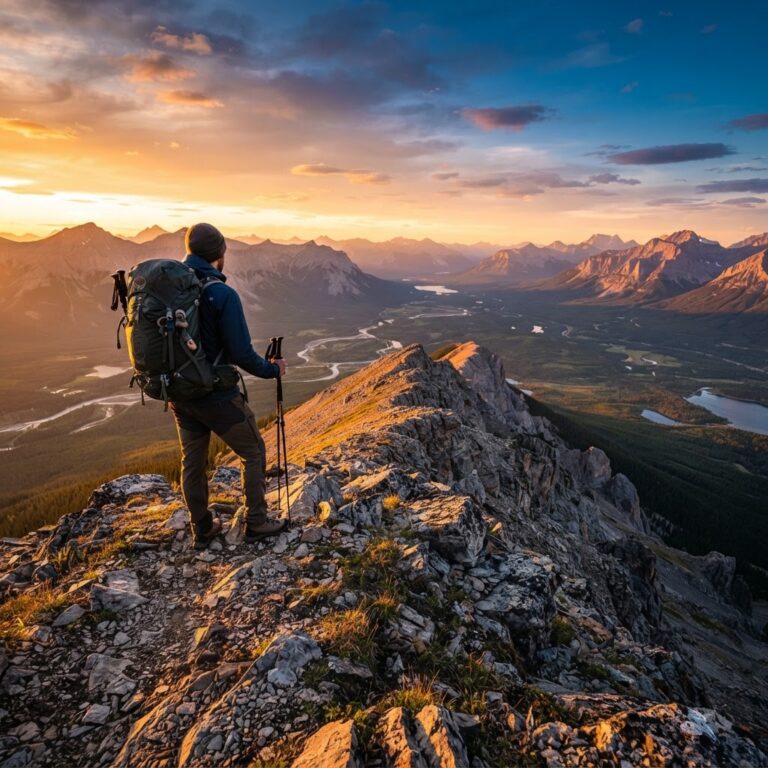
Alpine ridges offer dramatic views and solitude, but they also bring thin air and sharp weather swings. If you choose an alpine zone, prioritize high altitude gear, such as warm sleep systems and sun protection. Practice acclimatization by spending a day at intermediate elevation before moving higher. Topographic map reading is especially important here because wind exposed routes can force you to change course quickly.
Avoid camping on obvious cornices, and set your tent below the ridgeline in a sheltered spot when possible. If you have business priorities like content creation or recording thinking time, schedule those activities for mid morning when conditions tend to be more stable.
Forest encapsulated valley clearings
Valley clearings in forested areas provide shelter from wind and can hold more consistent temperatures overnight. The trade off is a higher likelihood of wildlife activity and potentially more complex navigation due to dense vegetation. Use Leave No Trace principles to reduce attraction to animals by storing food securely and maintaining a clean camp.
Practice basic wildlife encounter protocols before you go. Understand how to make noise while moving, how to store leftovers, and how to respond if an animal approaches your site. For many travelers this environment is the best balance between solitude and manageable risk.
Pro tip: Treat route planning like campaign mapping. Define your objectives, mark safe bailout points, and build in time buffer. This reduces decision fatigue when conditions change.
Frequently Asked Questions
What is the most important item to pack for solo mountain camping?
The single most important item is a reliable means of communication that can alert rescuers to your location, such as a satellite emergency messenger. After that, prioritize an appropriate shelter and a sleeping system rated for expected low temperatures. In practice you should think of these as a short list of mission critical items, and make sure each has redundancy where feasible.
How do I deal with wildlife encounters while camping alone?
Prevent encounters by minimizing attractants, following Leave No Trace principles for food storage and waste, and choosing campsites away from animal transit corridors like stream banks. If an animal approaches maintain distance, back away slowly without running, make yourself look larger, and use noise to encourage retreat. Know the specific large fauna in the area and the recommended response for each. If you are a content creator, avoid filming or feeding wildlife, as that increases risk for you and for them.
What are the best ways to stay warm at high altitudes?
Layer clothing to manage sweat and to trap heat, use high altitude gear like insulated sleeping pads and a sleeping system rated below expected temperatures, and choose sheltered sites to reduce wind exposure. Stay hydrated and eat calories before sleep to fuel overnight thermoregulation. Also, practice basic wilderness survival skills such as insulating your sleeping area with extra dry clothing and managing moisture from breath and sweat.
Final Thoughts
Solo camping in the mountains can be profoundly rewarding when approached with planning, the right gear, and practiced survival skills. Think like a strategist, prepare like a professional, and respect the environment so you can return for another trip.
If you want to translate your mountain trip experiences into content or campaigns, review resources on writing effective camping articles and on building affiliate traffic for outdoor niches. For guidance on creating outdoor focused content that ranks consider the insights in How To Write Camping Articles That Actually Rank On Google, and for strategies to monetize those experiences explore How To Write Camping Articles That Drive Massive Affiliate Traffic. Additionally, if you want to sharpen your core outdoor abilities, the advice in How To Master Camping: Essential Skills for Your Next Adventure pairs well with the practical tips in this guide.