

TL;DR:
- Pick a flat, well drained site, orient your tent for wind and sun, and follow Leave No Trace principles to protect nature.
- Prioritize a good sleep system, combining a supportive sleeping pad with insulating layers, and manage tent ventilation to stay comfortable.
- Match your camping style to goals and gear weight, pack smart outdoor survival gear, and practice simple hacks to save space and time.
Camping is a lot like running a startup, it requires careful planning, the right tools, and the ability to pivot when the weather changes. Whether you are a seasoned pro or a first timer, mastering these tips and tricks to follow when tent camping will turn a potentially stressful trip into your best getaway yet.
Think of your campsite like a landing page, the setup and first impressions matter. With the right campsite selection, smart gear choices, and a few beginner camping hacks you can sleep better, move faster, and enjoy the outdoors without constant troubleshooting.
Table of Contents
- Essential Gear and Setup Strategies
- Improving Your Sleep and Comfort Levels
- Comparison of Camping Styles and Approaches
- Frequently Asked Questions
- Final Thoughts
Essential Gear and Setup Strategies for Tips and Tricks to Follow When Tent Camping
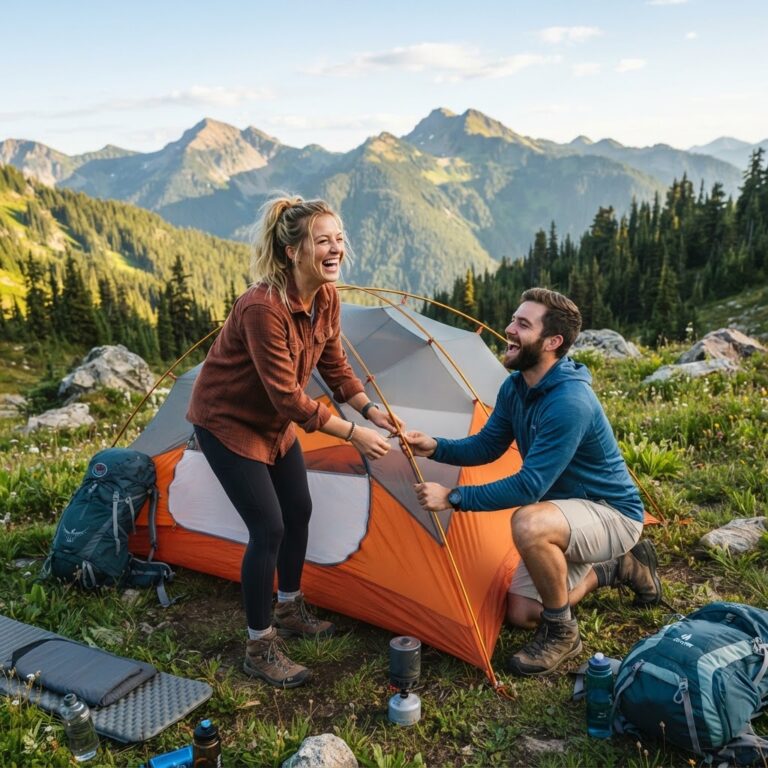
Start with the foundation, that means campsite selection and the right pieces of equipment. Treat the first hour at the site like onboarding for a new user, get the basics right and everything else becomes easier. Good campsite choice reduces work, improves safety, and sets the tone for comfort all night.
Choosing the Perfect Campsite Location
Prioritize a flat spot that is slightly elevated, this helps with drainage when it rains. Avoid hollows where cold air pools and puddles collect. Look for natural wind breaks such as a stand of trees, but avoid pitching directly under dead limbs. Consider the sun path, set up to catch morning sun if you like early warmth, or shade if you favor late morning sleep.
Campsite selection is also about access to resources. Place your tent near but not too close to water sources, this balances convenience with Leave No Trace principles and safety from insects. If you are in a maintained campground use designated pads or cleared spots where possible, this protects fragile ground and keeps your tent cleaner. For more ideas about planning different types of outdoor stays, check out this guide to unforgettable glamping adventures to compare comfort expectations and site features.
Must-Have Gear for Every Camper
Every successful tent campaign begins with a short checklist. The essentials include a tent with a full footprint or ground cloth, a reliable rainfly, stakes and guylines, and a repair kit. Add sleeping pads and a sleeping bag rated for the expected temperatures, a headlamp, a small camp stove, basic cooking gear, and a first aid kit. Include outdoor survival gear like a multi tool, a fire starter, and an emergency blanket for extra safety. Organize these items into dry bags or bins so you can access what you need without digging through everything.
For digital marketers and entrepreneurs used to optimizing funnels, think of your gear as conversion tools. Lightweight stakes keep setup fast, a good footprint protects your tent floor which reduces maintenance time over multiple trips. If you are planning longer trips or backpacking versions of similar adventures, you may find the tips in this backpacking article helpful for balancing comfort and pack weight, see 10 Best Tips For Enjoying Your Next Backpacking Adventure Trips.
Improving Your Sleep and Comfort Levels
Quality sleep is how the trip earns a high customer satisfaction score. Focus on sleep systems, tent ventilation, and minor creature comforts to dramatically improve how you feel each morning. Small investments in padding and insulation have outsized returns on rest.
Leveling Up Your Sleeping System
Your sleeping system is the single most important comfort upgrade. Start with a sleeping pad that suits your body type and the season. Thicker pads offer more comfort, inflatable pads provide better cushioning, and closed cell foam gives insulation and durability. On top of that, use a sleeping bag with an appropriate temperature rating, and add a liner or an extra blanket for chilly nights.
Simple tactics improve performance without adding much weight. Inflate pads before sunset so they conform to your body earlier, and keep your sleeping system dry and ventilated during the day. Store clothing items in your sleeping bag at night to warm them up. If you want a deep dive into tent camping strategies that balance comfort and efficiency, this article on mastering tent camping shares advanced tips, see 10 Expert Tips and Tricks to Master Tent Camping Easily.
Managing Temperature and Ventilation
Ventilation is crucial for comfort and for reducing condensation inside the tent. Open mesh panels in the evening to encourage airflow, and use the rainfly vents during light precipitation to keep air moving. Position your tent so that low level breezes can flow through from one side to the other without hitting you directly. In cold weather, block drafts with clothing or towels around the tent skirt while still allowing some breathability.
In hot conditions, create shade with a tarp or use natural shade strategically. A reflective tarp placed above or beside the tent can lower inside temperatures. Keep wet swimwear and damp gear outside the tent in a breathable bag, as moisture inside amplifies humidity and reduces comfort. For effective tent ventilation, remember to pack a small brush or cloth to clear screens and zippers for full airflow.
Comparison of Camping Styles and Approaches
Choosing between styles is a bit like choosing a marketing channel, each has different costs, returns, and audience fit. Your goals matter. If you want Instagram worthy comfort pick a style focused on amenities. If you want solitude and challenge the backcountry may be right for you. Understanding these trade offs helps you plan gear and expectations.
Minimalist vs. Glamping Style
Minimalist camping is the lean startup of the outdoors. You move quickly, use less gear, and accept lower physical comforts in exchange for speed and simplicity. The key is to pick multi purpose items and reduce redundancy. Glamping style is the enterprise option, it packs comfort into the experience. You trade weight and setup time for cushioning, furniture, and often electricity. Choose glamping when your goal is relaxation rather than wilderness immersion.
Car Camping vs. Backcountry Backpacking
Car camping lets you transfer weight from your pack to your vehicle. You can bring a lot more comfort, from thicker sleeping pads to stovetop coffee setups. Backcountry backpacking forces decisions about every ounce. Prioritize shelter, insulation, and a compact cooking system. In both cases campsite selection and tent ventilation remain crucial, though car campers can be more forgiving with bulkier tents and accessories. Practice Leave No Trace principles no matter the style to preserve trails and campsites for everyone.
Pro tip: Test your full setup at home before you leave, this reveals missing parts and timing issues, much like rehearsing a presentation before a big pitch.
Frequently Asked Questions
What are the best tips and tricks to follow when tent camping for beginners?
Start with campsite selection, choose a flat and elevated spot, and follow Leave No Trace principles to minimize impact. Bring a simple checklist with essential items including a tent footprint, stakes, sleeping pad, an appropriate sleeping bag, a headlamp, basic cooking gear, and a small first aid kit. Practice setting up your tent at home so you understand each piece. Pack items in small bins or dry bags to keep the tent organized. Arrive at the site with time to set up before dark, and be prepared for small weather changes by carrying extra layers and a tarp.
How do I keep my tent cool during hot summer nights?
Improve airflow by opening mesh panels and using the tent vestibule to create a cross breeze. Set up in shade when possible and orient the tent to capture known breeze patterns. Use a reflective tarp above the tent to reduce solar gain. Keep wet items out of the tent, this reduces internal humidity. On very hot nights sleep slightly elevated from the ground using a pad or cot if available, as the ground can radiate heat. Avoid heavy meal preparation inside the tent area to limit heat buildup.
Is it better to use an air mattress or a foam pad for tent camping?
It depends on your priorities. Air mattresses provide cushioning and a sleeping experience closer to home, they are great for car camping where weight is not a concern. Inflatable pads can be very comfortable, but they require careful inflation and can be vulnerable to punctures. Foam pads are durable, provide continuous insulation from the ground, and are low maintenance, making them ideal for backcountry trips. For a balance use an inflatable pad with a thin foam layer or closed cell foam under it for insulation and puncture protection. Consider sleeping pads as long term investment in comfort, they affect how rested you are and your ability to enjoy subsequent days outdoors.
Final Thoughts
Tent camping gets easier when you plan like you would for a product launch, prioritize the essentials, and iterate on what works. Pack thoughtfully, use campsite selection to your advantage, and make sleep and ventilation your top comfort priorities for an enjoyable experience.