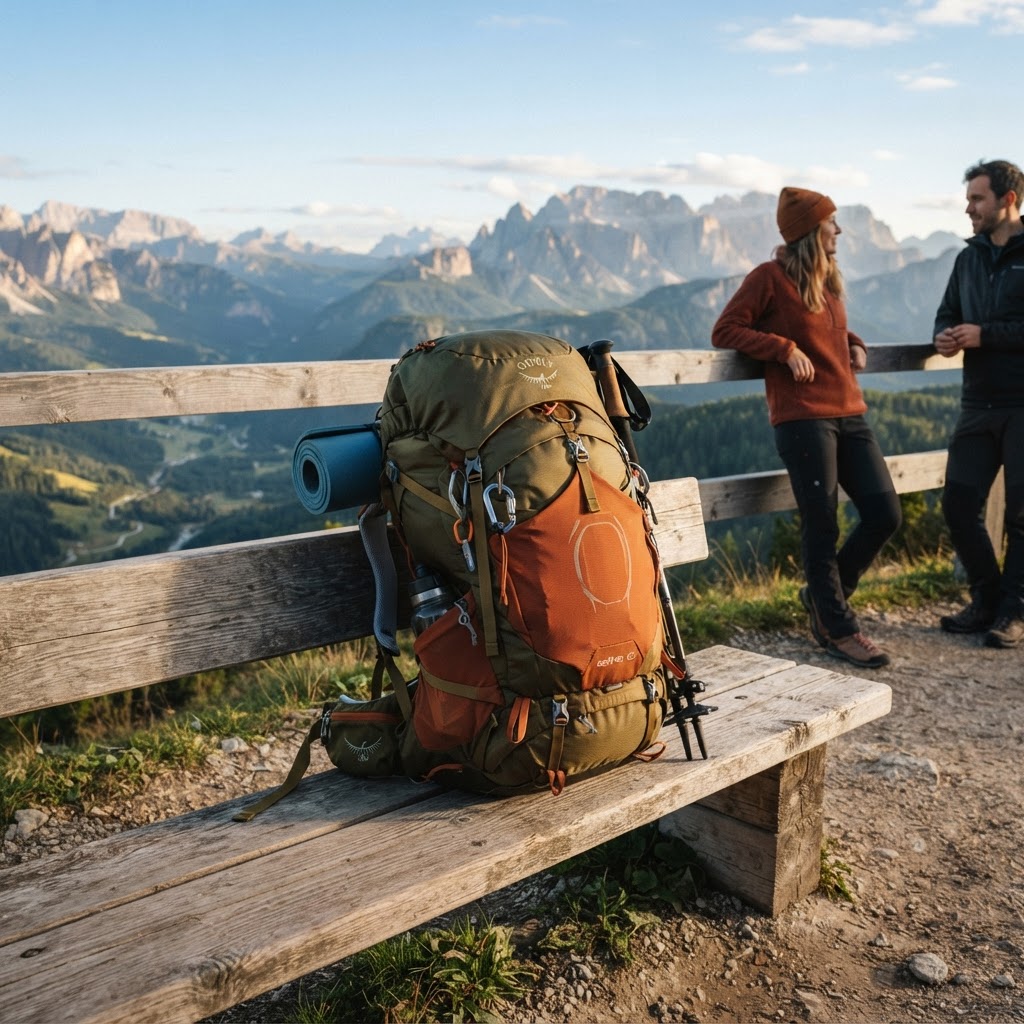

TL;DR:
- Audit every item, focus on multi purpose gear, and trim non essentials to keep your pack light and your trip simple.
- Organize with color coded sacks and plan your campsite layout so you can move fast, even after dark.
- Choose gear based on weight utility and durability, and practice setup at home so nothing surprises you on the trail.
Imagine reaching the summit only to realize your pack is far too heavy and you forgot your most critical supplies. That sinking feeling is a lot like launching a campaign without a tracking plan. Both situations are avoidable with smart planning, a ruthless audit, and a few proven hacks that make everything easier on the trail.
In this post, you will get ten practical camping hacks for first time backpackers that translate well for busy professionals who care about efficiency. Think of each tip as a micro strategy, designed to reduce friction, save energy, and help you enjoy the view rather than worry about gear. Let us begin.
Table of Contents
- Streamlining Your Gear for a Lighter Load
- Smart Organization and Site Setup
- Comparing Camping Essentials for Beginners
- Frequently Asked Questions
- Final Thoughts
Streamlining Your Gear for a Lighter Load
Carrying less makes every mile easier, and for first time backpackers the fastest wins come from a clean packing list. This section covers how to audit your gear and build a lean kit that still covers safety and comfort. If your background is in marketing, think of this as trimming a campaign down to the core channels that actually convert.
The Multi-Purpose Gear Strategy
One of the simplest ways to cut weight is to favor items that serve more than one role. A pot that doubles as a bowl, a bandana that becomes a sun shield or a filter prefilter, a trekking pole that also supports your tarp, these choices replace multiple single use items. When you select multi purpose gear, you reduce the overall count of items and simplify decision making on the trail. Less gear, fewer choices, more time to enjoy the scenery.
To implement this strategy, list every piece of gear and ask what two or three additional roles it could fulfill. If you cannot find at least one extra use, consider whether it is truly essential. For marketers this is like repurposing one content asset across several channels. One good item well used outperforms several specialty pieces that sit unused.
Strategic Weight Distribution Techniques
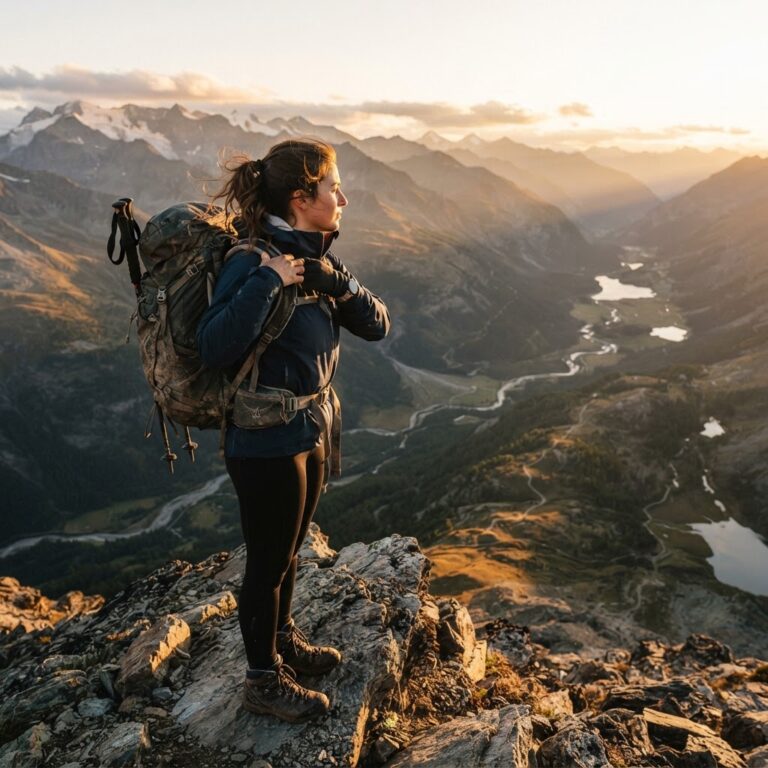
Once you have stripped excess items, distribute the weight in a way that makes walking comfortable and stable. Pack heavier items close to your back and around mid torso height, rather than at the bottom of the pack. This keeps your center of gravity aligned and reduces shoulder strain. Place medium weight items toward the bottom and lighter items at the top to maintain balance as you move.
Another practical tip is to use compression sacks or stuff sacks to manage volume. Compression not only reduces the pack size but prevents items from shifting and changing balance. Weigh your packed bag before a trip and aim for a target that makes sense for your fitness and route. For many first time backpackers a conservative target creates a confident experience, much like starting with a small test campaign to validate assumptions.
Smart Organization and Site Setup
Organization is discipline made visible. A well organized pack and a practiced campsite layout will save time and reduce stress in low light or when you are tired. The hacks below feel small, and they compound into minutes saved and fewer mistakes when it counts.
Color-Coded Packing Systems
Color coding is a simple visual system that helps you find items quickly. Use colored stuff sacks or colored bands to group items by function, for example one color for sleep kit, another for cooking, and a third for first aid. When darkness falls and you are juggling tasks, the ability to reach for a color instead of rummaging saves energy and avoids losing items.
Labeling also matters. A small waterproof tag with a short word on it adds clarity. For busy professionals, this is like tagging campaigns with campaign codes and utm parameters so you know where clicks come from. The mental overhead of remembering where everything is goes away, and you spend more time enjoying the trail.
Efficient Campsite Layout Planning
Set up your site with intention. Choose a flat spot away from obvious hazards, orient your tent entry away from prevailing wind, and place the cooking area downwind from sleeping areas. Keep dangerous items like a stove or fuel in a consistent zone and locate your headlamp and water within arm reach of your tent. This kind of planning reduces late night fumbling and keeps the campsite safe.
Think in zones, like a simple floor plan. A sleeping zone, a cooking zone, a gear and drying zone. Keep slippery items and trash well away from sleeping quarters. When you arrive, place high use items in the most accessible locations so you do not have to unpack everything to find one item. These habits create a professional level of campsite efficiency and reduce the cognitive load after a long day.
Comparing Camping Essentials for Beginners
Choosing gear forces tradeoffs between cost, weight and utility. This section compares categories so you can pick a sensible balance that fits your style and budget. The right choice depends on the trip length and your tolerance for risk, but these comparisons will shorten your decision process.
Sleeping Systems Compared
Sleeping bags, quilts and pads each offer different advantages. A traditional bag is simple and forgiving for beginners, and it performs well in colder conditions when combined with an appropriate pad. Quilts can save weight but require pad stability and sheltering skills to stay warm. For pads, inflatable pads provide comfort and insulation while closed cell foam is durable and cheap.
As a rule, match your sleeping system to the coldest expected temperature and then add a margin. It is safe to opt for a slightly warmer system on your first few trips to avoid discomfort that can ruin a weekend. Practice setup at home so that you understand how layers, bag zipper position and pad orientation matter for heat retention.
Hydration Methods Compared
Water bottles are simple and sturdy, while hydration bladders make drinking on the move convenient. For treatment, options include filters, chemical treatments, and boiling. Filters are fast and preserve taste, chemical treatments are light and packable, and boiling is foolproof but requires fuel and time. Beginners often prefer a straightforward filter or treated bottle that is simple to use under pressure.
Carry capacity matters. Plan for at least a liter per two hours of moderate activity in moderate temperatures, and more in heat. Always carry a small backup purification method and know where the water sources are along your route. A little planning prevents big problems when sources are sparse or unexpectedly dry.
Pro tip: Lay out your gear at home and do a practice setup. Timing yourself once will save you confusion and lost minutes in poor weather. Treat practice like a dress rehearsal for your trip.
Frequently Asked Questions
What is the most important rule for first-time backpackers?
The most important rule is to stay light and safe. Prioritize essentials that keep you warm, dry and hydrated, and test your gear before you go. Plan for conservative distances and conditions so your trip is enjoyable rather than a survival test. In practice this means packing trusted safety items, learning basic navigation, and choosing a route that matches your fitness and experience. The goal is to build positive experiences so you return and learn from them.
How do I keep my pack weight under 25 pounds?
Start with a gear audit and eliminate duplicates and non essential items. Favor multi purpose gear, use lightweight shelter and sleep systems within your comfort range, and avoid excess food or heavy luxury items for short trips. Weigh each item and aim for a base weight that fits your target. Finally, practice efficient organization so you do not bring backup items out of fear. Hitting a target weight is a discipline similar to optimizing a campaign budget, where every gram removed yields better performance on the trail.
What are the essential safety items for a weekend trip?
For a weekend, carry a reliable shelter, warm insulation, water treatment or filter, a means to start a fire or cook safely, a first aid kit, navigation tools and a headlamp with extra batteries. Add a small emergency bivy or blanket, a whistle and a compact repair kit for gear. Know how to use each item before you head out. These items are the basics that cover common problems and buy time if weather or an injury creates complications.
Final Thoughts
First time backpacking rewards careful planning. Treat your packing list like a campaign plan, reduce clutter, practice setup and choose gear that serves more than one purpose. With a few simple habits you will turn a daunting trip into a smooth adventure and build confidence for longer outings.