

TL;DR:
- Plan thoroughly with a trip plan, communication strategy, and emergency exit routes before you leave.
- Balance lightweight gear with modular redundancy, and carry analog navigation backups and a satellite communication device.
- Practice wilderness first aid, respect Leave No Trace principles, and give your body time for high altitude acclimation.
The silence of a high altitude meadow offers a mental reset that no boardroom can match, but venturing out alone requires a level of preparation that turns a daunting challenge into a seamless escape. Whether you are a marketer logging off to recharge or an entrepreneur seeking clarity, the most successful solo mountain trips start with systems that manage risk while preserving serenity.
This guide delivers the best tips for solo camping in the mountains, with practical steps, gear strategies, and safety protocols you can apply on your next trip. Read it like a checklist you can follow from planning to pack up.
Table of Contents
- Essential Preparation and Safety Protocols
- Mastering Solo Mountain Gear Systems for the best tips for solo camping in the mountains
- Quick Comparison: Essential Solo Camping Kits
- Frequently Asked Questions
- Final Thoughts
Essential Preparation and Safety Protocols
Before you shoulder your pack and walk away from cell towers, the right preparation is non negotiable. A solo trip magnifies delays and mistakes, so treat planning like a professional project. The essentials are a thorough trip plan, a robust communication strategy, and a clear understanding of weather and emergency exit options. These systems reduce uncertainty and allow you to focus on the experience rather than worry.
Developing a detailed trip plan and communication strategy
Your trip plan is the single most important safety tool. It should include your route, daily mileage estimates, water sources, likely campsites, and an expected return time. Share this plan with at least two responsible contacts. In addition to a written plan, establish a check in schedule. If you do not check in by a specific time, your contacts should know how and when to escalate to local authorities. If you are heading into remote country consider registering your route with local ranger stations if that option exists.
Satellite communication devices are a game changer for solo travelers. These devices allow two way messaging and emergency signaling where cell coverage is nonexistent. Learn how to use your device before you leave home and practice sending test messages. Keep battery saving modes and a charging plan in mind. A small solar panel or a spare battery can be the difference between reassurance and risk.
Communication strategy also includes redundancies. Use a combination of a paper itinerary left with someone, periodic satellite messages, and conventional phones when available. If you plan to post status updates on social apps, remember those can lull you into a false sense of safety. Treat them as a supplement rather than your primary safety layer.
Understanding mountain weather patterns and emergency exit routes
Weather in mountain country can change rapidly. Learn the typical diurnal patterns for the range you are visiting. For many mountain areas afternoons bring convective storms, while nights can be clear and much colder. Use weather forecasts as a planning guide, but always plan for sudden changes. Packing a few extra hours of food and warm clothing is a small insurance cost compared with the potential consequences of being unprepared.
Map out at least two emergency exit routes before you leave camp each day. One route should be the fastest way downhill to a road or town. The alternate route might follow a creek or a less steep saddle. Mark these on your topographic map and note obvious landmarks. Familiarity with exit routes reduces panic and preserves energy if conditions require an unplanned retreat.
Mastering Solo Mountain Gear Systems for the best tips for solo camping in the mountains
Gear selection is a series of trade offs between weight, durability, comfort, and redundancy. For solo trips especially, prioritize items that serve multiple functions and pack modular systems that allow you to swap or replace parts in the field. This section focuses on weight management and navigation choices that influence safety and enjoyment.
Weight management: Packing for modular redundancy
Think in systems not individual items. For shelter, sleeping, cooking, and navigation, choose components that can back each other up. For example a sturdy tarp can double as an emergency shelter and a groundsheet. A compact multi tool can fix a broken pole and prepare kindling. This approach is called modular redundancy. It ensures that if one component fails, another can perform a critical function until you can repair or exit.
When you reduce gear to essential systems, you also highlight single points of failure. Carry spare parts for critical items such as stove igniters and tent guylines. Replaceable pieces weigh little and preserve safety. For long trips prioritize durability over marginal weight savings. If a component breaks and leaves you stranded, a few extra ounces saved at the trailhead will feel like a poor bargain.
Navigation tools: Why analog backups outperform digital devices
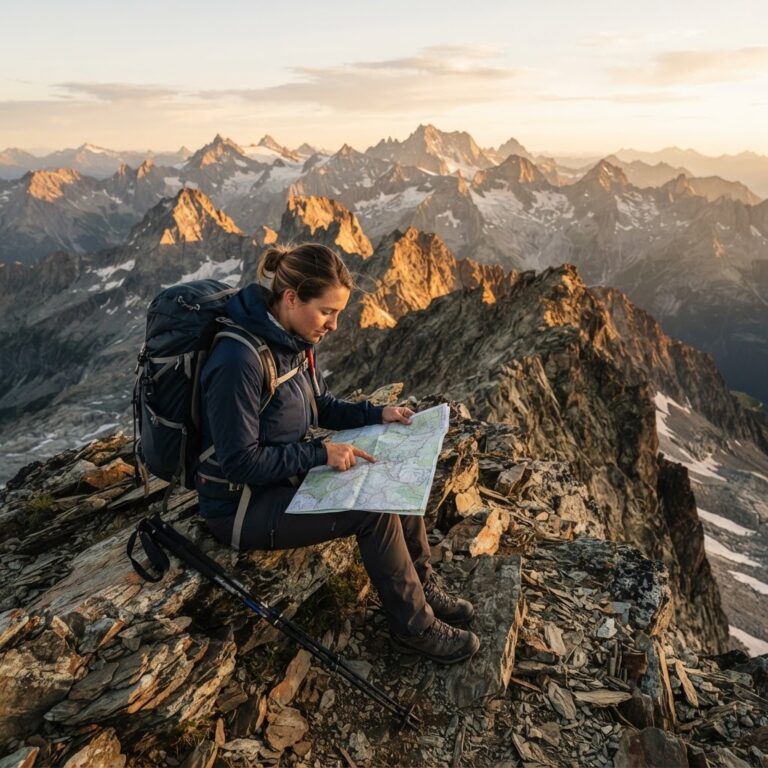
Digital devices are convenient, but batteries die and screens fail. Analog navigation tools, such as a topographic map and compass, are virtually fail proof. Topographic map reading and basic compass skills are foundational for solo mountain camping. Learn to orient a map by terrain features, estimate distances using contour intervals, and take compass bearings to key waypoints. These skills help you verify digital data and navigate when technology is offline.
Practice route finding at home before you rely on it in the field. Print or mark key map sections and carry waterproof map cases. Combine your map and compass knowledge with satellite communication devices for check ins and emergency signaling. In many mountain rescues a lost party had functioning electronics but no analog backup. Do not make that mistake.
Quick Comparison: Essential Solo Camping Kits
Choosing the right kit depends on duration, season, and your tolerance for risk. Below are two contrasting approaches. One is a lightweight minimalist setup for quick weekend trips where trails are obvious and resupply is easy. The other is a four season expedition setup designed for high altitude travel and uncertain conditions. Use the comparison to decide what to carry and why.
Lightweight minimalist setup
The minimalist weekend kit focuses on essential items that keep your pack weight low while delivering core functionality. Typical components include an ultralight shelter, a compact sleep system rated a few degrees below expected lows, a small stove, a map and compass, and a basic first aid kit. For short trips the strategy is to move fast and minimize exposure. It works best where terrain is moderate, water is accessible, and you can bail out easily if conditions worsen.
Even on minimalist trips maintain redundancy for critical systems. A lightweight tarp can substitute for a heavy tent. A small emergency blanket tucked into your pack can prevent hypothermia. For navigation carry a topographic map and practice map reading, so you do not become dependent on battery powered devices.
Four season expedition setup
The expedition setup prepares you for long travel, uncertain weather, and high elevation. Expect to carry a robust shelter capable of withstanding strong winds, an insulated sleeping system, a reliable cook system with backup, and an expanded wilderness first aid kit. High altitude acclimation is a key consideration for expedition style trips. Build extra days into your itinerary for gradual ascent, and monitor symptoms as you climb.
Expedition kits should include strong communication capability, typically a satellite communicator with longer battery life and a power plan. Topographic map reading is still critical in these settings. Even the best satellite service can be affected by terrain. Redundancy matters more the further you are from help.
Pro tip: Practice setting up your entire shelter and cooking system at home in bad weather. If you can manage it in poor conditions in your backyard you will stay calm and efficient when it matters most.
Frequently Asked Questions
Is it safe to go camping in the mountains alone?
With preparation and conservative decision making, solo mountain camping can be safe. The key elements are a detailed trip plan, a communication strategy that includes a satellite communication device, robust navigation skills including topographic map reading, and an emergency response plan. Practice wilderness first aid and know your limits. If conditions exceed your experience level do not hesitate to turn back. Safety is about reducing risk not eliminating it. Many experienced solo campers treat safety like an investment, adding redundancies in gear and time to manage unexpected issues.
What is the most important piece of gear for a solo mountain camper?
The single most important item is often intangible. It is your ability to communicate and execute an emergency plan. Practically speaking, a reliable communication device that can summon help or confirm status in remote terrain ranks at the top. Close behind are navigation tools that work without batteries, and a solid shelter system that matches expected conditions. For medical emergencies, a well stocked wilderness first aid kit and the training to use it can save lives. Think of gear as layers that together form resilience.
How do I deal with wildlife encounters while camping solo?
Wildlife encounters require calm assessment and situational awareness. Store food properly away from your sleeping area, follow Leave No Trace principles for waste management, and make noise while hiking in areas with poor visibility to reduce surprise encounters. If you do encounter a large animal, stay calm, identify the species and behavior, and respond with the recommended techniques for that species. Avoid running. Use deterrents as allowed by local regulations and carry a plan for securing your campsite if animals become a nuisance. Remember that most wildlife avoid humans when given the chance. Good campsite selection and food management reduce the likelihood of conflicts.
Final Thoughts
Solo camping in the mountains offers a profound reset and clearer thinking, provided you prepare like a professional and respect the mountain environment. Prioritize your trip plan, practice navigation and wilderness first aid, and choose gear that balances weight with redundancy.
For practical skill building and content ideas, see the guide on mastering essential camping skills at https://www.camprambler.com/how-to-master-essential-camping-skills-for-your-next-adventure/, and for tips on writing effective outdoor content that converts, consult https://www.camprambler.com/how-to-write-camping-articles-that-drive-massive-affiliate-traffic-3/.