
TL;DR:
- Glamping resorts are capitalizing on experiential travel demand, delivering unique stays that command premium pricing and generate strong revenue growth.
- Lower fixed infrastructure costs and creative revenue streams let glamping businesses achieve higher profit margins than many traditional hotels.
- Smart hospitality marketing, social proof, and targeted customer acquisition make glamping a scalable and profitable alternative accommodation model.
Imagine trading a sterile hotel lobby for a luxury safari tent under the stars. That vivid swap is not just a vacation daydream, it is the exact shift in guest demand driving a major revenue boom across alternative accommodations. Modern travelers increasingly seek stories and scenes, not just a place to sleep, and glamping resorts are perfectly positioned to deliver that value.
For digital marketers, affiliate marketers, and entrepreneurs who want better marketing results, understanding why glamping resorts are outperforming traditional hotels reveals clear opportunities. From premium pricing to social media friendly experiences, glamping is changing the hospitality playbook in ways you can capture for higher revenue growth.
Table of Contents
- The Shift in Guest Preferences Toward Experiential Travel
- Why Glamping Resorts Offer Higher Profit Margins
- Glamping vs Traditional Hotels: A Strategic Comparison
- Frequently Asked Questions
- Final Thoughts
The Shift in Guest Preferences Toward Experiential Travel
Travel habits have evolved from ticking boxes for convenience to curating moments worth sharing. Guests care less about a standardized room and more about an experience that feels unique, personal, and shareable. That shift is a key reason glamping resorts are seeing outsized revenue growth compared to many traditional hotels.
The Rise of Experiential Stays
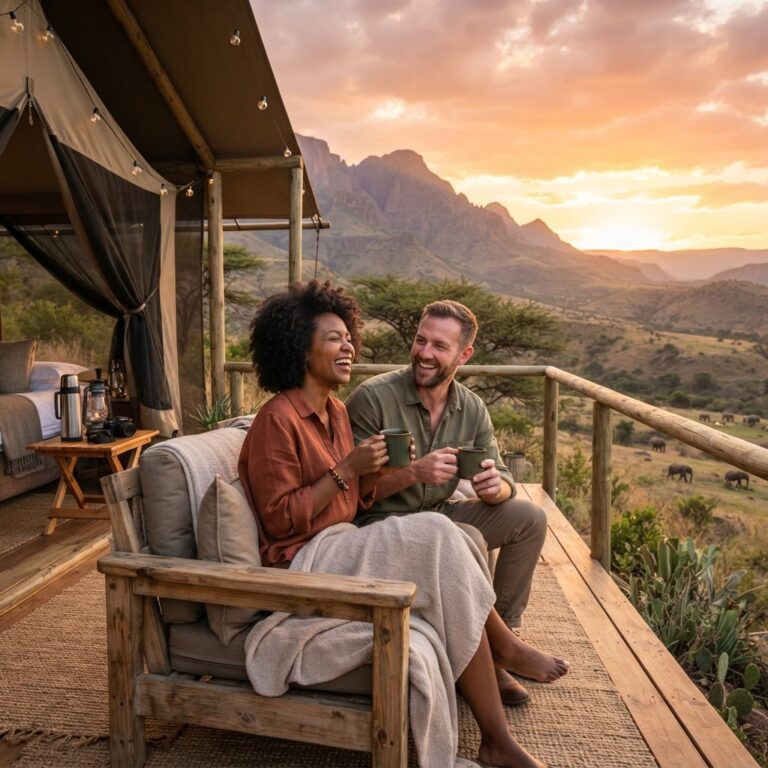
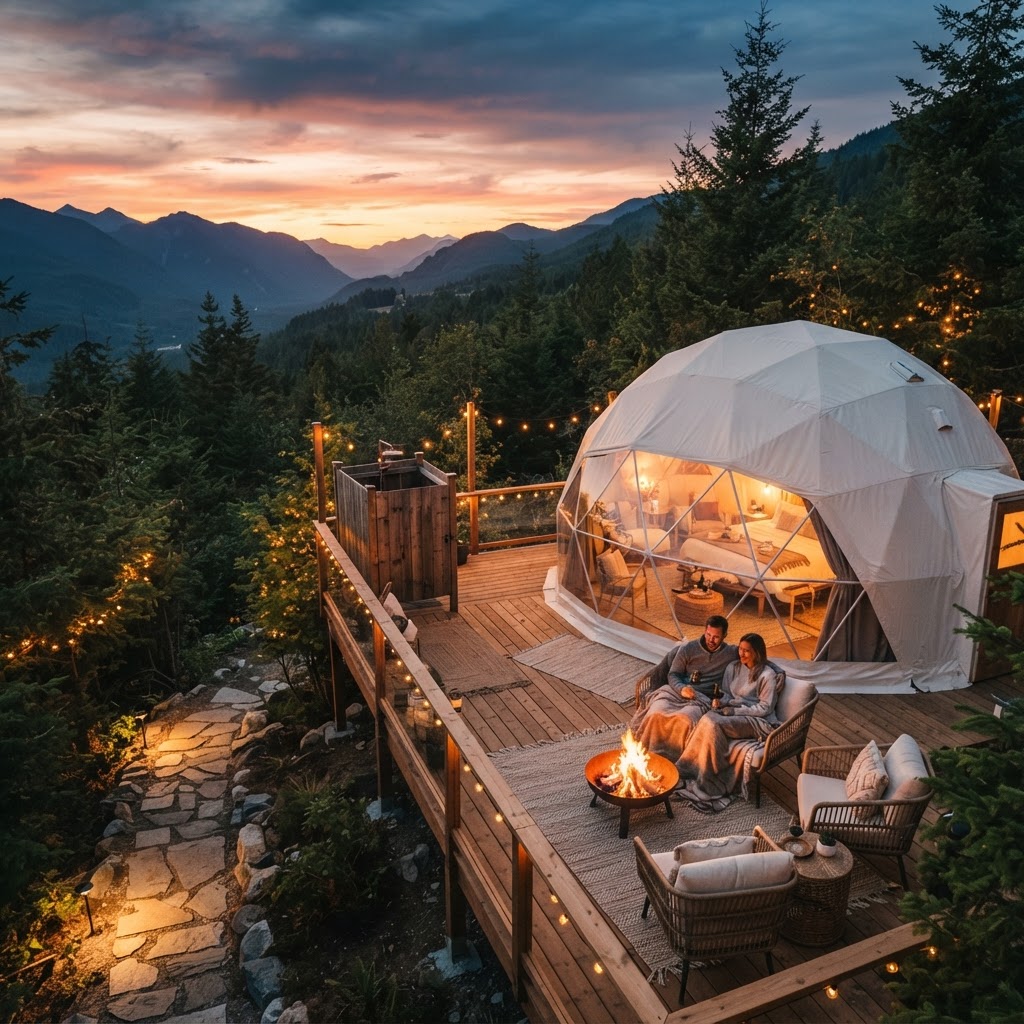
Experiential travel means guests book for the story they will tell afterward. They want to wake to a mountain view, fall asleep under a sky full of stars, or enjoy a private outdoor soaking tub with curated amenities. These elements transform a stay from a commodity into a memory, and memories have a price premium. Glamping resorts package natural settings with comfortable design, turning raw outdoor appeal into an upscale product that commands higher nightly rates and longer stays.
For marketers, experiential stays allow you to sell benefits that are hard to replicate in a standard hotel room. Instead of competing on bed counts and breakfast options, you sell sunsets, outdoor private dinners, and curated local activities. Those selling points justify targeted segments and premium offers, which in turn drive revenue growth.
Social Media and the FOMO Factor
Social platforms have turned travel into a stage. An Instagram worthy setup, or a short video of a tent lit up at night, can go viral in niche travel circles. This kind of organic visibility compounds over time, and glamping resorts naturally produce visual assets that travelers want to post. That social signal fuels demand through word of mouth, direct bookings, and affiliate partnerships.
FOMO, the fear of missing out, is real and profitable. When a location becomes seen as unique or bucket list worthy, occupancy increases and guests are willing to pay more. Digital marketers can harness this with content strategies that emphasize scarcity, seasonality, and authenticity, turning social traction into lasting revenue growth.
Why Glamping Resorts Offer Higher Profit Margins
Glamping resorts often hit a sweet spot in hospitality economics. They combine lower fixed costs with the ability to charge premium prices. The result is higher profit margins, especially when operators focus on direct bookings and diversified revenue streams beyond nightly stays.
Lower Infrastructure and Building Costs
Compared to constructing and maintaining multi story buildings, glamping units such as tents, cabins, or yurts require far less upfront capital and ongoing maintenance. Site preparation, power solutions, and foundational work are usually simpler, which shortens the time to revenue. Lower construction costs mean smaller loans or investment needs, and faster break even on startup capital.
Operational maintenance is also leaner. Fewer permanent structural elements translate into lower property taxes, simplified repairs, and reduced utilities in many cases. With thoughtful design, glamping operators can offer luxury amenities while keeping a light cost footprint, improving margin performance over time.
Commanding Premium Nightly Rates
Unique accommodations create perceived value. Guests are willing to pay for the narrative of staying somewhere distinct, and glamping resorts can layer premium services such as curated meals, guided experiences, and private transfers to increase revenue per guest. Upsells are natural in this model, and villas or premium tents can be priced significantly higher than comparable hotel rooms.
Pricing strategies that combine base rates with add on experiences, seasonal packages, and curated events translate directly into higher average daily rates and higher revenue per available unit. When demand spikes, dynamic pricing or limited time offers can further boost returns, making revenue growth more resilient and pronounced.
Glamping vs Traditional Hotels: A Strategic Comparison
Comparing glamping resorts to traditional hotels side by side reveals why many operators and investors are shifting focus. Glamping combines the economic advantages of lower capital intensity with a product that is inherently scalable in different markets. That combination translates into repeatable revenue growth when marketing and operations are aligned.
Operational Efficiency Breakdown
Glamping setups often require fewer full time staff, especially when units are designed for low maintenance and guest self service. Reduced labor costs improve margins, and automation in reservations, check in, and guest communication increases efficiency. That said, glamping demands excellent onsite upkeep to maintain aesthetics and guest satisfaction, so processes must be solid to avoid negative reviews that hurt demand.
Traditional hotels rely on staffing levels to deliver consistent service, which keeps fixed costs high. While that model can support larger groups and events, it is less nimble when occupancy drops. Glamping resorts, by contrast, scale more easily with seasonal demand, and temporary staffing can match peaks without long term payroll commitments.
Marketing and Customer Acquisition
Acquiring customers for glamping is a different play. The product is highly visual and emotionally evocative, making content marketing, social campaigns, and influencer partnerships particularly effective. Digital marketers can use storytelling to attract high intent visitors. For affiliate marketers, unique stay experiences provide strong conversion hooks, especially when commissions include packages or add ons.
Traditional hotels tend to compete on distribution channels and brand recognition. That can mean heavy spending on channel commissions and loyalty program management. Glamping resorts can avoid some of that pressure by leaning into direct bookings and targeted marketing to niche audiences who value the experience, thereby lowering customer acquisition cost and improving lifetime value.
Pro tip: Build a marketing funnel that highlights storytelling, timed scarcity, and personalization. Offer curated add ons at checkout to boost average order value, and track each campaign with consistent tagging for accurate performance measurement.
Frequently Asked Questions
Is glamping really more profitable than traditional hotels?
In many cases, yes. Glamping can be more profitable because of lower upfront cost, reduced fixed overhead, and the ability to charge premium rates for unique experiences. Profitability depends on smart site selection, efficient operations, and strong marketing. If a glamping resort executes well on guest experience and direct booking strategies, it can reach higher margins than a comparable sized traditional hotel, especially in markets with strong demand for alternative accommodations.
What type of marketing works best for glamping businesses?
Visual content marketing, social proof, and niche targeting are highly effective. Focus on producing shareable imagery and short video content that showcases the experience. Use email campaigns and retargeting to convert interested visitors into bookings. Partnerships with affiliates and local experience providers help expand reach. Finally, track campaign performance meticulously, and use offers and personalization to increase conversions and revenue per guest.
Do I need a large piece of land to start a glamping resort?
No. While more land allows for more units and privacy, you can start small with a handful of premium units on a modest parcel. The key is smart layout, privacy planning, and delivering a distinct guest experience. Smaller sites can still command high rates if they offer exceptional views, privacy, or curated activities. Start with a pilot of a few units, test demand, and scale as bookings and revenue justify expansion.
Final Thoughts
Glamping resorts are outperforming traditional hotels in revenue growth because they match modern traveler desires, lower certain cost structures, and create premium pricing opportunities. For marketers and entrepreneurs, the lesson is simple, craft memorable experiences, optimize direct channels, and measure everything to scale profitably.