
TL;DR:
- Pick a glamping site that matches your comfort priorities, like private bathroom, heating, or easy outdoor access.
- Pack light and versatile, focus on layers, compact comforts, and simple tech free entertainment to actually relax.
- Choose the accommodation style that fits your vibe and budget, then read reviews and confirm host reliability before booking.
If your idea of relaxing is scrolling through your inbox while sitting in a cubicle, it is time for a serious upgrade. Discover how to swap your screen time for stars with a seamless glamping trip that actually leaves you feeling refreshed instead of frazzled.
For digital marketers, affiliate marketers, small business owners, and entrepreneurs who live in a world of deadlines, campaigns, and constant notifications, glamping offers a way to press pause without sacrificing comfort. This guide helps you plan a stress-free glamping getaway step by step so you can return to work with clearer thinking and better focus.
Table of Contents
- Choosing the Perfect Glamping Site for Your Needs
- Packing Smarter for a Seamless Outdoor Experience
- Comparing Glamping Accommodation Styles
- Frequently Asked Questions
- Final Thoughts
Choosing the Perfect Glamping Site for Your Needs
Choosing where to stay is the single most impactful decision you will make when you plan a stress-free glamping getaway. The right location and amenities determine whether you feel pampered under the stars or stressed by logistics. Start by clarifying what comfort means to you. Are you craving solitude, curated nature activities, or a place with reliable amenities so you can unplug without anxiety? Narrowing that down will save time and set expectations for your whole trip.
Defining Your Essential Amenities
Make a short list of must have features before you start browsing. For many people the essentials include a comfortable mattress, private bathroom access, and reliable climate control so you do not wake shivering at 3 a.m. Other people prioritize an outdoor kitchenette, fire pit, or heated blankets. If you want to actually switch off, consider whether the site offers optional Wi Fi or cellular signal. For marketers used to staying connected, deciding in advance whether to bring a lightweight hotspot or to accept offline time is critical to a calm trip.
Think about travel time and access when you define the amenities. A spot deep in nature might be quieter and more restorative, but it can also mean a bumpy drive and tricky check in. If you prefer ease, look for listings that advertise close parking, clear arrival instructions, and quick host communication. Those small conveniences reduce friction so you can focus on relaxing and recharging.
Vetting Reviews and Host Reliability
Once you have an amenity checklist, use reviews to validate listings and to surface honest expectations. Read several recent reviews, paying attention to how hosts respond to negative feedback. A host who addresses issues promptly and respectfully is a good sign for reliability. Look for consistent comments about cleanliness, accuracy of photos, and ease of check in.
Do not hesitate to message hosts with questions before booking. Ask about things like early check in, parking, whether towels and bedding are included, and the best local routes. Prompt, clear replies mean the host values guest experience. For first timers, choosing a host with strong communication removes a lot of the pre trip uncertainty that can turn a relaxing getaway into a logistics chore.
Packing Smarter for a Seamless Outdoor Experience
Packing well is one of the easiest ways to keep stress low when you go glamping. You want to bring comforts that mimic indoor luxury while keeping your load light. Focus on versatile items that serve more than one purpose, and create a small ritual around packing to make leaving work behind feel intentional rather than frantic.
The Capsule Packing Method for Glampers
The capsule packing method means selecting a small set of clothing and gear that mix and match. Choose neutral layers you can rewear, a compact set of sleepwear that doubles as lounge wear, and a pair of shoes for walking plus a nicer pair for dinners by the fire. Include a lightweight jacket that serves as rain protection and warmth, and a small packable blanket for outdoor seating. Packing cubes or compression bags can keep things organized and save space in a car or small carryall.
For toiletries and personal care, opt for travel sized essentials and multi use items like a gentle cleanser that also works as a shaving foam. Bring a small first aid kit tailored to your needs, a refillable water bottle, and a compact headlamp for late night walkways. If you plan to cook, a few reusable utensils and a compact cutting tool are all you need. The goal is to bring what adds comfort without creating a long list of items to manage while you are trying to unwind.
Must-Have Tech-Free Entertainment Items
To truly unplug and recharge, prepare a small bag of tech free entertainment that makes time away feel rewarding. Pack a paperback or two, a lightweight notebook for reflective writing, and a deck of cards or a compact travel game for social evenings. A pair of binoculars or a pocket guide to local flora and fauna can turn a walk into a discovery mission. Consider a portable speaker for ambient music but leave the streaming demands at home by downloading playlists in advance if you plan to use one.
These low tech items help you be present while still satisfying the urge for stimulation. For busy professionals, a short guided journaling exercise or a list of micro goals for the trip such as “watch sunrise” or “try one local dish” can provide gentle structure and a sense of accomplishment without causing pressure.
Comparing Glamping Accommodation Styles
When you compare accommodation types, think about how much novelty you want versus how much comfort you need. Different structures offer different balances of immersion and convenience. For a stress free glamping getaway, match the structure to your tolerance for rustic elements, your budget, and the experience you want to return to after a few days unplugged.
Safari Tents vs. Yurts
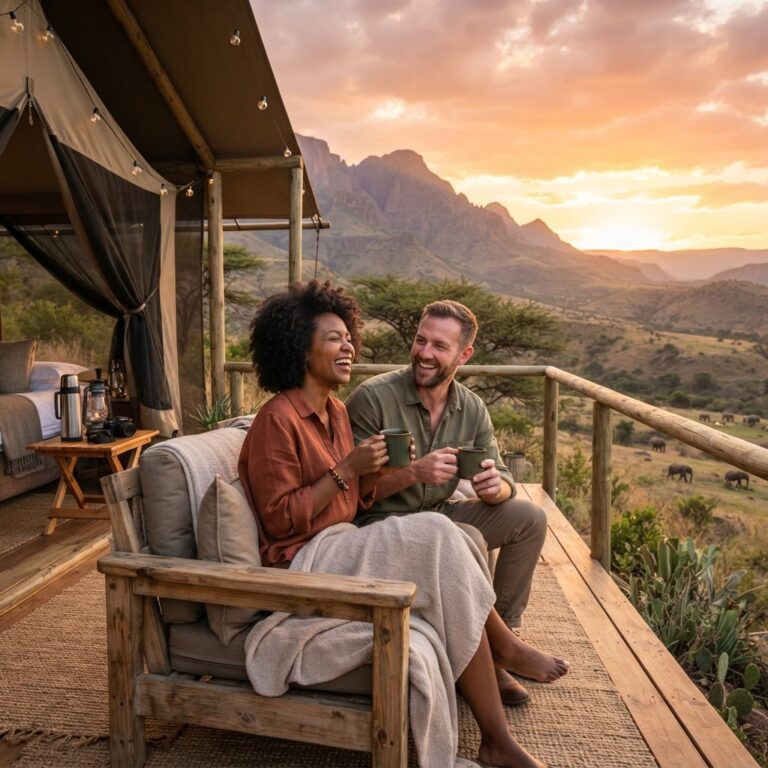
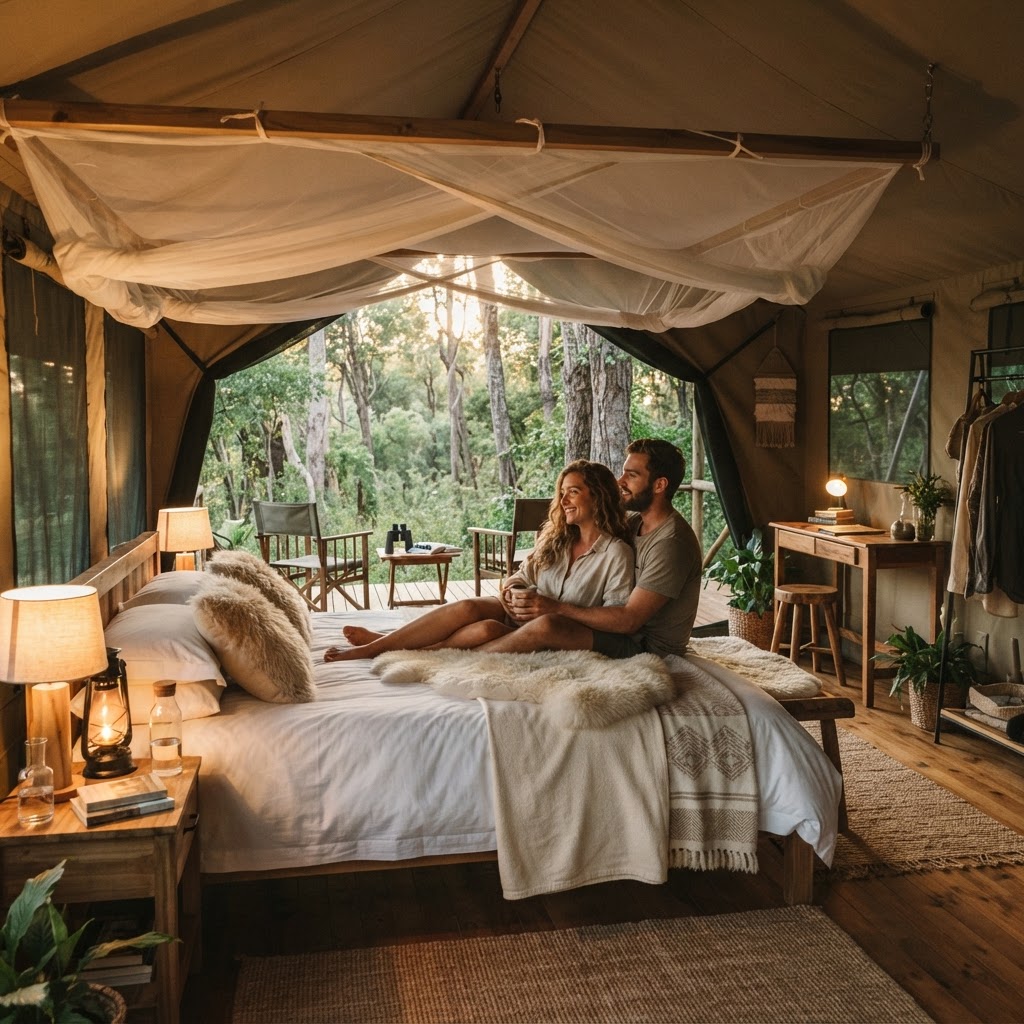
Safari tents deliver a safari lodge vibe with open canvas walls and a spacious interior. They often come with beds, rugs, and wooden furniture that mimic indoor creature comforts while retaining a strong sense of being outside. Safari tents are great for those who want the romance of sleeping close to nature without compromising on a comfortable bed and simple amenities. They usually perform well in fair weather and can include heaters or electric blankets for cooler nights.
Yurts are circular structures that historically provide excellent insulation and a cozy feel. They can be winterized effectively, which makes them suitable for cooler climates. The round shape creates a communal, intimate atmosphere ideal for couples or small groups. Yurts tend to feel more solid than canvas tents, so if you prioritize quiet and structural warmth, a yurt may be the better option. Both choices often include comfortable bedding and simple furnishings, but yurts can feel more like a cabin while safari tents feel more like a refined tent experience.
Treehouse Luxury vs. Geodesic Domes
Treehouses offer a childlike sense of wonder with elevated platforms, wraparound decks, and views through the treetops. They can be surprisingly luxurious, with designer touches, full bathrooms, and carefully curated interiors. Because of their elevation and unique build, treehouses can provide excellent separation from neighbors and memorable morning coffee moments overlooking the canopy.
Geodesic domes are modern and efficient. Their shape creates open, light filled interiors with panoramic windows often positioned to maximize views. Domes can maintain temperatures well when insulated, and they tend to feel spacious despite a smaller footprint. If you enjoy a futuristic aesthetic and wide sightlines for stargazing, a dome might fit your style better. Both treehouses and domes can be either rustic or refined, so check photos and descriptions for real comfort levels rather than relying on labels alone.
Pro tip: If you are planning to truly unplug, communicate your intention in advance to anyone expecting a fast reply. Schedule campaign posts, set an away message, and let key contacts know your offline window. That reduces the mental clutter and helps you enjoy the break more fully.
Frequently Asked Questions
What is the main difference between camping and glamping?
The main difference is comfort and convenience. Camping usually involves tents, sleeping bags, and rustic conditions, while glamping provides elevated comforts such as proper beds, sheltered structures, private bathrooms, and sometimes electricity. Glamping is designed to deliver a nature experience with more amenities so you can enjoy the outdoors without sacrificing sleep quality or basic comforts.
Do most glamping sites provide bedding and electricity?
Many glamping sites do provide bedding and electricity, but this varies by listing and location. Common inclusions are a proper mattress, linens, and basic lighting. Some sites also offer heating, air conditioning, and power outlets. Always check the listing details and recent reviews to confirm what is included so you do not end up bringing extra gear you thought would be provided.
How far in advance should I book my glamping trip?
Book as early as you can for popular destinations and peak seasons to secure the best sites and the dates you want. For shoulder seasons or weekday stays you may find more flexibility, but if you have limited days or want a very specific accommodation type, reserving several weeks to a few months ahead is wise. Last minute bookings can work for off peak times, but expect fewer choices and potentially higher prices for short notice stays.
Final Thoughts
Planning a stress-free glamping getaway is about choosing comfort priorities, packing intentionally, and matching the accommodation style to your desired experience. With a little preparation you can swap inbox stress for restful stargazing and come back refreshed and ready to work smarter.