
TL;DR:
- Prioritize safety, water access, and flat ground when choosing the perfect tent campsite.
- Use maps and reservation systems to scout spots, and know the difference between dispersed and designated camping.
- Choose the type of campsite that matches your comfort level, and always follow tent camping safety tips.
The thought of camping alone can feel like a daunting challenge, but it is actually one of the most rewarding ways to recharge your soul. I will walk you through everything you need to know about finding the perfect spot so you can head into the woods with confidence.
If this is your first solo trip, take a deep breath. Choosing the perfect tent campsite is part logistics and part intuition. With a little planning and a few practical habits, you will learn how to pick a campsite that keeps you safe, comfortable, and connected to the peaceful parts of nature.
Table of Contents
- Essential Criteria for Your First Solo Campsite
- Location Scouting and Booking Tactics
- Comparing Your Camping Options
- Frequently Asked Questions
- Final Thoughts
Essential Criteria for Your First Solo Campsite
Before you head out, there are a few non negotiable factors to evaluate. These basic checks cover safety, comfort, and access. If you get these right you will reduce a lot of first trip stress and be able to enjoy the experience rather than reacting to problems.
Prioritizing safety and proximity to amenities
When you are solo, safety moves to the top of every decision. Choose a site that is within a reasonable distance of a ranger station, park office, or trailhead. You want access to help if you need it, without crowding yourself into a busy parking lot. Proximity to potable water is useful, unless you are prepared to filter or carry your own supply.
Think about phone coverage realistically. Do not assume you will have a signal, but know where you can go to get one if needed. Scout escape routes in your mind. If weather turns or you feel unsafe, know how you will break camp and reach help. Familiarize yourself with local wildlife guidelines and food storage requirements, and always follow local rules for campfires and waste disposal.
Assessing terrain and natural shelter
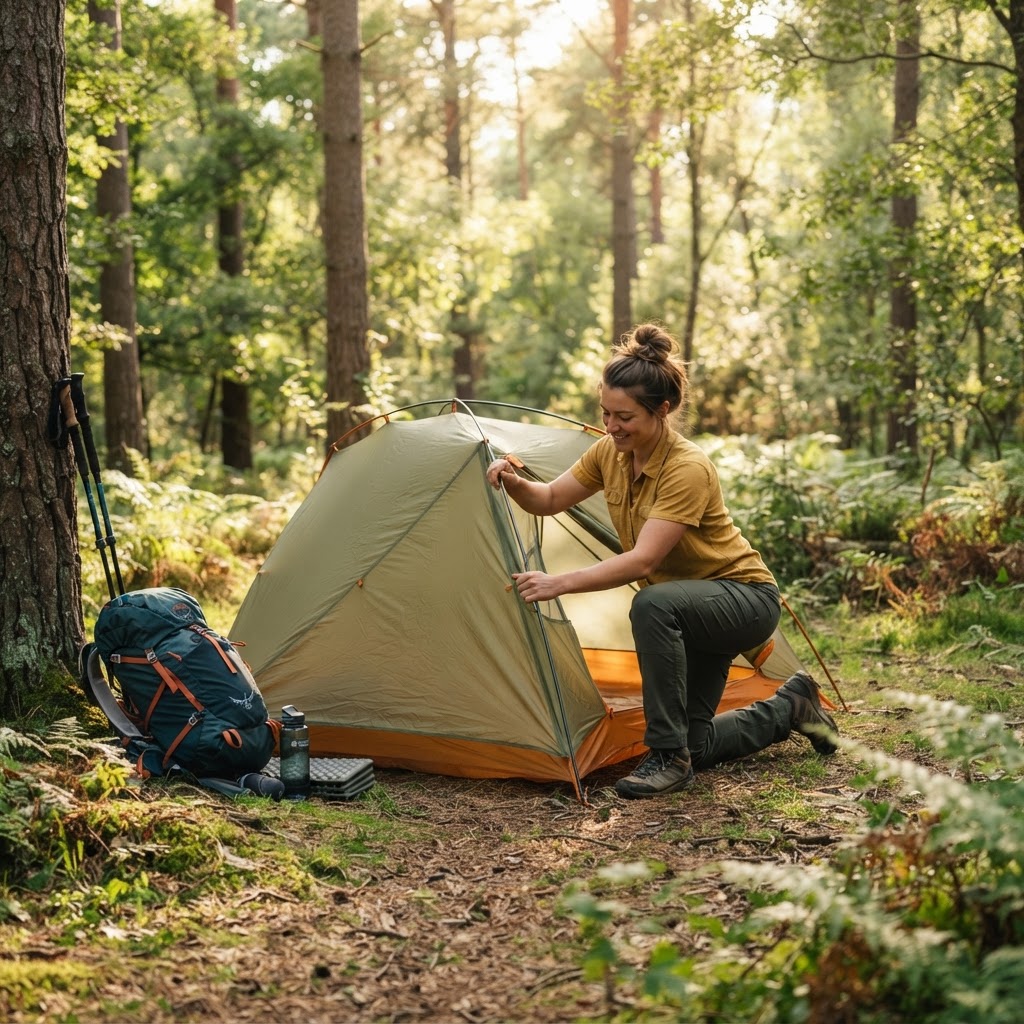
Terrain can make or break a night of sleep. Look for level ground that is free of rocks and roots. Avoid areas that collect water in a storm such as low spots, depressions, or the bottom of slopes. Slightly raised flat areas are ideal because they prevent pooling and help with drainage.
Natural shelter can add comfort and protection. Trees can block wind and provide shade, but avoid camping directly under dead limbs that could fall. Open meadows are beautiful at sunset but can leave you exposed to weather. Consider how terrain affects wind patterns, sun exposure, and temperature drops at night. A little time spent assessing the micro site before you set the tent will save you hours of discomfort.
Location Scouting and Booking Tactics
Scouting locations blends modern tools with old school common sense. A bit of homework helps you find quieter spots, avoid surprises, and secure the permit or reservation you need. Learning to read maps and site descriptions will pay off quickly.
Using online reservation tools and offline maps
Start by researching park maps and site layouts. Look for areas that list tent only sites or walk in sites if you want more solitude. Read site descriptions and traveler notes carefully. Photos and reviews can reveal things not obvious from a map, like how exposed a site is to wind or whether it is near a busy trail.
Bring a paper map or an offline map download for the area you plan to visit. Technology helps, but batteries die and service can be unreliable. Offline maps and a compass give you the confidence to find a chosen site, and to pivot to a backup if needed. When you book, note cancellation and check in rules, and keep a screenshot or printed confirmation in case you lose service.
Understanding dispersed camping vs. designated campgrounds
Dispersed camping means camping outside of established sites. It offers solitude and flexibility, but it also requires more planning and stronger leave no trace habits. If you are new to solo camping for beginners, dispersed spots can be rewarding, but choose them only once you are comfortable with navigation and self reliance.
Designated campgrounds provide amenities like toilets, potable water, and clear boundaries. They are generally safer for a first time solo camper because they reduce variables. If your goal is to build confidence quickly, start at a designated campsite and practice setting up, striking camp, and following safety routines before moving on to dispersed areas.
Comparing Your Camping Options
Choosing between public land, private campgrounds, or remote backcountry spots comes down to your tolerance for solitude, your skills, and the kind of experience you want. Consider access, rules, and environmental impact when making a choice.
Pros and cons of public versus private land
Public land often offers wide access and a variety of site types. State and national lands tend to have clear rules and good trail networks. The draw is freedom and the chance to find a quiet spot. On the downside public sites can get busy at peak times, and amenities vary widely. Rules about campfires and permits are important to follow.
Private campgrounds usually provide consistent amenities like restrooms, potable water, and sometimes staffed offices. This can be reassuring for first timers. They may cost a fee, and in some cases they limit where you can place a tent. If you prefer structure and predictable facilities while you learn how to pick a campsite, private campgrounds are a solid option.
Checking accessibility and environmental impact
Accessibility matters more than you might think. How far is the walk from your car to the tent site? Is the trail rough or well maintained? If you carry a heavy pack, choose a site with a short, clear approach. For solo camping for beginners, avoiding overly long hauls makes the trip more enjoyable and safer.
Environmental impact should guide your decisions. Use established sites when possible to reduce that impact, and spread out use when an area is fragile. Avoid trampling vegetation, do not dig new fire rings, and pack out all trash. Small decisions about where to place your tent and how to manage waste help preserve the places you love and keep other campers safe.
Pro tip, choose a site with natural wind break and morning sun. This gives you protection during bad weather and helps warm the tent early in the day.
Frequently Asked Questions
Is it safe to go tent camping alone for the first time?
Yes, it can be safe if you plan carefully. Start with a short trip at a designated campsite, tell someone your plan and expected return, and carry essential safety items. Learn basic navigation, bring a first aid kit, and know how to find help if needed. Building experience step by step reduces risk and builds confidence.
How early should I book a popular campsite?
Book as early as reservations allow for the location and season you plan to visit. Popular sites fill fast on weekends and holidays. If a site uses first come first served rules, arrive early in the day to claim a spot. Have a backup site in mind in case your first choice is taken.
What should I do if my chosen site is already occupied?
Stay calm and respectful. If the site is clearly in use, look for official nearby sites or a flat area a reasonable distance away that does not damage vegetation. Ask the occupants if they plan to leave soon if you need the site immediately. Do not move their gear or attempt to share without permission. If no legal alternatives exist, consider a different campground or heading home and returning early the next day.
Final Thoughts
Choosing the perfect tent campsite comes down to balancing safety, comfort, and the kind of experience you want. Start small, plan ahead, and treat your first solo trip as practice for bolder adventures to come.