
TL;DR:
- Eco-friendly camping practices reduce your footprint while creating authentic stories and content for your brand.
- Follow leave no trace principles, choose durable green camping gear, and avoid single use plastics to protect trails now and in the future.
- Investing in sustainable outdoor adventure supplies pays off through longevity, better storytelling, and stronger customer trust.
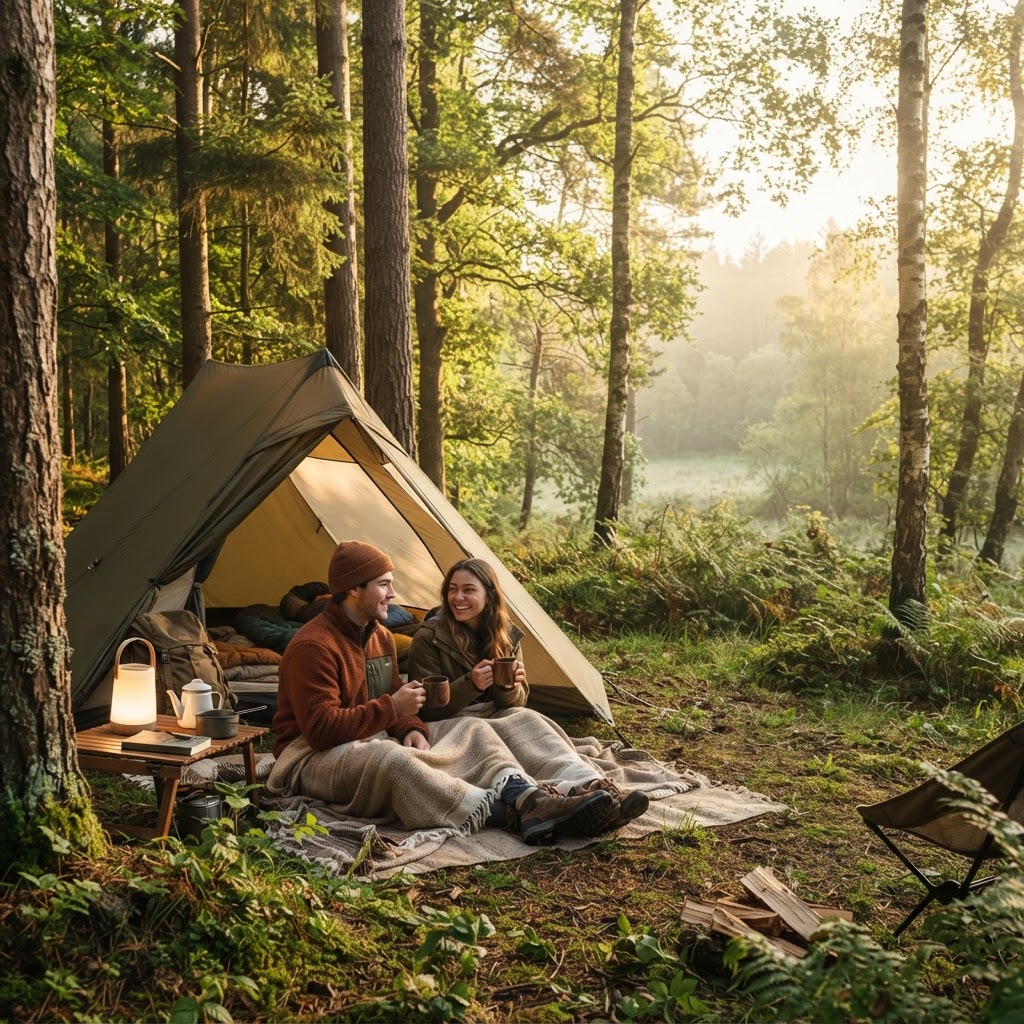
Imagine waking up in the heart of the forest, knowing that your presence has left the wilderness exactly as untouched as you found it. The soft light slips through the canopy, birds finish their calls, and the only footprints are those you planned to leave and then erase. For marketers and business owners who build brands around experience, that feeling is powerful. It is a story that resonates, and it is achievable when you balance adventure with sustainability.
This guide walks you through eco-friendly camping practices from core ethics to gear decisions. Whether you are crafting affiliate content, shaping a sustainable brand voice, or planning trips that double as authentic content opportunities, these practices help you enjoy the wild, protect the places you love, and generate marketing that actually matters.
Table of Contents
- Understanding the Fundamentals of Leave No Trace
- Sustainable Gear Choices for Modern Campers
- Comparing Conventional vs. Eco-Conscious Camping Gear
- Frequently Asked Questions
- Final Thoughts
Understanding the Fundamentals of Leave No Trace
Leave no trace principles are the ethical backbone of eco-friendly camping practices. They are simple to state and sometimes challenging to implement when you are juggling logistics, clients, content calendars, or the desire to capture the perfect shot. For entrepreneurs and marketers, mastering these fundamentals creates clear creative constraints. Those constraints force better storytelling, better planning, and better respect for the places that inspire our work.
When you internalize these principles, every decision on the trail becomes an expression of your brand values. That is a competitive advantage for marketers who want to connect with customers who care about sustainability.
Planning and preparing for minimal impact
Good trips begin long before you pitch a tarp. Planning for minimal impact means choosing locations that are appropriate for your group size and skill level. It means checking local regulations for camping and fire rules in advance. It also means packing intentionally. Think through food, shelter, and transit, and choose options that reduce the need for fragile habitats to absorb your presence.
For a marketer organizing a branded outing or filming an outdoor scene, preparation reduces surprises and waste. Prepare a checklist that includes route options, weather contingencies, compact waste systems, and a plan for digital needs that limit hardware waste. A little extra prep increases safety and decreases the chance that your crew will leave anything behind that could harm the environment.
Managing waste and human hygiene in the wild
Waste management is where ethics meet logistics. Food scraps attract wildlife and disturb ecosystems. Used hygiene products can introduce chemicals into pristine waterways. Follow practices that separate organic waste from packaging, carry out what you bring in, and use biodegradable products when possible. Carry a small trowel to dig catholes at least six inches deep and at least 200 feet away from water sources when you must bury human waste in permitted areas.
Personal hygiene can be handled with minimal components. Use wet wipes sparingly and pack them out if they are not fully biodegradable. Use a small container to wash dishes with water that you later filter or disperse over a wide area away from streams. For groups, assign one person to manage waste and hygiene supplies so nothing gets overlooked during the rush of breaking camp.
Sustainable Gear Choices for Modern Campers
Gear choices shape both the environmental footprint of a trip and the narrative you build around it. Sustainable outdoor adventure is not about a single purchase. It is a series of choices that together reduce resource use, extend product life, and create a consistent message for your audience. Thoughtful gear decisions also open affiliate opportunities and produce content that educates consumers on why quality matters.
Start by assessing needs rather than wants. Durable, repairable items often cost more upfront but last longer and generate less waste. These choices create stories about longevity and care that your audience will value more than fleeting gadget envy.
Choosing eco-friendly materials and durable brands
Look for materials that are recycled, low in toxic treatments, or designed to be recyclable at end of life. In practice that might mean selecting fabrics made from recycled fibers, insulation that avoids harmful chemical treatments, and hardware that can be serviced. Durable construction reduces the frequency of replacement, lowering the cumulative environmental cost of your adventures.
Durability also matters for marketing. When you recommend a product that still performs years later, your credibility grows. Use product testing narratives, repair stories, and before and after examples to show how choosing the right item reduces waste and creates value for buyers and partners.
Reducing the need for single-use plastics on the trail
Single use plastics are convenient and often cheap. On the trail they are a liability. Replace them with multi use containers, refillable bottles, reusable food wraps, and compact storage that keeps food fresh without disposable packaging. For snacks, portion into reusable bags rather than relying on individual packaged servings.
For marketers, this is an easy win to feature in content. Create how to guides that show how to assemble a plastic free snack kit, or highlight case studies where teams reduced plastic waste during multi day shoots. These tactical posts help readers replicate your approach and show the real world impact of low waste choices.
Comparing Conventional vs. Eco-Conscious Camping Gear
Understanding the life cycle of gear helps you make better recommendations and write content that educates customers. Conventional products tend to optimize for lowest cost and weight. Eco conscious items optimize for resource efficiency, repairability, and reduced toxicity. That trade off shapes manufacturing emissions and long term waste.
As a content creator, explaining these trade offs invites readers to think about total cost of ownership instead of just the checkout price. That insight builds trust and positions you as a resource that values outcomes, not just transactions.
The environmental cost of gear manufacturing
Manufacturing impacts are embedded in raw material extraction, processing, transportation, and finishing. Synthetic fabrics rely on petroleum derivatives, while some natural materials require intensive farming and water use. Chemical treatments add performance but also complicate end of life recycling. When you consider the entire supply chain, items that appear cheap up front can carry higher hidden costs.
Share supply chain stories in your content. Explain the difference between a product made with post consumer recycled materials and one made from virgin inputs. Even simplified descriptions help readers understand why one product may be better for the planet and for their long term budget.
Long-term sustainability of reusable equipment
Reusable equipment shifts environmental burden from production to maintenance. A single high quality, repairable item may replace several disposable or low quality versions. That is a sustainability win and a narrative asset. It lets you create content about care, repair, and the lifetime value of well made gear. Those posts tend to attract engaged readers who are willing to invest in quality based on clear reasoning.
For affiliate partners and businesses, promoting repair services, spare parts, and longevity focused products often leads to stronger partnerships than chasing the latest disposable trend. It aligns revenue with durability and positions your audience to make smarter purchases.
Pro tip: Document one repair or maintenance task on video. A short clip showing how to replace a broken zipper or patch a sleeping pad provides practical value. It reduces waste and gives your audience a repeatable reason to trust your recommendations.
Frequently Asked Questions
What are the 7 principles of Leave No Trace?
The seven leave no trace principles are a concise ethical framework. They are: plan ahead and prepare, travel and camp on durable surfaces, dispose of waste properly, leave what you find, minimize campfire impacts, respect wildlife, and be considerate of other visitors. These principles guide decisions from route selection to how you handle food and interactions with animals.
How can I dispose of food waste properly while camping?
Dispose of food waste by packing it out whenever possible, especially in fragile environments and areas with wildlife. If local rules allow burying organic waste, do so in catholes at least six inches deep and 200 feet from water sources. Use sealed containers for smelly items and avoid leaving scraps or peels that attract animals. For group trips, bring a dedicated food waste container and empty it into appropriate waste receptacles at trailheads or facilities.
Are eco-friendly camping products worth the extra cost?
Yes, in many cases eco-friendly camping products are worth the extra cost. They tend to last longer, require fewer replacements, and reduce your environmental footprint. For marketers and business owners, recommending durable products builds credibility and long term trust with your audience. The initial expense is often offset by longer service life and the marketing value of demonstrating responsible practices.
Final Thoughts
Eco friendly camping practices are a practical way to protect the places that inspire your brand while creating trustworthy content and partnerships. Start with planning, make intentional gear choices, and tell the stories that show why those decisions matter.