
TL;DR:
- Pack a reliable shelter, sleep system, and layered insulation to stay safe and comfortable on solo trips.
- Bring a compact first aid kit, navigation tools, and communication options to handle emergencies when you are alone.
- Choose a stove that fits your trip style, practice setup at home, and pack smart to keep weight low and confidence high.
Imagine waking up to the sound of birds in a secluded forest, knowing you are completely self sufficient and ready for the day ahead. This guide will help you master the art of solo camping with ease, turning that early morning smile into a routine outcome rather than a lucky surprise.
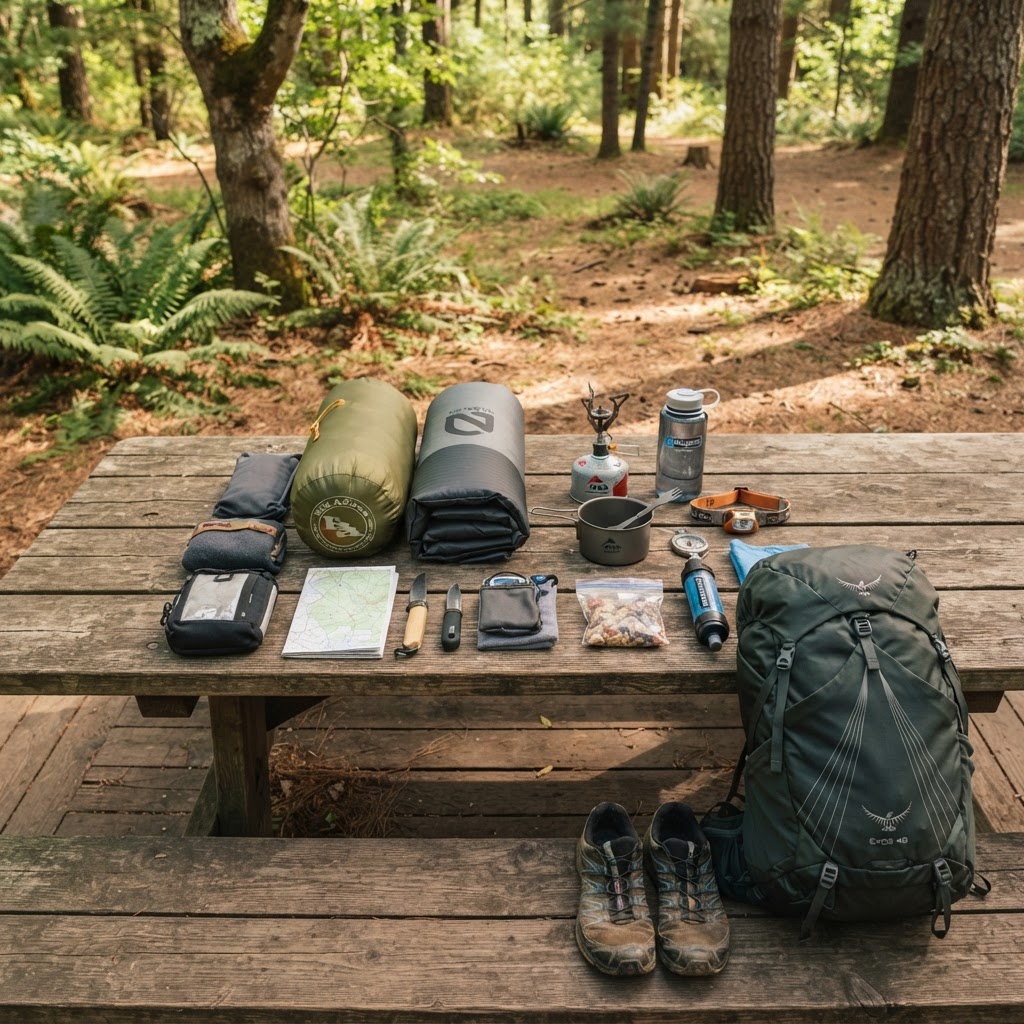
If you are reading this because you want a clear, practical solo tent camping gear checklist, you are in the right place. I will walk you through the shelter and sleep essentials, the safety gear that keeps you confident, and a straightforward comparison of cooking options so you can pick what fits your style and pack light.
Table of Contents
- The Must-Have Essentials for Your Solo Shelter
- Survival Kits and Safety Protocols for One
- Comparing Camping Stoves for Solo Travelers
- Frequently Asked Questions
- Final Thoughts
The Must-Have Essentials for Your Solo Shelter
Your shelter is the core of any trip, particularly when you are camping alone. A good solo shelter keeps you dry, warm, and protected from insects and wildlife. It also gives you a private base where you can rest, prepare food, and manage gear. When assembling your solo tent camping gear checklist, prioritize items that combine reliability, weight savings, and simple setup.
Choosing the right solo tent
Choosing the right solo tent means balancing weight, interior space, and weather protection. For solo tent campers, a tent that is light enough to carry but roomy enough to store gear is ideal. Look for a tent with a full rain fly and a reliable, easy to pitch pole system. A single wall tent will save weight but may trap condensation, while a double wall tent offers better ventilation and versatility. Consider vestibule space, as having a covered area to cook or store a pack keeps your sleeping area clean and extends comfort.
Think about the seasons you will camp in. If you plan three season trips, aim for lightweight materials and good ventilation. If you will camp in colder conditions, focus on a tent with stronger poles and a lower profile to stand up to wind. Finally, practice pitching your tent at home. Familiarity reduces setup time and stress, which matters a lot when you are alone at dusk.
Insulation and sleeping systems
Sleep comfort and warmth are non negotiable for safety and morale. Your sleeping pad and sleeping bag or quilt should be matched to expected temperatures. An insulated sleeping pad keeps you warmer than a basic foam pad because it blocks ground chill. R values are a useful guideline when choosing pads. For sleeping bags, select a comfort rating that gives you a buffer below forecast lows, and consider a hood and draft collar for colder nights.
Layering clothing in your sleep system helps you adjust without carrying multiple heavy items. Bring a lightweight insulated jacket or synthetic layer for extra warmth at night and avoid cotton next to your skin. Small additions like a liner, a warm hat, and thermal socks can make a big difference. Pack items in waterproof stuff sacks or dry bags to avoid moisture, and keep your sleeping system elevated from the tent floor by organizing gear so damp items do not touch your sleeping bag.
Survival Kits and Safety Protocols for One
When you are the only person responsible for your safety, redundancy and simplicity are key. Build a survival kit that addresses common accidents and unexpected changes. Practice using each item so you know how it works under pressure. The goal is to reduce risk and increase your ability to respond calmly to problems.
First aid kits and navigation tools
Your first aid kit should be compact but complete, focused on the most likely issues such as blisters, cuts, sprains, and minor burns. Include adhesive bandages, sterile gauze, adhesive tape, antiseptic wipes, blister care, pain relievers, and any personal medications. Add a small splint or elastic wrap for sprains and a pair of tweezers for splinter removal. Consider including a basic wound closure option and a clear emergency blanket for shock or cold situations.
Navigation tools matter as much as first aid. Carry a reliable topographic map and a compass, and know how to use them. A basic handheld GPS can be a great backup, but never rely on electronics alone. Practice route finding on local trails and learn to estimate distance and time so you can make sensible decisions about daylight and weather. Mark key waypoints before you leave and record exit routes. A whistle and a headlamp with spare batteries are navigation and safety essentials for night or low visibility.
Communication devices for remote areas
Staying connected in remote areas can be lifesaving. If cell coverage is unreliable, consider a personal locator device or a satellite messenger that allows you to send an emergency signal and brief messages. Even a basic two way communication device can help if you need to coordinate with a nearby hiker. When choosing, focus on battery life, ease of use, and the ability to send location coordinates.
Always tell someone your plan before you go. Share a route, expected times, and an emergency contact. Consider establishing a check in time so others know when to alert authorities if you do not arrive. Carry extra power in the form of a power bank, and protect devices from moisture. A waterproof case or dry bag for electronics is a small investment that can prevent large problems.
Comparing Camping Stoves for Solo Travelers
Choosing the best stove for your solo adventures depends on trip length, expected weather, and how much you are willing to carry. For someone focused on tent camping gear tips and tricks, the stove choice often comes down to tradeoffs between simplicity, reliability, and weight. Below I will break down the common stove categories so you can decide which aligns with your priorities.
Lightweight canister stove pros and cons
Canister stoves are a favorite among solo travelers who want to minimize complexity. They are quick to set up, light to carry, and boil water fast. Fuel is clean and easy to use, and you can find pre filled canisters at many outdoor stores. One downside is that performance drops in very cold temperatures because the canister pressure decreases. Also, you need to carry enough canisters for the entire trip which adds weight and waste to manage.
For weekend trips and mild weather, a canister stove is often the best camping gear for solo travelers. Practice switching canisters before you go and learn to check canister connectors for leaks. Pack a simple windscreen and use a small pot with a lid to speed boiling and reduce fuel use.
Reliable liquid fuel stove options
Liquid fuel stoves shine in extreme conditions. They perform well in cold weather and at high altitude because they use pressurized liquid fuel that vaporizes effectively. They are refillable which means you can top off fuel without relying on brand specific canisters. The tradeoff is greater weight and slightly more maintenance. You will need to pump and sometimes preheat the stove, and keeping spare parts and maintenance knowledge handy increases confidence.
If you plan multi week trips or winter camping, a liquid fuel stove can be the best choice for long term reliability. Practice cleaning and maintaining the stove before your trip. Carry a basic repair kit and be comfortable with priming the unit. The extra preparation pays off in consistent performance.
Pro tip: Practice cooking on your chosen stove at home until lighting, simmering, and cleaning become second nature, this habit cuts stress and saves fuel when you are solo in the backcountry.
Frequently Asked Questions
What is the most important item in a solo camping gear list?
The most important item is a reliable shelter system that protects you from the elements, combined with a warm sleep system. Shelter and sleep directly affect your safety and recovery. Without adequate shelter and insulation you will be vulnerable to hypothermia and discomfort which can make other problems worse. After shelter and sleep, prioritize communication and first aid.
How can I practice tent camping gear tips and tricks before a big trip?
Rehearse at home by pitching your tent in the yard or a local park, set up your cooking system, and sleep in your full sleep setup at least once. Practice navigating with your map and compass on familiar trails. Pack and unpack your backpack to find the most efficient arrangement. Simulate emergencies like a soaked sleeping bag and practice drying or adapting your setup. These rehearsals reduce surprises and build confidence.
Is it safe to go tent camping alone for the first time?
Yes, with preparation it can be safe. Start with easy, short trips in areas with some traffic and cell coverage. Tell someone your plan and check in. Choose weather and terrain that match your experience. Build skills like map reading and first aid before heading to remote locations. Gradually increase distance and challenge as your confidence grows.
Final Thoughts
Solo tent camping is rewarding when you prepare with a smart, focused solo tent camping gear checklist. Prioritize shelter, sleep, and safety, practice your systems at home, and choose gear that matches your style and environment. Enjoy the freedom, and trust your preparation.