
TL;DR:
- Clarify whether you want luxury camping comfort, rugged off-grid living, or an experiential travel moment before you search.
- Use niche platforms, smart search queries, and social proof to find trusted, sustainable outdoor hospitality stays.
- Match glamping structure, amenities, and location to your personality, then verify legitimacy and book early for peak spots.
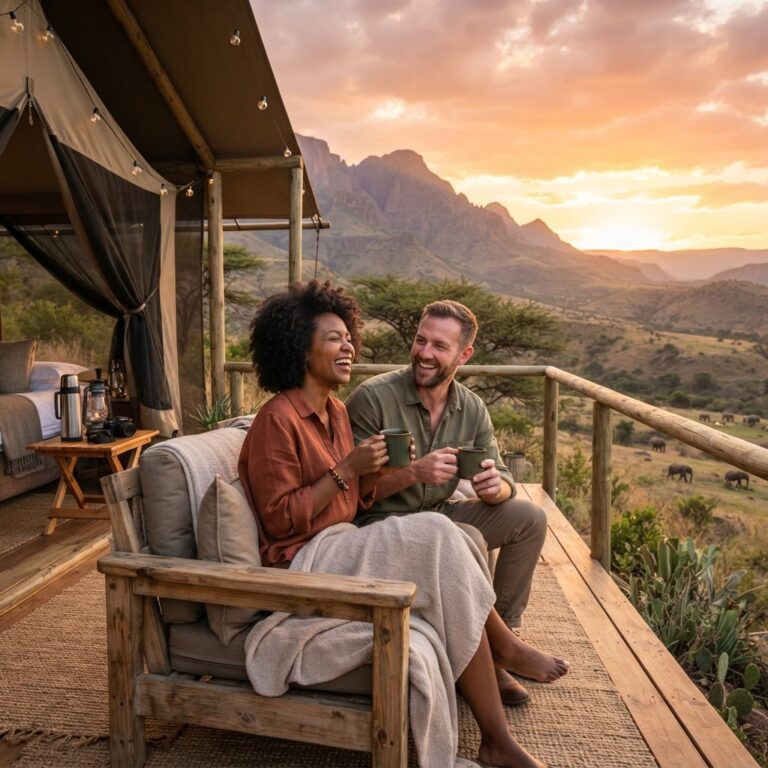
Imagine a night where the stars feel close enough to touch, but you still sink into a plush mattress and sip a locally roasted coffee on a covered porch. That sweet spot between rugged adventure and high end comfort is exactly what people hunt for when they search for the best glamping adventure destinations. If you are tired of scouring endless booking sites for a stay that feels just right, you are not alone.
This guide walks you step by step through how to identify the vibe you want, where to find high quality hidden gems, and how to compare the many glamping styles out there so you can pick the perfect match. Read it like you are getting tips from a friend who has stayed in dozens of unique glamping experiences and wants you to book the right one the first time.
Table of Contents
- Identifying Your Ideal Glamping Vibe
- Digital Tools and Platforms for Discovery
- Comparing Top Tier Glamping Styles
- Frequently Asked Questions
- Final Thoughts
Identifying Your Ideal Glamping Vibe
The most important step to finding the best glamping adventure destinations is deciding what kind of experience you want, before you ever open a booking site. That clarity cuts search time and avoids disappointment. Think of this as defining your travel product requirement document. Are you chasing luxury camping getaways where service, design, and convenience come first, or do you want experiential travel that leans into off-grid living and raw nature?
Defining the level of luxury versus wilderness
Start with a simple scale. At one end is high end accommodations that resemble boutique hotels: crisp linens, private bathrooms, climate control, and often curated meals. At the other end is self contained off-grid living where you trade modern conveniences for solitude and true immersion in the landscape. Most glamping options land somewhere between those poles, offering a blend of outdoor hospitality and creature comforts.
Ask practical questions to lock this down. Do you need electricity, heat, or hot water? Is a private bathroom a deal breaker? Do you prefer locally sourced meals waiting for you or a kitchenette to cook your own food? If you are a digital marketing professional who plans to work a few hours while away, prioritize reliable connectivity and a comfortable workspace. If you are an experiential travel seeker looking for disconnect, look instead for listings that highlight night sky viewing, guided nature activities, or on site wellness.
Choosing the right landscape for your personality
Your ideal landscape shapes the whole trip. Choose mountains if you like dramatic views and hiking, coastal climes if you crave surf and sunsets, forested sites for peace and birdwatching, or deserts for expansive solitude. Consider microclimates too. A coastal glamping pod might be damp and breezy, while a high plateau yurt could drop sharply in temperature at night. Match landscape to your comfort zone so the environment enhances your adventure instead of taxing it.
For marketers and affiliate partners, align landscape with audience expectations. Luxury camping getaways near vineyards or near curated culinary experiences sell well to couples, while family focused experiential travel near lakes and gentle trails appeals to content creators targeting family lifestyle niches. If sustainability matters to your readers, prioritize destinations that advertise sustainable tourism practices, such as solar power, low impact waste systems, or local conservation partnerships.
Digital Tools and Platforms for Discovery of the Best Glamping Adventure Destinations
Once you know your vibe and landscape, leverage the right digital tools and platforms to find real listings that match. The web is noisy, but using niche platforms, smart search queries, and social proof narrows your results to high quality, legitimate stays. This is where a little SEO skill and marketing intuition helps you find unique glamping experiences fast.
Leveraging niche booking platforms for unique stays
General booking engines list thousands of properties, but niche platforms and local tourism boards often highlight curated glamping escapes that larger sites miss. Use targeted search queries that combine your desired landscape, amenity level, and sustainability terms to surface hosts who emphasize outdoor hospitality and off-grid living when relevant. Look for listings that include robust photo galleries, clear amenity lists, and recent verified reviews. Those signals indicate a professionally managed or seriously invested host.
As someone working in digital or affiliate marketing, you can also learn from content strategies that perform well in this niche. For example, editorial style guides and long form guides on related topics teach you which angles resonate. If you publish content about glamping, check practical posts on related subjects to see how they frame seasonal advice and packing lists. A detailed guide on enjoying backpacking trips or mastering tent camping can inspire the type of checklist your audience needs when choosing a glamping stay. See practical tips in this long form backpacking advice for crossover ideas at Best Tips for Enjoying Your Next Backpacking Adventure Trips Successfully.
Using social media algorithms to find trending spots
Social platforms are powerful discovery engines if you know how to mine them. Follow local tourism pages, content creators who specialize in outdoor hospitality, and hashtags related to sustainable tourism and experiential travel. Save posts that show the exact vibe you want and then trace back to the host profile or listing. Short videos and carousel posts often reveal amenities and the layout of the site in ways still photos do not.
Pay attention to micro influencers who post consistent, honest reviews rather than single paid posts. Their followers often ask questions in comments that reveal practical insights about access, noise levels, or family friendliness. For content creators and affiliate marketers, adapting that authentic, detailed format tends to drive better engagement than broad promotional copy. A useful example of building practical, affiliate friendly content can be found in this article on writing camping articles that drive traffic at How To Write Camping Articles That Drive Massive Affiliate Traffic.
Comparing Top Tier Glamping Styles
Glamping structures vary widely and each one creates a different relationship to nature and service. Understanding the practical differences helps you match physical comfort, privacy, and adventure. Below I break down the most common styles and how they map to personality and logistics, including amenities and off-grid capabilities.
Yurts, domes, and treehouses explained
Yurts provide a round, spacious interior that feels cozy and communal. They often have wooden floors, decent insulation, and a central living area, which makes them great for couples or small groups seeking luxury camping getaways with a cultural vibe. Many modern yurts have proper beds and sometimes private bathrooms attached, blending traditional form with contemporary comfort.
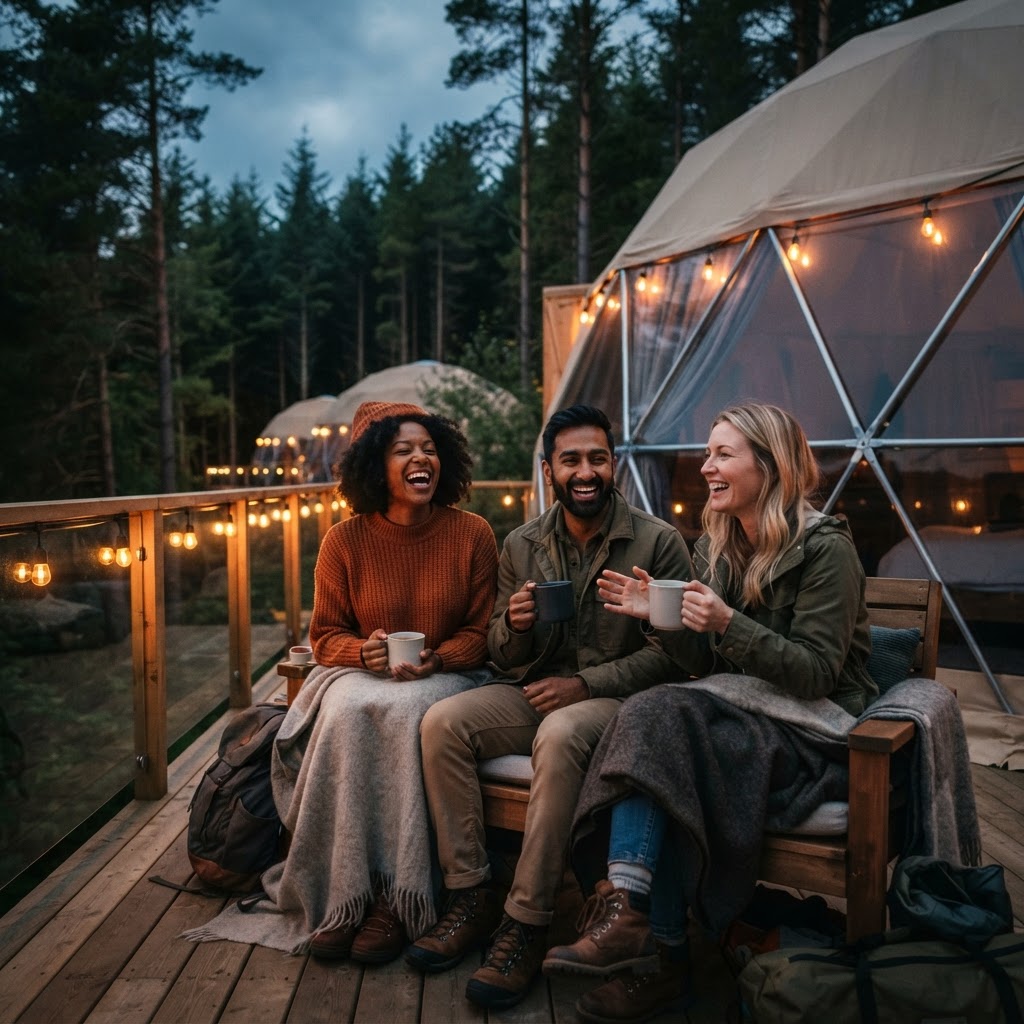
Domes, especially transparent or partially transparent varieties, are engineered for immersive views. They suit stargazers and photographers who want an almost cinematic connection to the sky. Domes tend to be more design forward and frequently come with curated interiors and climate control, which places them squarely in the luxury camping category for many travelers.
Treehouses are built into the canopy and deliver elevation and novelty. They can range from rustic platforms to fully outfitted cabins with electricity and kitchens. Expect a stronger connection to the surrounding ecosystem and sometimes less square footage. Treehouses are ideal for experiential travel fans who want a memorable stay and do not mind a few natural quirks like creaks or uneven floors.
Assessing amenities and ‘off-grid’ capabilities
Amenity lists tell you how much support to expect. Common items to check include bedding quality, bathroom type, kitchen or kitchenette availability, heating or air conditioning, and power sources. Listings that advertise off-grid living will usually mention solar panels, composting toilets, water catchment systems, and limited connectivity. That is fine if you are preparing to unplug, but if you require consistent power or WiFi, filter for listings that explicitly show those features.
For those creating content around these stays, frame amenity comparisons with the user intent in mind. Provide checklists for different traveler types, for instance a weekend wellness seeker will prioritize hot showers and private outdoor tubs, while an adventure family will value laundry access and easy trailheads. If you want to dig deeper into tips for other outdoor styles and how to prepare, cross reference tent camping best practices for packing and safety at 10 Expert Tips and Tricks to Master Tent Camping Easily.
Pro tip: When a listing emphasizes sustainable tourism practices, ask for specifics. Hosts who can describe their water, energy, and waste solutions are often better prepared to deliver consistent guest experiences.
Frequently Asked Questions
What is the best way to ensure a glamping site is legitimate?
Verify multiple signals. Start with recent verified reviews and clear host communication. Check that the listing has extensive photos, a detailed amenity list, and a cancellation policy. Ask the host specific questions about arrival logistics, parking, and any seasonal issues. If the host responds promptly with helpful details and local recommendations, that is a good sign. For extra assurance, look for mentions of permits, business registration, or partnerships with local tourism organizations in the listing copy.
Do most glamping sites provide bedding and cooking facilities?
Most professional glamping sites provide bedding and at least basic cooking facilities, but levels vary. Many luxury camping getaways include proper beds, linens, and private bathrooms. Some experiential or off-grid listings provide bedding but ask guests to bring their own sheets or sleep bags. Cooking setups range from full kitchens to shared communal kitchens or simple fire pits with cookware. Always check the amenities list and photos, and if it is not clear, ask the host directly about cookware, plates, and cleaning supplies.
How far in advance should I book the best glamping adventure destinations?
Book as early as you can for peak seasons and highly curated stays. Popular luxury camping getaways and unique glamping experiences in desirable regions often sell out months in advance. For weekends and holidays, aim to book three to six months ahead. For shoulder season or less trafficked sites, a few weeks to a month may be sufficient. If you are flexible on dates and location, last minute deals sometimes appear, but do not rely on that for special occasions.
Final Thoughts
Finding the best glamping adventure destinations means knowing your vibe, using targeted discovery strategies, and comparing structure types and amenities against your needs. With clear priorities and a few smart search habits you will spend less time hunting, and more time enjoying memorable nights under the stars.